Houthi Strikes on Riyadh's King Khalid Airport Deepen Middle East Aviation Disruption, Forcing Airline Diversions and Cancellations
Why It MattersAttacks on a major Gulf hub, combined with warnings against Saudi airspace, narrow the remaining Europe–Asia corridors and add fuel-cost and routing pressure that reaches airline schedules and forecasts.
What happened
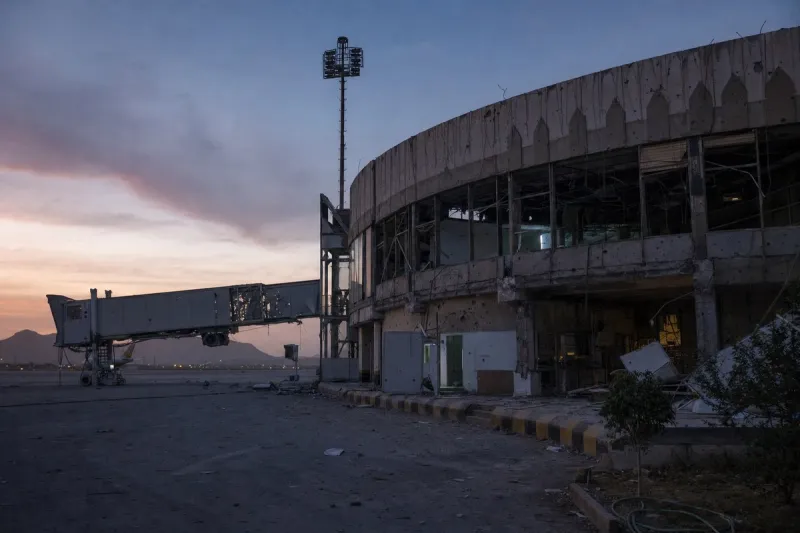
King Khalid International Airport in Riyadh, Saudi Arabia, has been attacked four times in five days by Houthi missiles and drones. On October 10, a Houthi missile struck the airport; Saudi officials initially reported 12 deaths and more than 300 injuries. On October 11 the Indian Embassy said one of its citizens had died of injuries, raising the toll to 13 — the deadliest attack on Saudi Arabia in more than a decade.
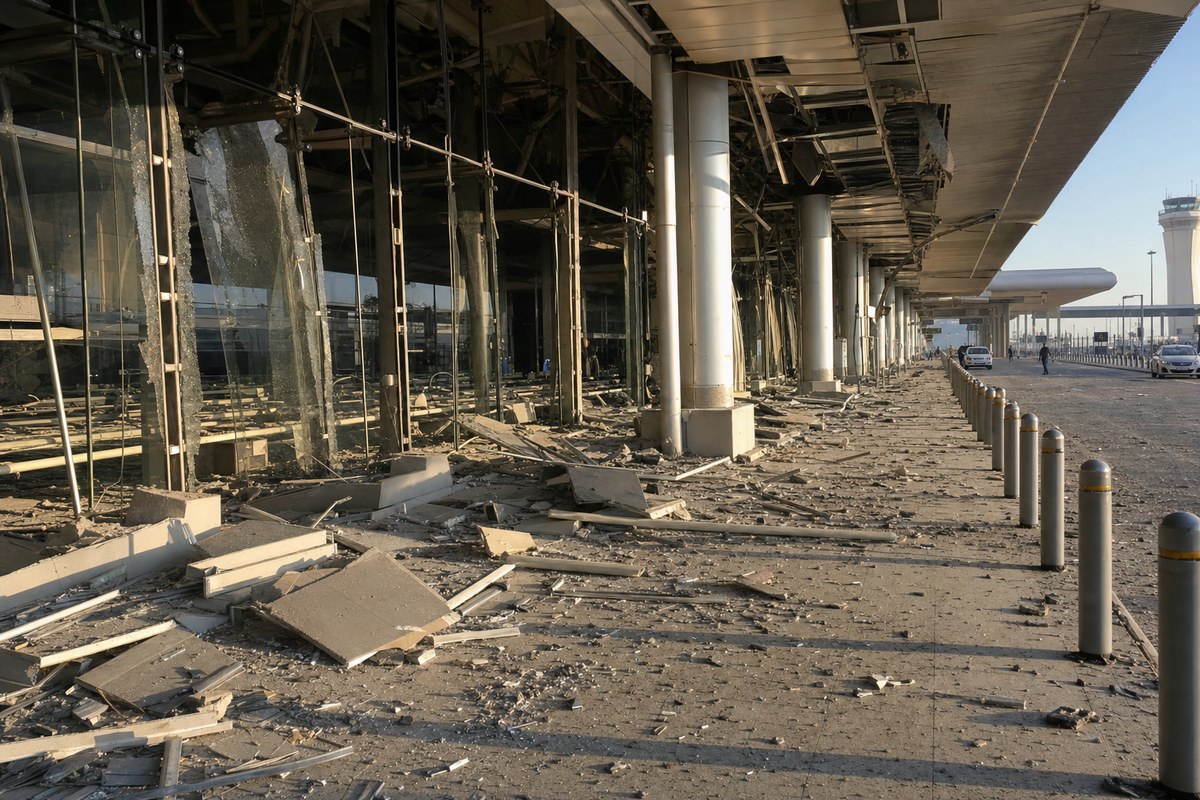
An October 8 attack at the same location killed three Saudi citizens, including a captain from the national airline. On October 11, Terminal 4 was hit by an unidentified flying object. Houthi attacks since last month have hit airport fuel tanks, destroyed cargo holds and a parked Airbus A320, damaged at least five other aircraft and killed several airline employees.
Since late February, when the Iran conflict began after a US and Israeli military campaign, Iranian attacks have damaged fuel tanks, parked aircraft, runways and air traffic control infrastructure at major airports in Dubai, Qatar, Bahrain and Kuwait, among others. Last March, three private jets parked at Tel Aviv airport were damaged by Iranian attacks.
The attacks forced airlines to divert dozens of aircraft and cancel more than 1,000 flights. The US, UK and Australia advised citizens to avoid Riyadh airport; France, Canada and Germany warned airlines about flying over all or much of Saudi airspace. The European Union Aviation Safety Agency (EASA) issued a warning on certain areas of Saudi airspace, and on October 9 the independent group OpsGroup recommended avoiding the country's airspace at any altitude.
Saudi Arabia had been one of two remaining main corridors linking Europe and Asia, after Ukrainian and Russian airspace closures in 2022.
Fuel costs and airline schedules
The International Air Transport Association (IATA) forecasts the average global jet fuel price in 2026 at $152 per barrel, nearly 70% above the $89.90 level of 2025. It sees industry profit falling from $45 billion in 2025 to $23 billion, a net margin of 2% versus the 4.2% projected before the Iran conflict.
easyJet cut a further 700,000 seats from its winter schedule, and Delta Air Lines lowered its profit forecast because of a $6 billion rise in fuel costs. Delta is weighing whether to launch its Atlanta–Riyadh route on October 23.
Industry impact & what to watch
Repeated strikes on fuel tanks, cargo holds, runways and air traffic control infrastructure show that the exposure is no longer confined to overflight risk. Ground infrastructure at Gulf hubs is itself being hit, which affects aircraft parked there, ground handling, fuel supply and crew safety, not only the routes passing overhead.
With one of the two remaining Europe–Asia corridors now under warnings from EASA, several governments and OpsGroup, carriers that route through the Gulf face a narrowing set of options. Longer or less direct paths raise fuel burn at a moment when IATA's fuel forecast already points to sharply lower industry profit.
The nearest concrete marker is Delta's decision on whether to start Atlanta–Riyadh service on October 23. Whether other carriers follow with schedule suspensions or reroutings will show how far the Riyadh attacks travel into network planning.