Op-Ed: Congress Should Attach Strict Conditions to FAA's $30 Billion Modernization Request
Why It MattersThe episode underscores how single points of failure in decades-old ground infrastructure, not just aircraft or airspace capacity, can cascade into multi-airport disruption across a region's busiest traffic corridor.
What happened
An opinion piece argues that Congress should approve Transportation Secretary Sean Duffy's $30 billion request to modernize the Federal Aviation Administration only if the funding comes with strict conditions attached. Those conditions, as laid out in the piece, include building redundant physical communication routes, disbursing the funding on a milestone basis rather than all at once, and integrating staff training programs alongside the infrastructure upgrades.

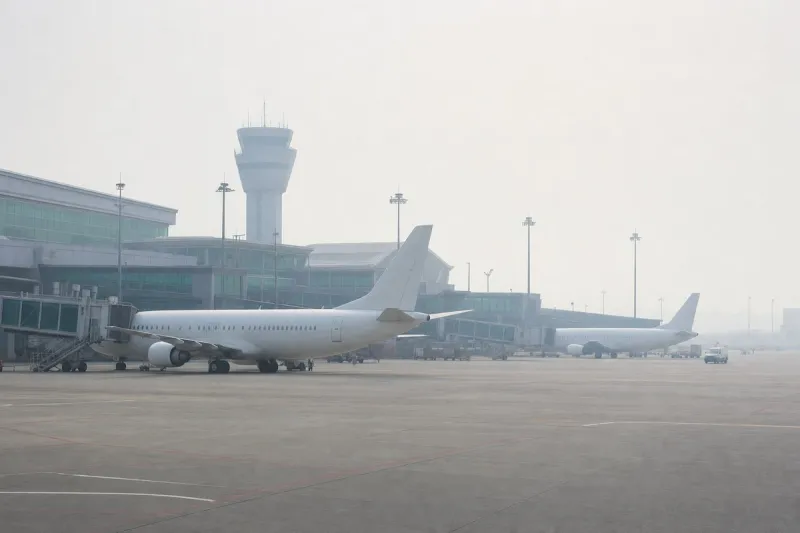
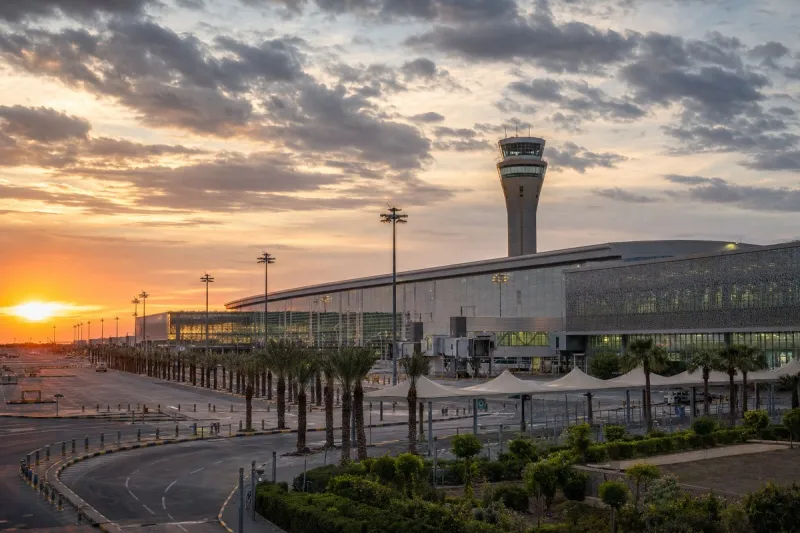
The piece cites a September 21 incident as evidence of the agency's infrastructure vulnerabilities. On that date, an aging circuit serving the FAA's Philadelphia Terminal Radar Approach Control (TRACON) facility failed. When the system attempted to switch over to its backup connection, that line was also found to be severed — a fiber cable that had been cut by a construction crew working in New Jersey. The resulting outage triggered ground stops at five major Northeast airports: Newark, Teterboro, Philadelphia, LaGuardia, and Kennedy.
Industry impact & what to watch
The incident illustrates a recurring vulnerability in air traffic infrastructure: backup systems are only as reliable as their physical independence from the primary route, and a single construction crew severing one fiber cable was enough to take down both the main and redundant circuits at once. Ground stops at five major Northeast airports show how concentrated this risk is in corridors where TRACON facilities manage overlapping, high-density traffic.
How Congress structures the $30 billion request will determine whether this pattern repeats. Milestone-based disbursement and mandated physical route redundancy are the mechanisms the opinion piece points to as a way of forcing verifiable progress rather than a lump-sum appropriation. Whether lawmakers attach such conditions, and whether the FAA can demonstrate genuinely separate backup paths rather than backups that share a trench or conduit with the primary line, will shape how resilient the modernized system actually is.