Liberty University Doctoral Study Surveys Pilots on Cruise-Flight Fatigue, Open Through Nov. 30, 2026
Why It MattersFatigue evidence for single-pilot cross-country flying rests largely on airline-crew research from other regions, so a U.S. general aviation dataset would fill a gap that currently limits how risk is measured.
What happened
A doctoral study from Liberty University's School of Aeronautics is examining how alert pilots feel during cruise flight. It is inviting general aviation pilots to take part in an anonymous survey that closes on Nov. 30, 2026.
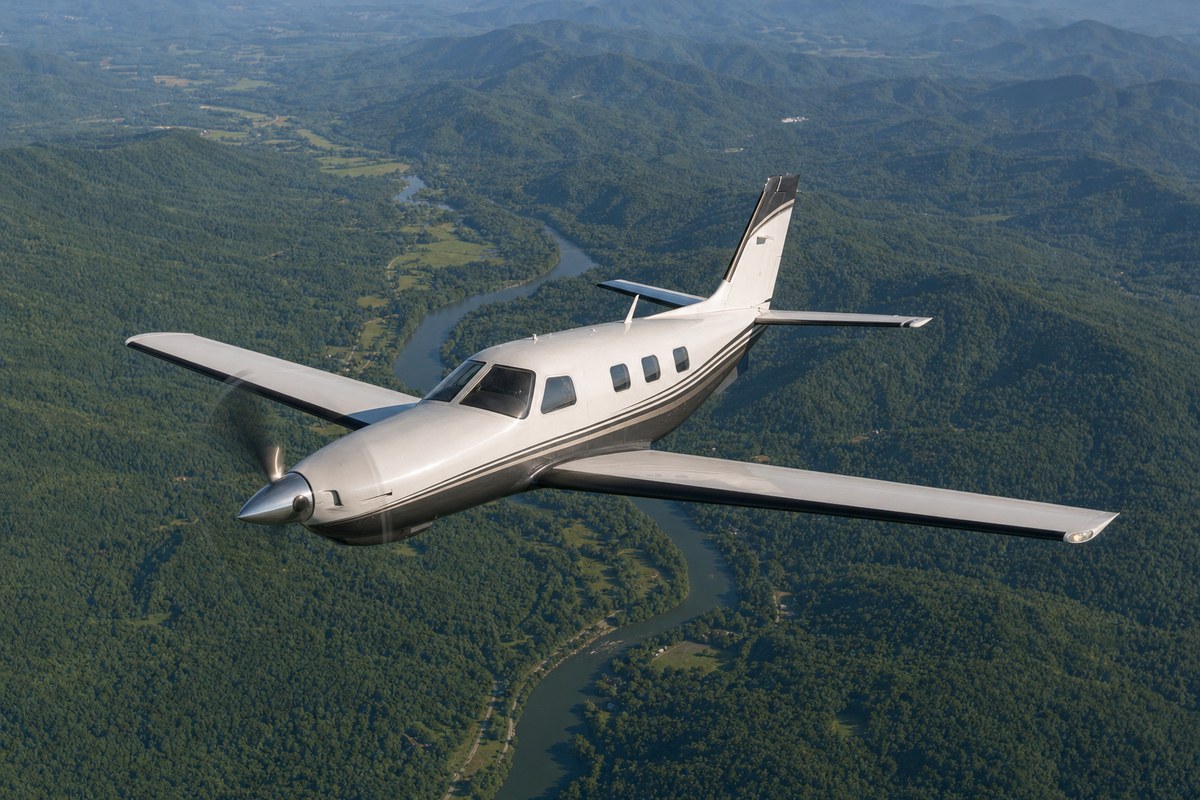
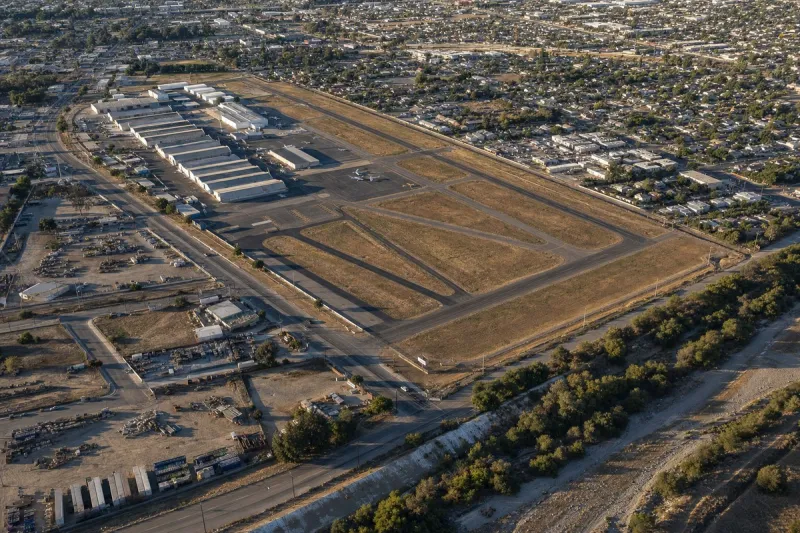
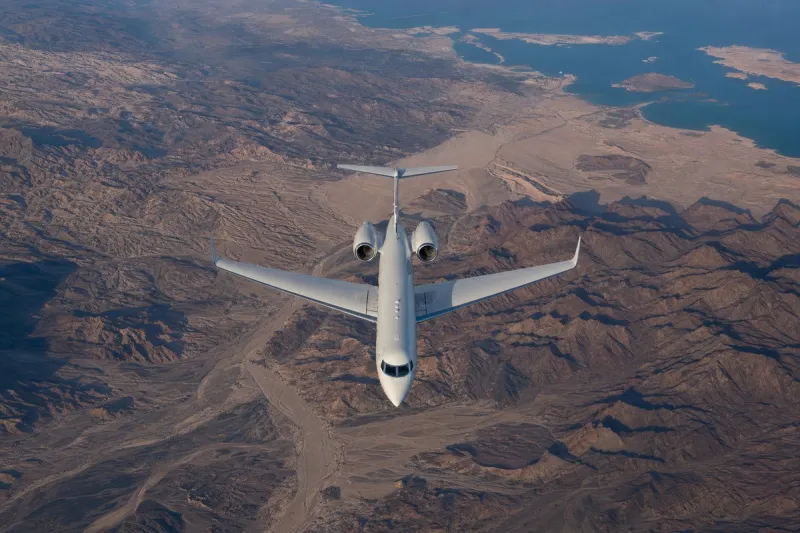
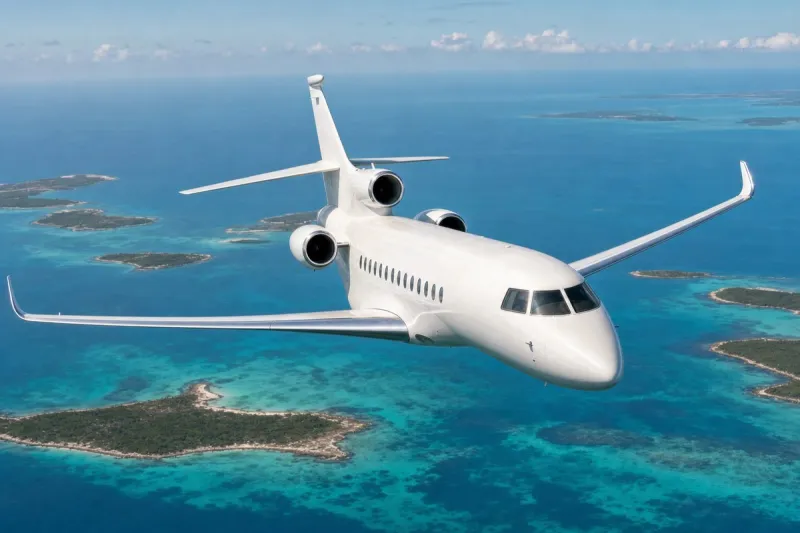
The researcher is Daniel Schmale, a 48-year-old engineer, psychologist and PhD candidate. He holds commercial, instrument and multi-engine ratings and has roughly 1,500 flight hours. He regularly flies a Piper JetProp out of McCollum Field (KRYY) in Kennesaw, Georgia, on trips such as day-long business flights to Ohio and multi-day cross-country flights to Phoenix or Albuquerque.
Historically, most aviation fatigue research has focused on commercial airline crews in Europe, Australia and Asia, where roughly three out of four airline pilots reported high or severe fatigue. Data on U.S. pilots, particularly general aviation pilots flying single-pilot cross-country missions, is nearly nonexistent, according to Schmale.
Eligible participants are pilots aged 18 or older who hold a certificate or license other than student or remote pilot, from any licensing authority worldwide, such as FAA, Transport Canada, EASA or CASA. They must have flown in cruise within the last 30 days. The online questionnaire takes about eight minutes and uses the seven-point Samn-Perelli Fatigue Scale to rate cruise alertness, along with questions on sleep, schedule, workload and boredom. Multi-crew pilots are also asked about in-flight rest practices.
The study was approved by Liberty University's Institutional Review Board and runs outside any aviation authority. It collects no names, certificate numbers, tail numbers or contact information.
The cruise-phase vigilance problem
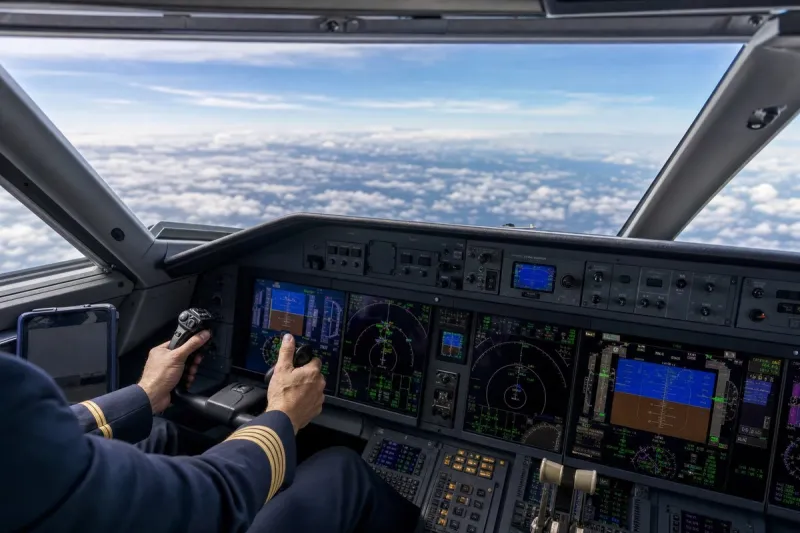
Researchers say that maintaining vigilance during a quiet, monotonous cruise leg is harder on the brain than actively maneuvering the aircraft. Combined with sleep debt, such as an early departure after a short night of rest, reaction times slow and decision-making suffers.
That framing explains the survey's design. It asks about boredom and workload alongside sleep and schedule, treating the long, uneventful stretch of a trip as the point of measurement rather than takeoff or approach.
Industry impact & what to watch
Fatigue regulation and risk management in aviation have been built largely on evidence from scheduled airline operations, where duty times are logged and crews are counted. Single-pilot general aviation and business flying works differently: the pilot sets the schedule, often flies after a full working day or an early start, and has no second crew member to catch a lapse. Without self-reported alertness data from that population, the discussion of cruise-phase fatigue in this segment stays anchored to airline numbers that may not transfer.
A dataset drawn from pilots worldwide who flew in cruise within the past 30 days would give operators, training providers and safety groups something closer to their own conditions to reason from. A voluntary online sample has limits, since respondents choose to take part, so the results will describe the pilots who answered rather than all general aviation pilots.
The next milestone is the Nov. 30, 2026 close of the survey, after which the researcher's analysis of the responses is the finding to look for.