Dutch Safety Board Urges Mandatory Replacement of Fuel Lines on Global 7500 Business Jets
Why It MattersThe case shows how engine-maker service advice can leave a known defect fleet-wide but unenforced, with binding airworthiness directives from regulators the step that turns manufacturer guidance into guaranteed compliance across operators.
What happened
The Dutch Safety Board (OVV) has called for operators of the Bombardier Global 7500 to be required to replace the fuel lines in their aircraft's engines. The call follows an emergency landing at Schiphol caused by an engine fire.

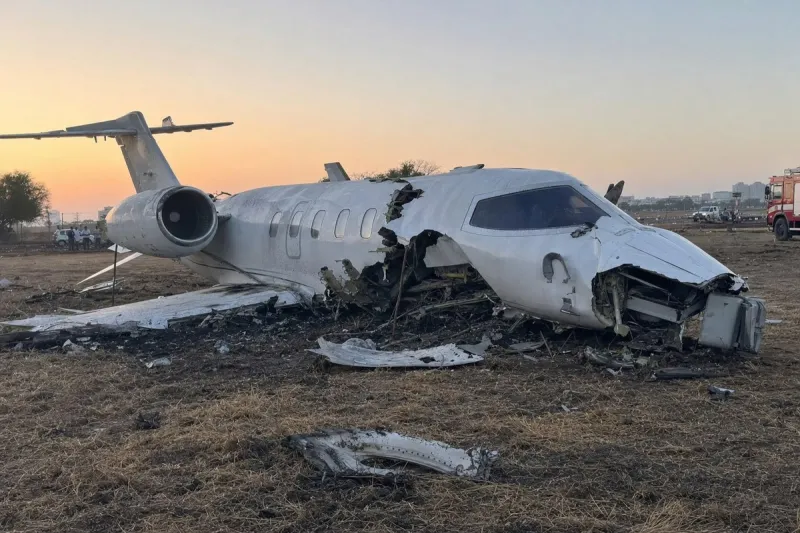
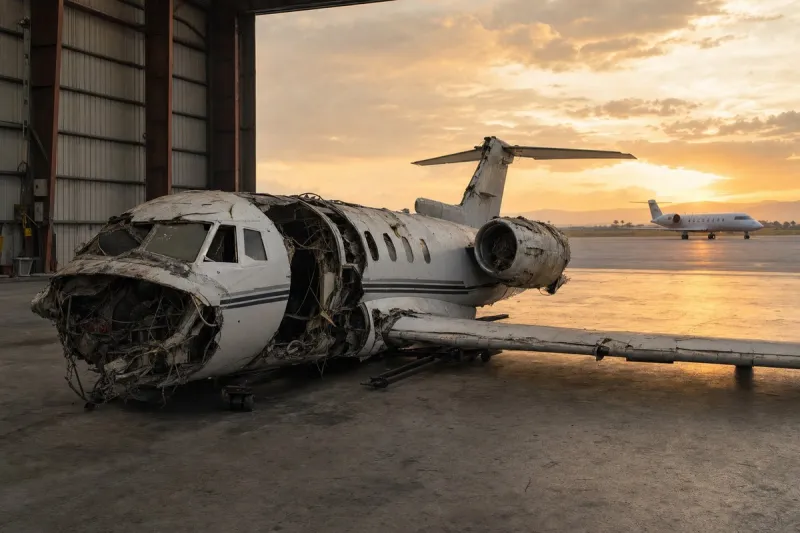
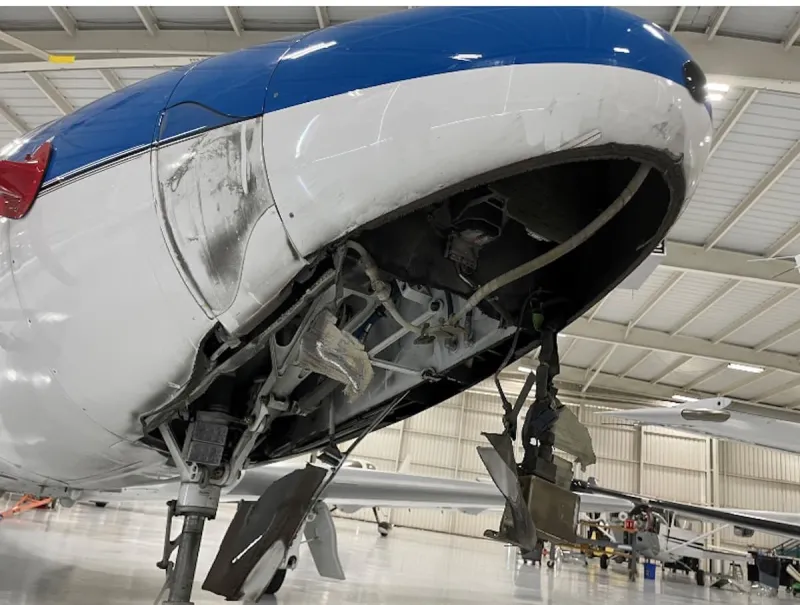
On 15 October 2024, a VistaJet Global 7500 (registration 9H-VISTA) was flying from Schiphol to Toulouse with no passengers on board when a fire broke out in one of its engines shortly after departure. The aircraft made a successful emergency landing and was inspected at Schiphol. The investigation found a small hole in a fuel line. Engine manufacturer General Electric later reported the same defect on eight other aircraft.
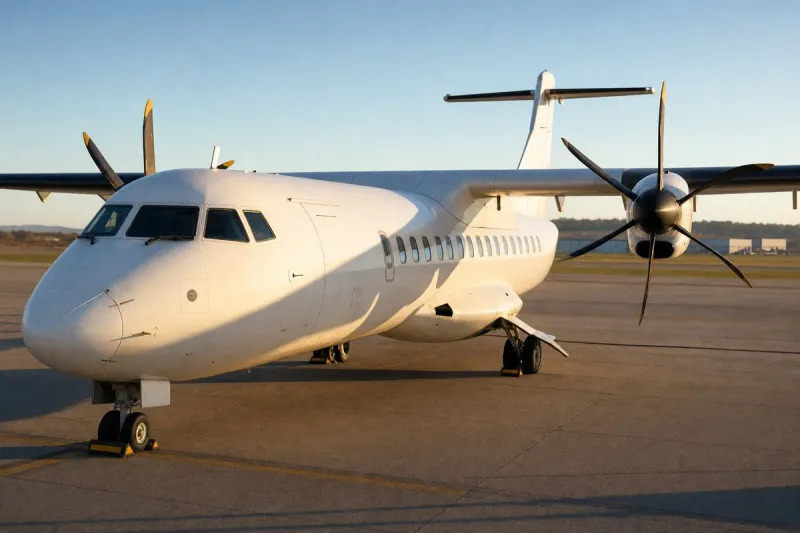
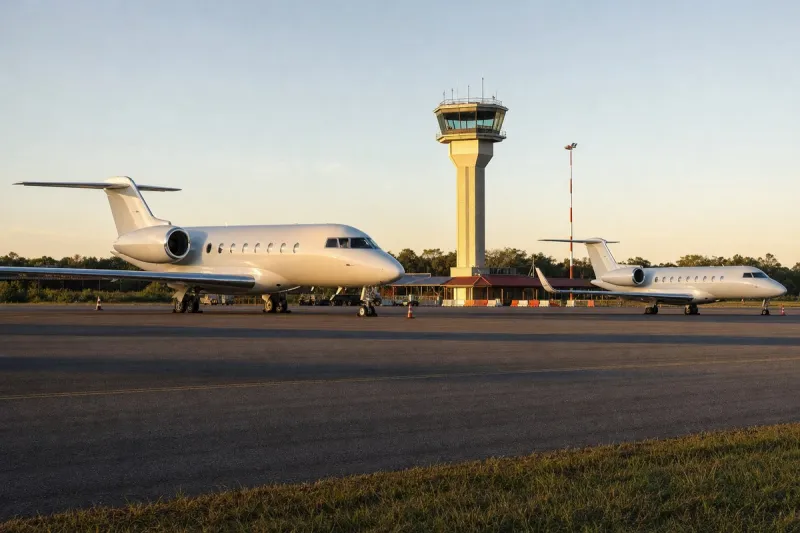
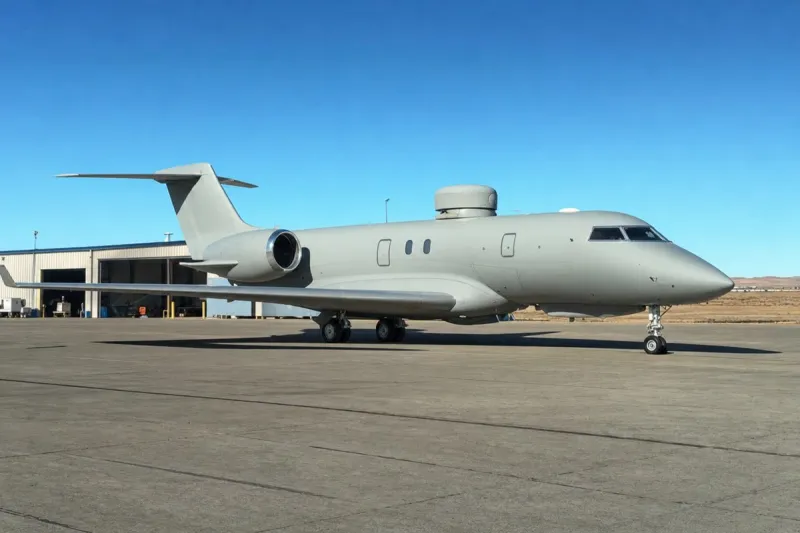
The Global 7500 is a long-range business jet, of which more than 250 have been built since 2016. It is powered by two General Electric Passport 20 jet engines.
The OVV has now instructed the European Union Aviation Safety Agency (EASA) and the US Federal Aviation Administration (FAA) to make the fuel line replacement mandatory for Global 7500 users. General Electric had previously informed operators of the problem, introduced a new design for the construction of the engines, and advised customers to replace the fuel lines on the engines with the most flight hours. In light of the serious incident at Schiphol, the OVV considers these measures too non-binding.
OVV deputy chair Erica Bakkum said: "We are positive about the corrective measures the manufacturer has taken, but they are not mandatory. To be sure the measures are actually carried out, we are calling on the aviation regulators to make the corrective measures mandatory."
How it unfolded
The OVV instructs EASA and the FAA to make the fuel line replacement mandatory.
General Electric reports the same defect on eight other aircraft, informs operators, introduces a new engine design and advises replacing fuel lines on engines with the most flight hours.
Inspection at Schiphol finds a small hole in a fuel line.
A VistaJet Global 7500 (9H-VISTA) departs Schiphol for Toulouse with no passengers on board; a fire breaks out in one engine shortly after departure and the aircraft makes an emergency landing.
Industry impact & what to watch
The OVV's position draws a line between a manufacturer's advice and a regulator's requirement. General Electric's steps, which cover notifying operators, a revised design and a recommendation to replace lines on the highest-hour engines, depend on each operator choosing to act and on how it reads which engines count as highest-hour. A mandatory measure removes that discretion and applies to the whole fleet at once.
For operators, a binding requirement changes the cost and scheduling picture. Voluntary replacement can be sequenced around maintenance windows and fleet availability, while an airworthiness requirement sets a deadline and applies equally to every owner and charter operator of the type.
The next milestone is whether EASA and the FAA act on the OVV's instruction and what scope and timeline any resulting requirement carries. Its scope would settle which engines must be changed and on what schedule.