Kolb Twinstar Makes Forced Landing in Pickens County, Georgia Field After Engine Trouble; Two Aboard Suffer Minor Injuries
Why It MattersLight-aircraft forced landings near schools show how a pilot's choice of landing site decides the outcome, while the federal investigation timeline means any cause finding lies months or years away.
What happened
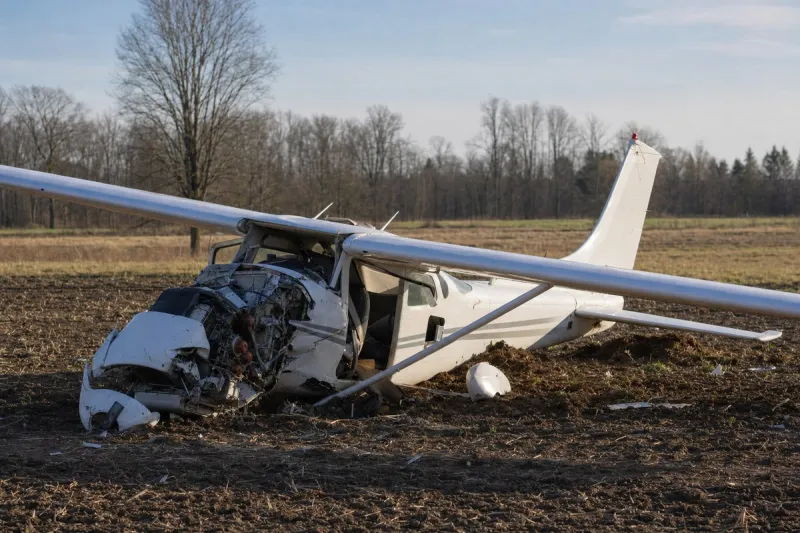
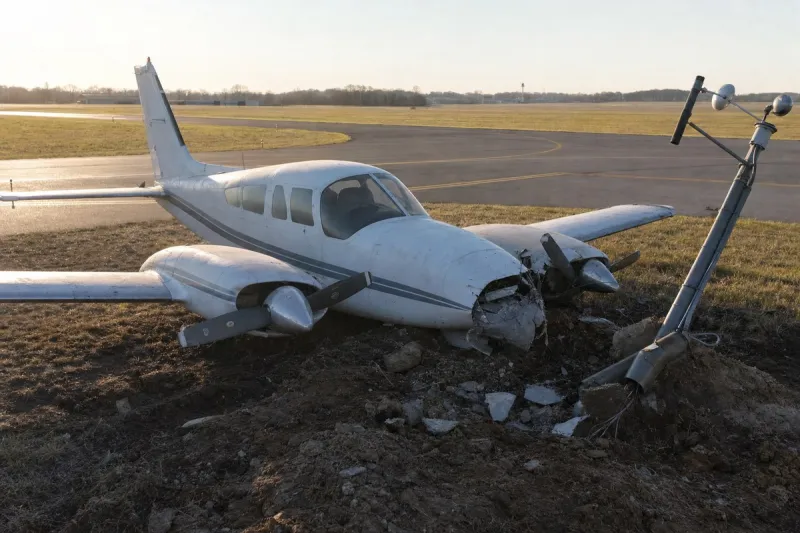
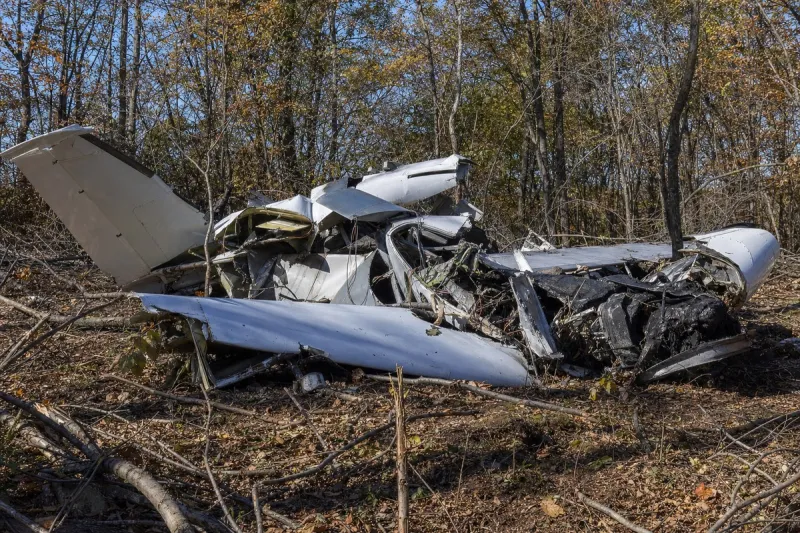
A Kolb Aircraft Company Twinstar made a forced landing in a Pickens County, Georgia, field near Jasper on Monday afternoon after the pilot reported engine trouble. The pilot and co-pilot, the two people aboard, suffered minor, non-life-threatening injuries and were taken from the scene for medical evaluation and treatment.
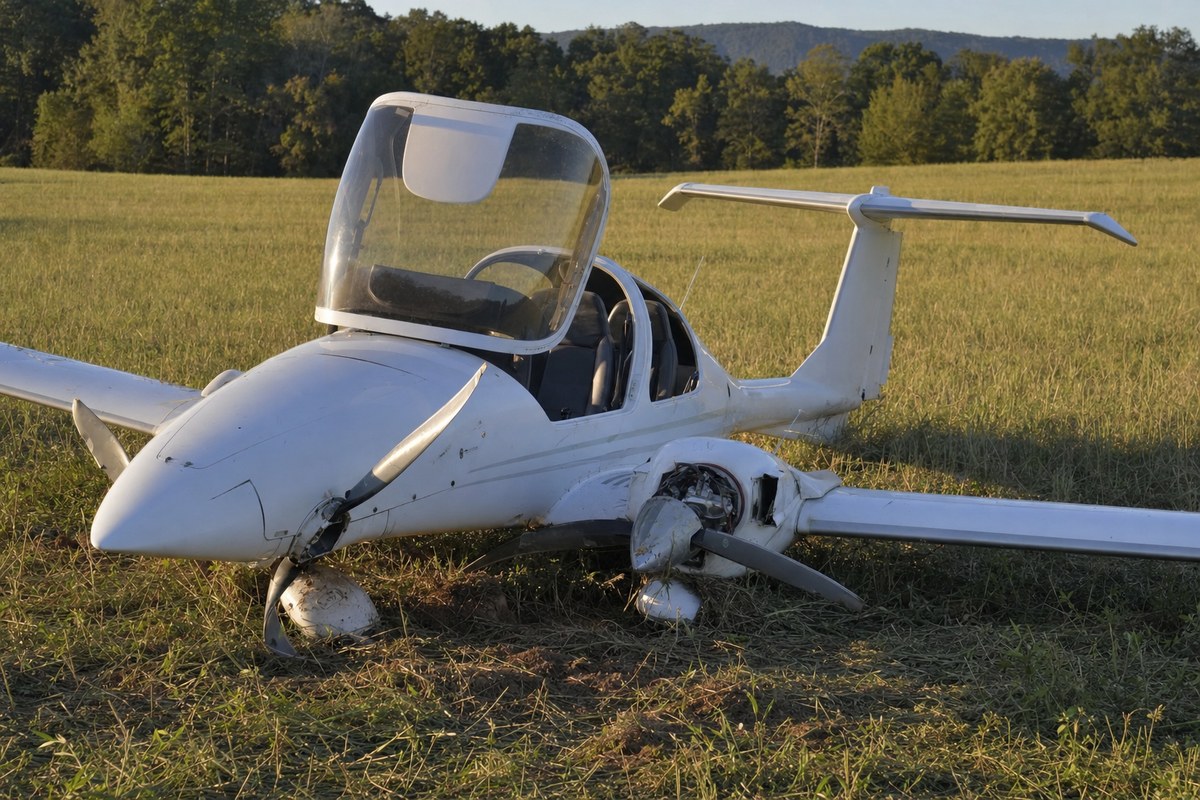
Deputies with the Pickens Sheriff's Office and Pickens Fire and EMS responded to a call about a downed aircraft at around 1:40 p.m. They found the aircraft resting inverted in a large open field near Highway 53 West and Woodstock Church of Jasper. Pickens Sheriff's Office Capt. Chris Leake said the pilot steered away from nearby Hill City Elementary School and landed in the open field instead, and thanked the pilot for recognizing the emergency and choosing a safe area.
The National Transportation Safety Board (NTSB) confirmed it has opened an investigation, and the Sheriff's Office turned the scene over to the Federal Aviation Administration and the NTSB. Investigators are examining the pilot, the aircraft and the operating environment, and are gathering flight track data, recordings of any air traffic control communications, aircraft maintenance records and details of the pilot's license, ratings and recent flight experience.
The cause of the engine trouble has not been determined, and the names of the two occupants have not been released. Witnesses or anyone with surveillance video or other relevant information are asked to contact the NTSB.
Industry impact & what to watch
Engine-trouble forced landings in light aircraft are decided in the last few hundred feet, and the outcome here turned on where the pilot put the aircraft down. Landing in an open field rather than near the nearby elementary school is the kind of decision that separates a minor-injury event from a far worse one, and it is the point the Sheriff's Office chose to stress.
The investigation will follow the standard NTSB sequence. The material points to a preliminary report within 30 days, while a final report on probable cause typically takes 12 to 24 months. Until then, the cause of the engine trouble stays undetermined, and the maintenance records and pilot experience details being gathered are the items that would eventually speak to it.
The next dated milestone is that preliminary report, which would set out the factual record gathered so far without assigning probable cause.