Russia Imposes Temporary Flight Restrictions at Sochi and Nizhny Novgorod Airports
Why It MattersShort-notice, rolling airport closures of this kind mean schedule reliability in the region depends on how quickly restrictions are lifted rather than on any fixed timetable, forcing flight planning to stay flexible.
What happened
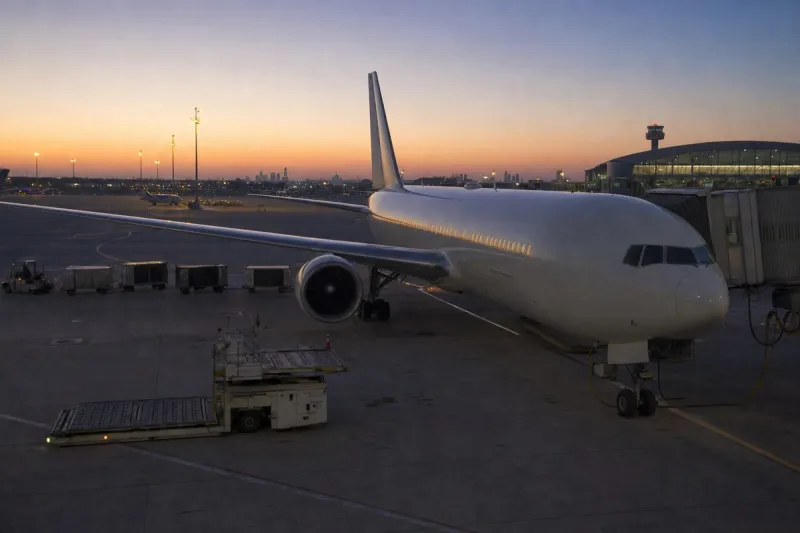
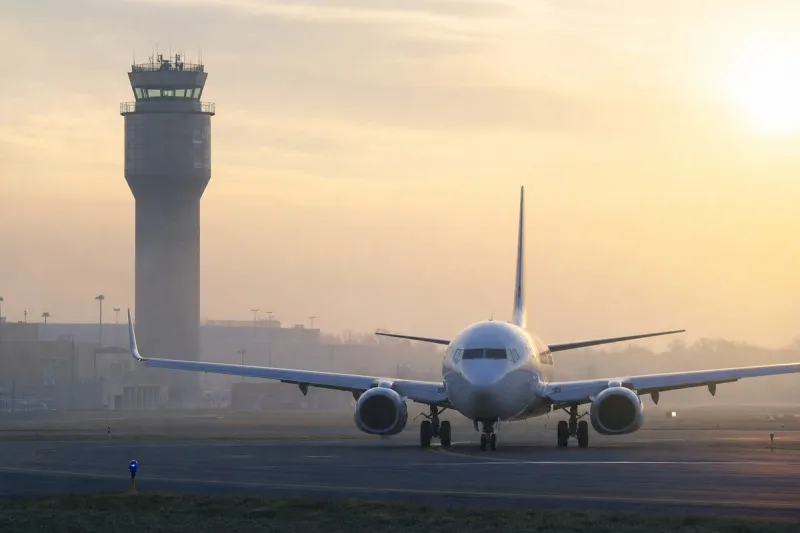
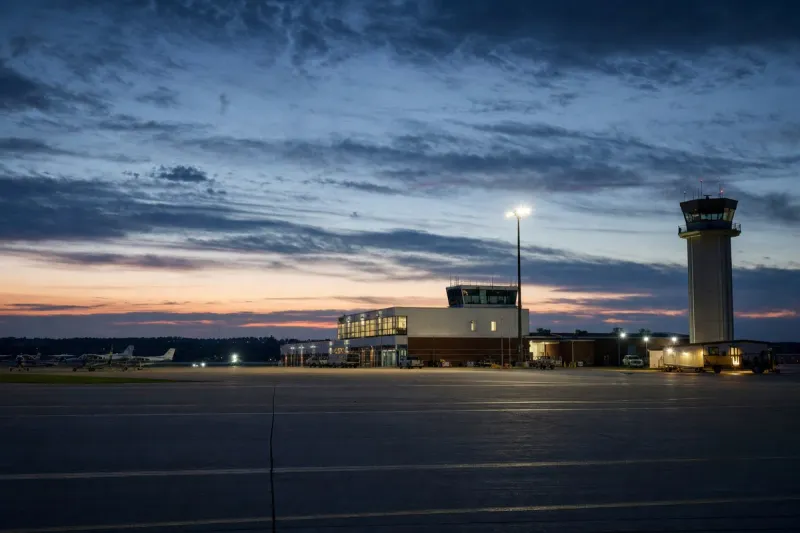
Russia imposed temporary flight restrictions at Sochi and Nizhny Novgorod airports on Monday. Rosaviatsia, the Federal Air Transport Agency, said temporary restrictions on the reception and release of aircraft were introduced at Sochi airport.
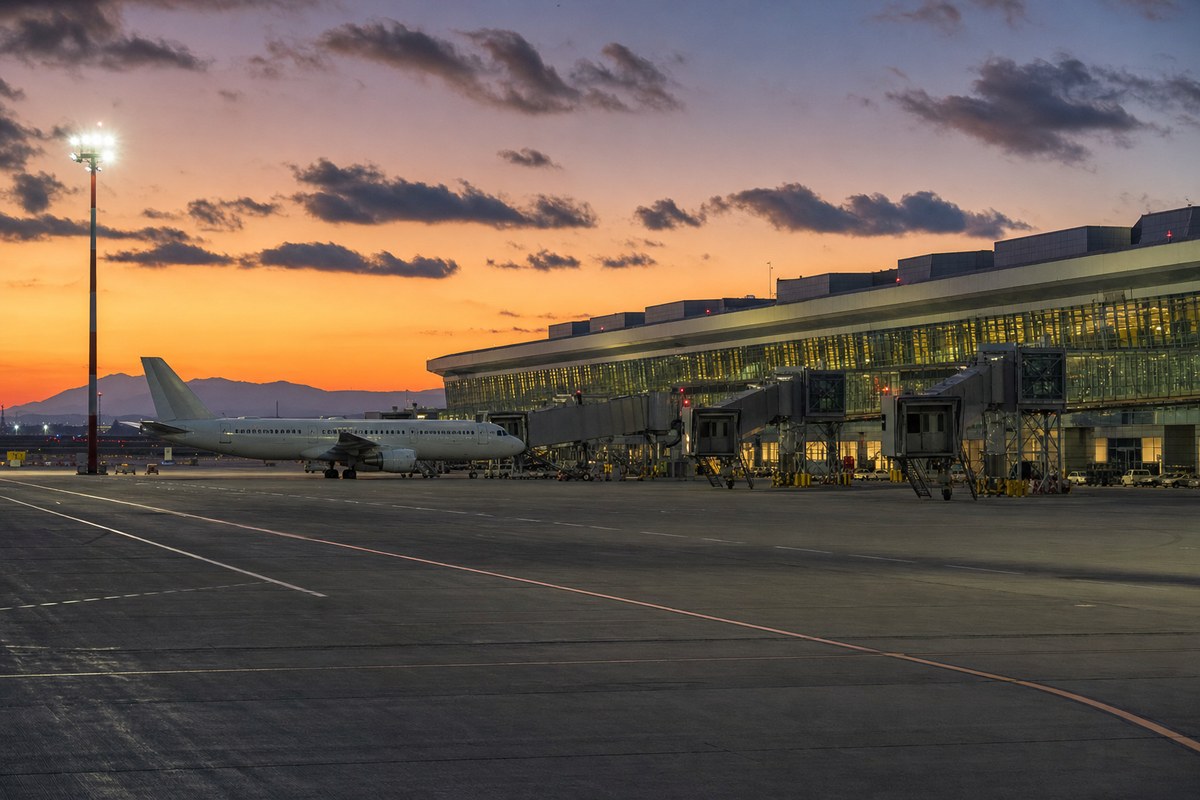
At the same time, the agency lifted restrictions it had introduced earlier, among them those at Moscow's Vnukovo Airport. Rosaviatsia announced the removal of limits on the reception and issuance of aircraft there, and the airport returned to normal operations.
The restrictions on Moscow-area airspace had been introduced in coordination with the relevant authorities.
Industry impact & what to watch
Restrictions on receiving and releasing aircraft are applied and withdrawn at individual airports within the same day, as Monday's announcements show: new limits at Sochi and Nizhny Novgorod alongside the lifting of earlier ones at Vnukovo. For operators flying into or through these airports, the practical planning unit is therefore the single movement, not the day or the route.
In a pattern like this, the cost to charter and corporate flights comes mostly from uncertainty about how long a restriction lasts, since diversions, repositioned aircraft and crew duty limits are all driven by that duration. A restriction that clears within hours is a delay; one that persists forces rerouting to alternate airports.
The next point to follow is when Rosaviatsia announces the lifting of the Sochi and Nizhny Novgorod restrictions, since that is the signal that normal acceptance of aircraft has resumed at those two airports.