EASA Gulf Conflict-Zone Bulletins Run to November 16 as Jordan Avoidance, Airline Suspensions and El Nino Shape Flight Planning
Why It MattersOpen-but-conditional Gulf airspace shifts the burden of proof to operators, whose route, fuel and insurance planning must now absorb advisory-driven risk rather than wait for formal closures.
What happened
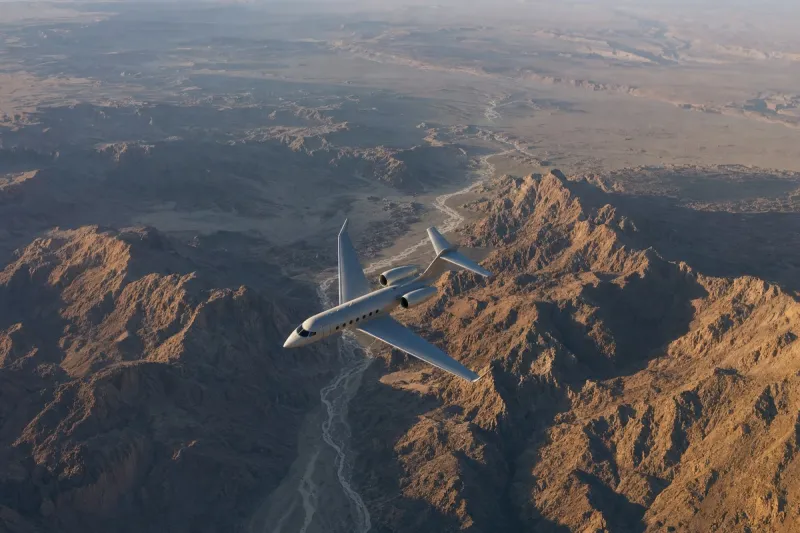
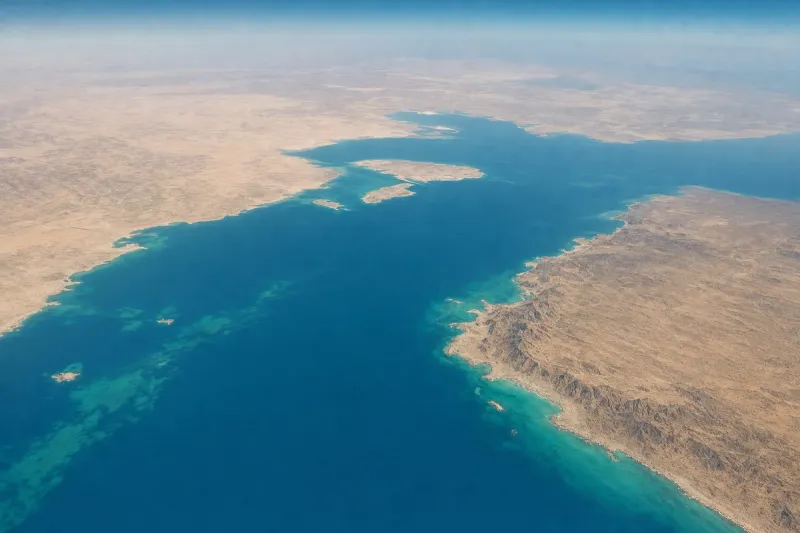
The European Union Aviation Safety Agency's conflict-zone bulletin CZIB-2026-07R3 remains active over the United Arab Emirates, Bahrain, Kuwait, Qatar and Oman, extended to November 16. Separate EASA bulletins covering Iran, Saudi Arabia and the wider Persian Gulf and Gulf of Oman carry the same November 16 validity unless reviewed earlier. They are advisories asking operators to weigh security risk, not closures.
Jordan is treated differently: EASA advises against operating within Jordanian airspace at any altitude, and Wizz Air has confirmed its Amman services are affected. Iraq restricted its airspace between November 7 and 11, a window that has passed. At APG World Connect in Monaco on November 5, aviation leaders heard that geopolitical risk now affects more than 1,000 flights worldwide every day through route changes, suspended services and higher costs.
Scheduled capacity is shrinking. Etihad has cancelled all Abu Dhabi services to Riyadh and Dammam until November 19, flydubai has suspended Riyadh and Abha through November 16, Lufthansa Group has extended its Dubai suspensions into March, and the Incheon-Dubai route is suspended until further notice. Formula One will finish the 2026 season in the Middle East, with Qatar on November 27 to 29 and Abu Dhabi on December 4 to 6, after dropping Imola as a contingency venue; Saudi Arabia and Bahrain were cancelled earlier, with Bahrain relocated to Malaysia in October.
On fuel and shipping, Iranian attacks on vessels in the Strait of Hormuz continue near-daily despite US escorts, lifting shipping costs to around 30 dollars a barrel from roughly 5 dollars before the war. A recovery in Hormuz flows has Middle East producers cutting prices and tipping crude toward oversupply. IATA projects Middle Eastern airlines swinging from a 7.2 billion dollar net profit in 2025 to a 4.3 billion dollar net loss in 2026, attributed to Gulf airspace closures following strikes on Iran from February 28.
Restrictions beyond the Gulf
Restricted airspace now covers 50 British defence sites, with the Ministry of Defence expecting a further 170 to be added in December 2026. Russian airports imposed roughly 3,594 flight restrictions between January and October 2026 amid Ukrainian drone attacks. Jersey has seen drone disruption, and GNSS interference continues to be reported.
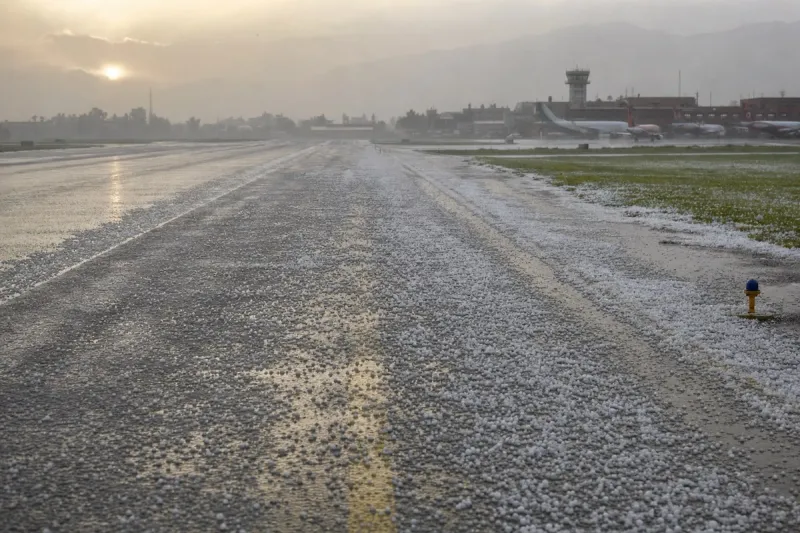
Weather is adding a separate planning layer. Copernicus recorded a record monthly average sea surface temperature of 29.94C in the Nino 3.4 region in October, and the World Meteorological Organization forecasts an anomaly of 3.8C above normal for November 2026 to January 2027, peaking around December.
Indonesia's BMKG recorded 358mm of rain in East Java, 300mm in Bali, 167mm in Aceh and 101mm in West Kalimantan in early November, with winds to 35 knots in Lampung. Copernicus also notes wetter than average conditions and flooding across Alaska, the southern United States, northern Mexico and central Asia.
Industry impact & what to watch
The Gulf picture shows how advisory-based airspace management works in practice. EASA bulletins do not close anything, yet airline suspensions, a Jordan avoidance recommendation and Formula One venue changes show the market reacting well ahead of any formal closure. For private and charter operators, the practical status is open but conditional, and the conditions are set by insurers, crews and aircraft owners as much as by regulators.
Cost is the second channel. Shipping costs of around 30 dollars a barrel against roughly 5 before the war, combined with an IATA projection of a 4.3 billion dollar net loss for Middle Eastern airlines in 2026, point to a region where carriers are retrenching on marginal routes. Fewer scheduled seats on Saudi and Dubai sectors tends to push demand toward charter, though that same demand arrives with higher operating and risk costs.
The dates already in the record mark the next decision points: the November 16 bulletin expiry, Etihad's November 19 resumption date, the Qatar Grand Prix weekend on November 27 to 29 and the Abu Dhabi weekend on December 4 to 6. El Nino's expected December peak and the further 170 British defence sites due in December extend the same planning window into winter.