NBAA Safety Committee Group Issues Resource on Procedural Non-Compliance as Studies Link It to Majority of Accidents
Why It MattersProcedural discipline is treated as a trainable, observable behavior rather than a character trait, which moves flight-department safety management toward spotting early markers before a deviation from SOPs occurs.
What happened
The Professionalism Working Group of NBAA's Safety Committee has developed a resource to help operators learn the markers of procedural non-compliance (PNC) and mitigate its risks. The announcement carried a 2015 date.
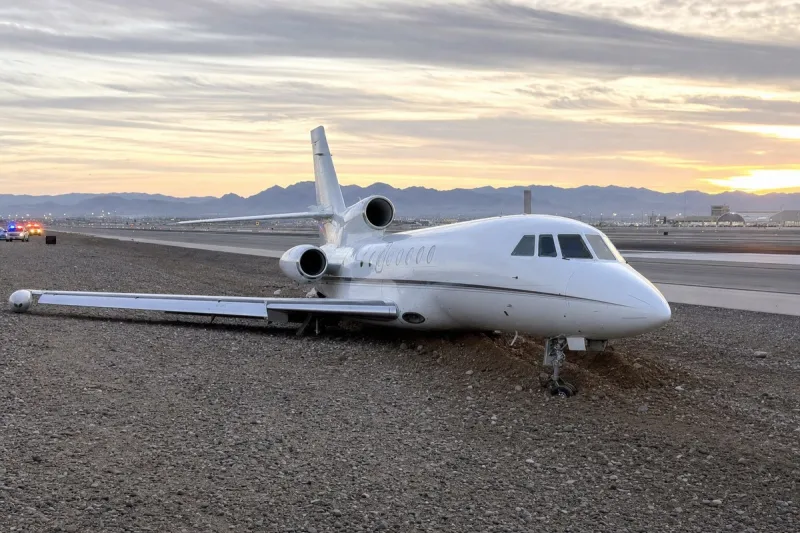
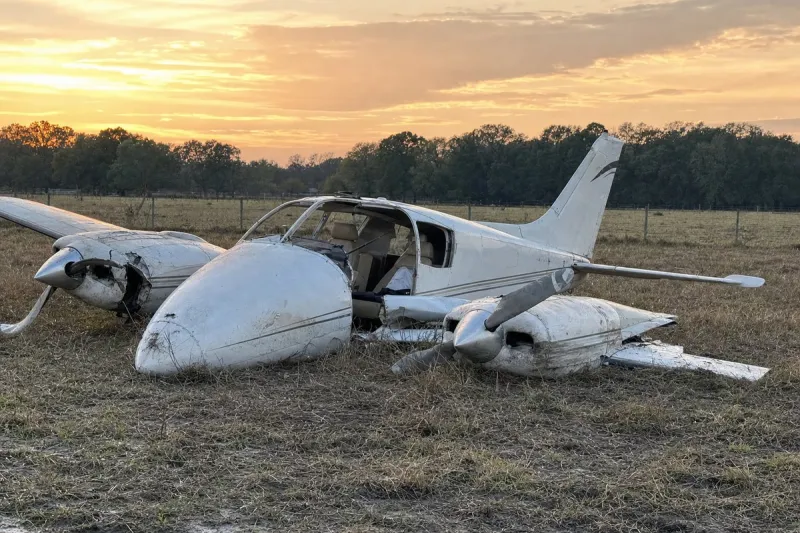
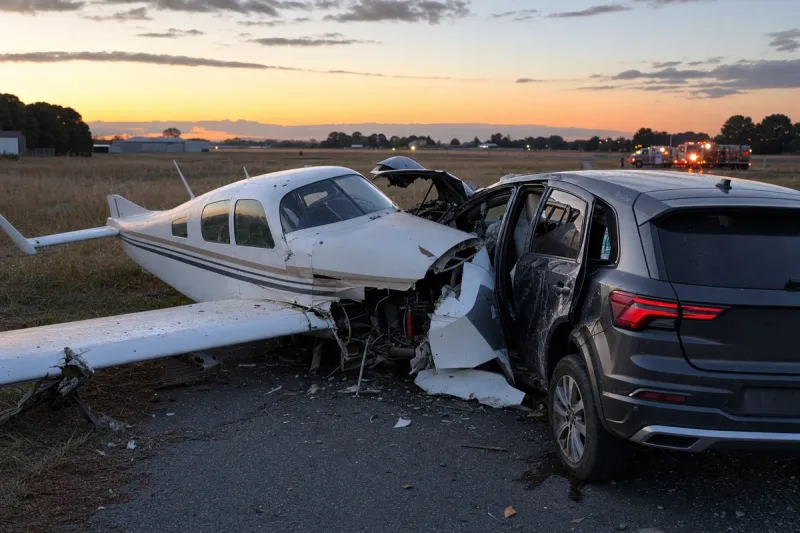
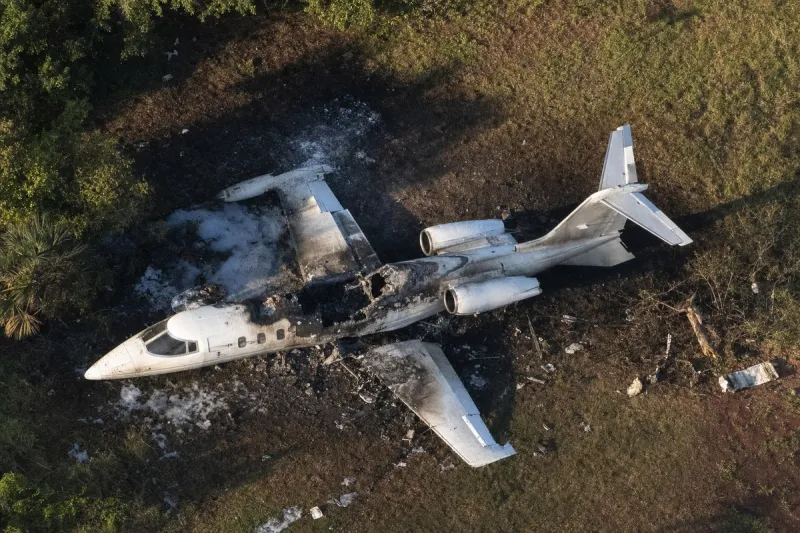
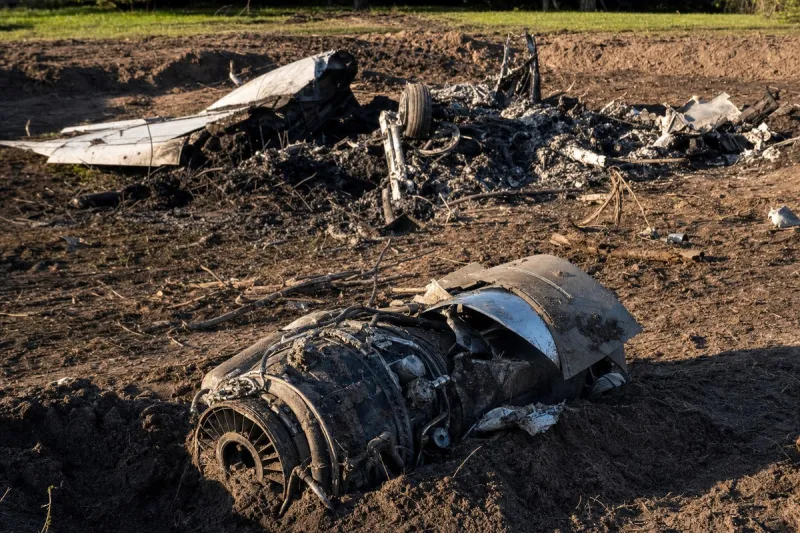
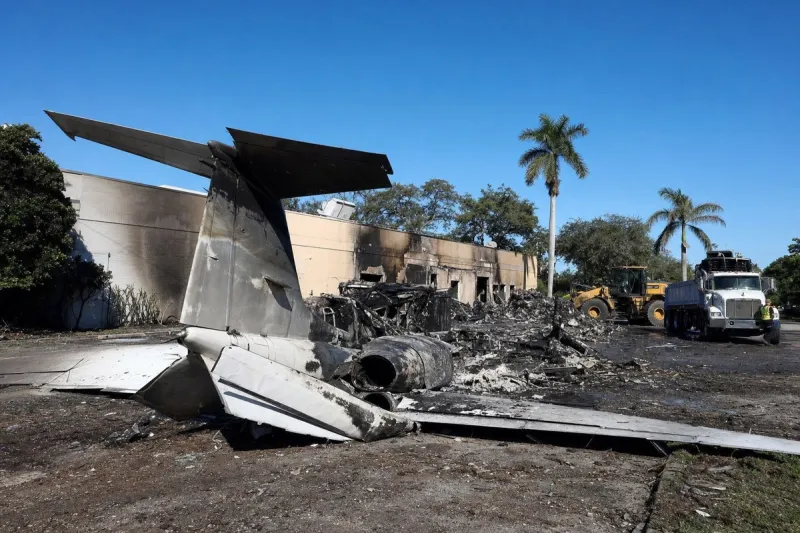
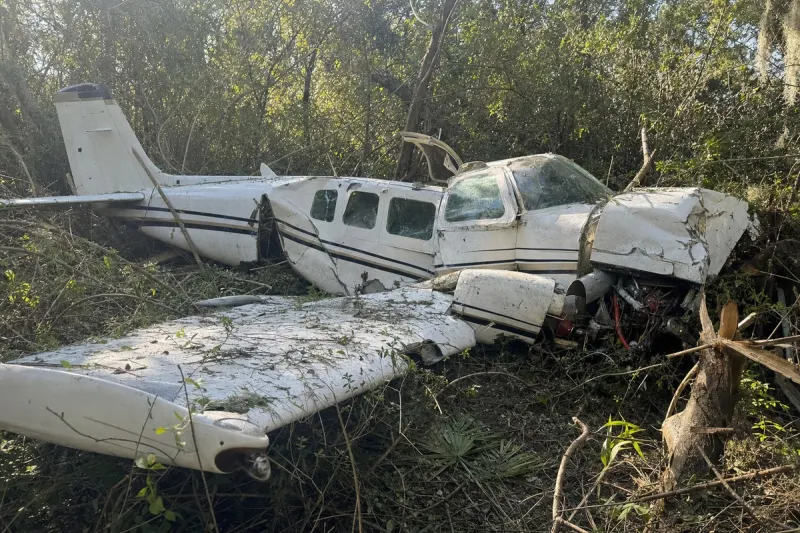
Several studies tie procedural non-compliance to aircraft accidents. Human factors experts reviewing worldwide accidents found intentional crew non-compliance was a factor in 40 percent of them, and concluded such accidents would not have occurred had crews maintained standard operating procedures (SOPs) at all times. An NTSB survey of accidents from 1978 to 1990 in which procedural non-compliance was a factor found that errors such as not making required callouts or failing to use appropriate checklists were a causal factor in 29 of 37 accidents (78 percent).
Line operational safety audit (LOSA) data compared crews that followed SOPs with crews that intentionally deviated. Crewmembers who deviated made three times more errors on average and found themselves in more undesired aircraft situations.
Unprofessional behavior by flight crewmembers has been shown to distract crews from primary flight-related duties. One example is non-adherence to sterile cockpit procedures through non-pertinent conversation. Crews who learn to recognize the markers of procedural non-compliance can correct unprofessional behavior before it leads to a deviation from SOPs.
Industry impact & what to watch
The studies cited share one feature: the accident-linked behavior is usually not a lack of skill but a departure from a procedure the crew already knew, such as a skipped callout or an unused checklist. That shapes how flight departments can manage it. Callout and checklist discipline can be observed and coached, which is why a resource built around markers fits the problem better than another round of procedural rewrites.
The LOSA comparison matters for a second reason. Crews that deviated made three times more errors on average and ended up in more undesired aircraft situations, so non-compliance compounds other risk rather than sitting beside it. For a segment where small crews fly varied missions with limited cross-checking, a drift away from SOPs tends to be visible first in conduct, such as off-topic conversation in the sterile cockpit phase, before it appears in flight data.
The working group's resource is the practical test of this approach. Its value will show in how flight departments fold marker recognition into recurrent training and in-house safety audits, and whether the observed deviation rates move.