Arkansas-based firm buys Bun Air Corp., the Bedford County Airport FBO, from Jim and Jennifer DeLong
Why It MattersSmall-airport FBO changes of hands can shift services and landlord relations overnight, and an airport authority's leverage rests on hangar space, ground leases and rent more than on any single tenant's offerings.
What happened
An Arkansas-based company has bought Bun Air Corp., the fixed-base operator at Bedford County Airport in Pennsylvania, from former owners Jim and Jennifer DeLong, according to Tom McInroy, chair of the county's Airport Authority Board of Directors. The company kept the Bun Air Corp. name and took over operations on Sept. 1, with Jordan Looney as the new general manager. The DeLongs could not be reached for comment.
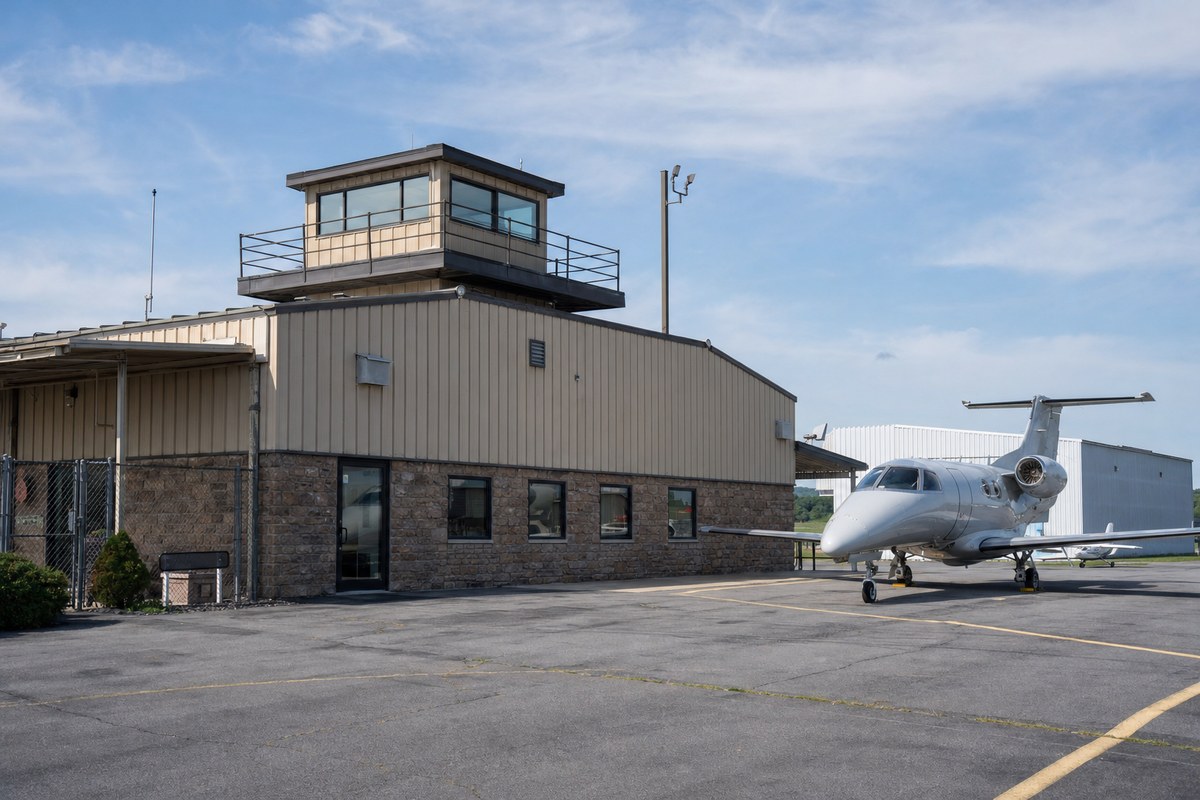
At the Airport Authority's budget meeting with county commissioners last Friday, airport manager Jim Veach said the county's pilot training program was liquidated because the new FBO was not interested in offering it. Veach said that, apart from the flight school, nothing is changing as far as he understands, and the airport could potentially grow under the new FBO. McInroy said the board has tried to meet with the new operator for two months, but its representatives are rarely on site and have missed several recent meetings.
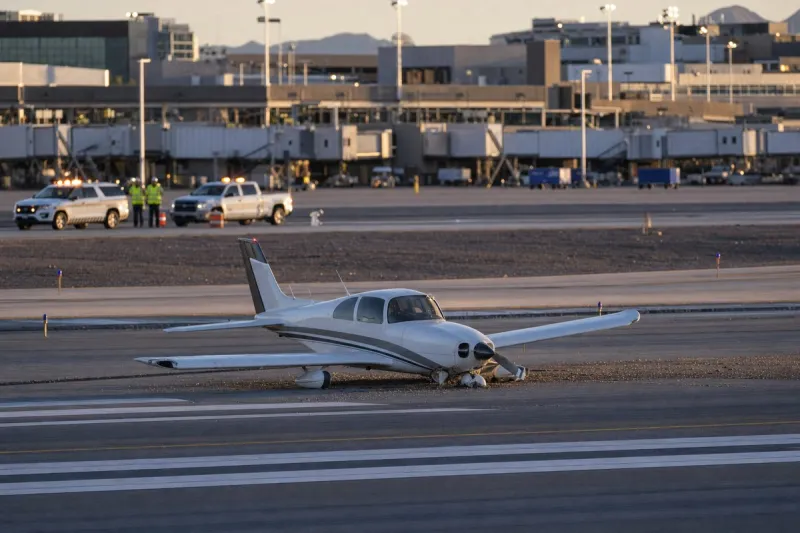
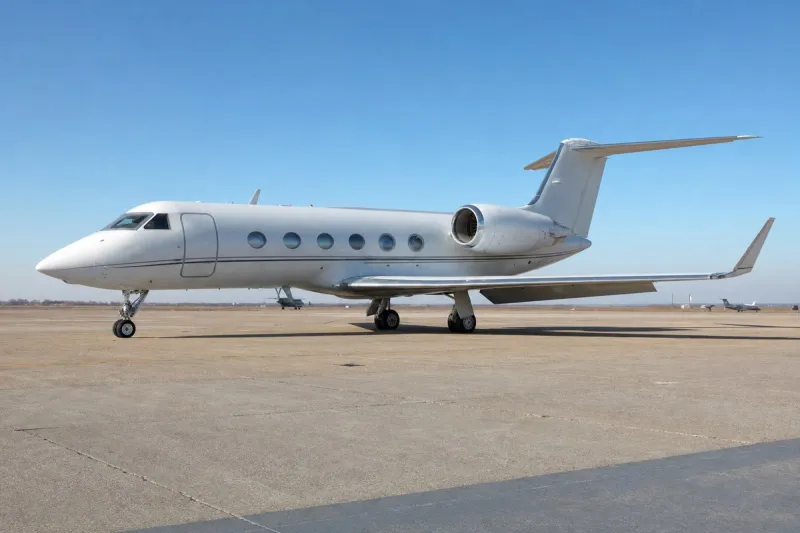
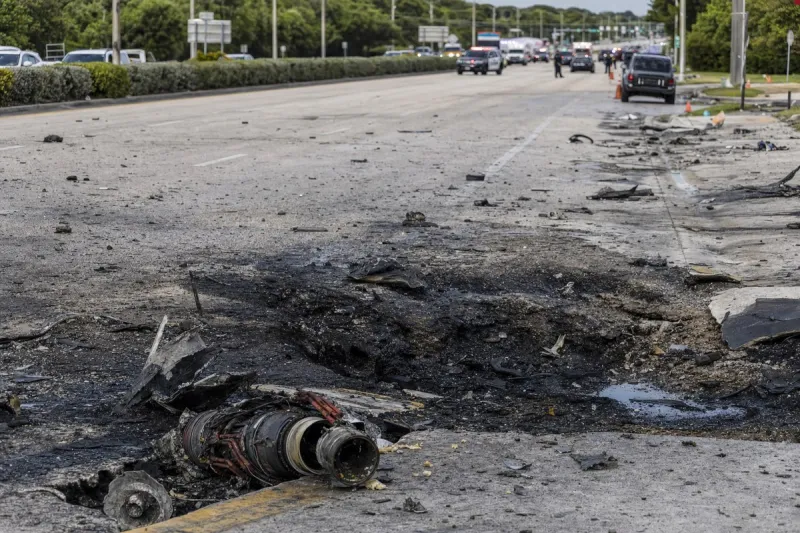
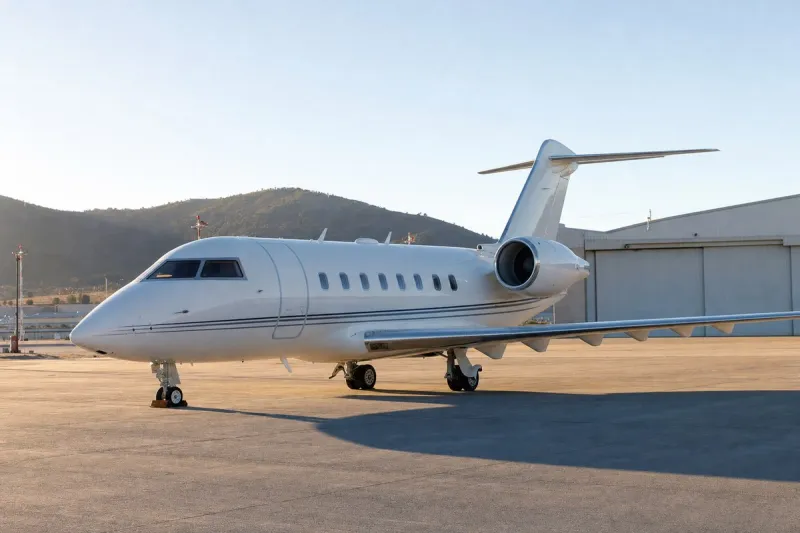
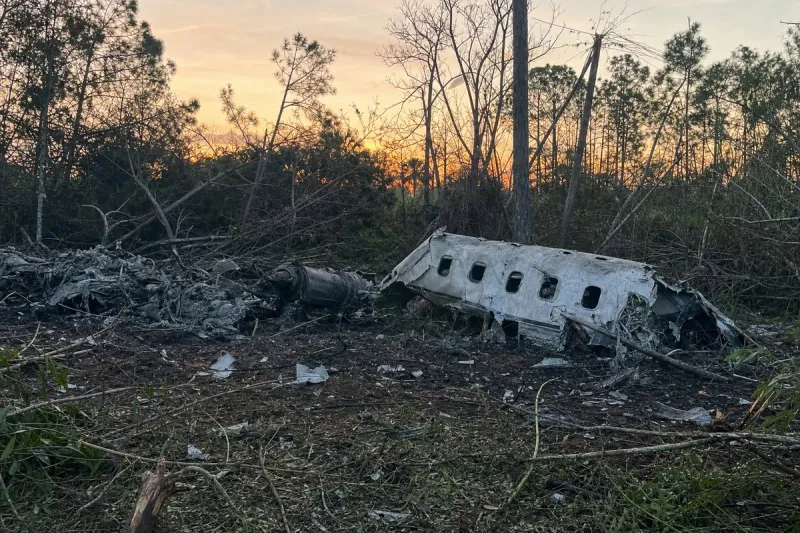
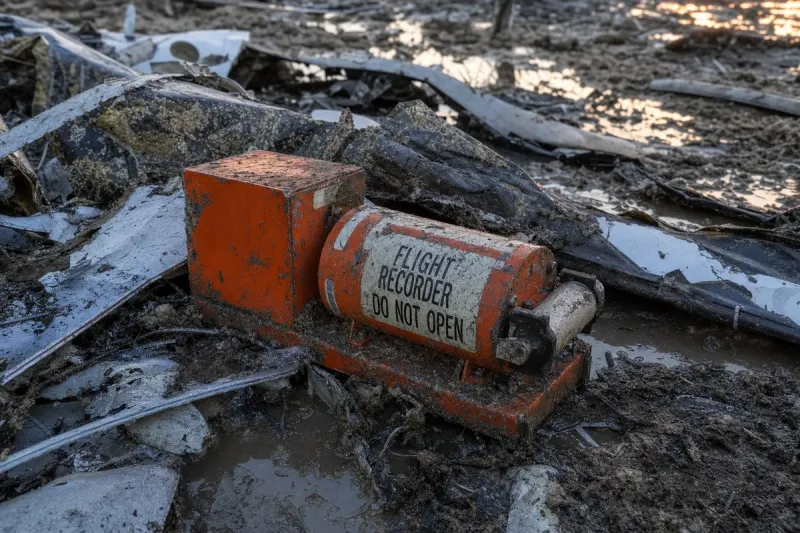
Veach said the new FBO owned the private jet that crashed on Oct. 11 in an empty field after takeoff. He said the plane was sold to Bun Air Corp., and the investigation is ongoing. McInroy said the loss of the jet cost the airport about $517 in rent plus fuel sales.
On finances, McInroy said that since 2022 the authority has saved $125,000 in reserves while working down an inherited $1.6 million deficit from the previous board. The county currently gives the authority $45,000, and a budget spreadsheet will be provided to commissioners working on the 2027 county budget. According to the state department of transportation, the airport generates a total economic impact of nearly $8.5 million annually.
Hangar demand and a possible new tenant
Veach said PJ Helicopters Inc. of California is considering building a maintenance facility for its truck fleet and aviation business. Discussions are preliminary, and the company would build it itself.
The airport is at hangar capacity, so it is looking at self-funding or leasing ground so others can build. McInroy said a hangar can cost $7 million to build, and companies that build would pay rent to the airport, which would eventually own the hangars and lease them. Veach said the airport could accommodate several new hangars.
Industry impact & what to watch
A sale of the FBO at a small public-use airport changes more than the name on the lease. The FBO typically supplies the fuel, the line service and the tenant-facing activity, such as training, that keeps an airport's rent and fuel revenue moving. Here the one visible change so far is the loss of the flight school, which shows that a new owner's commercial priorities can remove a service the airport authority had counted on, without the authority having a say.
The authority's position at this field rests on its own assets: ground it can lease and hangars it will eventually own. With hangars full and a prospective tenant willing to build at its own cost, ground leasing is the lever that adds revenue without depending on the FBO's choices. The $517 monthly-scale loss from one aircraft is small against the budget figures, but it illustrates how thin the margin is when a single based jet accounts for both rent and fuel sales.
The next point to settle is the relationship between the board and the operator: whether Bun Air Corp.'s representatives attend the meetings the board is seeking, and what the investigation into the Oct. 11 crash concludes.