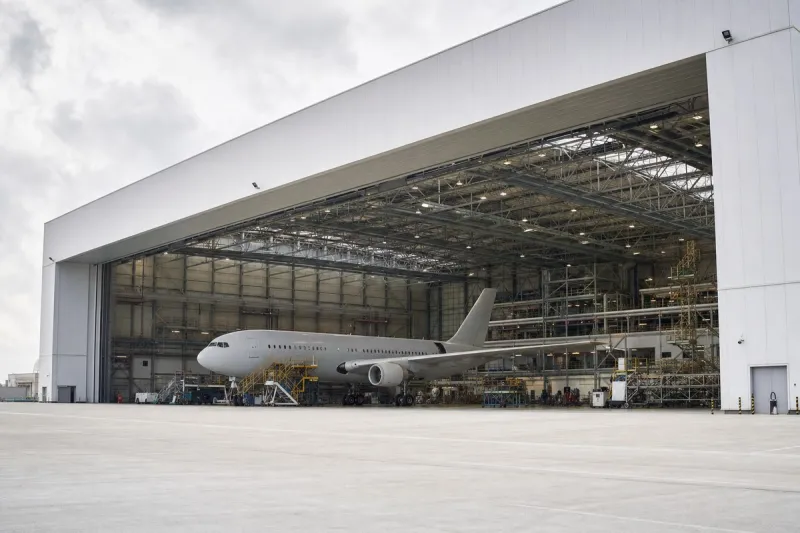
Aircraft Icing Remains a Major Aviation Weather Hazard as Investigators Examine Fatal Florida Crash
Why It MattersThe crash puts in-flight icing back on the safety agenda, bringing deicing and anti-icing procedures and crew weather monitoring into renewed focus for operators flying through winter conditions.
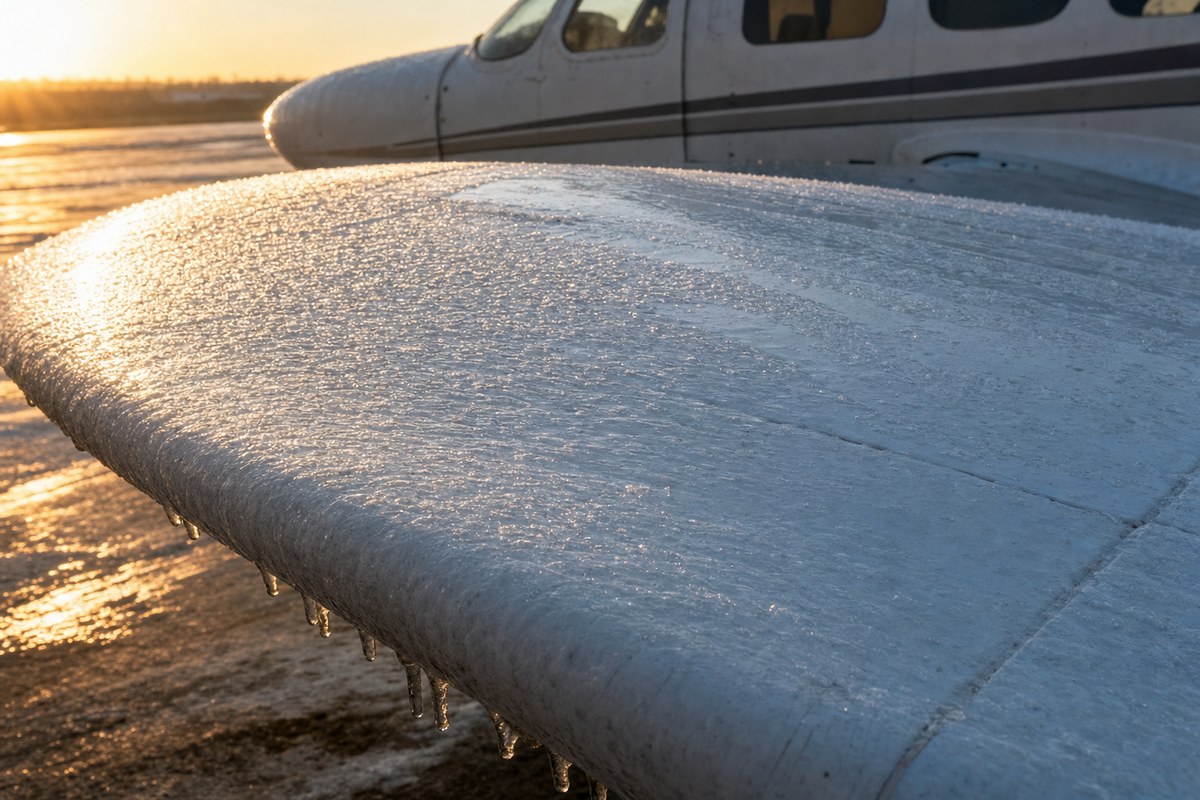
Aircraft icing is one of the major weather hazards to aviation, according to the Federal Aviation Administration (FAA). Ice forms in flight when aircraft surfaces collide with supercooled water droplets, which stay liquid despite temperatures below freezing, according to NASA. The buildup adds weight and drag while reducing lift and thrust, making it harder to hold altitude and speed, and it can also impair engine performance and interfere with flight instruments, communications and control systems.
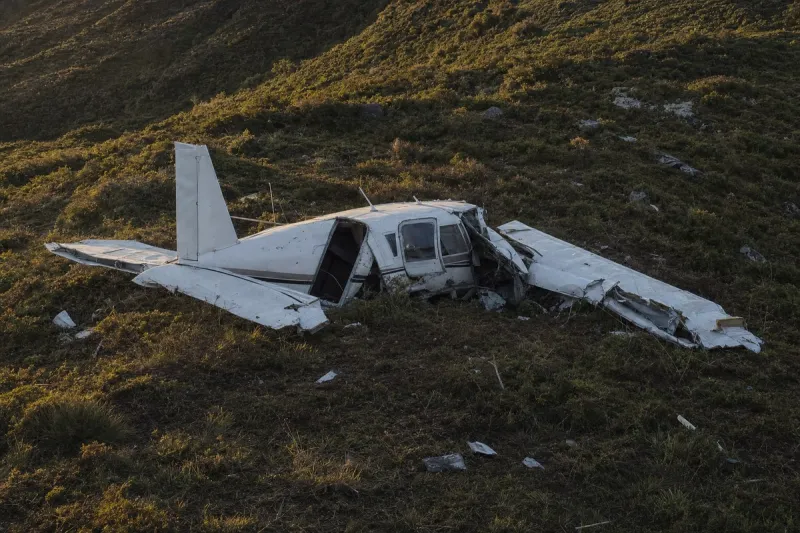
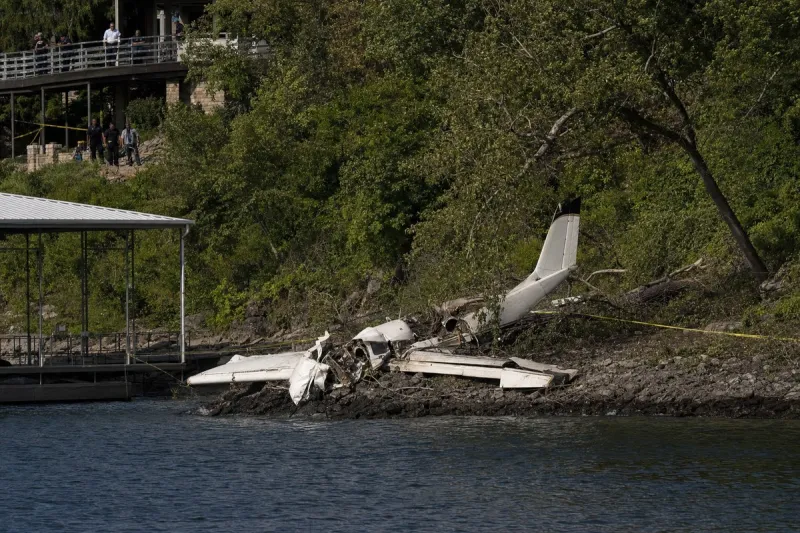
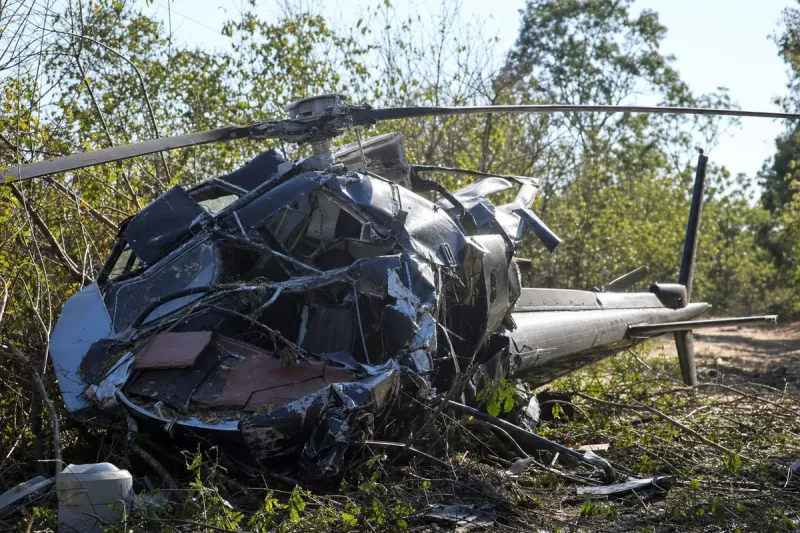
The topic gained attention after a plane carrying nine people crashed in Palm Beach County, Florida, on Sunday, Nov. 1, killing everyone on board. The cause remains under investigation, and investigators are examining whether weather conditions contributed. The crew reported icing conditions and moderate turbulence before the crash.
The FAA says some of the most severe icing occurs above ridgetops on the windward side of mountains and can extend roughly 5,000 feet above the peaks. The main types are clear ice, rime ice and mixed ice. Clear ice forms when larger droplets spread across a surface before freezing into a smooth layer, which the FAA calls particularly dangerous because it is hard, heavy and difficult to remove with deicing equipment. Rime ice forms when smaller droplets freeze almost immediately into a rough, white or frost-like layer that is generally lighter but can significantly reduce lift and increase drag.
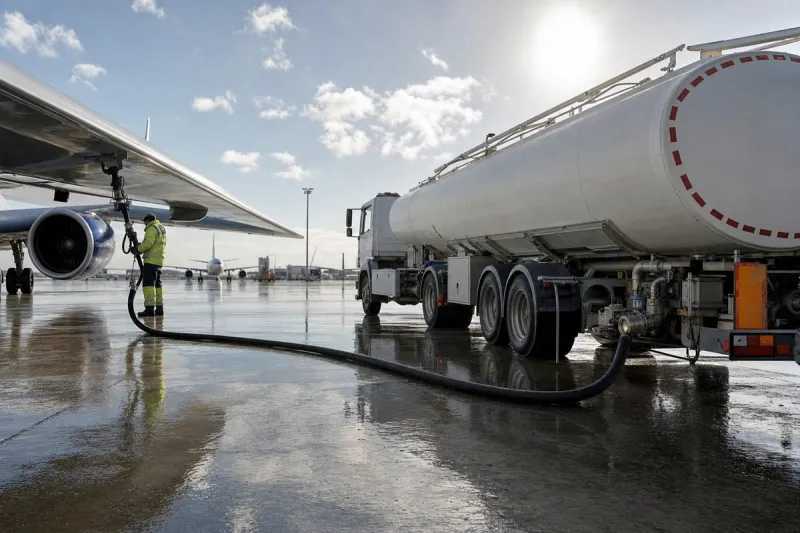
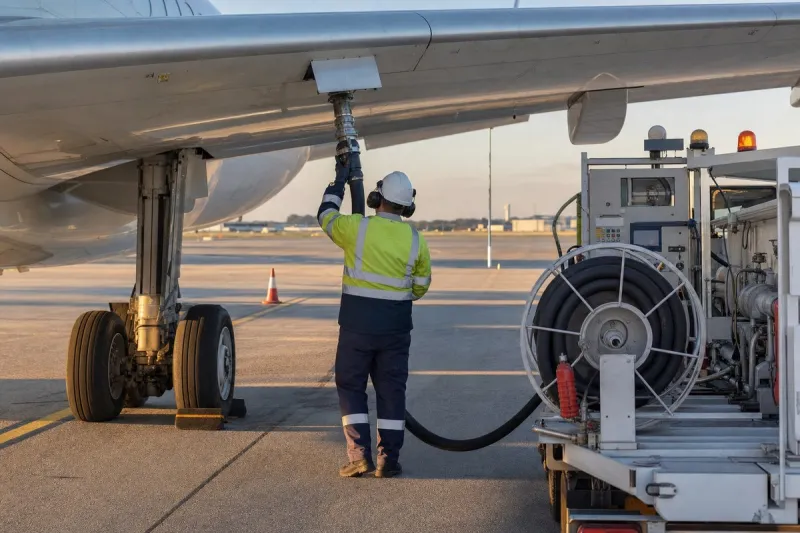
Ground crews typically spray aircraft with heated deicing fluids to remove existing ice, and anti-icing fluids may be applied to help prevent more from forming before takeoff. In flight, crews should monitor temperatures and weather conditions and take precautions if icing develops; at night they can use high-intensity flashlights to inspect surfaces for ice. Even a thin layer of ice can compromise aerodynamic performance.