EASA Says GNSS Interference Has Risen in Middle East; Revised Safety Bulletin Issued 3 July 2026
Why It MattersRising GNSS interference in the Middle East and Mediterranean puts pressure on operators to strengthen crew training and contingency routing, while travellers face higher risk of diversions and missed connections.
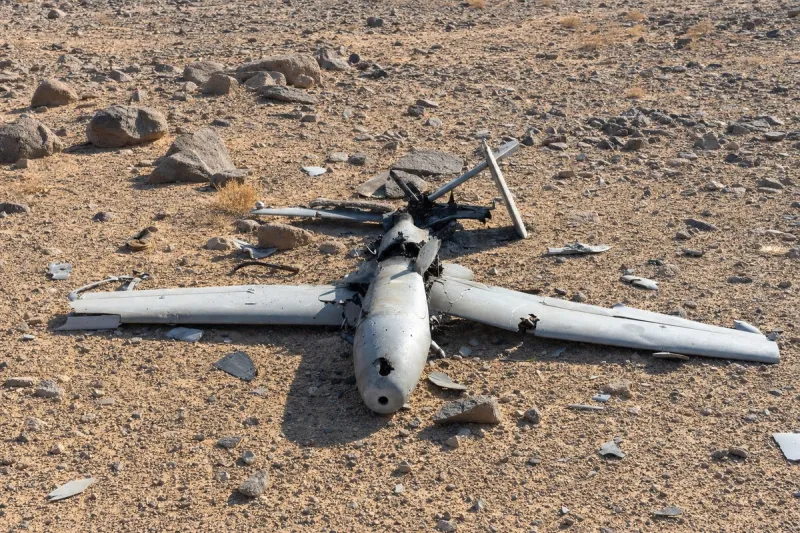
A traveller guide published by Global Traveller on 3 November 2026 explains how interference with satellite navigation signals can affect flights through Middle Eastern airspace. GPS is one of several satellite systems collectively known as the Global Navigation Satellite System (GNSS), which aircraft use alongside other equipment to determine position. Interference takes two main forms: jamming, which disrupts reception of satellite signals and makes them unavailable or unreliable, and spoofing, which uses false signals that can cause a receiver to calculate incorrect position or timing information.
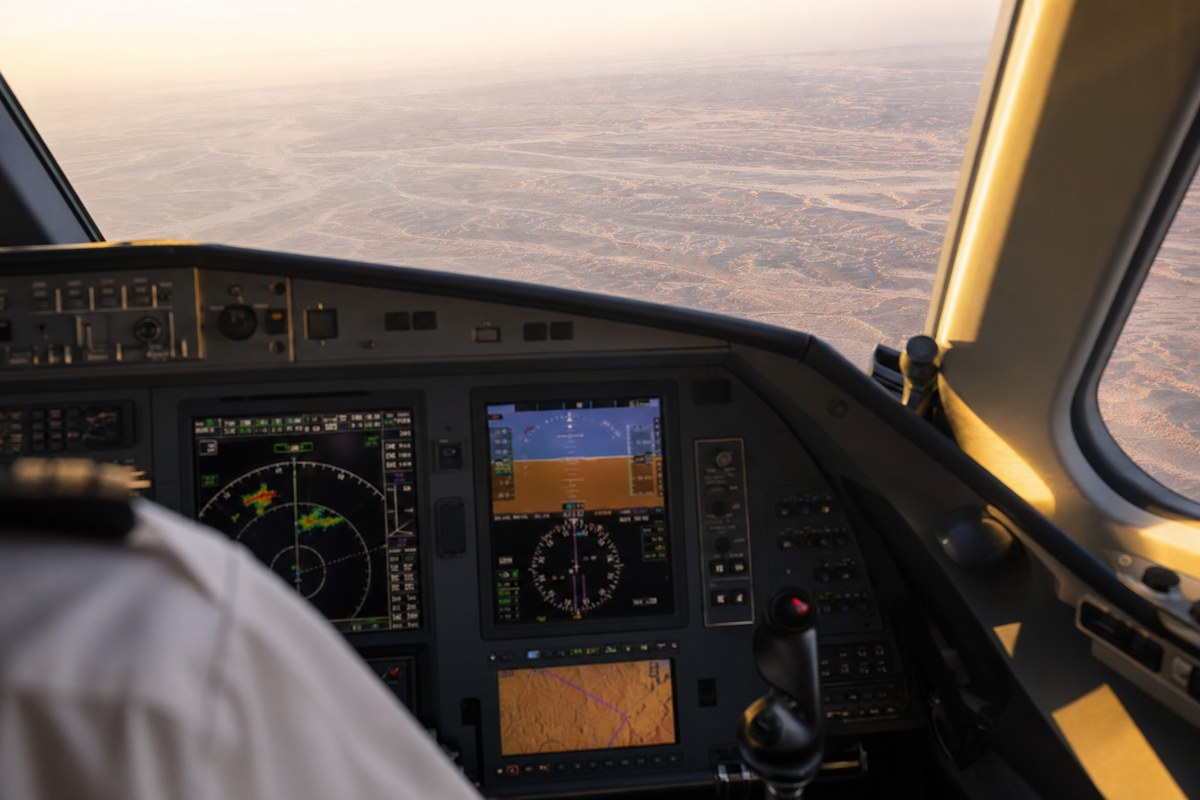
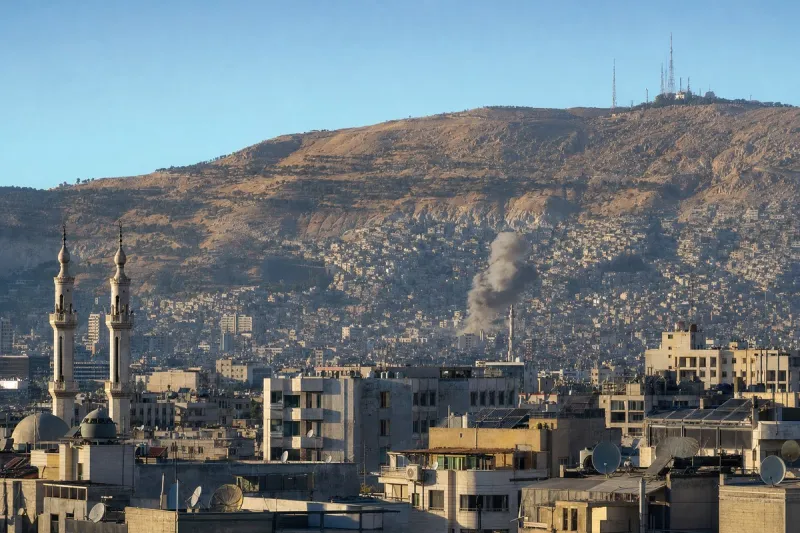
The European Union Aviation Safety Agency (EASA) identifies possible effects including inconsistent position readings and false terrain warnings, and notes that interference can lead to rerouting or diversions. EASA lists the Middle East and the Mediterranean among the regions where GNSS interference has increased, particularly around conflict zones and other sensitive areas. The issue also affects other parts of the world. Reports of interference in a region do not mean every flight encounters it, or that every encounter changes the flight schedule.
Interference does not automatically mean an aircraft has lost its ability to navigate, because aircraft can use other navigation sources and authorities provide guidance on recognising and managing its effects. On 3 July 2026, EASA revised its safety bulletin following analysis of jamming and spoofing incidents, addressing crew training and communication between pilots and air traffic control, among other operational measures. Earlier in the year, EASA and EUROCONTROL published a joint action plan aimed at maintaining safe operations and improving resilience to interference.
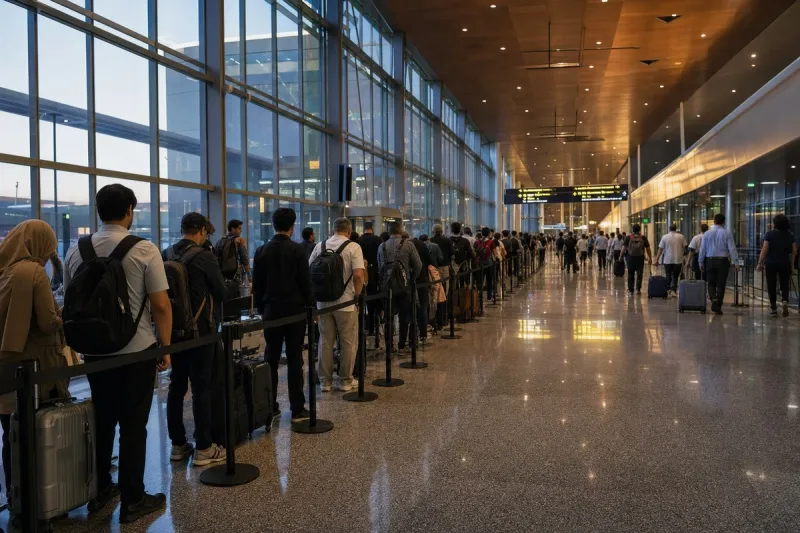
A change to one flight can affect the rest of a journey, for example through a missed connection or arrival at a different airport. Not every delay can be attributed to GPS interference, since weather, air traffic restrictions, security conditions and technical issues can cause similar changes.