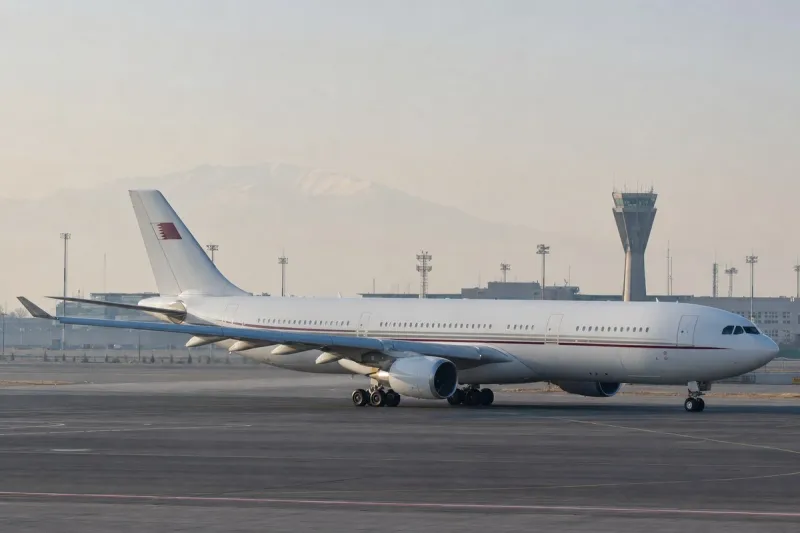
How Air Traffic Control Hands Off Flights from Tower to Approach to En-Route Centre
Why It MattersLayered facility handoffs and fixed separation standards are what let a dense network run safely, so digital tools like Data Comm and electronic flight strips mainly speed up existing steps.
A domestic flight across the United States is handled by several controllers in sequence: a tower, a radar facility near the airport, a series of en-route centres, and then the facilities at the destination. In fiscal year 2024 the Federal Aviation Administration (FAA) handled an average of 44,360 flights a day, with about 5,500 aircraft airborne at peak times.
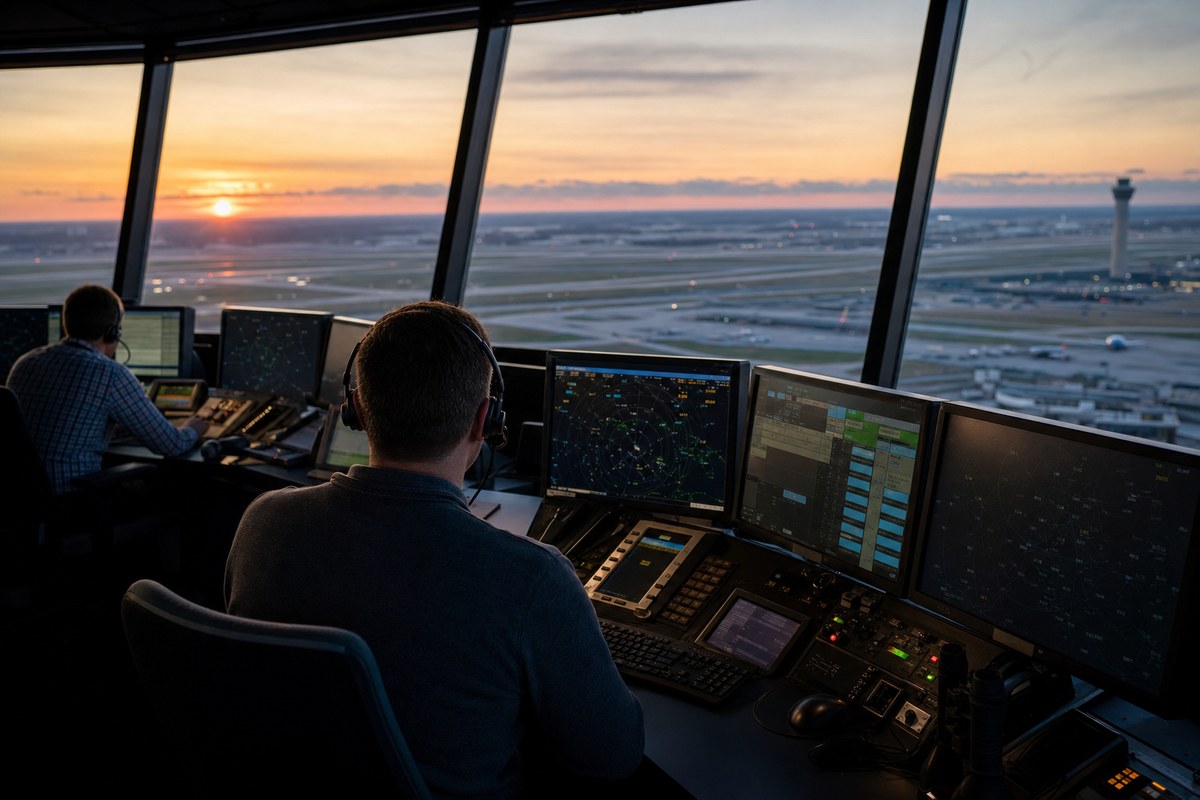
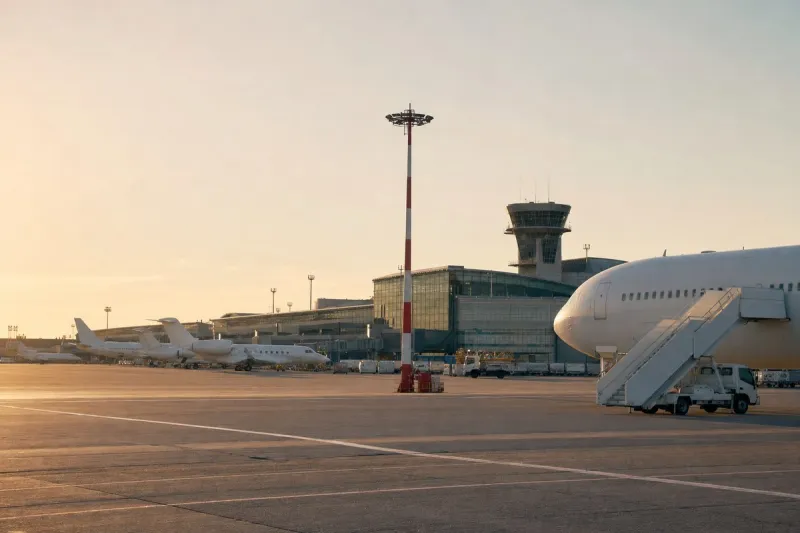
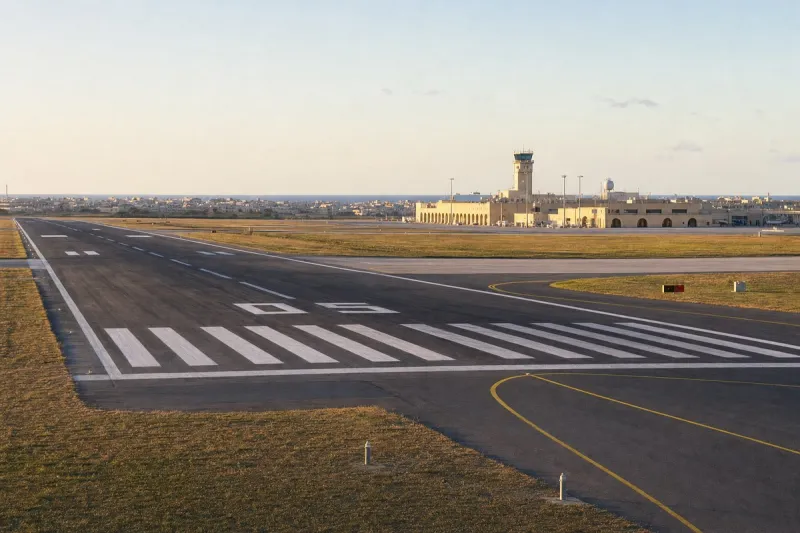
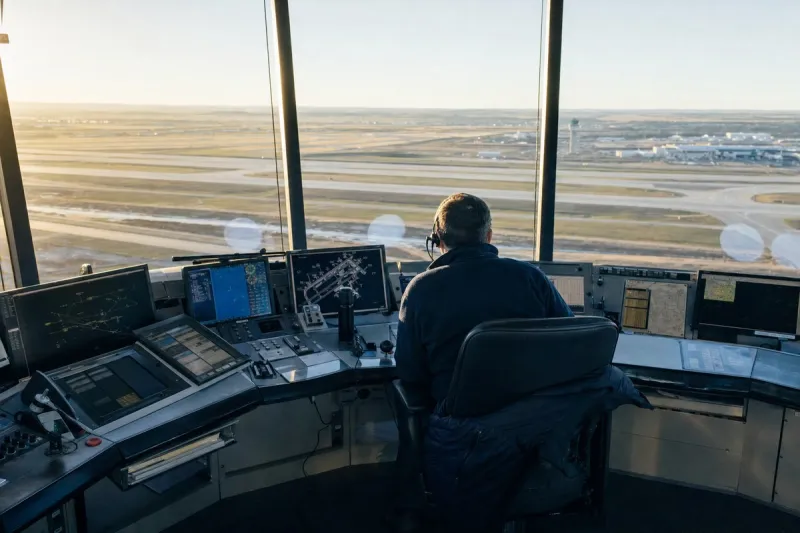
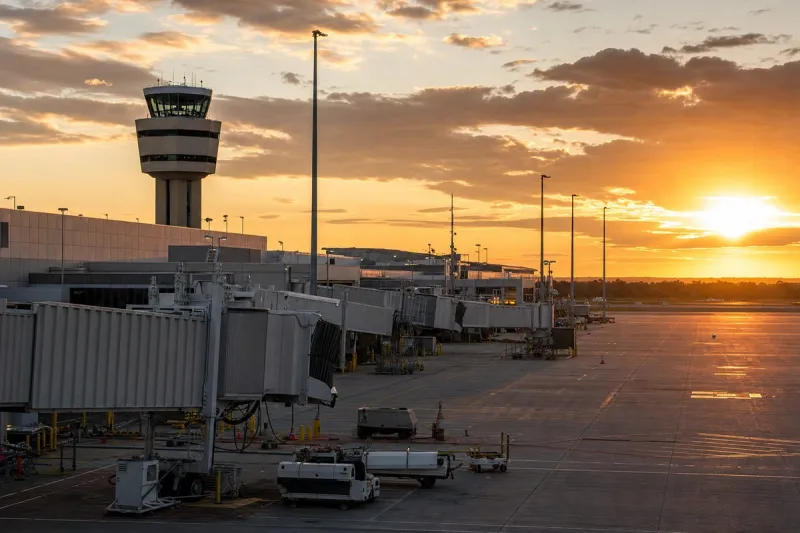
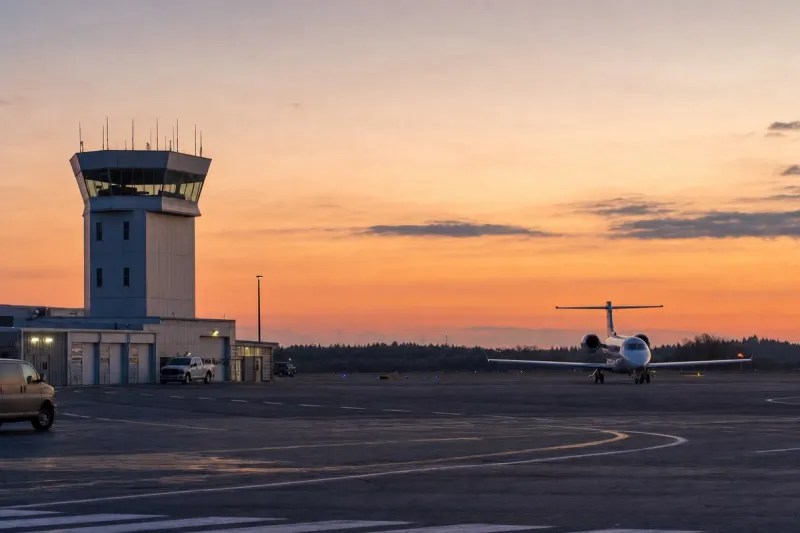
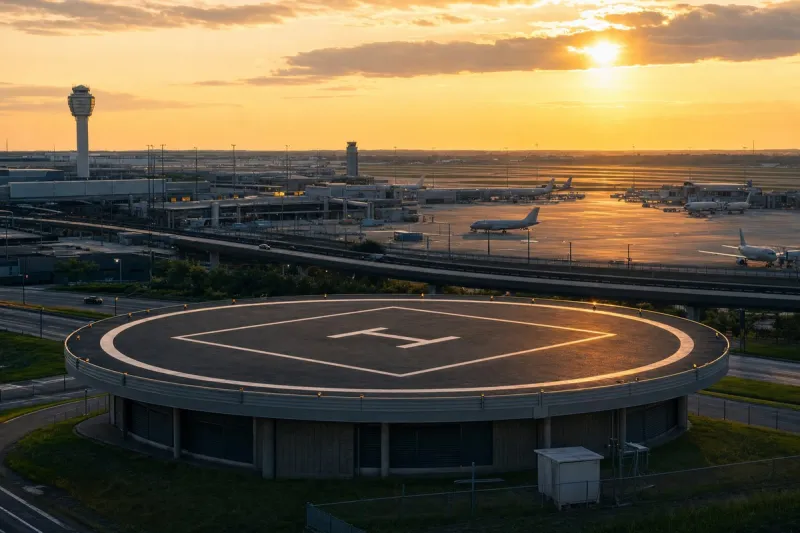
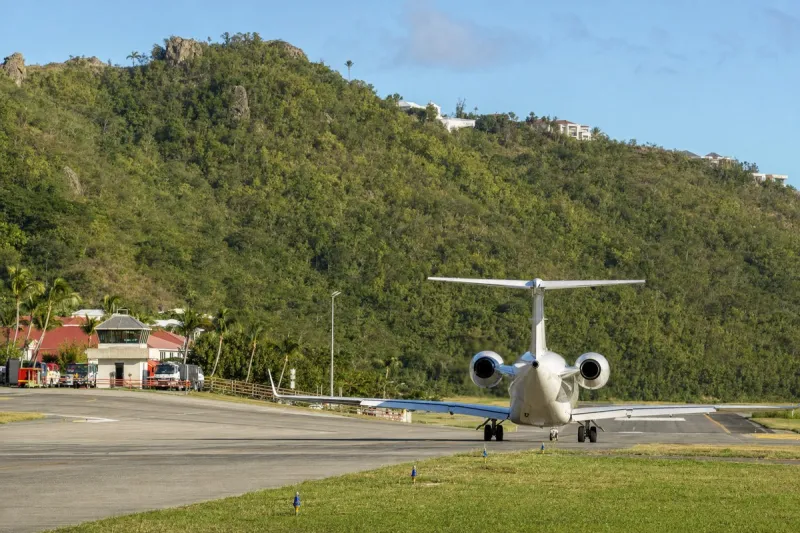
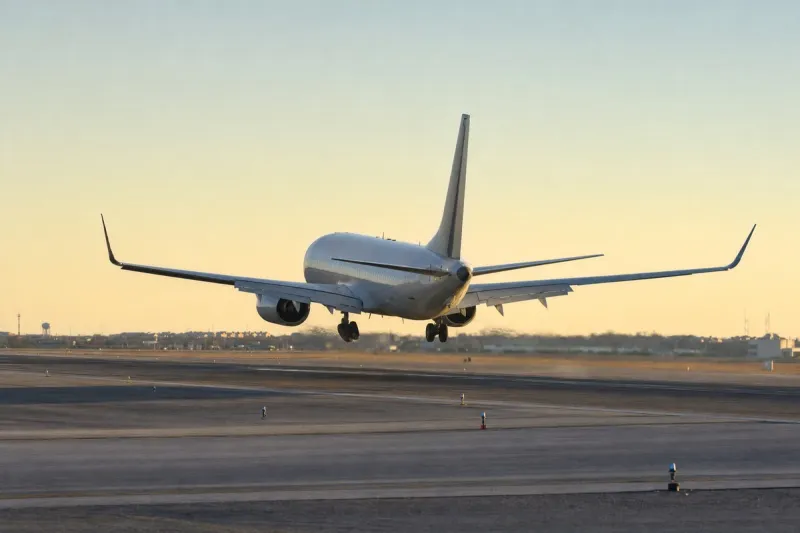
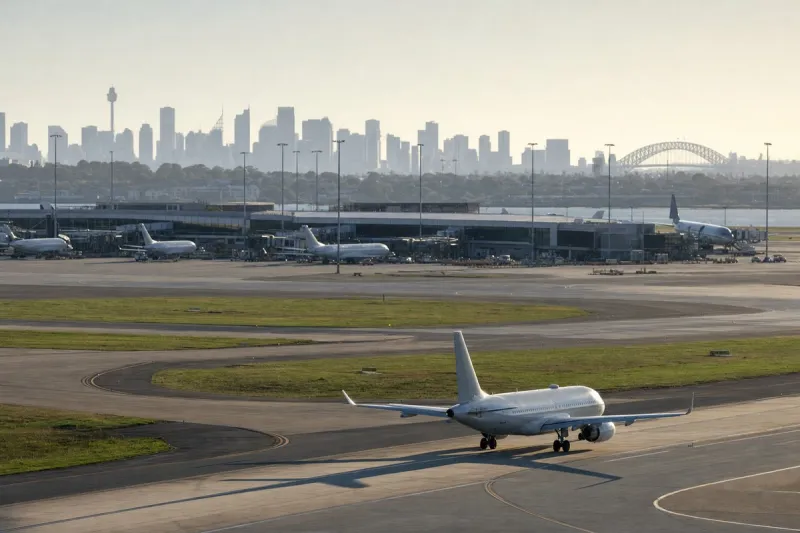
Before an instrument-flight-rules airliner starts its engines, it needs a clearance from clearance delivery, covering the destination or clearance limit, route, initial altitude, departure frequency and a four-digit transponder code. The FAA's Data Comm system sends departure clearances to the cockpit as text and has been rolled out to more than 60 airport towers, reducing read-back errors. Ground control then manages taxiway movements, and the pilot is switched to the tower, or local control, which owns the runways and sequences visual traffic in the control zone. Spacing behind heavy jets accounts for wake vortices: under FAA rules a small aircraft landing behind a heavy one on the same runway needs 6 nautical miles. In February 2026 the US Department of Transportation said electronic flight strips, part of the Terminal Flight Data Manager programme, had been deployed at 15 airports, including Washington National.
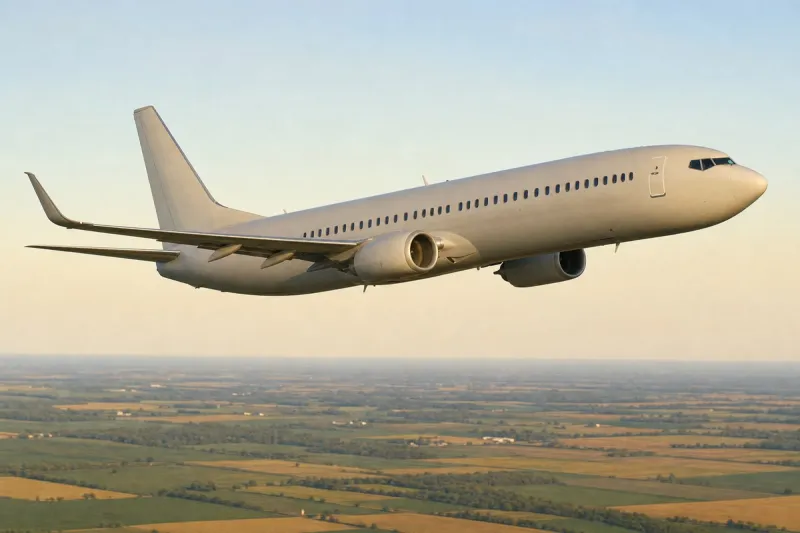
Once airborne, departures pass to terminal radar approach control (TRACON) facilities. According to the FAA's Jennifer Ross, a TRACON's airspace typically extends 20 to 40 miles from the airport and up to between 15,000 and 23,000 feet. Using terminal radar within 40 miles of the antenna, controllers may separate aircraft by 3 nautical miles laterally or 1,000 feet vertically.
En-route airspace in the United States is run by 21 Air Route Traffic Control Centers (ARTCCs), each divided into sectors. The minimum lateral gap is 5 nautical miles below FL600 on the FAA's en-route automation system; the 1,000-foot vertical standard applies up to FL410 under reduced vertical separation minima, with 2,000 feet above. Handoffs between sectors are made by keystrokes that flash an aircraft's data block on the next controller's screen. Centres can also handle traffic down to the ground where small airports lack a tower or approach control.
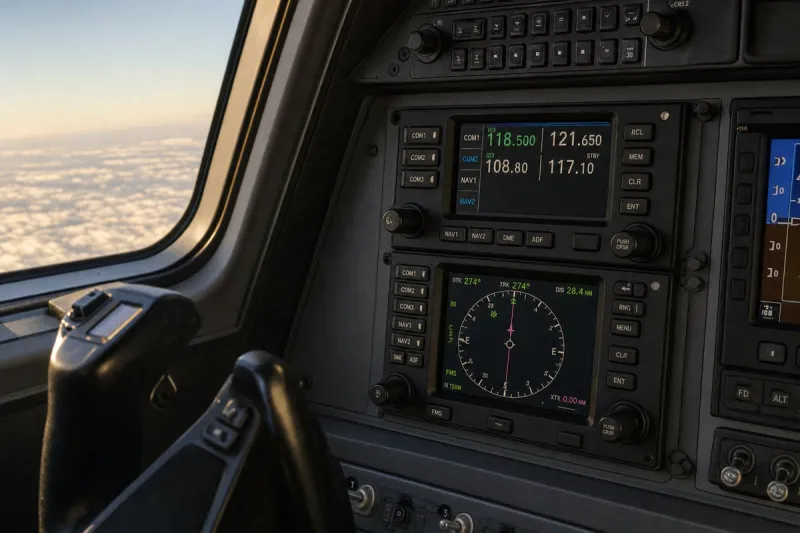
Surveillance relies on primary radar, secondary surveillance radar that interrogates transponders, and ADS-B, which the FAA has required in most US controlled airspace since 1 January 2020. Controller-pilot datalink communications (CPDLC) lets controllers send clearances as messages, a capability the FAA's Data Comm programme has been extending from towers into the en-route centres.
Over oceans, where there is no conventional radar coverage, control is traditionally procedural. On the North Atlantic, NATS runs the eastern Shanwick oceanic area from Prestwick, Scotland, while Gander handles the western side; satellite position reporting (ADS-C) and CPDLC have allowed spacing to shrink. Europe uses similar building blocks, with en-route work done by area control centres operated by national providers such as NATS, DFS, DSNA and ENAV. Eurocontrol's Maastricht Upper Area Control Centre manages airspace above 24,500 feet over Belgium, the Netherlands, Luxembourg and north-west Germany, and Eurocontrol's Network Manager allocates departure slots when sectors risk overload.