Wing and Robinson Helicopter Differ on Strategic vs. Dynamic Drone Deconfliction at NBAA Panel
Why It MattersGrowing drone delivery volumes will force a layered separation approach, as helicopters and other aircraft outside UTM coverage keep low-altitude airspace shared and mixed.
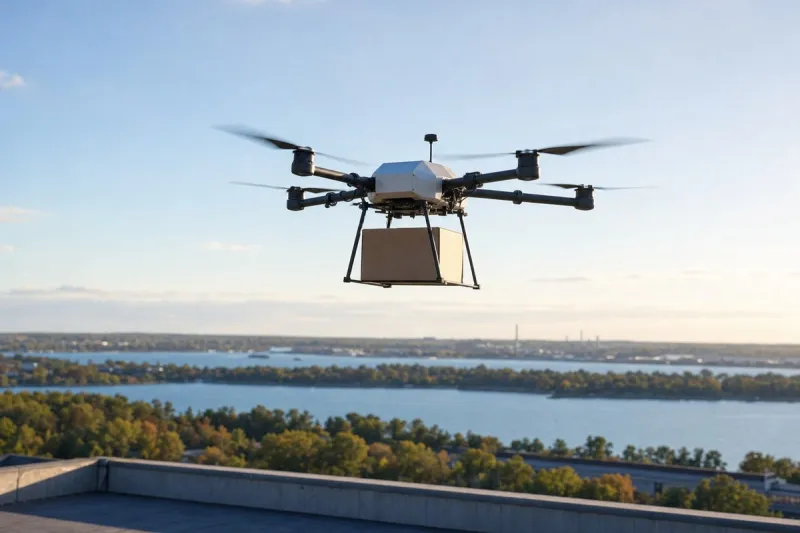
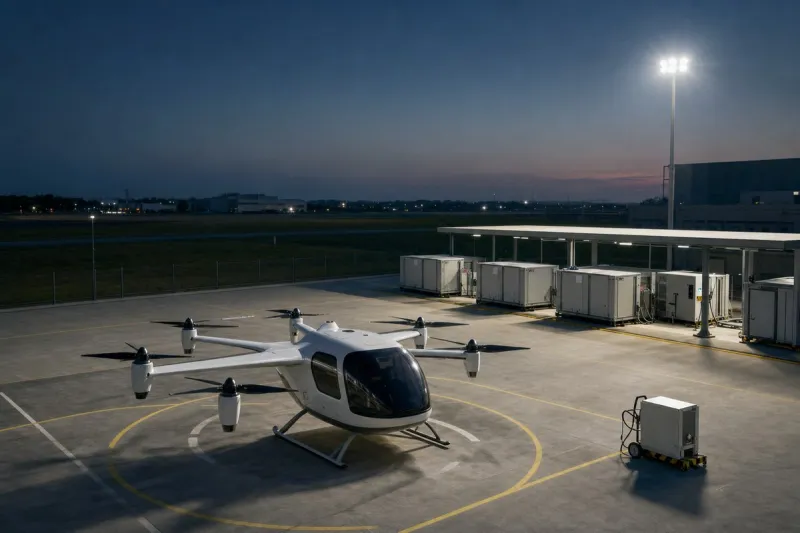
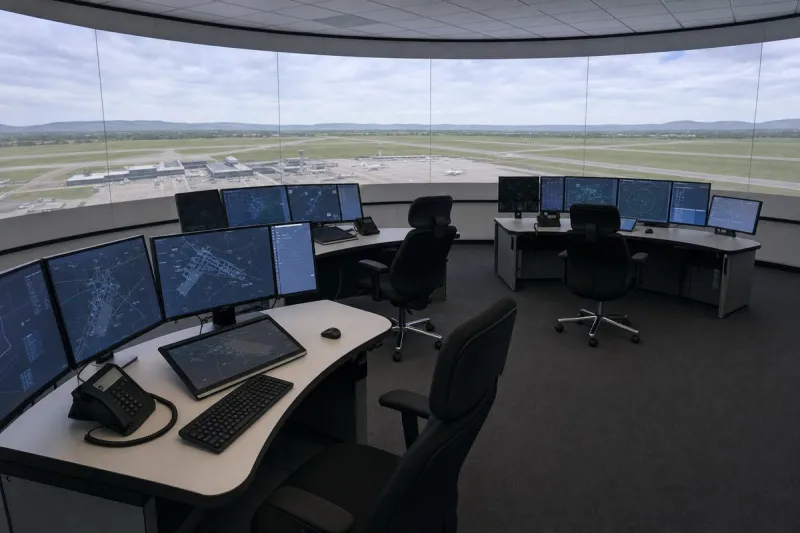
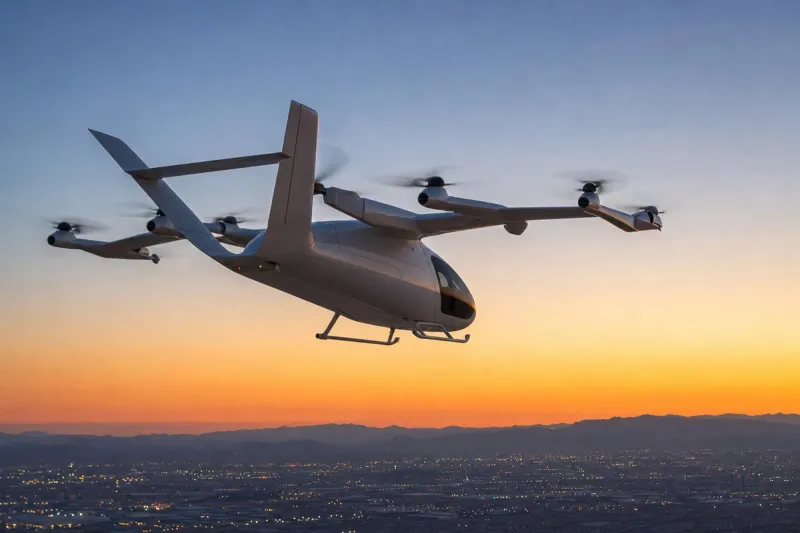
At an NBAA Business Aviation Convention & Exhibition panel in Las Vegas, representatives of Google's Wing and Robinson Helicopter Company said growing drone delivery and other uncrewed aircraft operations increase the need for technologies that separate aircraft at low altitudes. They differed on how heavily the system should rely on reserving airspace in advance rather than maneuvering in flight.
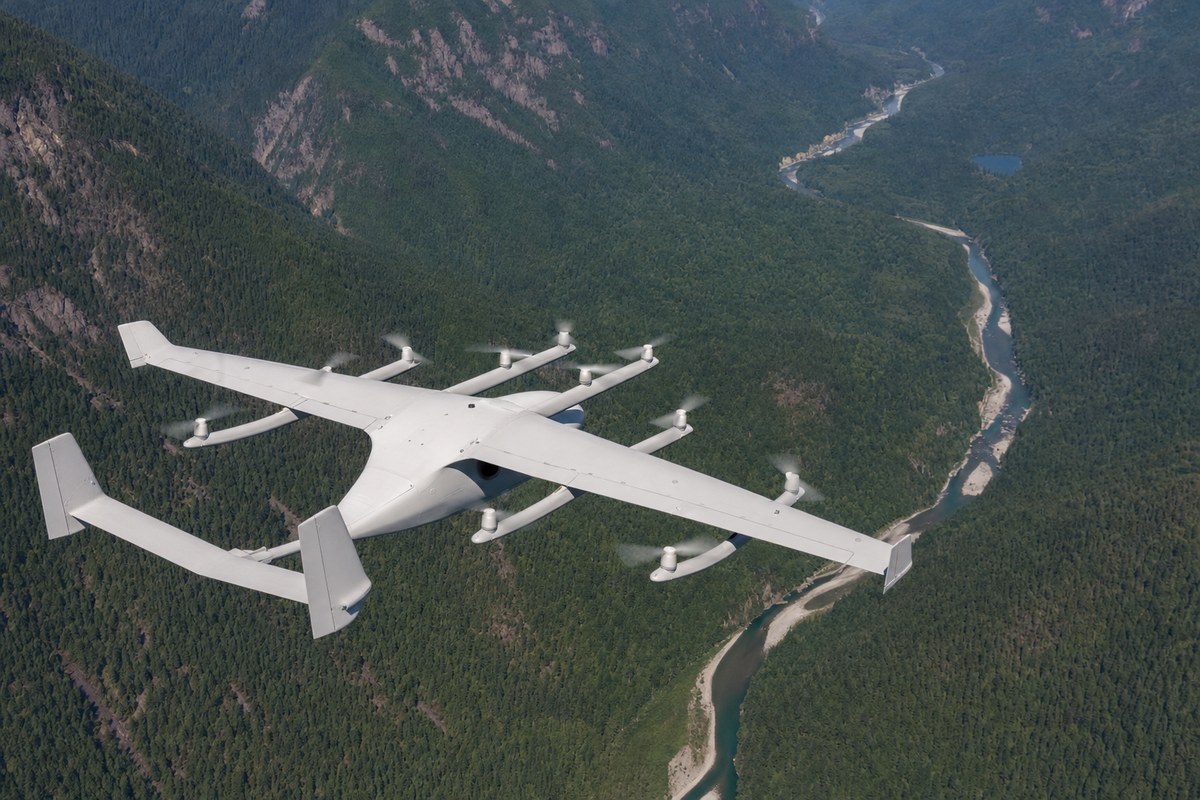
Dallas Brooks, Wing's head of standards and aviation, said strategic deconfliction, which reserves a path through airspace for a flight at a particular time, will become increasingly important as drone density grows. Wing and other operators use an industry-developed uncrewed aircraft system traffic management (UTM) system that lets operators reserve a trajectory through time and space before a flight begins. Brooks said a drone maneuvering dynamically to avoid another aircraft could leave its reserved airspace and force other flights to replan, risking cascading disruptions. He added that the UTM system currently operates largely on a first-come, first-served basis, and the industry consortium is discussing proposals to give priority to disaster relief or medical flights over routine deliveries, including how to verify and activate that priority. He also cautioned against using artificial intelligence to make aircraft decisions: Wing relies on automation designed to produce predictable behavior, while AI could help analyze rules and model scenarios.
Robinson Helicopter President and CEO David Smith said dynamic deconfliction will remain important in busy metropolitan areas, where helicopters and other aircraft fly unscheduled missions and may not participate in a UTM system. He cited gaps in electronic surveillance coverage and incomplete ADS-B adoption across the aircraft fleet as challenges to scaling UAS safely. Calvin Rieb, who leads Cargill's global drone program, said low-level deconfliction is the real challenge, including encounters with drones flown by first responders that may need to enter an area quickly.
The panel also addressed the FAA's proposed Part 108 rule for beyond-visual-line-of-sight drone operations. FAA Emerging Technologies Division representative Rachel Carlstrom said the agency is using data from existing operations conducted under exemptions and waivers to inform the rule. Rieb said Cargill, which operates roughly 100 drones globally, expects to pursue certification under Part 108 to accommodate growth, saying a compliance-based approach will be easier than multiple waivers for different use cases and areas.