US, UK, Australia and Canada Maintain 'Do Not Travel' Advisories for Lebanon in October 2026
Why It MattersDo-not-travel status from four major governments constrains corporate travel and insurance cover for Lebanon, leaving the country's aviation activity mostly to essential and evacuation-type movements.
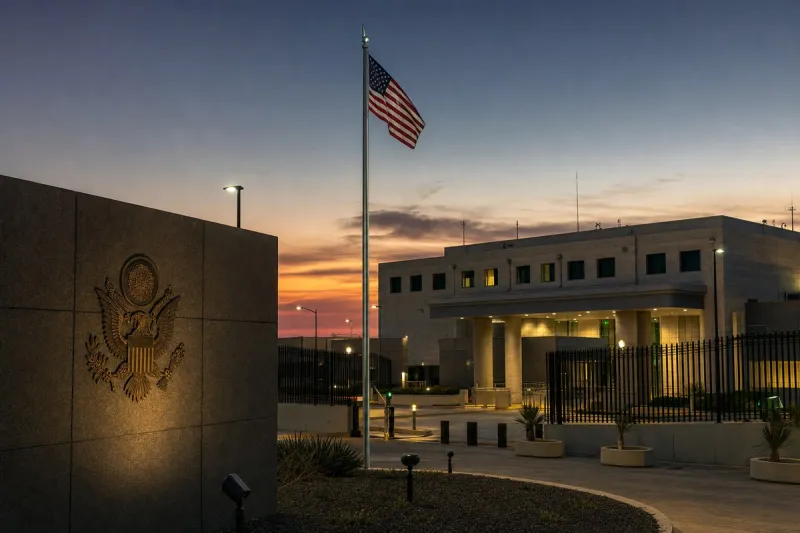
Major governments kept their strictest travel warnings for Lebanon in place in October 2026, citing armed conflict, terrorism risks and unpredictable border and airspace closures. The United States updated its advisory on October 23, 2026, keeping Lebanon at Level 4, the highest warning level, and advising against travel for any reason. It cites crime, terrorism, civil unrest, kidnapping, armed conflict and limited capacity to provide emergency assistance. The update left the risk categories unchanged but revised the summary to reflect concerns about potential armed attacks linked to regional actors and the possible targeting of diplomatic and official interests. Movements of US government personnel inside Lebanon remain heavily restricted.
The UK Foreign, Commonwealth & Development Office advises against all travel to most of Lebanon and against all but essential travel to the remaining areas, in guidance last refreshed in late October 2026. Australia's Smartraveller lists Lebanon at "Do not travel" as of late September 2026, still current on October 24. Canada's advisory continues to instruct travelers to avoid all travel to Lebanon, with its most recent detailed update issued in July 2026 and still in effect.
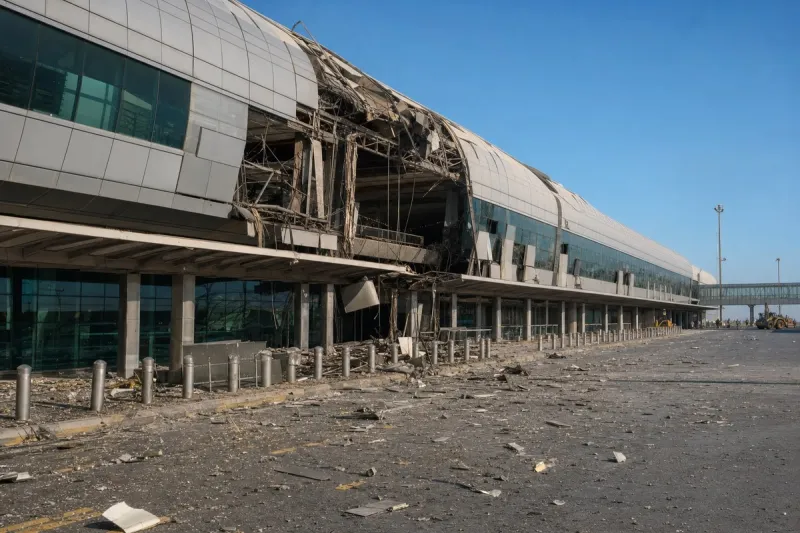
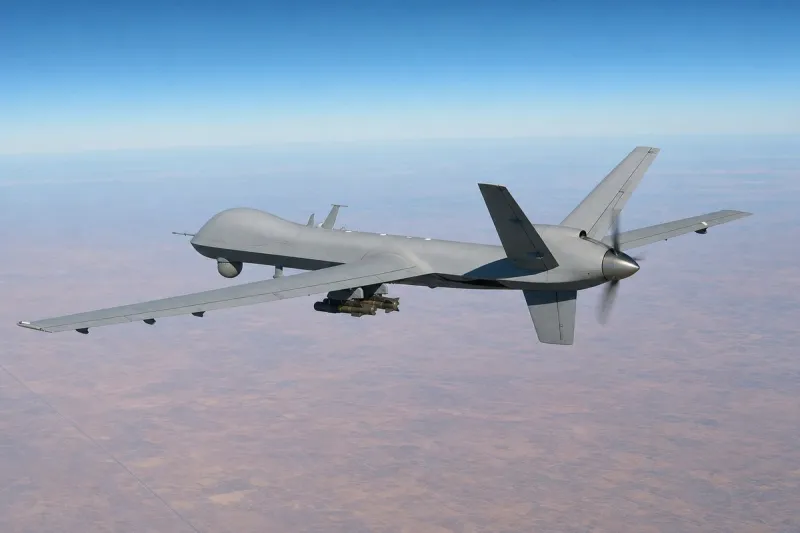
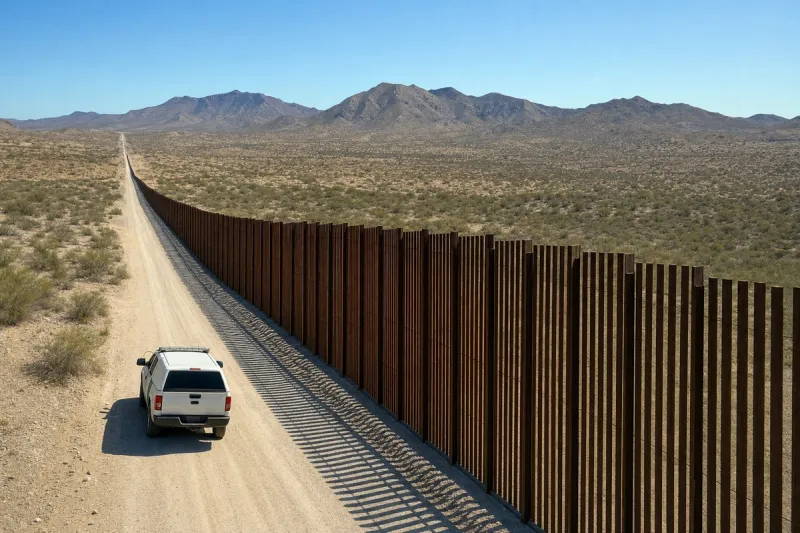
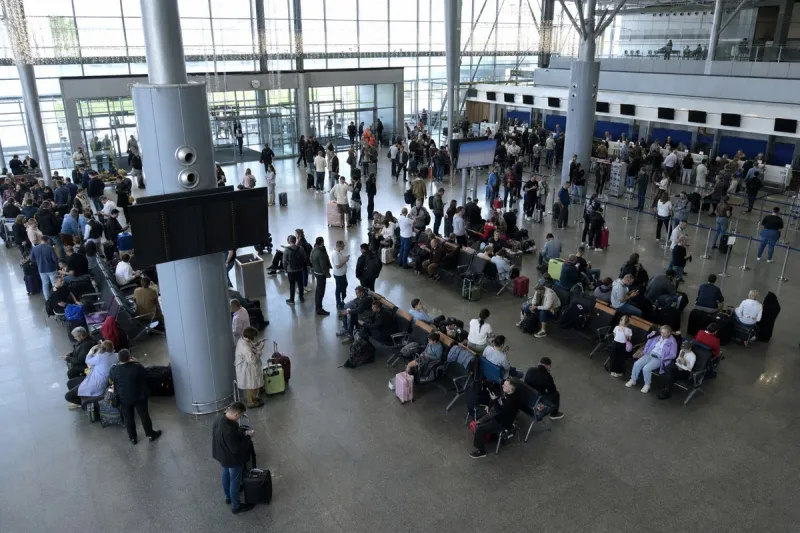
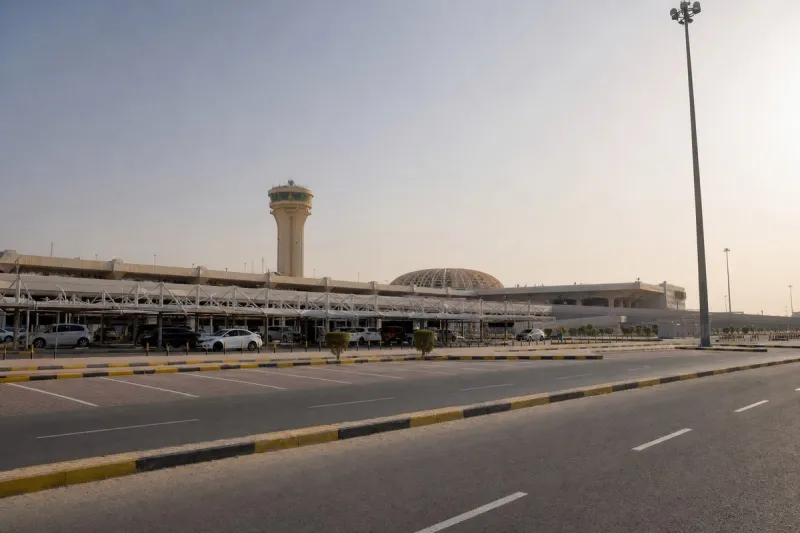
The advisories point to a sustained threat of terrorism and politically motivated violence, including rocket fire, drone activity and cross-border exchanges in frontier areas, as well as civil unrest that has blocked key roads, and landmines and unexploded ordnance near former front lines in the south and parts of the Bekaa Valley. Australian guidance notes that commercial flights out of Lebanon remain available but that Lebanese airspace can open or close at short notice, affecting operations at Beirut–Rafic Hariri International Airport. Several advisories say land borders may close with little notice or face additional security checks and delays, and the US, Australia and Canada all stress that emergency assistance can be extremely limited or delayed, particularly in southern Lebanon.
For those who travel for essential reasons, the guidance recommends keeping a low profile, avoiding government, military and energy infrastructure and sites linked to diplomatic interests, monitoring local media and official alerts, arranging flexible tickets and multiple forms of payment, and registering with consular systems. UK guidance also urges travelers to obtain insurance that covers high-risk destinations and is not invalidated by traveling against official advice. As of late October 2026, the advisories show no clear indication of an imminent easing; Level 4 or equivalent classifications have been renewed repeatedly during the year, with changes limited to wording and operational notes.