Cessna 210N Engine Separation Crash Prompts Guidance on Verifying Aircraft Airworthiness and Maintenance Records
Why It MattersThe crash puts maintenance-record scrutiny and unapproved-parts risk in the general aviation piston fleet, including flight school aircraft, back in front of owners, students and operators.
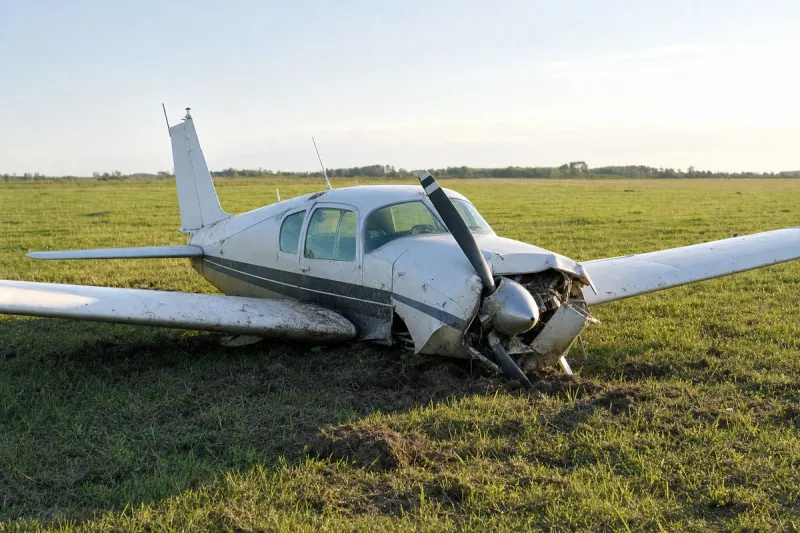
A 1982 Cessna 210N Centurion crashed after its 285 hp Continental IO-520 engine separated from the airplane shortly after takeoff. The 74-year-old pilot was alone aboard and survived with minor injuries. The engine and propeller were found on a road about 300 feet from where the airplane came to rest upside down in a field. ADS-B data show the airplane taking off to the north and entering a climbing right turn at about 95 knots before it disappeared from ADS-B coverage.
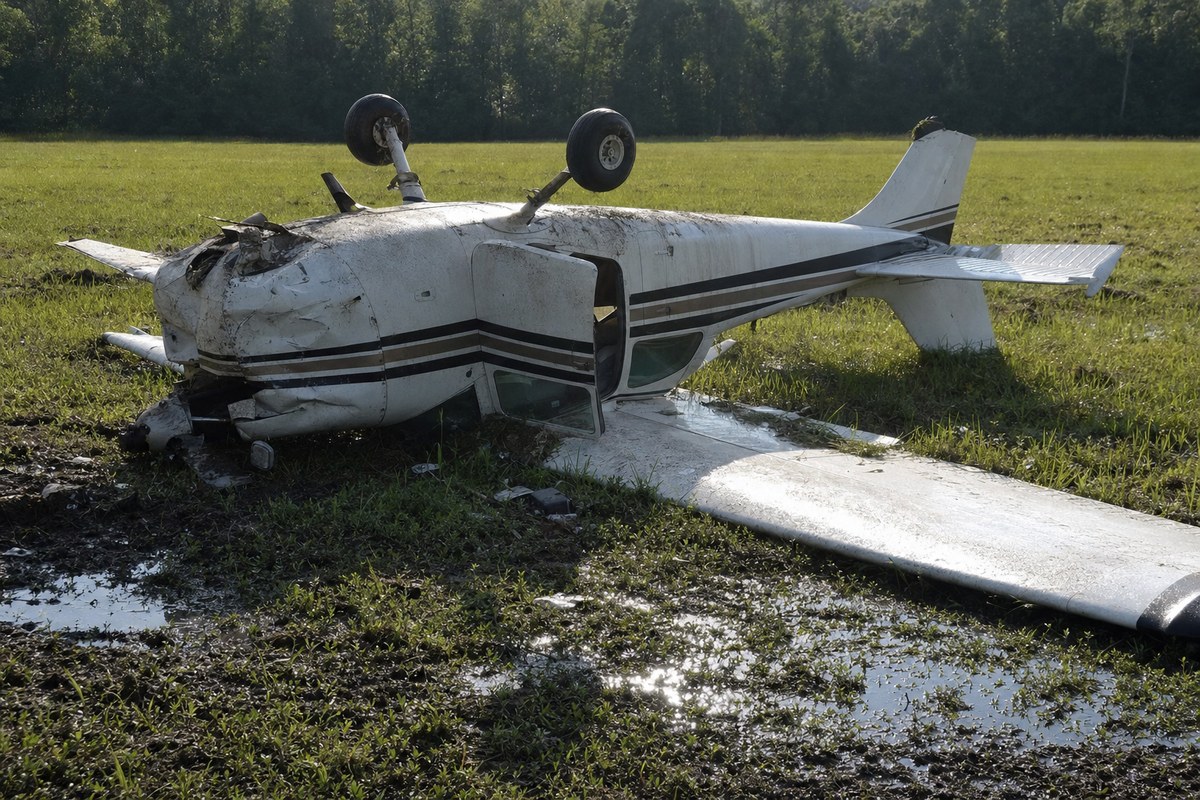
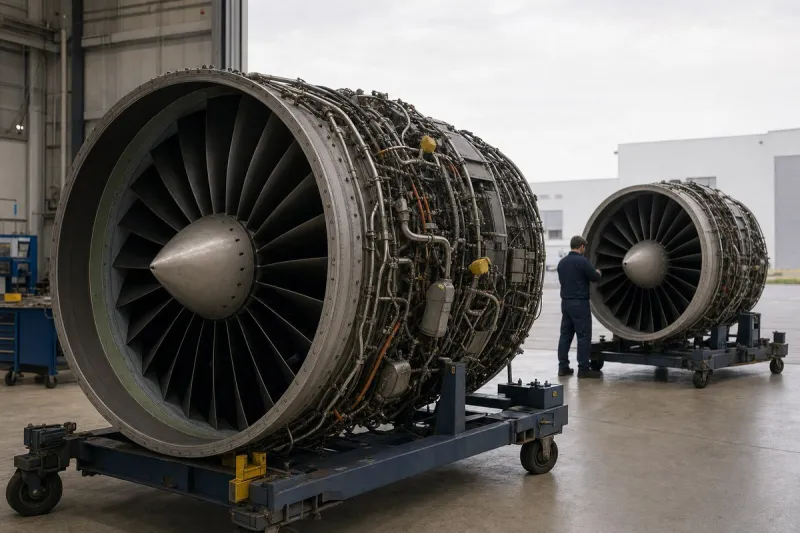
The article's author notes that engine separations have also occurred on jets, citing UPS Flight 2976 in November. Pilots have shared accounts of finding unapproved parts, including non-aviation screws and bolts, on Part 23-certified aircraft, among them wood screws on a Cessna 310 in a flight school fleet.
The author advises prospective students to ask flight schools whether they have an in-house maintenance department, how many A&P/IAs they employ, their experience levels, and how the fleet's maintenance is rotated. He also recommends reviewing an aircraft's maintenance logs before flying it, to confirm required inspections were done and to spot major repairs or long periods of unairworthiness.
The required inspections described are an annual inspection every 12 calendar months by an A&P/IA; a VOR check every 30 days for IFR operations, which a pilot may perform; and a 100-hour inspection for aircraft used for compensation or hire, such as flight training, which an annual can replace but not the reverse. They also include compliance with FAA Airworthiness Directives, which may be one-time or recurring; a transponder inspection every 24 calendar months for aircraft flown where a transponder is required; and an Emergency Locator Transmitter inspection every 12 calendar months with periodic battery checks.