Yemen's Airport Closures and Renewed Fighting Strand Critically Ill Patients Needing Treatment Abroad
Why It MattersRepeated closures and strikes on Yemen's airports have left regional air links thin and fragile, and the reliance on a few weekly flights shows how little aviation capacity the country retains.
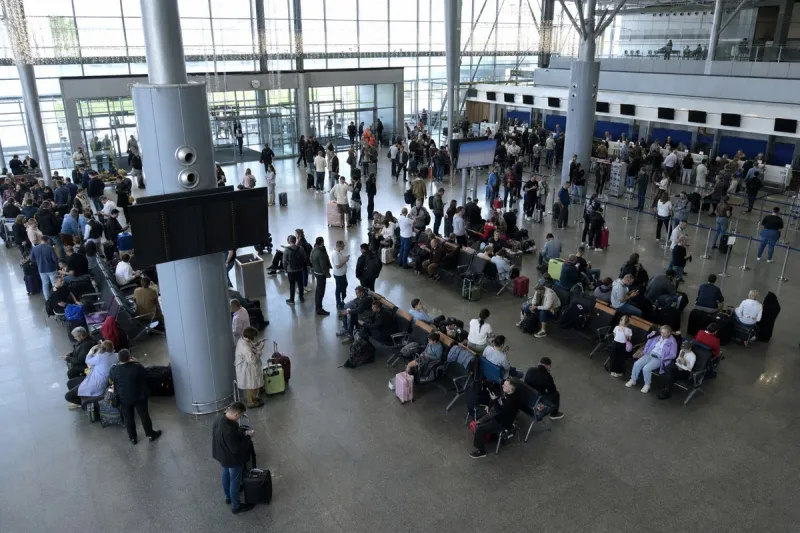
Renewed fighting between Yemeni government and Houthi forces has left patients who need treatment abroad with few ways out of the country, Al Jazeera reported on 20 October 2026. Sanaa International Airport, the main air link for millions of people in Houthi-controlled northern Yemen, has been repeatedly shut since the Saudi-led coalition closed it to commercial traffic in August 2016. A UN-brokered truce allowed a limited number of flights to resume in May 2022, but Israeli air attacks in 2025 damaged the airport and destroyed aircraft.
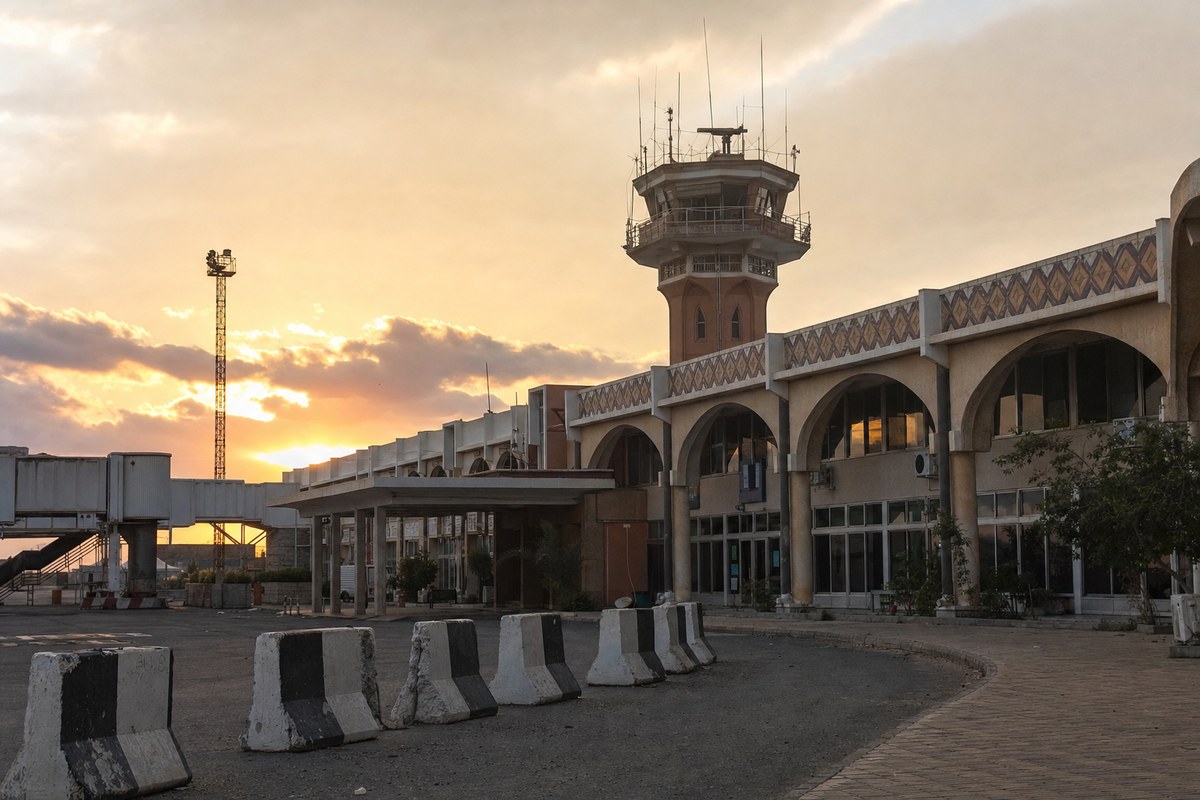
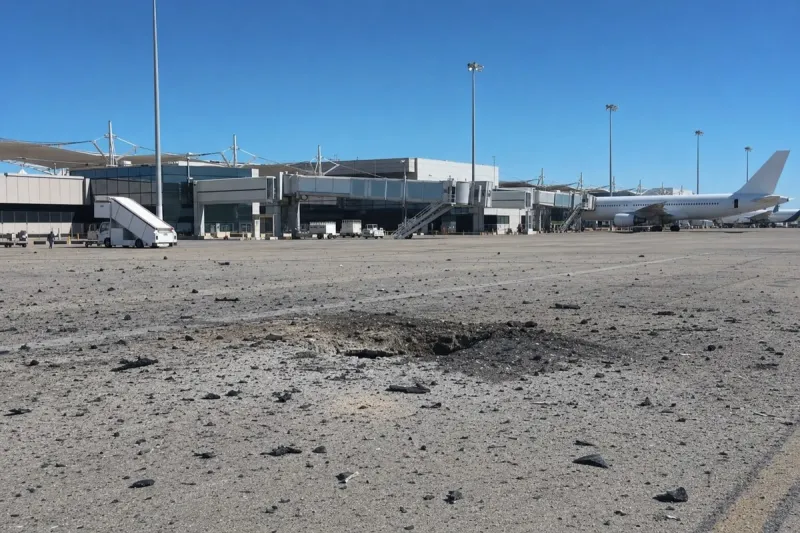
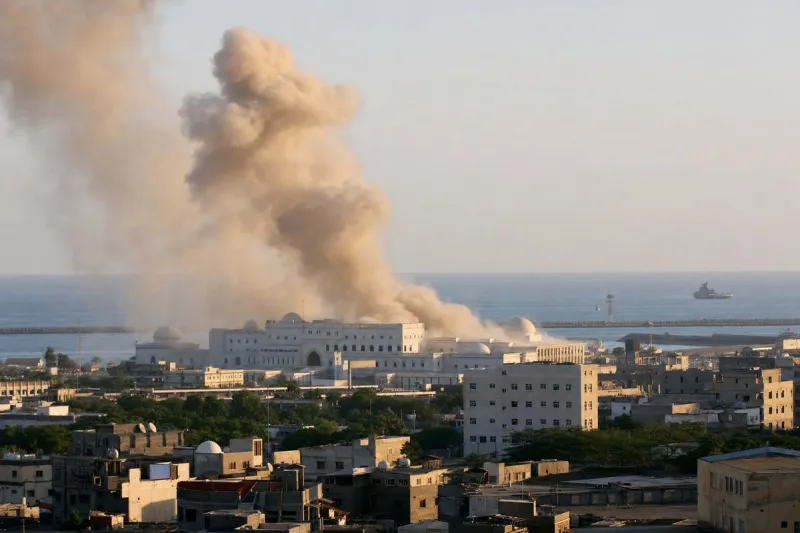
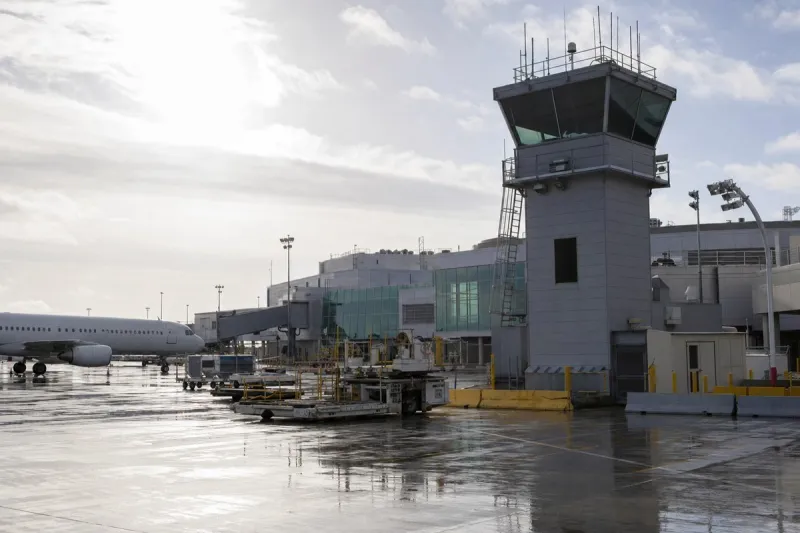
Aden, the seat of the internationally recognised government and the main alternative for patients in the north, has also come under attack. Its airport was hit twice this month, most recently on 16 October, when two missiles landed about 500 metres from a Yemenia plane preparing to take off for Cairo. Seiyun airport in Hadramout has been affected by unrest this year, al-Ghaydah airport in al-Mahra is closed, and flights from al-Rayyan airport in Mukalla to Aden and on to Cairo now run only once a week. The road journey from Sanaa to Aden takes about 14 hours and crosses dozens of checkpoints.
Anis al-Asbahi, spokesperson for the Houthi-run Ministry of Health in Sanaa, said repeated closures of Sanaa airport over the past decade have affected about 400,000 patients, including 250,000 who need treatment abroad, as well as more than 125,000 people with cancer facing medicine shortages. He cited shortages of more than 1,600 types of medicine and said more than 40,000 patients with thalassemia and haemolytic anaemia lack iron chelation drugs and intravenous solutions.
Individual cases illustrate the toll. Rajaa Ghirsan, a 50-year-old seamstress from Sanaa with vocal cord paralysis, needs another operation abroad but spent seven years unable to secure a seat on a once-weekly flight to Amman. Abdulkarim Abdullah, 60, a dialysis patient, died on the road to Aden in January; his brother said the trip was estimated to cost about $2,300. Fouad al-Haddad, director of al-Jumhuri Hospital in Taiz, said other patients have died waiting for treatment abroad or because of domestic travel restrictions. Nearly 147,000 people were displaced across Yemen in September, more than 80,000 of them to Taiz, according to government figures. Health Minister Qasim Buhaibeh warned in September that some areas could lose health services entirely if funding keeps falling, saying 19.3 million people need health assistance while the response has received only 17 percent of the funding required.