FAA Sorts US Flight Delays Into Five Categories, With Late-Arriving Aircraft the Largest Cause
Why It MattersBecause delay propagation dominates, tightly scheduled narrowbody operations carry the most delay exposure, and hub-and-spoke networks have an edge in absorbing disruption over spoke-to-spoke flying.
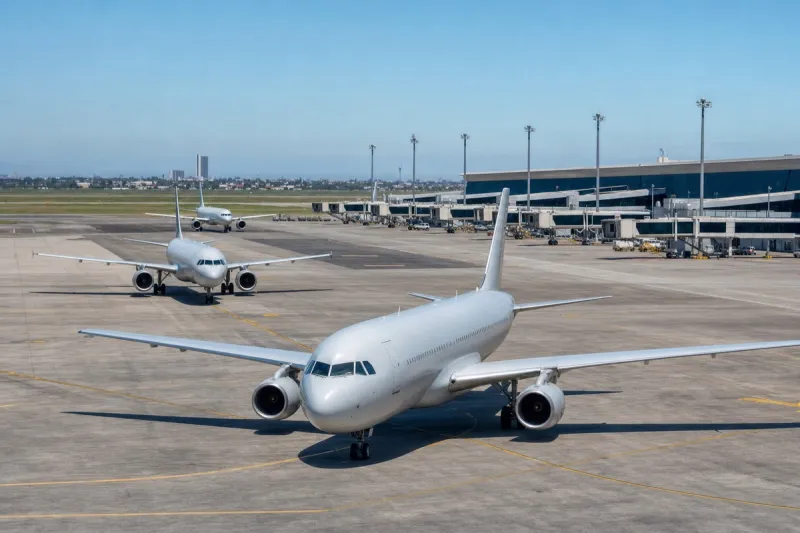
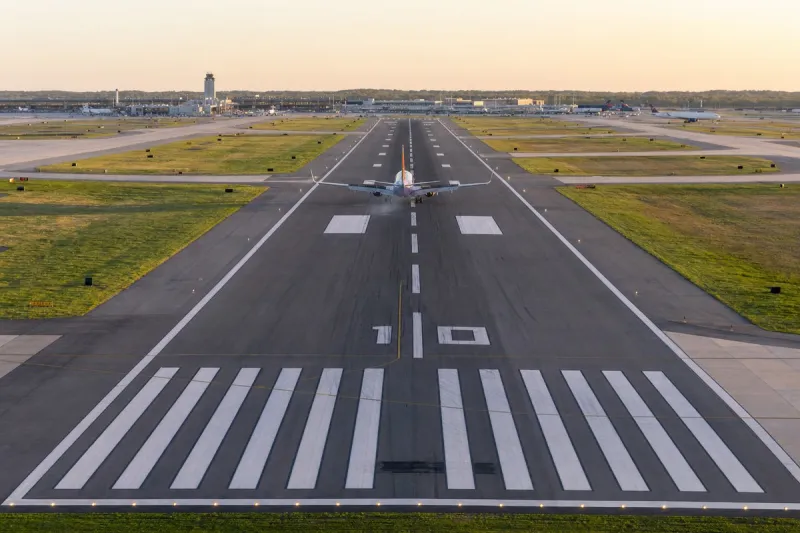
The FAA splits US airline delays into five categories: late-arriving aircraft, carrier-caused delays, security, National Airspace System (NAS) delays, and weather. Late-arriving aircraft, which the FAA calls delay propagation, is by far the largest cause. Because aircraft only make money when flying, narrowbodies often operate multiple flights a day with minimal ground time, so a delay from one cause, such as disruptive weather, can ripple through the rest of the day or longer. Hub-and-spoke operations can limit this, since an airline can substitute another aircraft at the hub for the next flight a delayed aircraft was due to fly; this is harder on flights between two spokes.
Carrier delays cover factors within an airline's control, including aircraft cleaning, aircraft damage, late connecting passengers and luggage, and catering. Delays caused by disruptive passengers also count as carrier delays, because the decision to delay or divert a flight to remove a passenger belongs to the airline. Per Cirium, September 2026 on-time arrivals were: Delta Air Lines 82.52%, Alaska Airlines 80.73%, United Airlines 78.65%, American Airlines 77.11%, Frontier 75.49%, JetBlue 74.64% and Southwest Airlines 71.14%.
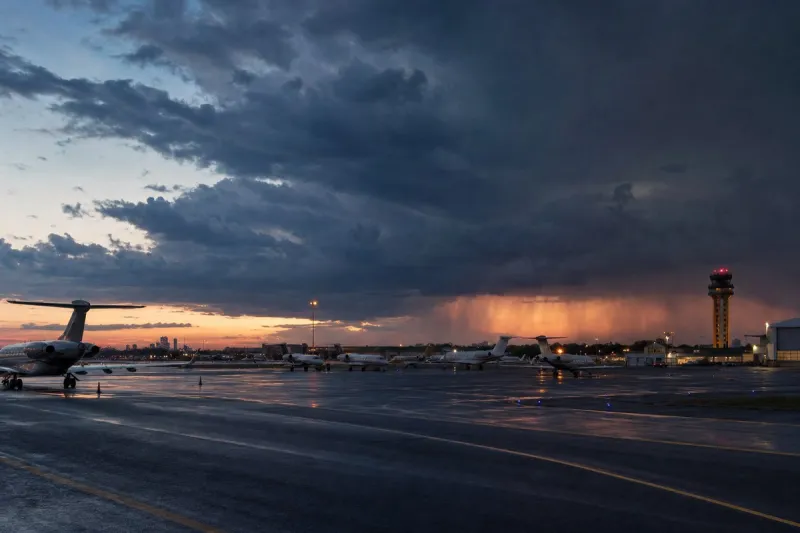
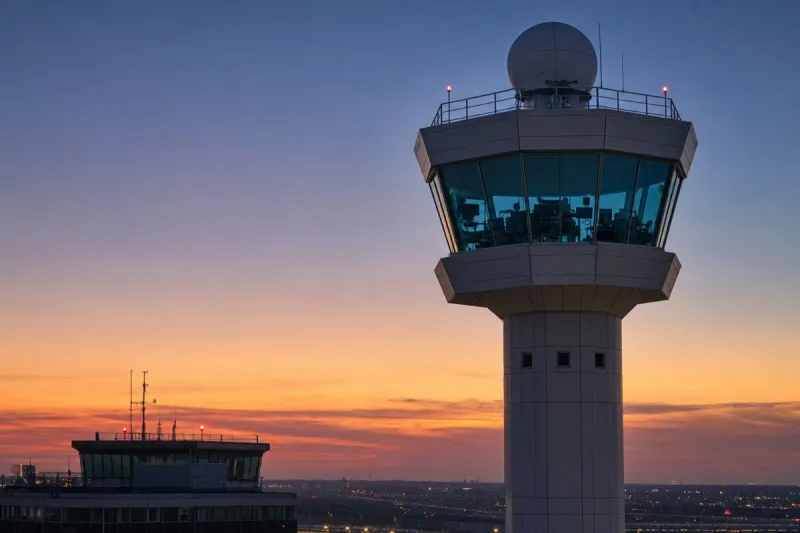
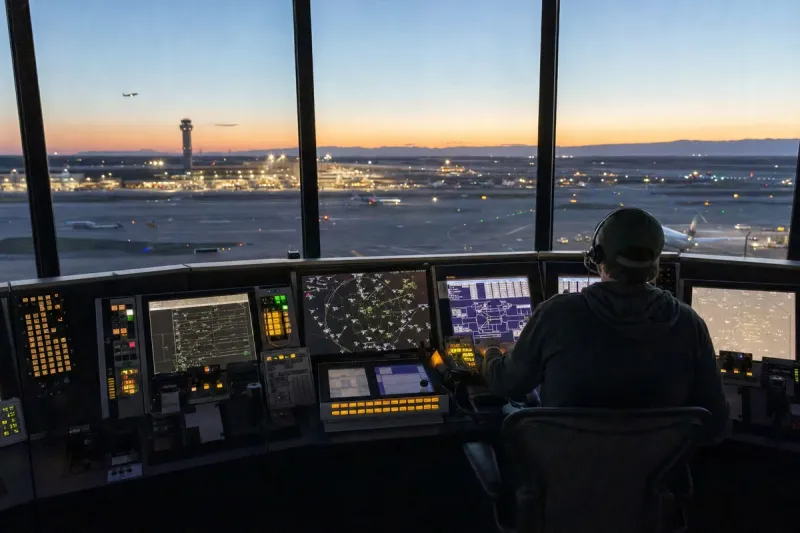
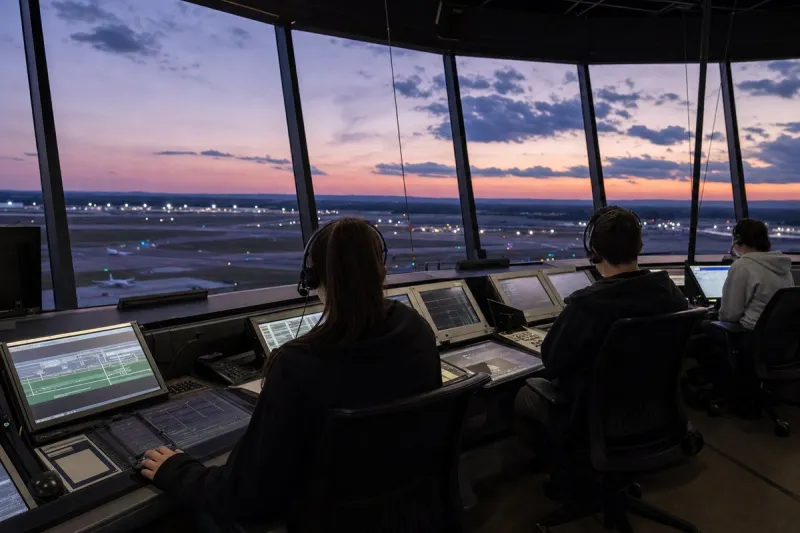
NAS delays stem from airport congestion, reduced staffing at an air traffic control tower, ground stops, airport construction, or a system or software issue at a facility. Examples include a failed software update to the FAA's NOTAM system in January 2023 that caused a nationwide ground stop, the first since the September 11 attacks, delaying over 10,000 flights, and a 90-second data connection loss for approach controllers handling Newark arrivals in 2025, which caused severe delays and cancellations. Weather delays arise from winter storms, low visibility, severe thunderstorms and hurricanes; airports often issue ground stops when a storm is near, and arriving aircraft may be held or diverted.
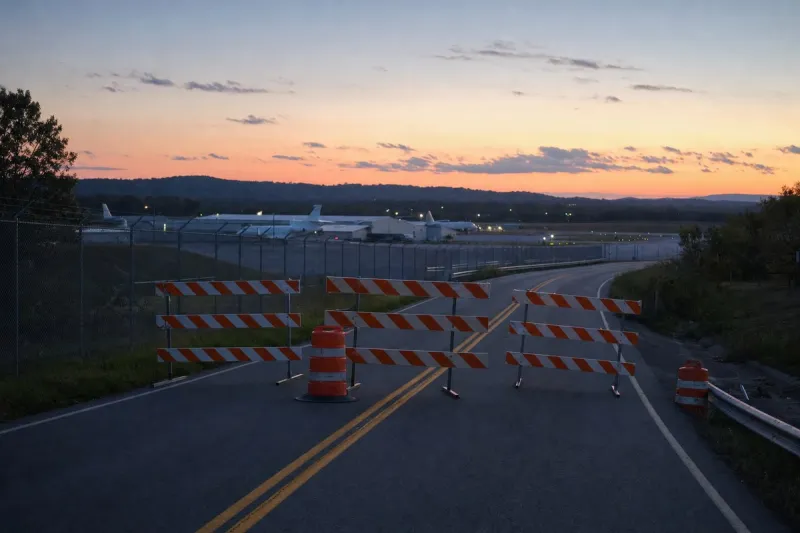
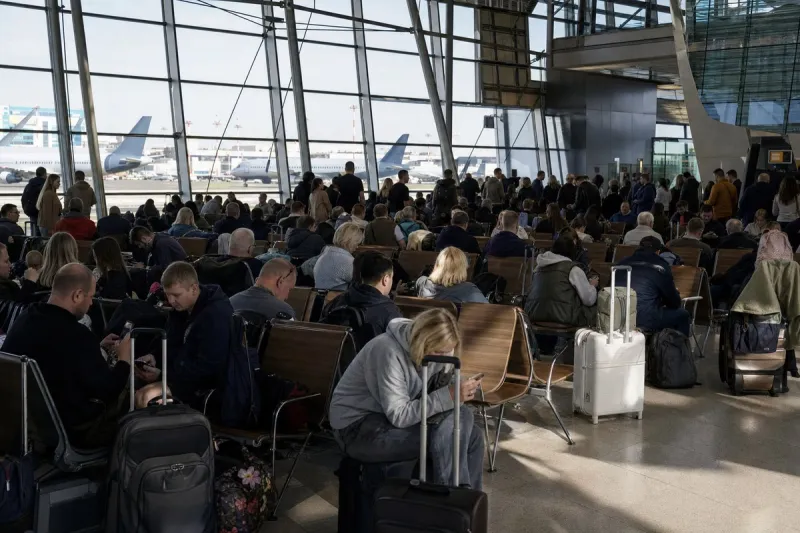
Security delays are the smallest category, making up less than 1% of all US airline delays. They include terminal evacuations, an uncleared person entering an aircraft, inoperative screening equipment, and significant delays at an airport's TSA facility, where the FAA's threshold is over 29 minutes. In February and March 2026, a partial DHS shutdown halted pay to TSA workers, who still had to work as essential personnel; record callouts and attrition caused severe staffing shortages and lines lasting hours.