FAA Tests AI Tool SMART in Washington Area as Air Traffic Control Students Train at SUNY Schenectady
Why It MattersAI-assisted airspace planning is entering live U.S. air traffic operations while the controller training pipeline remains capacity-limited, putting safety validation and workforce readiness in the same debate.
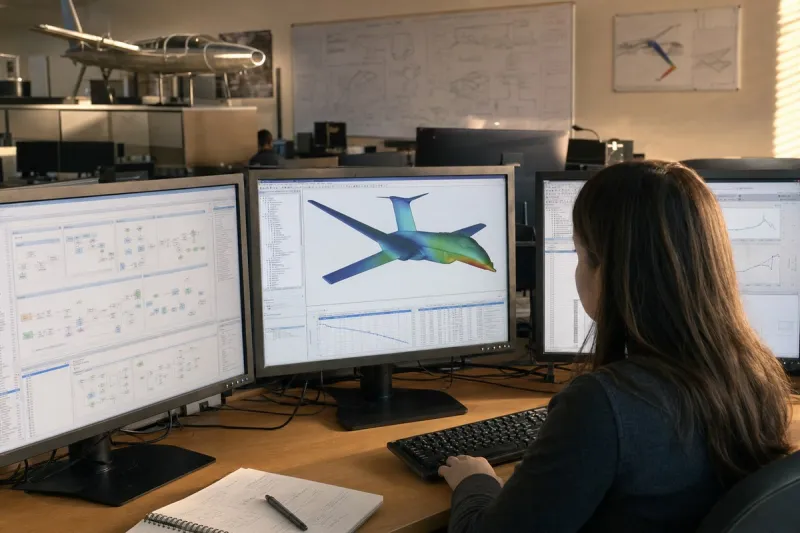
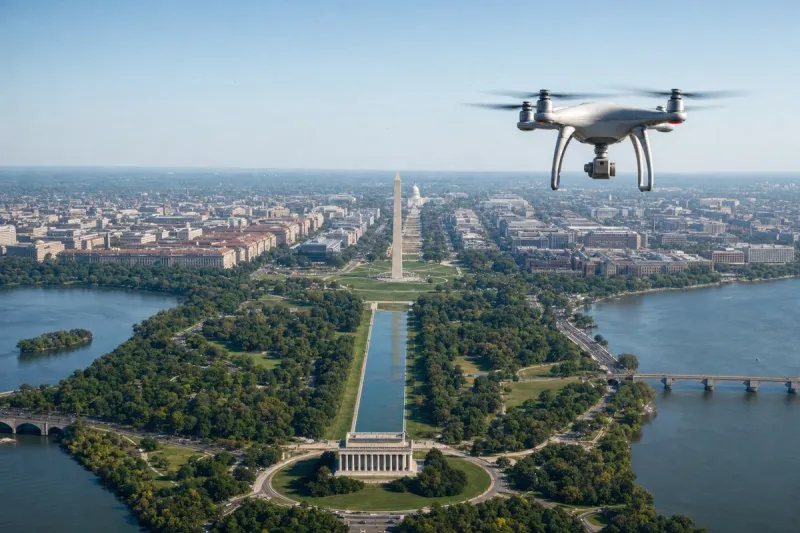
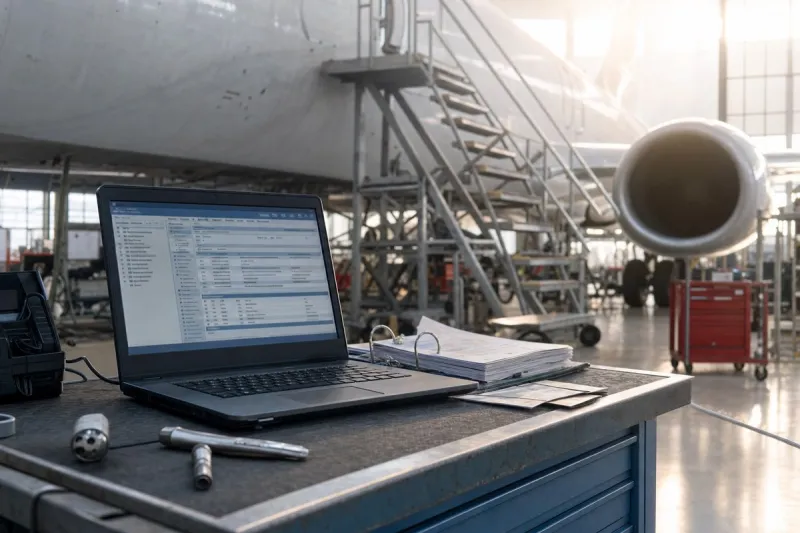
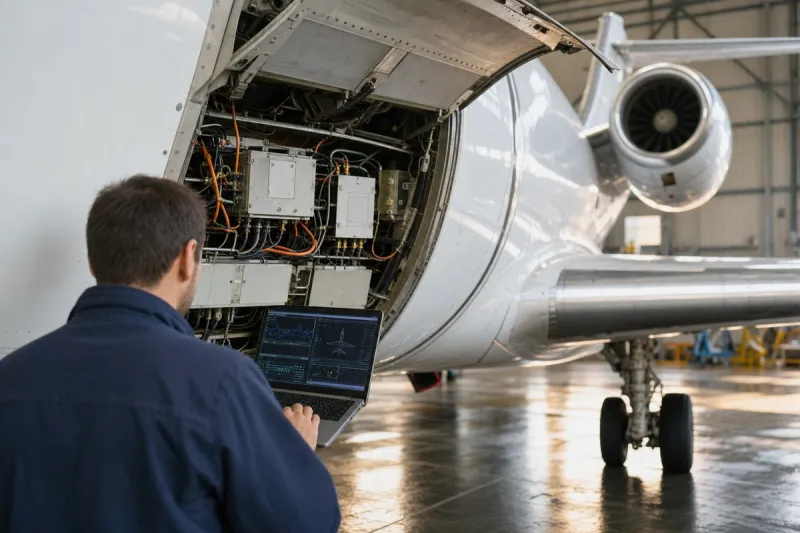
The Federal Aviation Administration is testing an artificial intelligence-based system called SMART, or Strategic Management of Airspace, Routes and Trajectories, which analyzes weather, flight paths and traffic flow to predict delays before they happen. For now, it is being tested in the Washington, D.C. area. In a letter sent Oct. 9, Democratic lawmakers called on the FAA to suspend SMART at the three D.C.-area airports where it is being tested, citing missing safety tests and training. The FAA said SMART consolidates more than 200 data streams to create visualizations and produces scheduling recommendations for operations experts to consider passing along. The agency said it does not control aircraft or replace air traffic controllers, who have full autonomy over this.
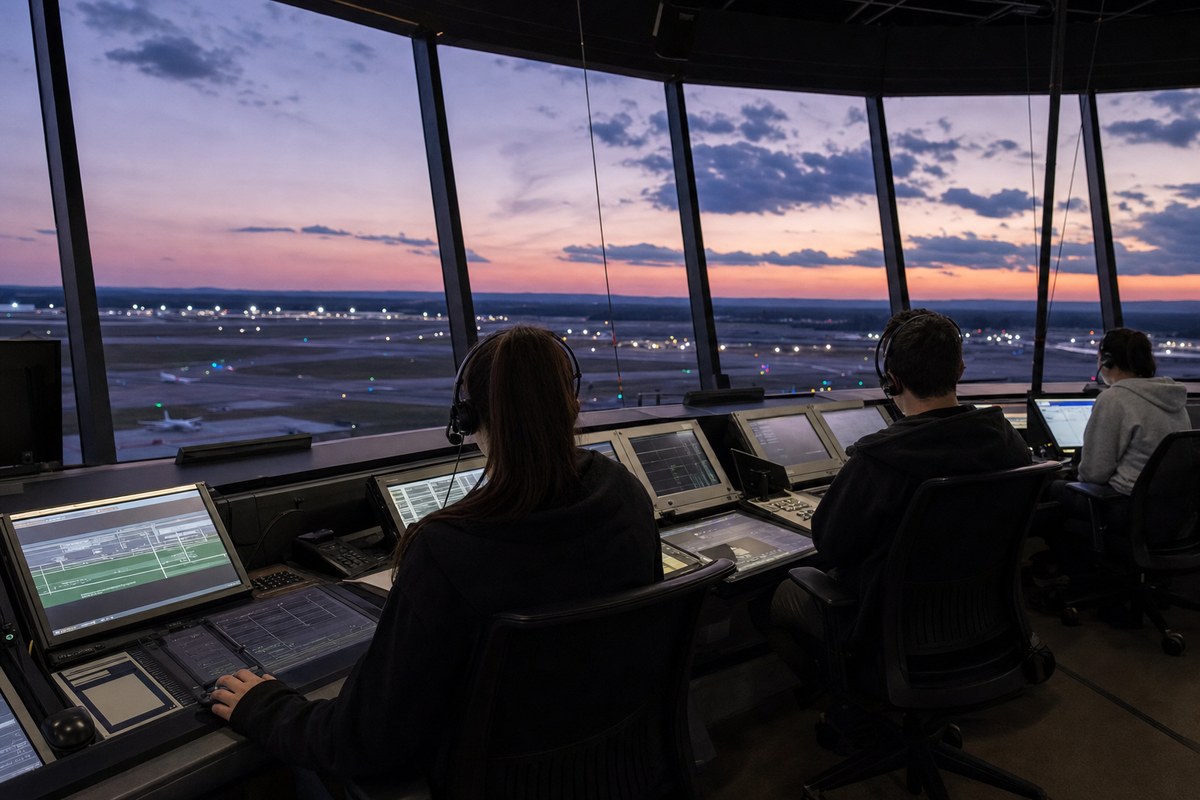
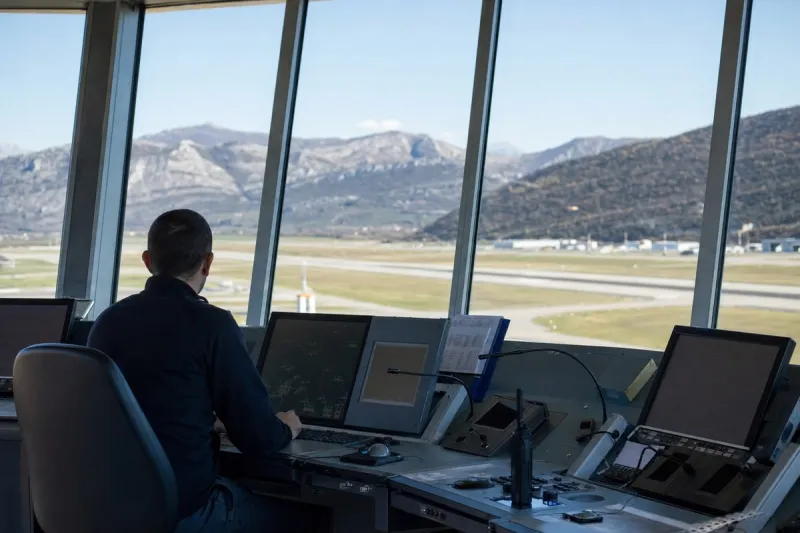
At SUNY Schenectady, students train in a simulated tower, guiding planes on and off the runway. The college is one of several schools that allow students to bypass the FAA Academy after earning a two-year associate degree. Mike Gersh, the college's director of aviation and a former Air Force and FAA controller, said such programs exist to fill a staffing gap because the FAA Academy is limited in how many controllers it can train each year. Gersh said SMART is not part of the curriculum because graduates typically begin at lower-level towers, and that students will see more of it in the field once it is more tested. He said controllers have always had to adapt to new technology and that the tool is fine as long as a human is overseeing it.
Students Matthew Brooder and Reggie Wilson said they were drawn to the work for its impact and their interest in aviation. Wilson called AI a useful tool; Brooder said he does not believe computers can fully replace controllers because of the knowledge and intuition scenarios require.