Becoming an FAA-Certified Airframe and Powerplant Technician: Four Steps, From Eligibility to Certification
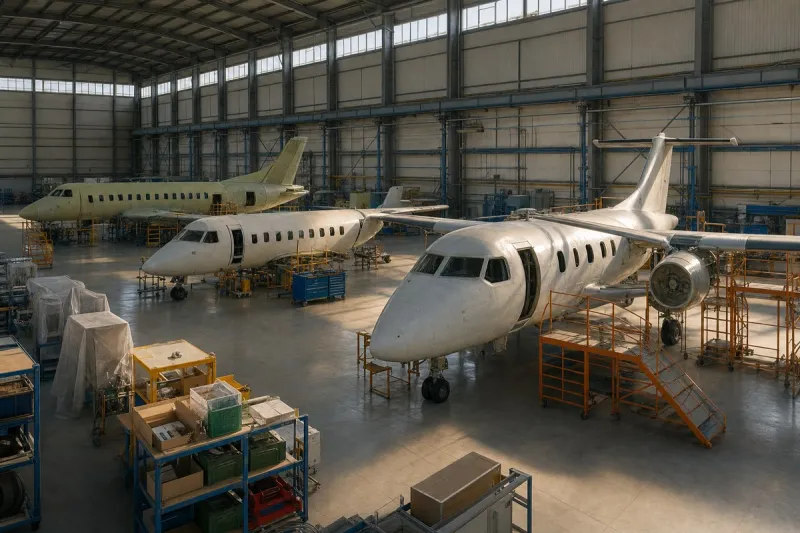
Why It MattersMaintenance-technician supply is a structural constraint on fleet availability, since the training pathway of 14 to 24 months limits how quickly new mechanics can enter the workforce.
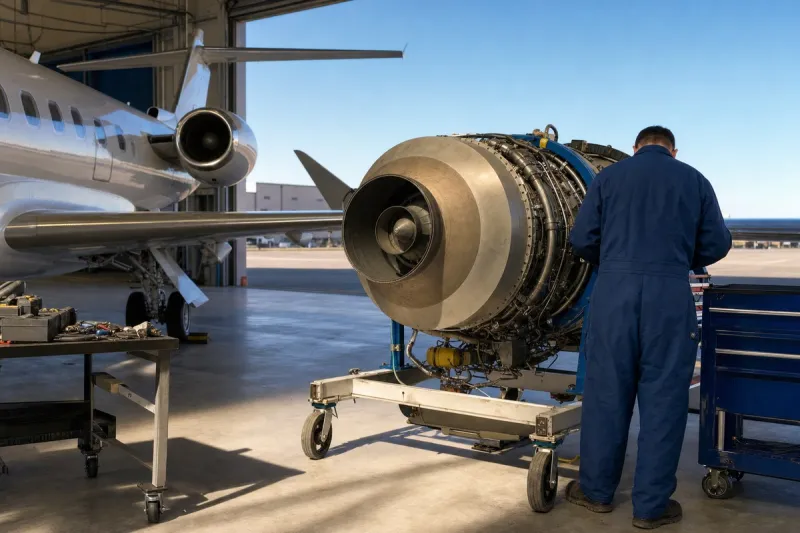
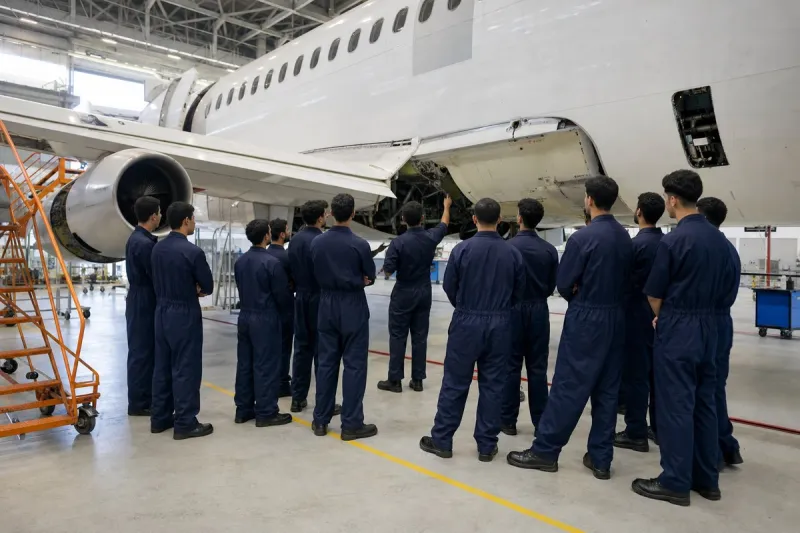
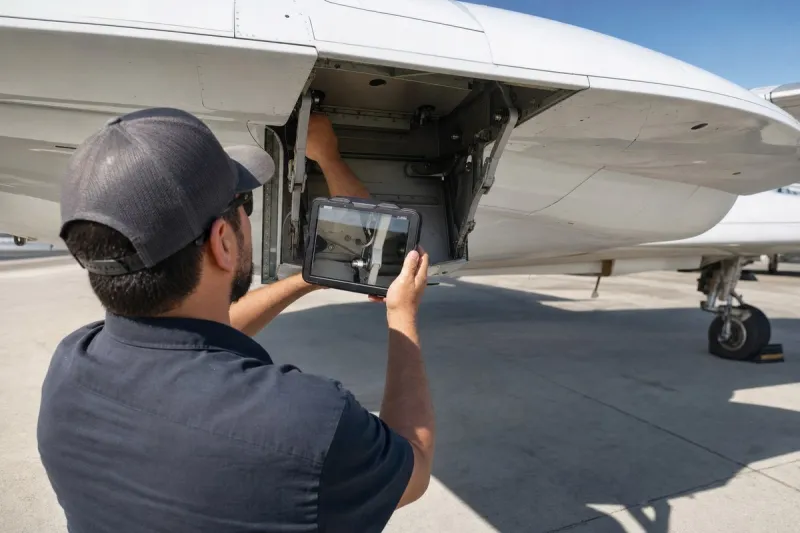
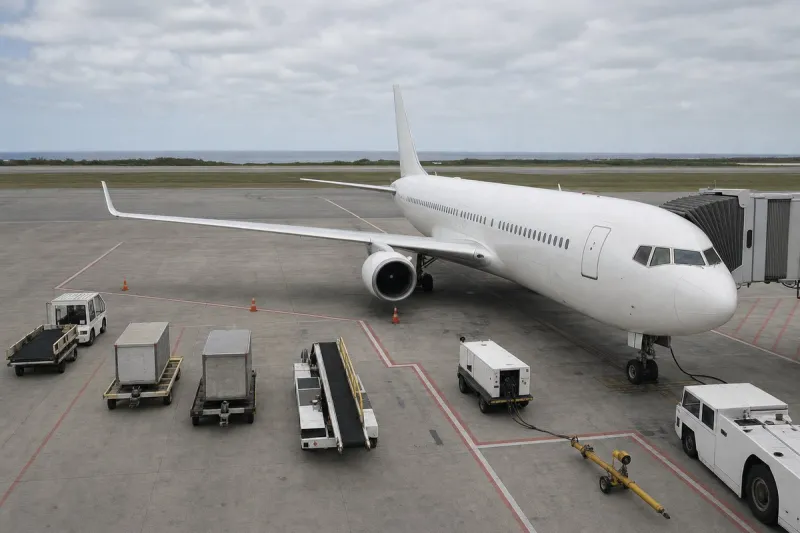
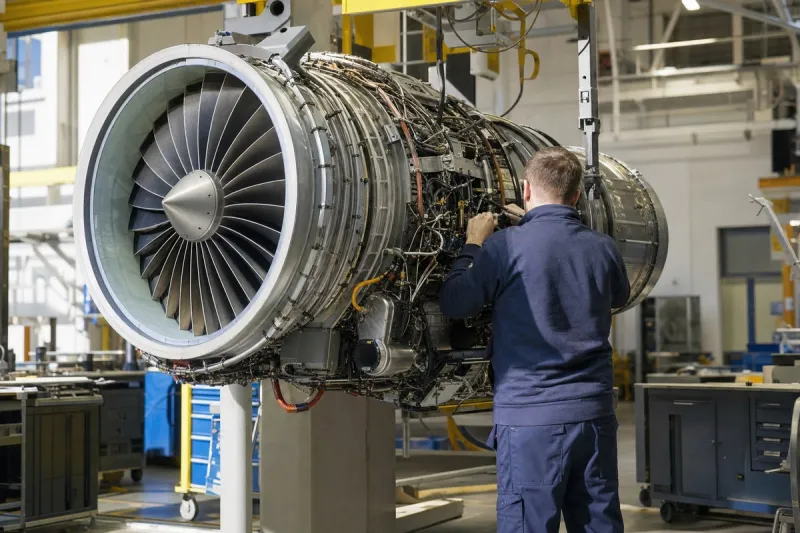
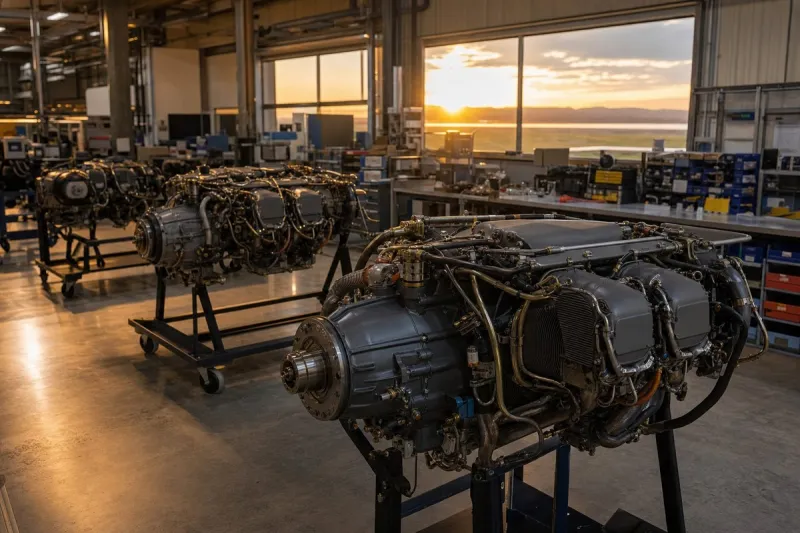
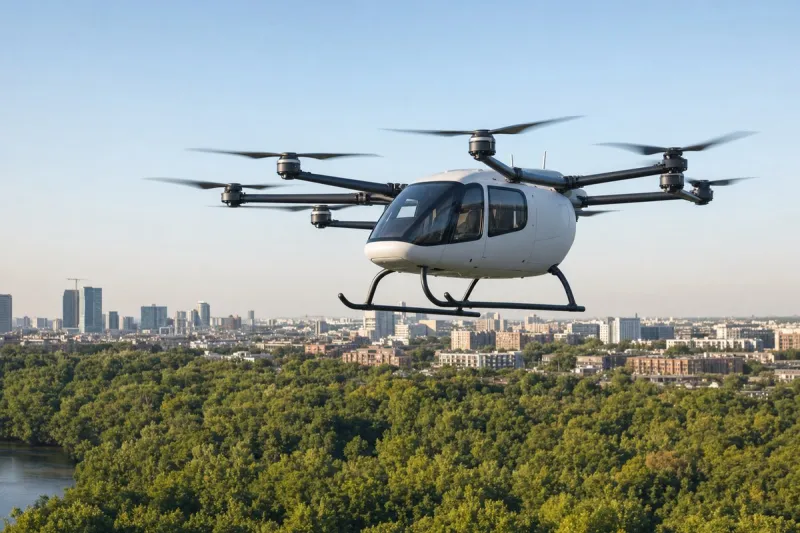
Airframe and powerplant technicians (A&Ps), also known as aircraft mechanics or aviation maintenance technicians (AMTs), keep aircraft in safe working condition. Although they often specialize, A&Ps are certified to work on all parts of all types of aircraft, from widebody commercial airliners to small two-seat helicopters. Employers range from flying schools and airlines to aircraft maintenance contractors.
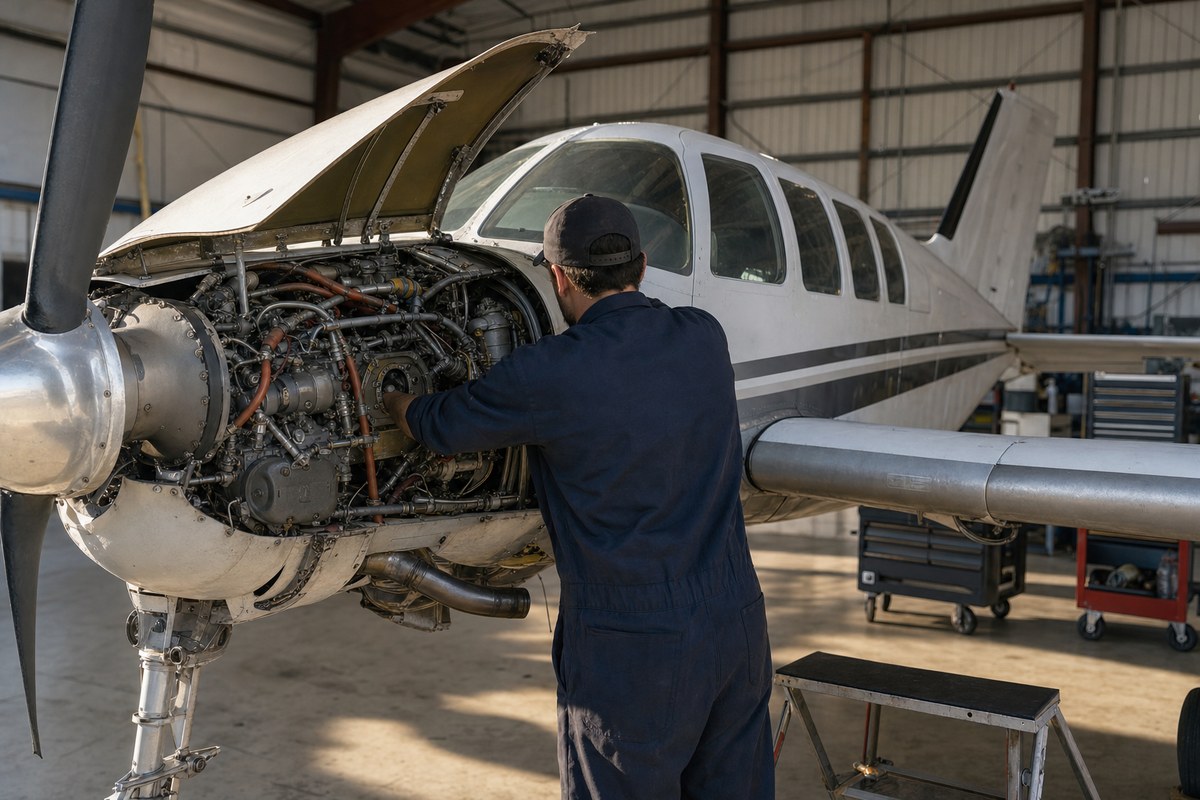
Becoming an A&P involves four main steps. First, candidates must be at least 18 years old and able to read, write, speak and understand English. Second, they must meet an FAA training or experience requirement in one of three ways: graduating from an FAA-approved aviation maintenance technician school, the most common route but one that involves paying for the program; completing a Joint Service Aviation Maintenance Technician Certification Council training course, an option for those with military experience; or completing 18 months of practical work experience. School programs typically run 14 to 24 months.
Third, candidates must pass FAA testing: three knowledge tests, followed by an oral test and a practical test. Fourth, they obtain the FAA certificate, which has no expiration date and requires no medical testing. It carries two ratings, airframe and powerplant, and most mechanics obtain both, earning the A&P designation.
According to the Bureau of Labor Statistics, the median salary for aircraft mechanics in 2025 was $80,180. The Bureau anticipates 4 percent growth for aircraft and avionics mechanics through 2032, and aviation training company CAE projects a need for 138,000 AMTs by 2033.