Pablo Torre Confirms Investigation Into LeBron James' Fanatics Helicopter Commute
Why It MattersAviation perks written into athlete endorsement deals sit in a gray zone where corporate aircraft access can draw salary-cap scrutiny, making such clauses a compliance question for leagues, teams and sponsors alike.
What happened
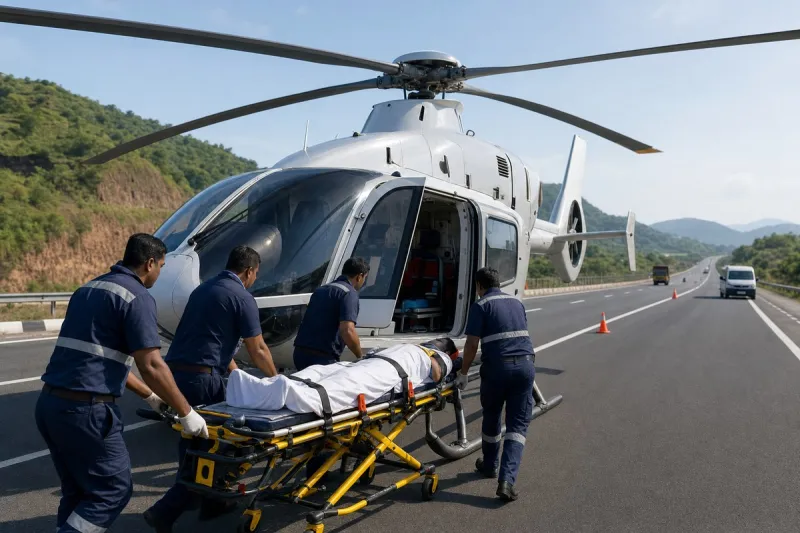
Journalist and podcaster Pablo Torre said at a Front Office Sports live event, Tuned In, hosted by reporter Daniel Roberts, that he is looking into LeBron James' use of a Fanatics-branded corporate helicopter to commute between New York and Philadelphia. Torre called it a good business story and also one of interest to the NBA, and said NBA owners are sending him the original story and asking what it means.
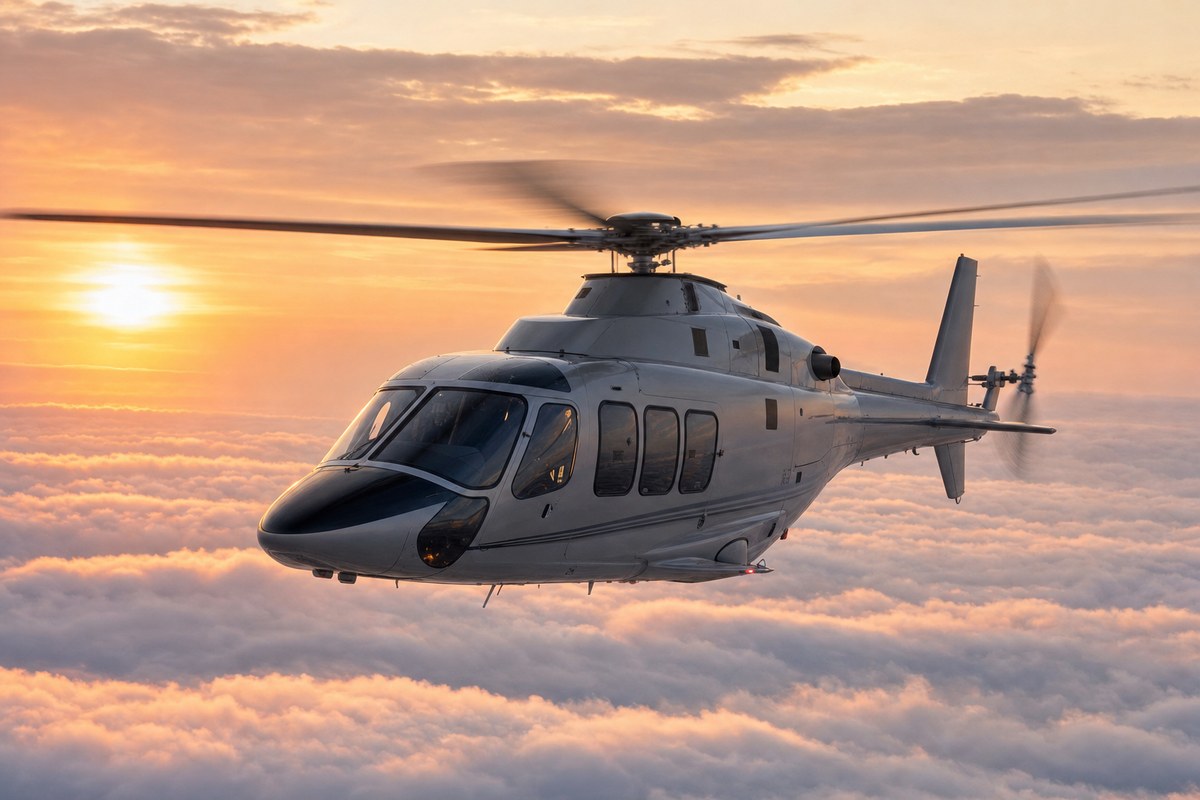
Front Office Sports reporters Roberts and Colin Salao first reported the arrangement. James does not pay out of pocket for the flights; they come through an aviation clause in the multi-year trading card and memorabilia deal he signed with Fanatics, led by Michael Rubin, in January 2024. A spokesperson for James said the agreement includes access to Fanatics' corporate aviation, a feature in many of the company's deals with its largest athletes.
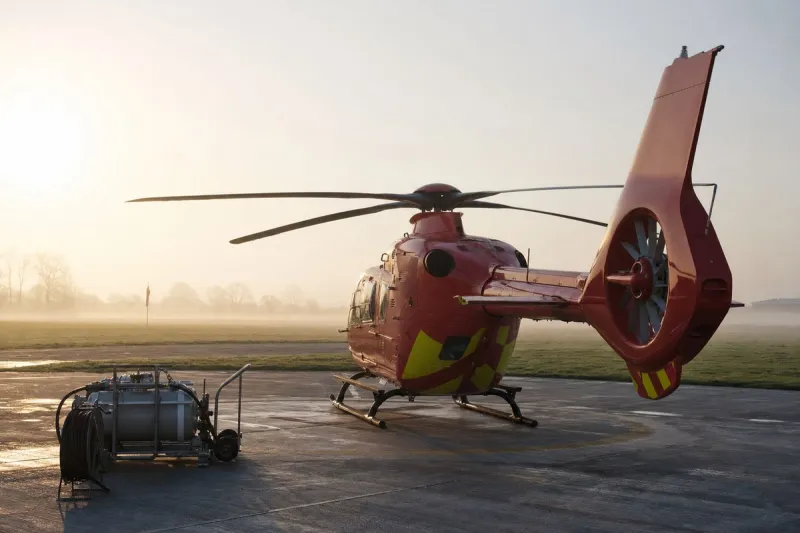
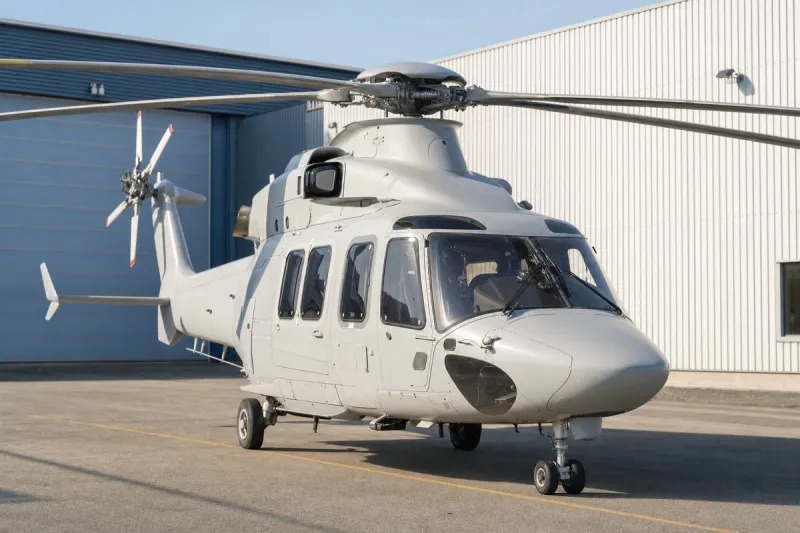
Flight records show the Leonardo AW139 helicopter, carrying Fanatics branding, made more than a dozen round trips between New York and Northeast Philadelphia Airport in early October. Each one-way charter is estimated to cost $4,000 to $10,000 and takes about 30 minutes, versus a drive of 90 minutes to two hours. Front Office Sports noted that James did not necessarily make all of those trips, since the company also uses the aircraft as a corporate shuttle.
The perk predates James' two-year, $8 million contract with the 76ers, signed in July, under which he will earn $3.87 million this season, the lowest annual salary of his career. Rubin held a 10% stake in the 76ers before leaving ownership in 2022. James also has a reported partnership with Polymarket worth about $15 million a year.
Industry impact & what to watch
Corporate aircraft access is a common currency in top-tier athlete endorsement deals, and this case shows how it can leave the sponsorship ledger and land in a league's compliance conversation. Torre and Roberts pointed to the questions such arrangements raise about cap circumvention, citing the alleged team-paid helicopter arrangement in the Clippers case covered on Torre's podcast. A shuttle flown by a sponsor for its own business purposes is hard to separate cleanly from a benefit delivered to a player, which is why the aviation clause, not the flight itself, is the item under examination.
For business aviation, the economics matter beyond the headline. A 30-minute rotorcraft hop replacing a drive of up to two hours is a straightforward time-for-cost trade, and the estimated $4,000 to $10,000 per one-way charter shows how such perks are priced as a negotiated line in a larger contract. Dual-use aircraft, flown as a corporate shuttle and also available to a sponsored athlete, make attributing any single flight to the player difficult.
Torre's reporting is the next marker. Whether the NBA acts on the owner tips he describes will show if aviation clauses in endorsement contracts become something the league reviews directly.