Maharashtra Plans Air Ambulance Service on Three Highways From Early Next Year
Why It MattersState-backed highway air ambulance demand would open a new public-contract segment for helicopter and air medical operators, though it depends on helipad, night-landing and coordination infrastructure still to be built.
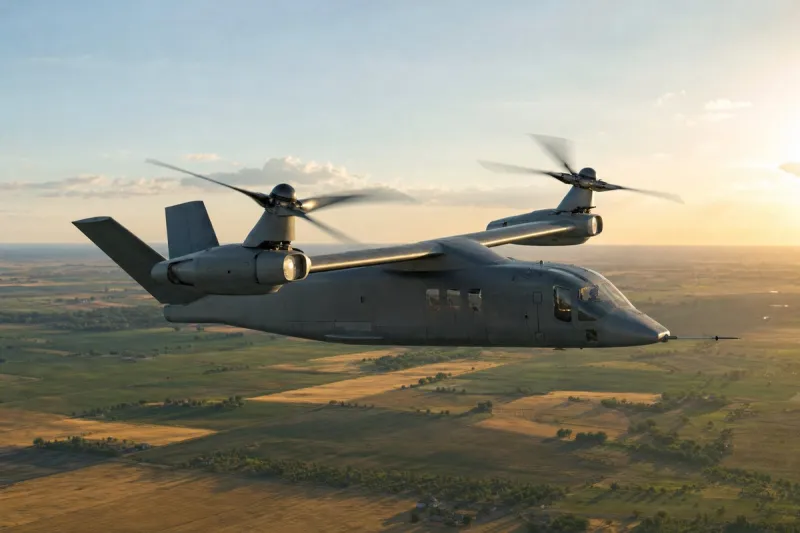
The Maharashtra government plans to launch an emergency air ambulance service on three major highways from early next year, transport minister Pratap Sarnaik said on Tuesday. The service will cover the Samruddhi Mahamarg (Mumbai-Nagpur highway), the Pune-Mumbai Expressway and the Mumbai-Goa highway. Its aim is to transport critically injured accident victims to hospitals within the "golden hour", the first hour after an accident, when timely treatment can significantly improve survival chances.
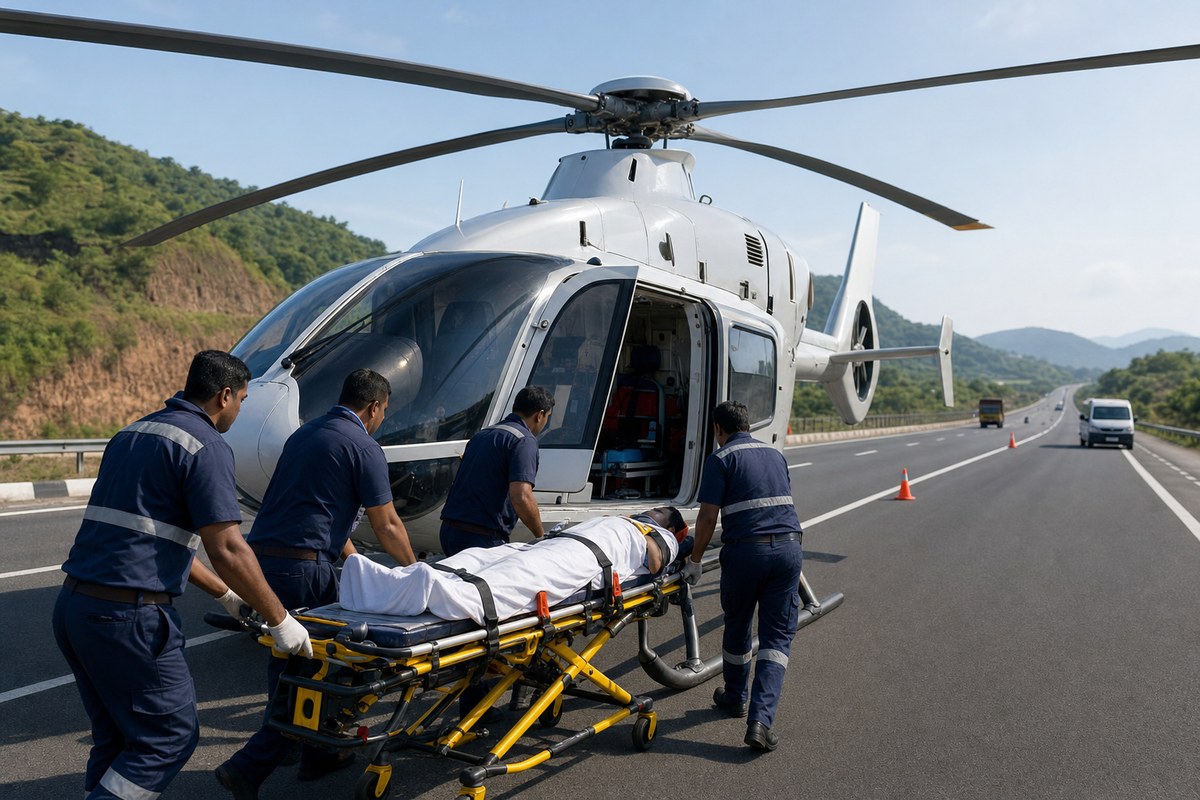
The government plans to finalise and secure approval for a standard operating procedure (SOP) by Nov 15. The tendering process will begin after approval from a high-powered committee, expected by the end of November, and the service is scheduled to become operational at the beginning of the new year. Sarnaik said around 15,000 road accidents are reported in Maharashtra every year, and that reaching victims quickly remains a challenge on highways because of traffic congestion, long distances to hospitals and inadequate access to emergency medical facilities.
The proposed system will focus on air ambulance availability, safe transport of injured victims to trauma care centres and coordination among emergency response agencies. The transport department will work with the health department and police to frame the SOPs. The plan also includes developing a network of trauma care centres, empanelling service providers, allocating funds from the road safety fund and standardising emergency response protocols.
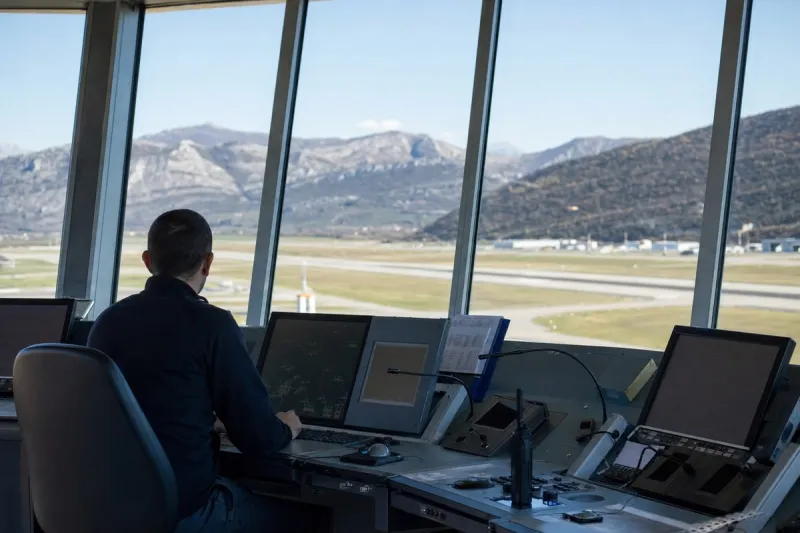
Aviation analyst Dhairyashil Vandekar cautioned that a round-the-clock service would require substantial infrastructure and coordination among the National Highways Authority of India (NHAI), the Maharashtra State Road Development Corporation (MSRDC), the health department, the Directorate General of Civil Aviation (DGCA), air traffic control authorities and hospitals. He said dedicated helipads at regular intervals, night-landing facilities, specially trained paramedics and a robust command-and-control centre would also be essential.