Cut Fiber Line Near FAA Tower Triggers Nearly 11-Hour Ground Stops at Raleigh-Durham
Why It MattersSingle-circuit failures at one facility can ripple across national airspace, and Raleigh-Durham sits alongside Philadelphia and Minneapolis as a recent case showing how thin telecom redundancy can ground flights across multiple regions.
What happened
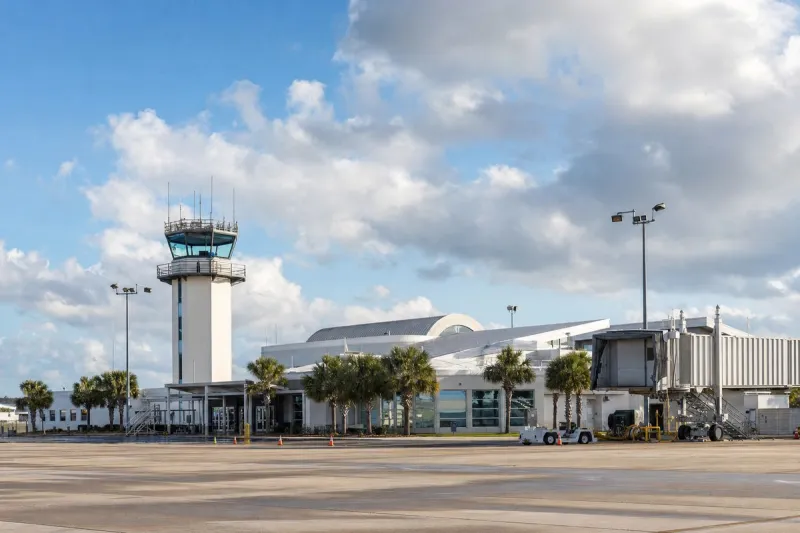
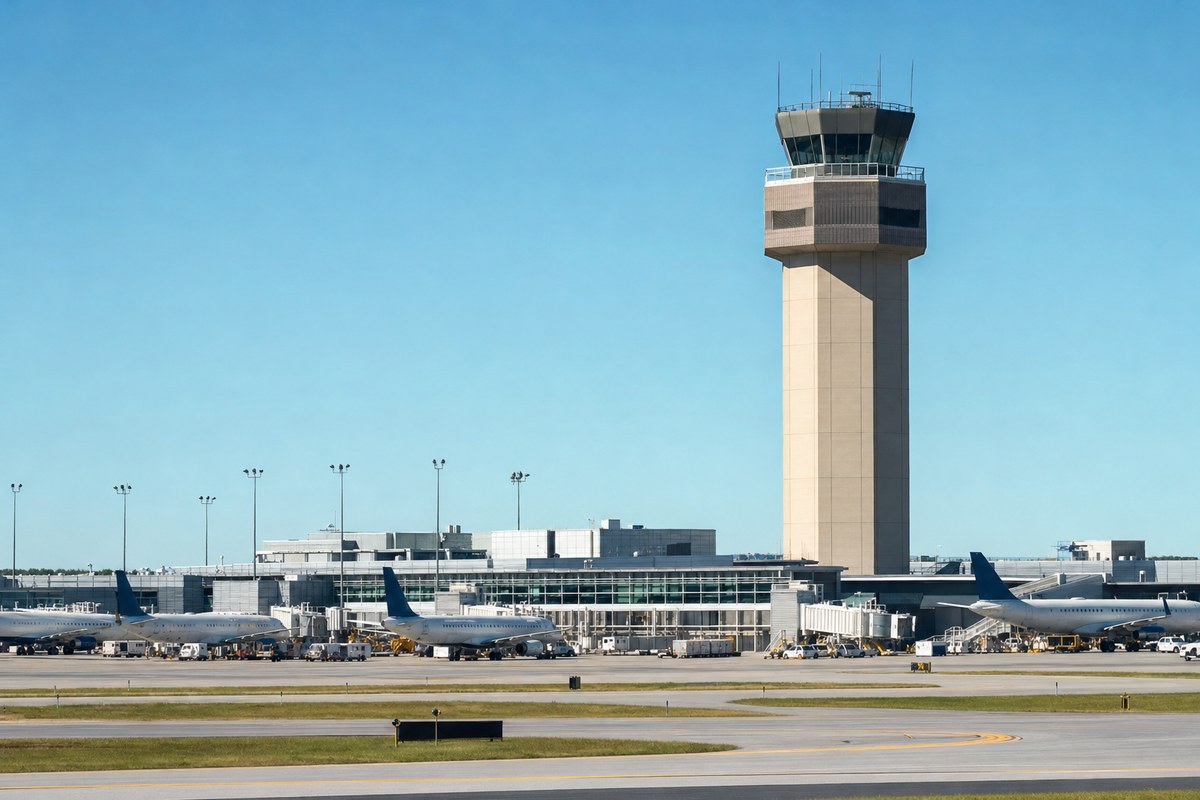
A fiber-optic line cut near the FAA tower at Raleigh-Durham International Airport (RDU) led to a day of FAA ground stops and a ground delay program on Monday, October 12, 2026, after air traffic control there lost communications and automation. An RDU spokesperson told ABC11 that a contractor had cut the line during a plumbing repair. The FAA did not declare the airport back to normal until 8:48 p.m.
The first ground stop took effect at 10:10 a.m. Eastern and held RDU-bound departures at airports under eight FAA en route centers; the FAA's comment line read "loss of comms and automation." About an hour later the stop was widened to every departure airport in the contiguous US, plus six Canadian airports including Toronto Pearson and Montreal. Shortly after noon it gave way to a ground delay program that capped RDU at 10 arrivals an hour, with FAA technicians on site and Washington Air Route Traffic Control Center handling the airspace.
The extended delay program showed an average assigned delay of 189 minutes, and the longest delay given to a single flight was 584 minutes, almost 10 hours. By Monday evening about 261 flights at RDU had been delayed, according to FlightAware figures cited by WRAL. By Monday afternoon RDU had 212 delays and nine cancellations, ABC11 reported, including an international flight to Rome.
WRAL reported that an inbound flight from New York JFK held and then landed in Richmond, Virginia, while another diverted to New Bern, North Carolina. RDU initially told WRAL that flights were delayed about 20 minutes while repairs were made, and its spokesperson later said repairs were ongoing and referred questions about FAA systems to the agency.
Industry impact & what to watch
Controllers rely on telecom circuits to carry radio, radar and automation data. When those links drop, a ground stop keeps flights at their origin instead of holding them in the air, and a ground delay program then assigns timed departure slots matched to the rate the remaining equipment can handle. That sequence explains why a fault at one tower produced restrictions reaching the whole contiguous US and Canadian airports.
Similar disruptions occurred earlier: on September 21, a cut backup cable and a failed primary circuit at Philadelphia TRACON stopped flights at five Northeast airports, and in August a two-hour equipment failure at Minneapolis Center grounded flights across nine states. Three infrastructure-linked disruptions in roughly two months point to telecom path diversity as a recurring pressure point in air traffic control.
The FAA has not publicly said whether the RDU facility had a backup path for the cut circuit. Its answer on that point would settle whether this was a redundancy gap or a failure of an existing backup.