Saudi Arabia Reports Three Wounded After Houthi Strikes on Jazan and Najran Airports
Why It MattersAirports near active conflict zones face recurring risk of strikes on civilian aviation infrastructure, forcing authorities to balance continued operations against escalating military activity nearby.
What happened
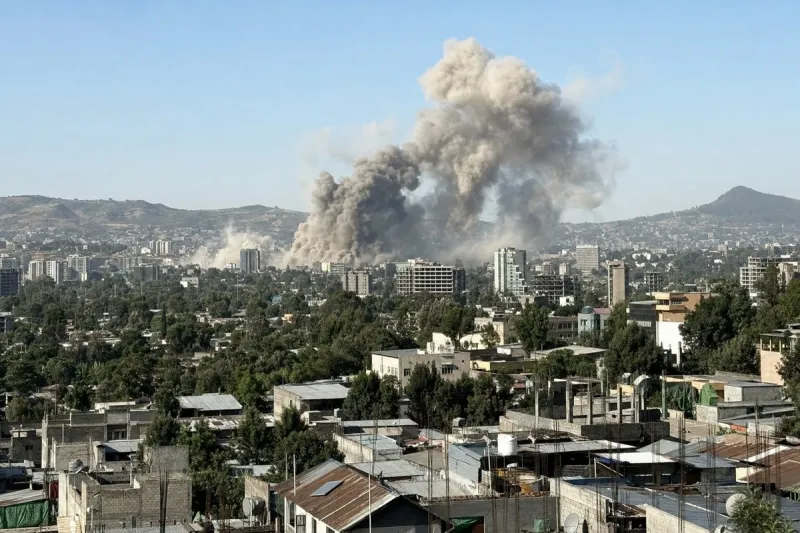
Saudi Arabia's Civil Aviation Authority said three people were wounded and material damage occurred after attacks struck King Abdullah bin Abdulaziz Airport in Jazan and Najran Airport on Monday evening. In a statement issued Tuesday, October 6, 2026, the authority described three minor injuries, said the wounded had been taken to hospital, and said specialised teams responded immediately.
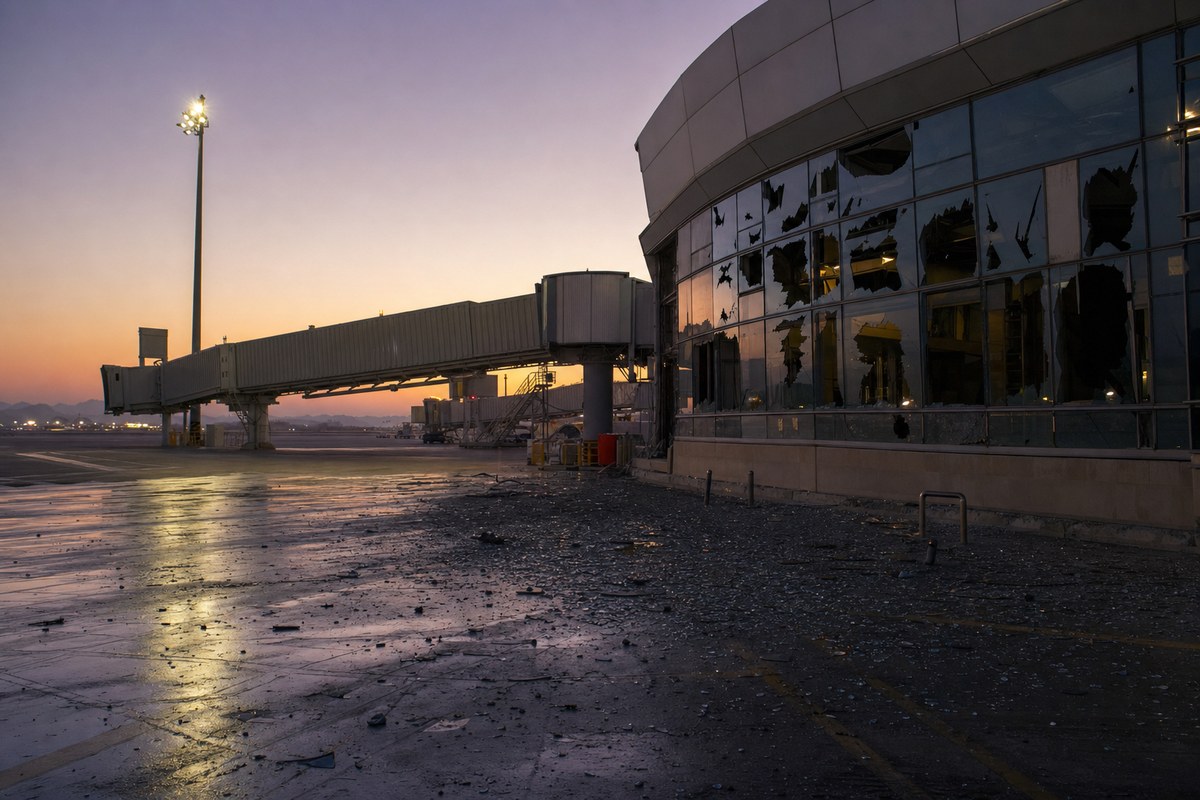
Yemen's Houthis, also known as Ansar Allah, said their forces targeted sites across southern Saudi Arabia, including airports and military sites. Gulf Cooperation Council Secretary-General Jassim al-Budaiwi described the strikes on airports and civilian facilities as "a dangerous escalation" and called on the international community to take a firm stance. Kuwait's Ministry of Foreign Affairs condemned the group's "continued brazen and disgraceful attacks" on Saudi Arabia.
The Saudi-led coalition said early Tuesday it destroyed a ballistic missile launch platform in Sanaa and a storage facility in Saada containing 20 ballistic missiles. Forces aligned with Yemen's internationally recognised government, backed by Saudi Arabia, launched a counteroffensive and said they had retaken the Red Sea port city of Mocha and gained control of the Bab al-Mandeb strait. The coalition confirmed 100 of its fighter jets are providing air support to the government offensive. Separately, Saudi Arabia, Turkiye and Pakistan agreed to activate collective deterrence measures under a mutual defence pact and rapidly deploy forces to Saudi Arabia, with Saudi Defence Minister Khalid bin Salman saying the alliance "reaffirmed the solidarity and unity of our countries in confronting the heinous attacks against the Kingdom".
Industry impact & what to watch
Strikes on Jazan and Najran airports place civil aviation facilities directly inside an active military confrontation, a pattern that forces operators and regulators to weigh continued commercial activity against direct exposure to missile and drone attacks. Airports near contested borders generally maintain contingency protocols — rapid-response medical teams, damage assessment crews, and coordination with national aviation authorities — precisely because such facilities can become targets even when they serve primarily civilian traffic.
The broader military escalation, including the coalition's strikes on missile infrastructure in Sanaa and Saada and the counteroffensive toward Mocha and the Bab al-Mandeb strait, signals that southern Saudi airspace and airport operations could face continued disruption risk rather than an isolated event. The trilateral defence arrangement with Turkiye and Pakistan adds a layer of regional military coordination whose operational implications for airspace management remain unclear.
What happens next will depend on whether the Saudi-led coalition's countermeasures reduce further strikes on airport infrastructure, and on official statements from the Civil Aviation Authority regarding any operational restrictions at Jazan and Najran airports.