Flight Data Monitoring and AI Emerge as Proactive Safety Tools in Business Aviation
Why It MattersWider FDM and AI adoption could push business aviation safety culture toward systemic, data-driven risk management, but uneven uptake may widen gaps between large and small operators.
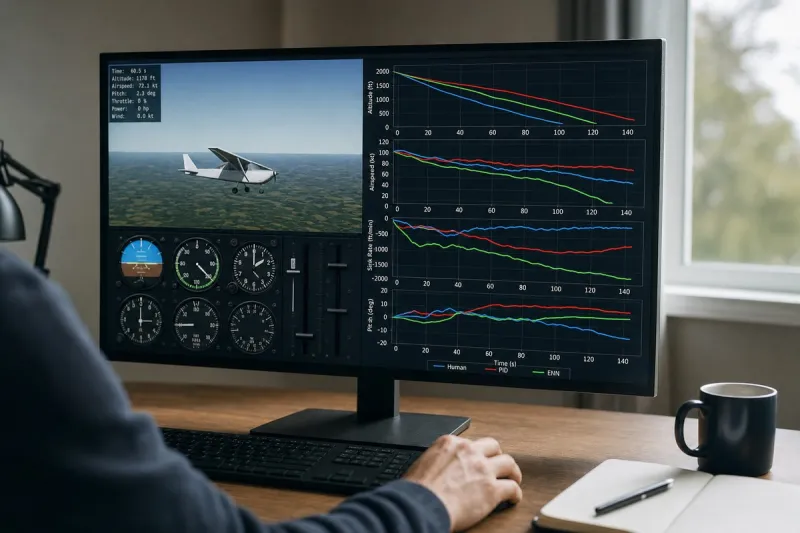
Risk analysis in business aviation is moving from after-the-fact reviews toward anticipatory approaches built on flight data monitoring (FDM) and artificial intelligence, though adoption remains uneven and cultural resistance persists. FDM converts raw flight data into actionable insight by analyzing an entire mission against historical patterns, performance parameters, and real-time conditions. Bombardier Director of Connected Aircraft Programs Gervais Arel points to automation as a key driver, citing the company's Smart Link Plus system, which automates flight data collection and transfer via wireless quick access recorder capability and integrates with GE's C-FOQA service for safety analysis.
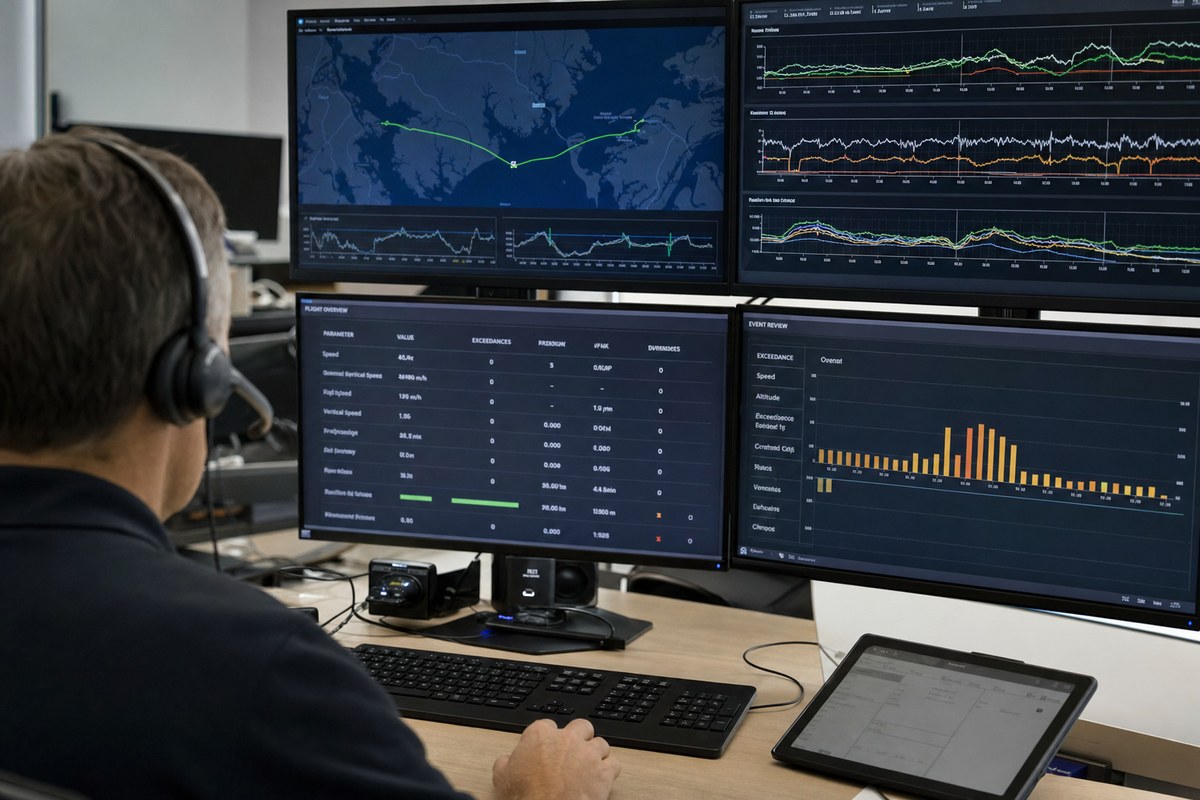
Northwell Health Captain and NBAA Safety Committee member Annmarie Stasi says larger operators generally find FDM easier to adopt than smaller ones, which face greater cost barriers, and notes the proactive benefits may extend to reduced insurance premiums. Andrew Karas, IS-BAO Program Director at IBAC, says FDM has shifted the safety focus from asking what happened to spotting patterns in normal operations before they escalate; for smaller flight departments, he says the biggest change is often cultural, requiring crews to trust that FDM improves operations rather than monitors individuals, and management willing to act on findings. Karas adds that the most effective programs embed FDM within a broader safety management system, linking findings to risk assessments and corrective actions.
FDM adoption in the United States remains limited, with safety departments generally not using it systematically except where mandatory, and flight data recorders often applied to maintenance rather than operational purposes. Four conditions are identified as essential for data-driven safety: trustworthy data integrity, transparency about how data is used and protected, actionability leading to visible improvements, and a robust non-punitive policy against disciplinary use of flight data.
On the AI side, the technology is not yet used systematically within FDM but already aids pattern recognition and large-dataset analysis, with its greatest potential in identifying factor combinations tied to elevated risk. Collins Aerospace's Ascentia platform for aircraft health management and predictive maintenance integrates aircraft data, maintenance history, and pilot reports into proprietary algorithms using AI and machine learning to identify patterns and recommend actions before issues escalate.