US Airspace Restrictions: Prohibited Zones Cover Capital, Military Sites, Disney Parks as FAA Proposes Drone Limits on Critical Infrastructure
Why It MattersExpanding drone flight restrictions around critical infrastructure add to the layered airspace constraints that flight planning for business aviation operators in the US must already account for.
Airspace over the United States is subject to a growing number of restrictions, with dozens of locations where flying is limited or forbidden outright. Two main designations apply: P-zones (prohibited areas), where flights are forbidden without permission, and restricted areas (R-areas), which cover places with unusual or invisible hazards such as military equipment testing. Restricted areas can be designated hot or cold, meaning the restrictions are not always in force. Many carry caveated rules, such as permission to fly above certain altitudes.
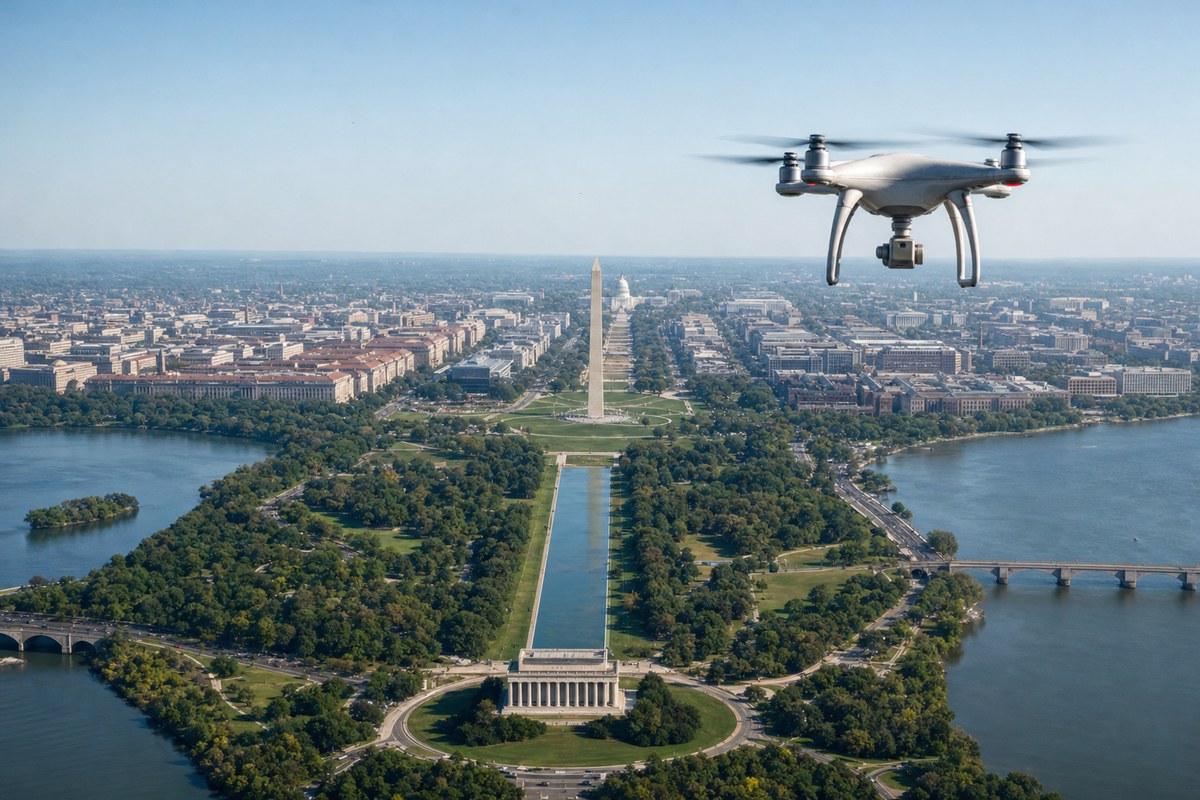
In Washington, D.C., the prohibited areas P-56A and P-56B protect Capitol Hill, the Lincoln Memorial and the Naval Observatory; no craft flying below 18,000 feet may cross them without express permission, and the rules apply to drones as well. A Flight Restricted Zone extending 15 nautical miles also surrounds Ronald Reagan Airport. The Bush Ranch in Texas was designated P-49 in 2001, and that designation remains in place. An aircraft that violated the restricted airspace above Camp David was escorted out by a fighter jet. Military and strategic sites are covered by numbered zones, including Pantex (P-47), Kitsap Naval Base (P-51), the Naval Submarine Base at Kings Bay (P-50), Restricted Area 4808 North (R-4808N) over Area 51, and the Dugway Proving Ground in Utah (R-6402A and R-6402B).
For energy and infrastructure sites such as nuclear plants and dams, flying overhead is not routinely prohibited, but pilots are strongly advised to avoid them. The FAA can issue Notices to Air Missions containing Temporary Flight Restrictions at any time, as it did in 2001 after the September 11 attacks. Disney World in Orlando and Disneyland in Anaheim are the only US theme parks with permanent no-fly zone protections, after Temporary Flight Restrictions covering open-air gatherings were made permanent for the two parks following lobbying by the parent company.
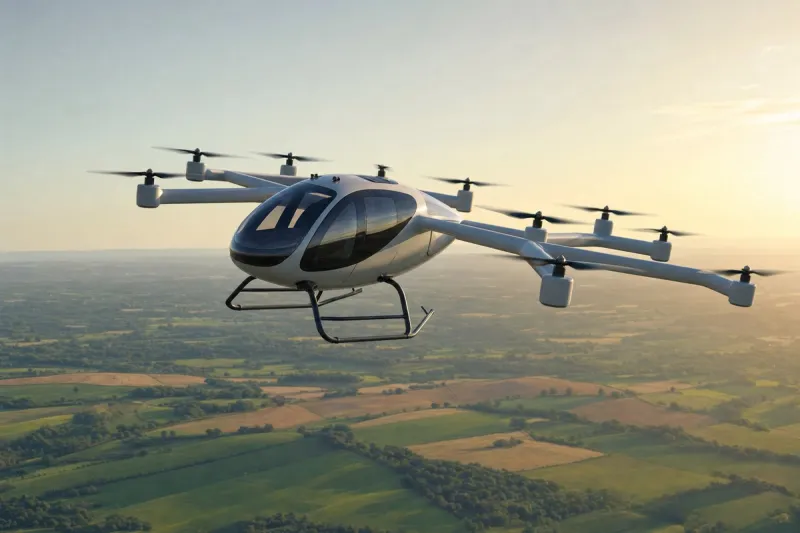
On the drone side, the FAA has issued a proposed rule allowing specific categories of critical infrastructure sites to apply for restrictions on drone operations around their facilities. Applications would be submitted and approved through a new FAA web portal on the basis of safety or security criteria, and 16 sectors would be eligible. The rule would create two restriction types: a Standard Unmanned Aircraft Flight Restriction, which bars unmanned aircraft within a defined boundary except for operators who have met rigorous safety and security standards, and a Special Unmanned Aircraft Flight Restriction, which would bar all operators unless they have express prior approval from both the FAA and the sponsoring agency, such as the Department of Homeland Security. Restricted areas would have defined horizontal and vertical boundaries, and violators could face civil or criminal penalties, including license suspension or revocation.