FAA's Emerging Technologies Division Leads Integration of Drones and eVTOL Aircraft into U.S. Airspace
Why It MattersStandardized FAA oversight pathways for drones and eVTOL could accelerate advanced air mobility entrants' path to commercial operations across the national airspace system.
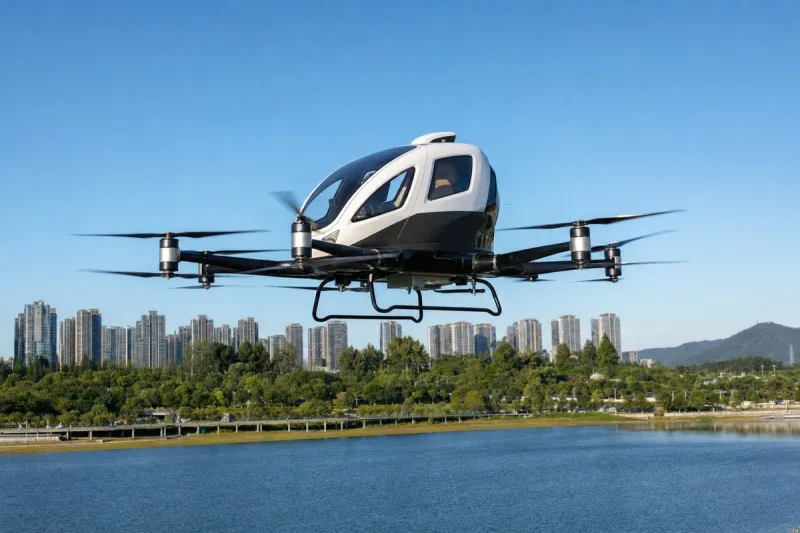
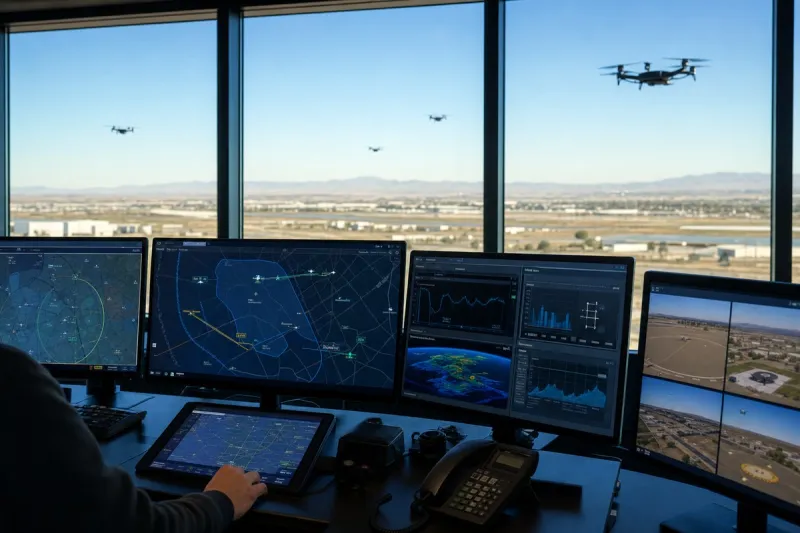
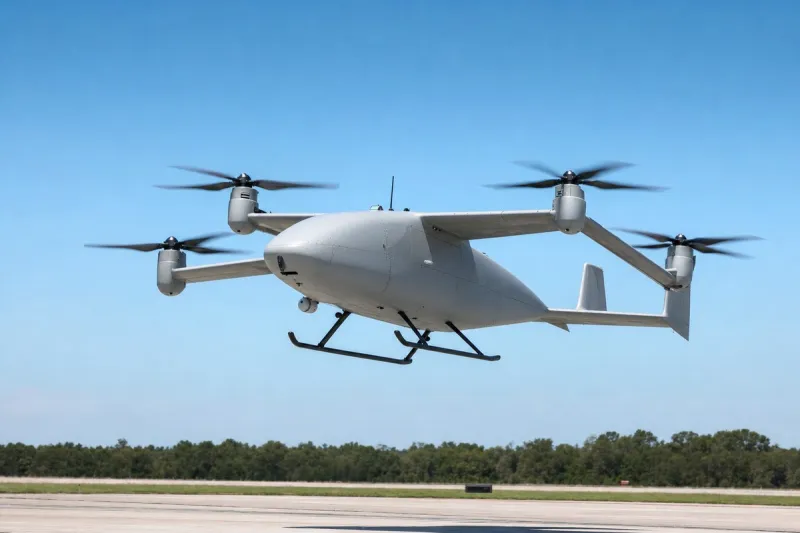
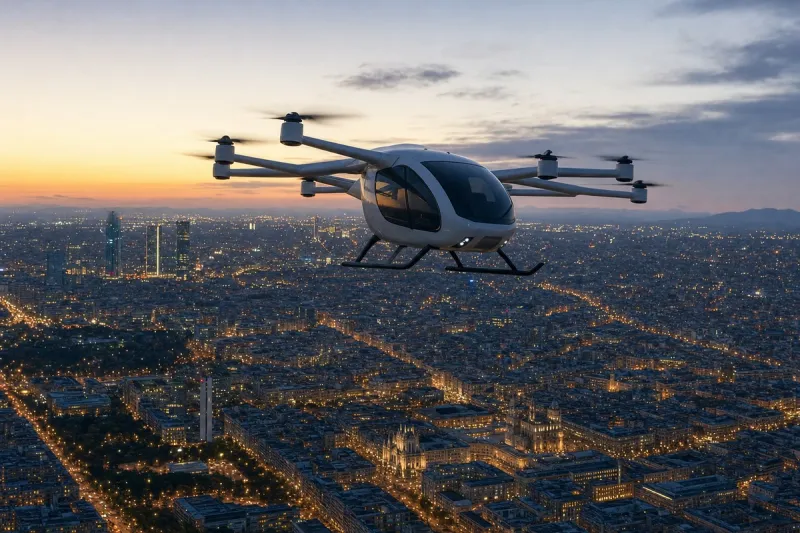
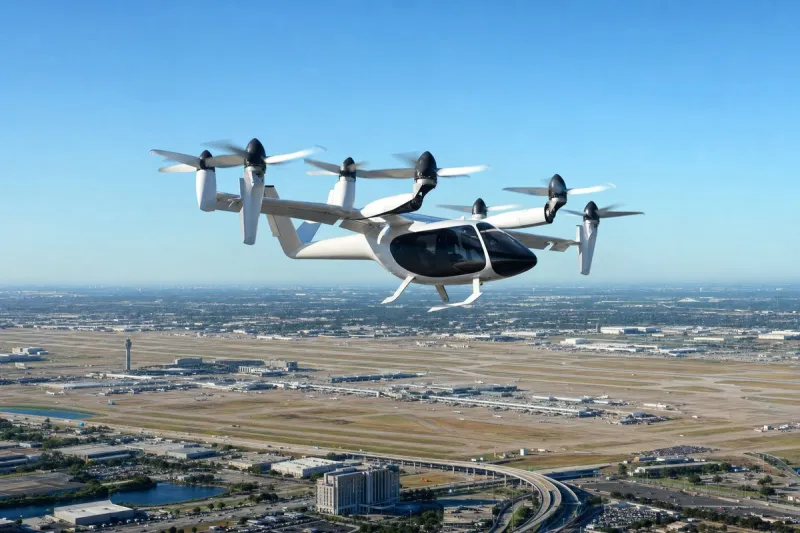
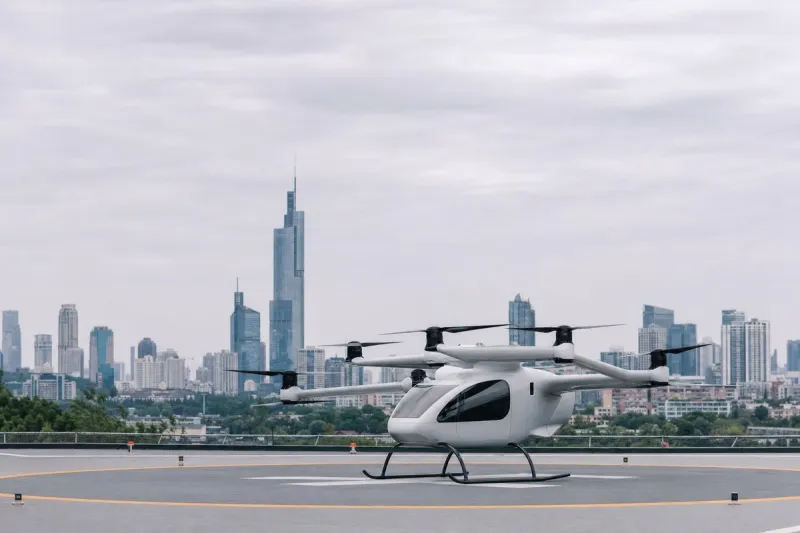
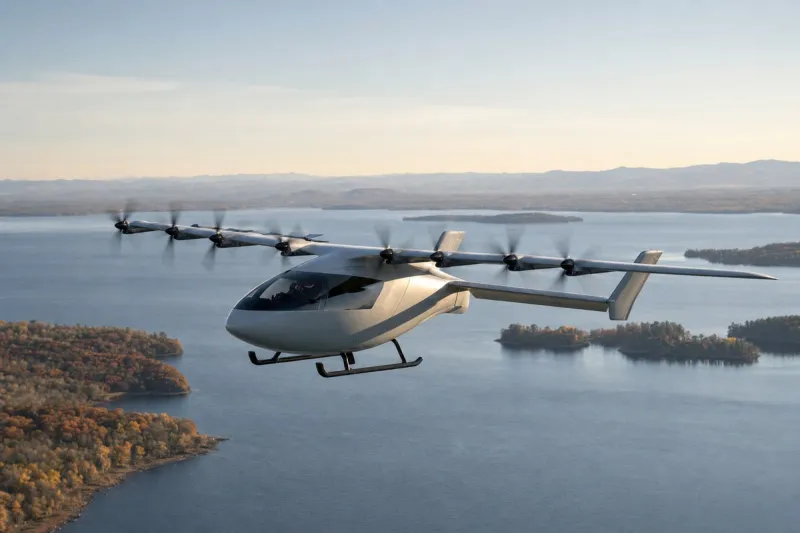
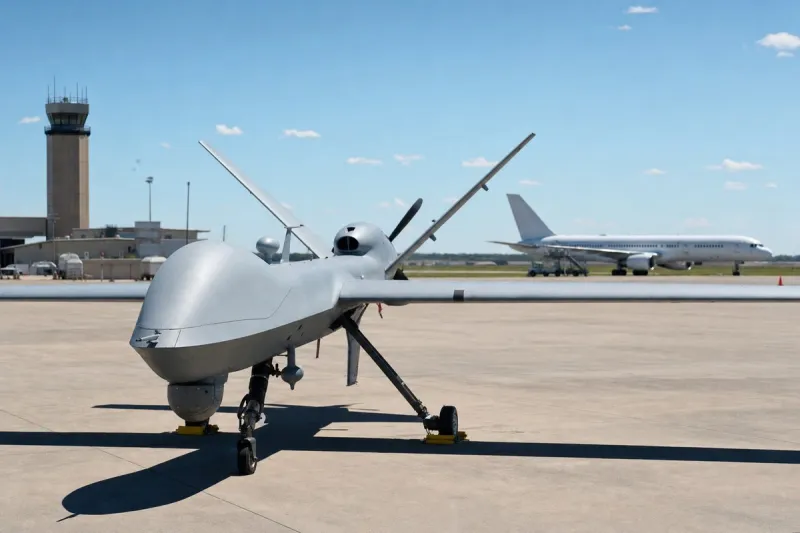
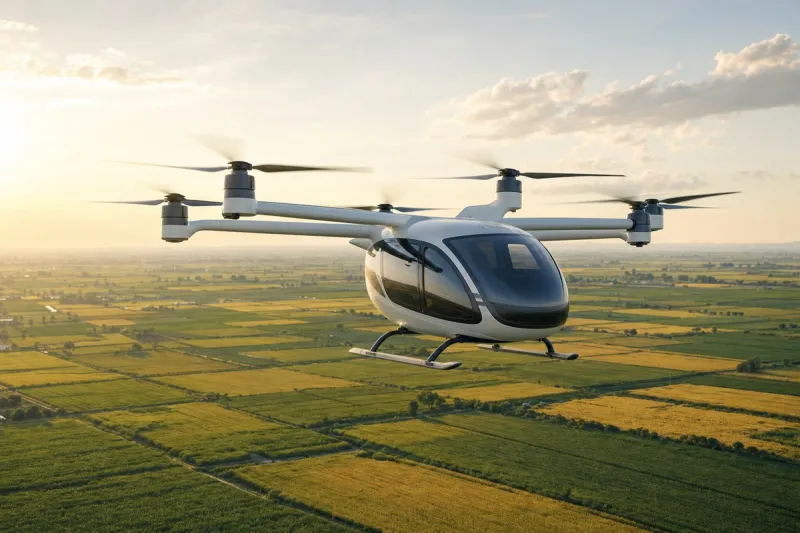
The Federal Aviation Administration's Flight Standards Service runs an Emerging Technologies Division that acts as the agency's centralized hub for overseeing drones and advanced air mobility, including eVTOL aircraft, as they integrate into the National Airspace System. Division manager Joe Morra described it as a "one-stop shop" guiding new entrants through a product development lifecycle that starts with an Integrated Proposal Document process and moves through aircraft evaluation, policy development, live operations, and safety assurance oversight.
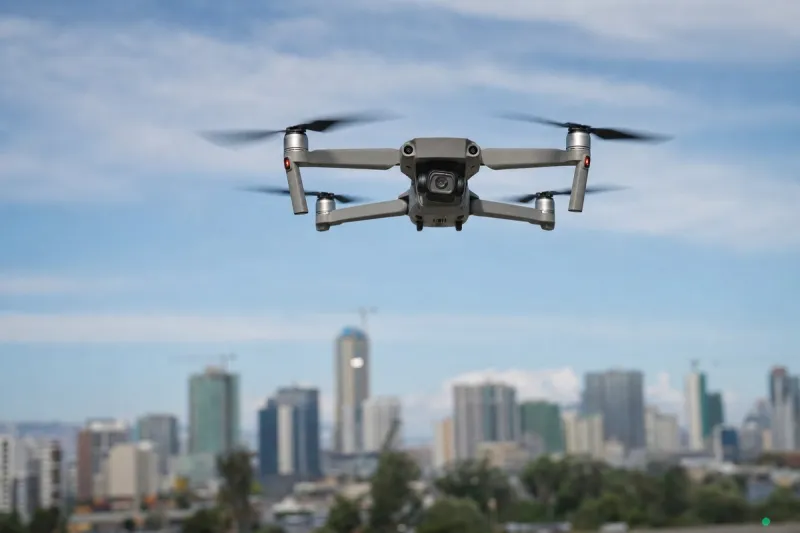
A central element of the division's approach is converting waiver and exemption data into standardized regulatory policy. Between 2016 and 2021, the FAA processed thousands of individual part 107 night-operation waivers, and analysis of that data allowed the agency to codify safety requirements directly into 14 CFR section 107.29, removing the need for repetitive individual waivers. The division has similarly standardized drone light shows, first responder operations, and agricultural drone operations through standard waiver and exemption templates, following a four-step process built on Safety Management System principles: intake and hazard analysis, testing and operational suitability demonstrations, safety risk documentation and policy drafting, and safety assurance implementation before field operations begin.
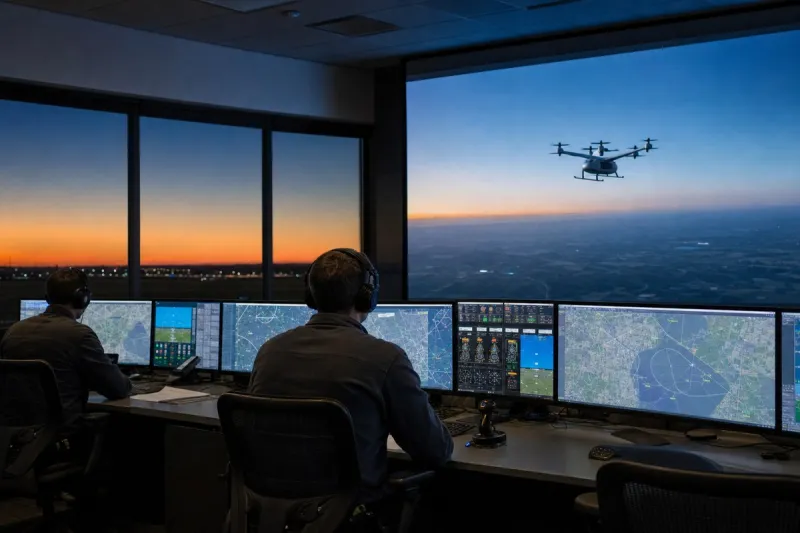
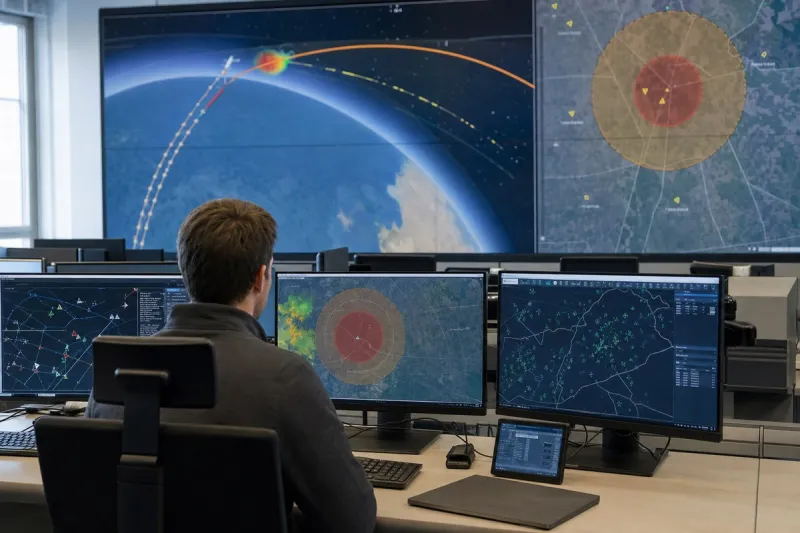
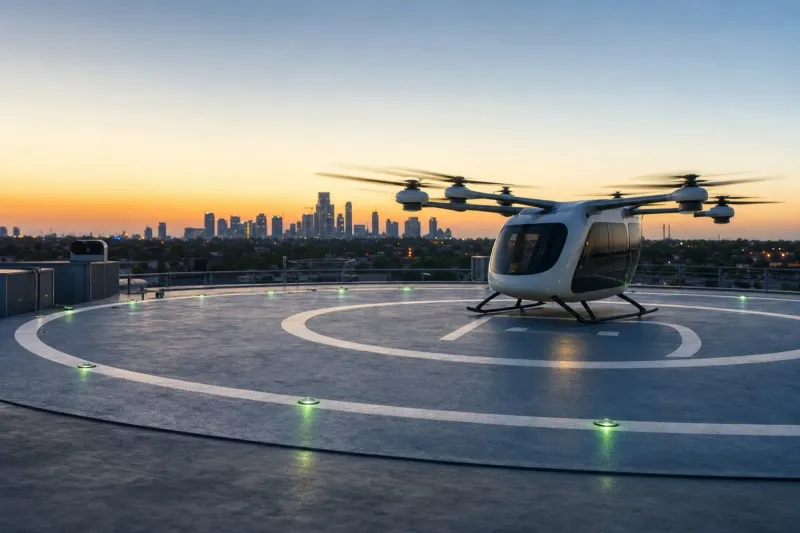
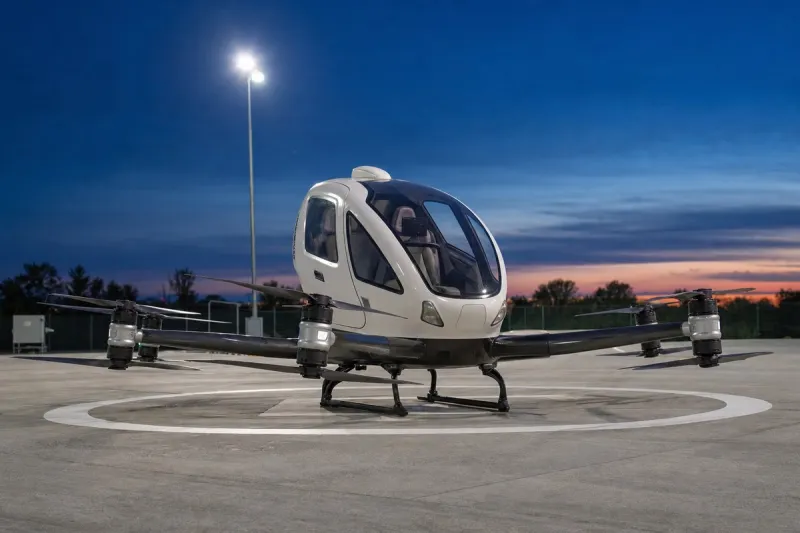
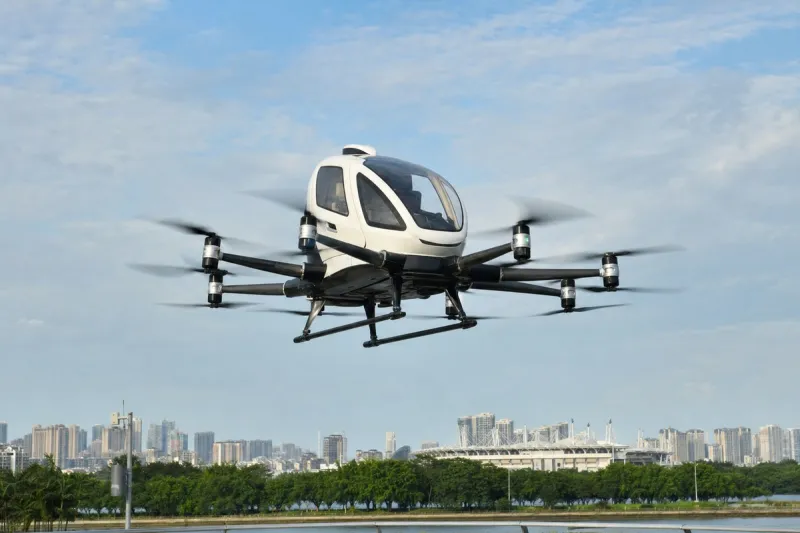
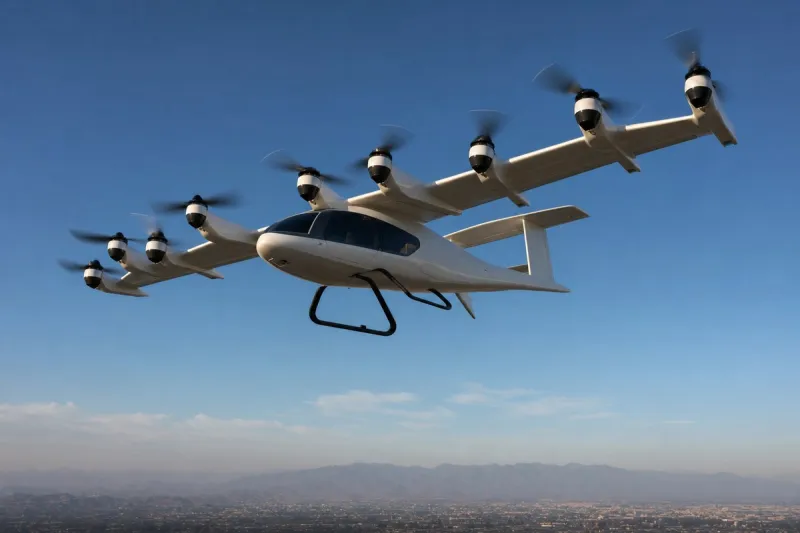
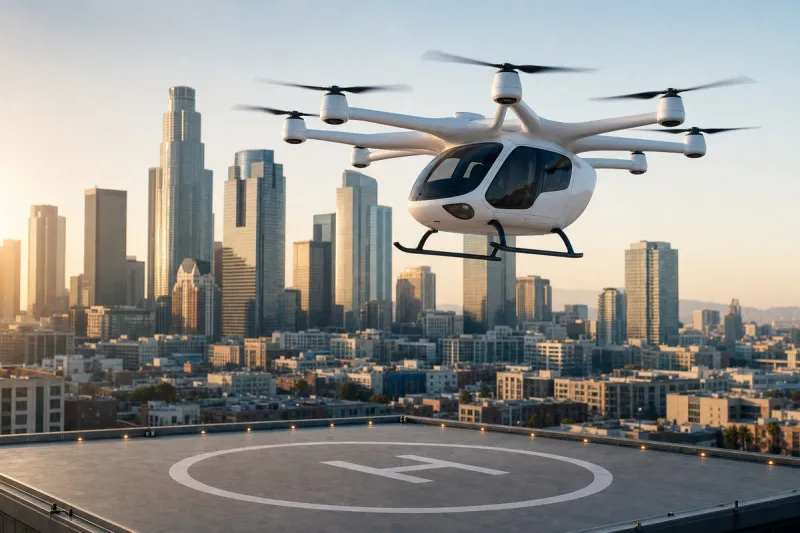
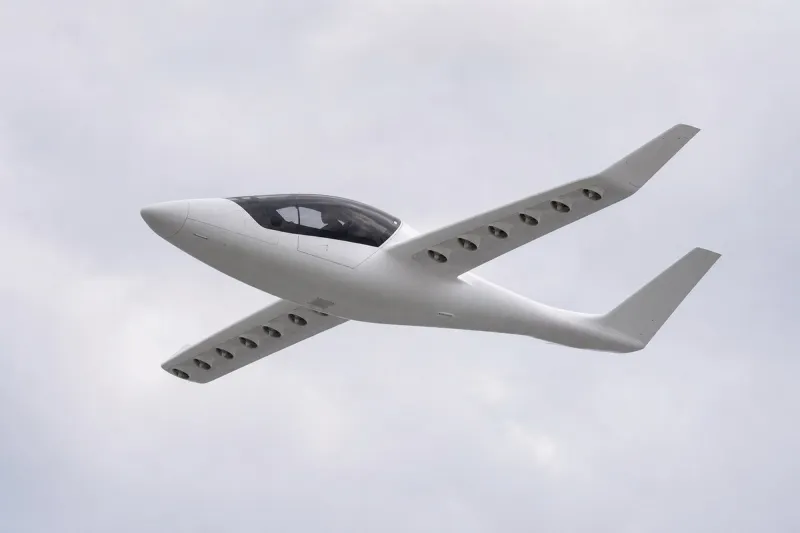
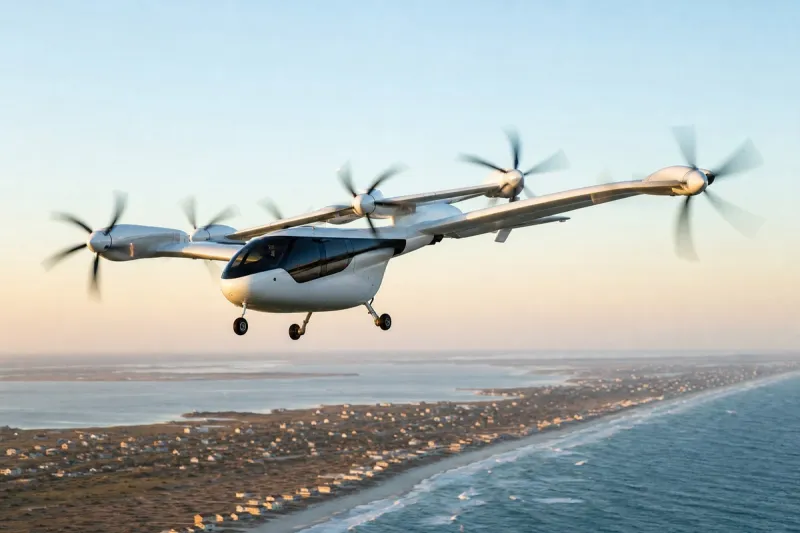
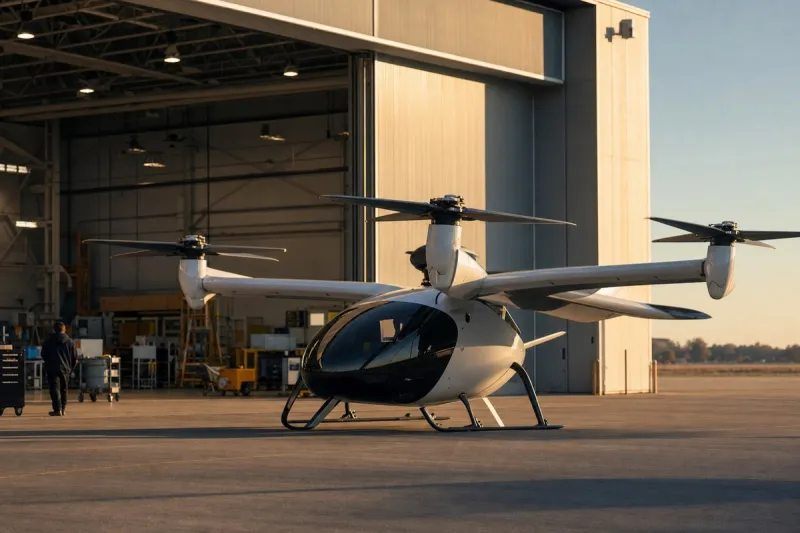
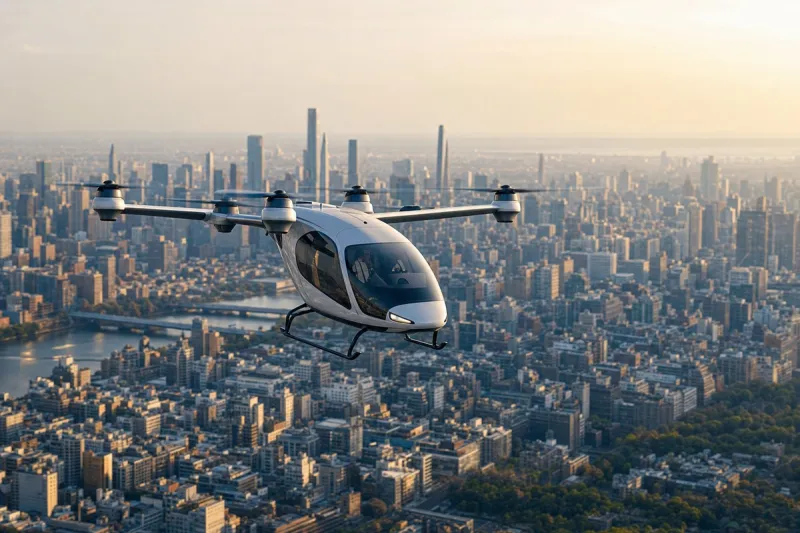
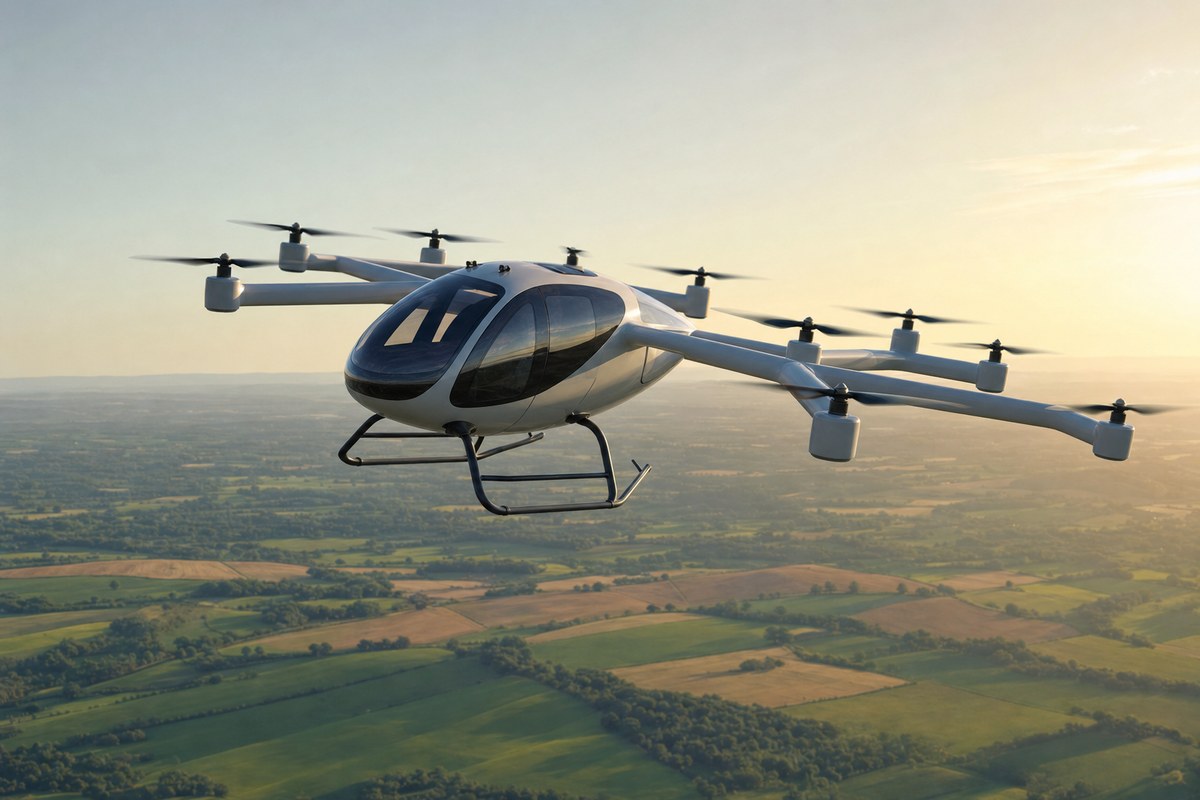
Looking ahead, the division is focused on normalizing eVTOL operations through the FAA's eVTOL Integration Pilot Program, which partners with eight state and local agencies across 26 states. It is applying the same "crawl-walk-run" incremental strategy used in early drone integration to generate real-world safety data without disrupting broader airspace operations. Morra said the division's broader goal is to let the national airspace system grow more complex while becoming safer, partly by shifting from visual see-and-avoid separation to shared electronic situational awareness across all aircraft.