Leidos Proposes Common Automation Platform to Modernize U.S. Air Traffic Management
Why It MattersConsolidating air traffic control systems onto one platform could reshape how controllers manage growing traffic loads and eventually integrate advanced air mobility vehicles into national airspace.
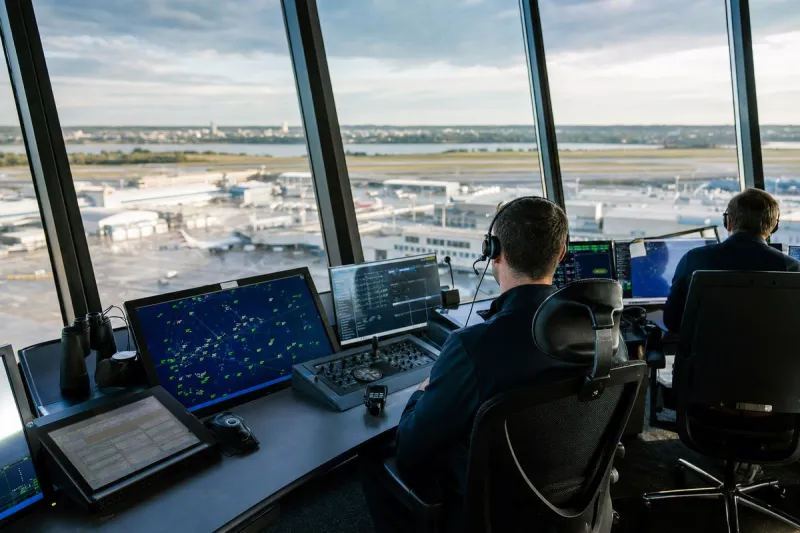
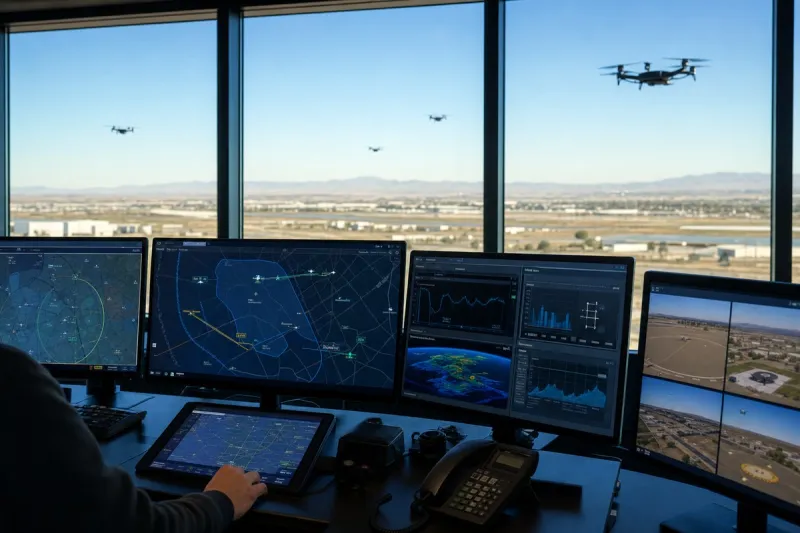
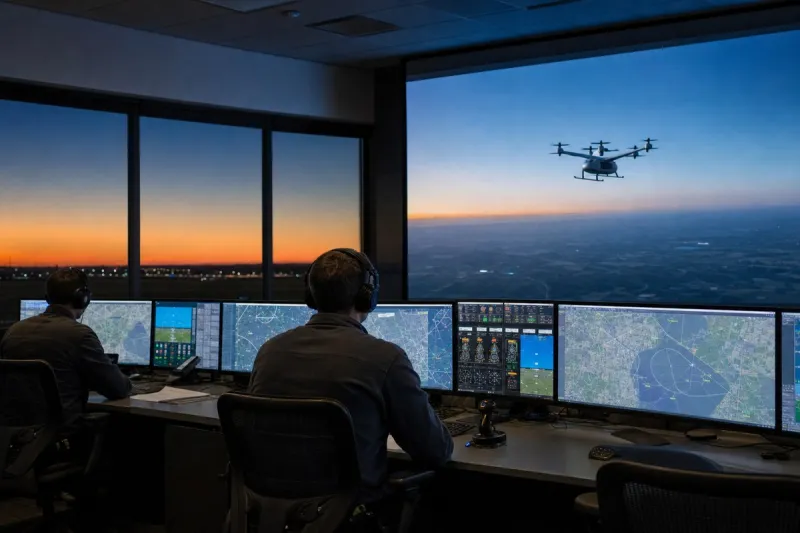
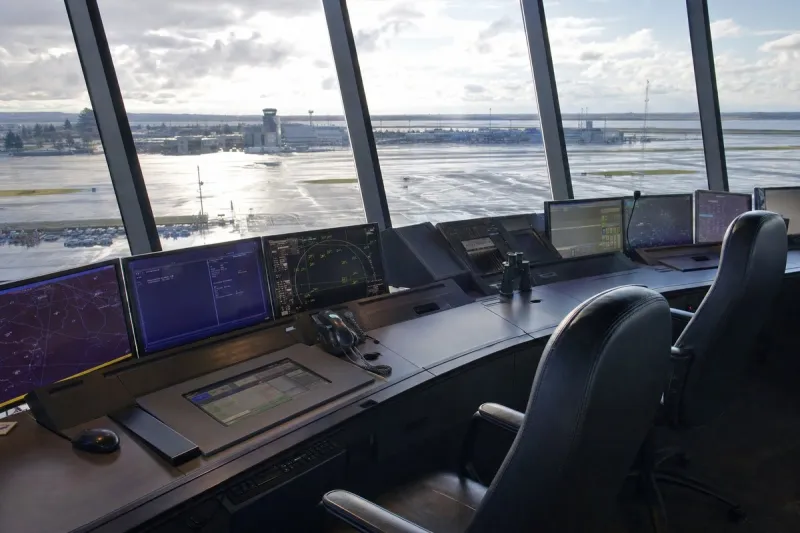
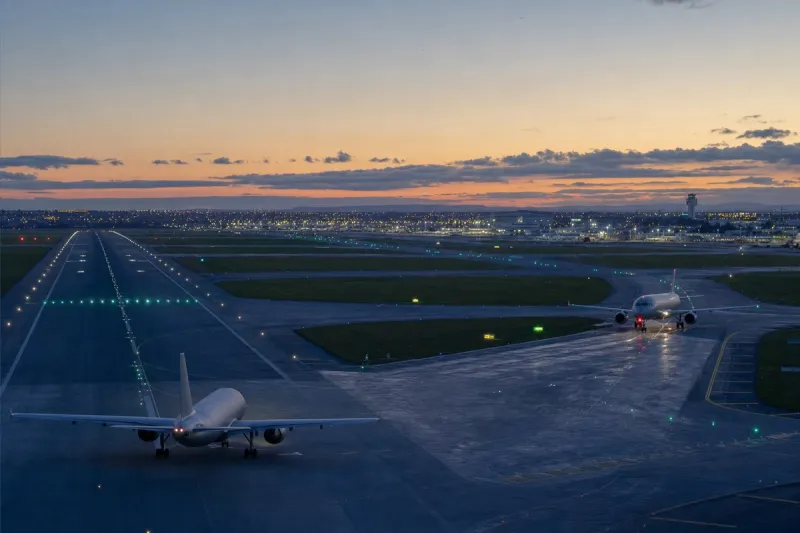
The Federal Aviation Administration is seeking to unify two of its primary air traffic control systems, ERAM and STARS, under a single Common Automation Platform as the national airspace system faces growing load stress, logistical complexity and data demands. Leidos, which has built and maintained ERAM for more than 20 years, has developed the Leidos Common Automation Platform (L-CAP) as a candidate solution, designed to consolidate ERAM and STARS functionality and also incorporate oceanic air traffic control capabilities currently handled by the ATOP system that Leidos developed for the FAA.
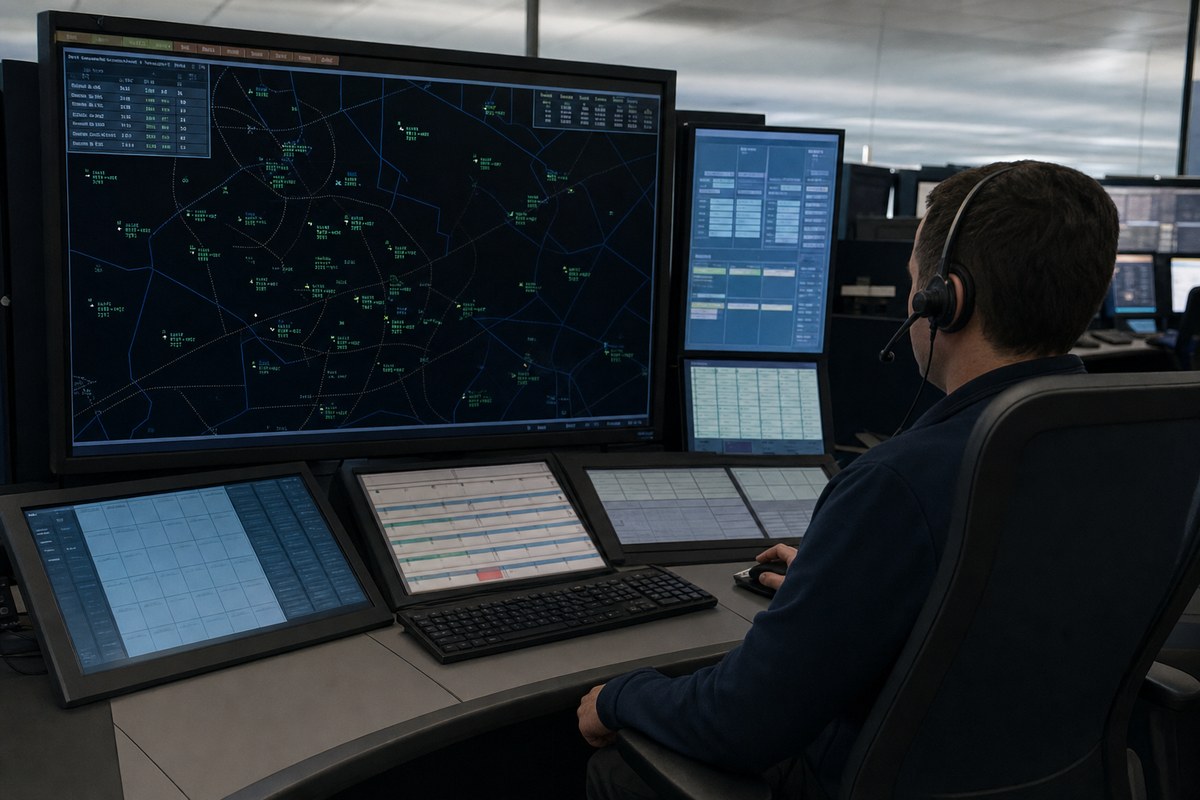
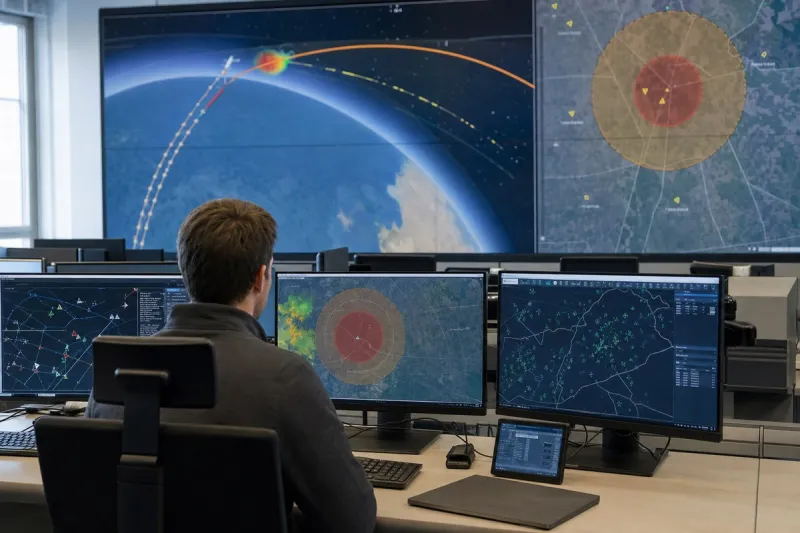
Doug Lieberman, Leidos vice president and chief technology officer for air traffic, said the future of the national airspace system involves holistic control optimizing the gate-to-gate experience. A central objective of the platform is reducing cognitive burden on controllers overseeing several dozen aircraft at once, with a unified data architecture meant to break down information silos and enable AI-assisted traffic prediction, route planning and conflict identification. Leidos also supports Time Based Flow Management, a trajectory-based operations system analyzing real-time weather, congestion and airport capacity conditions.
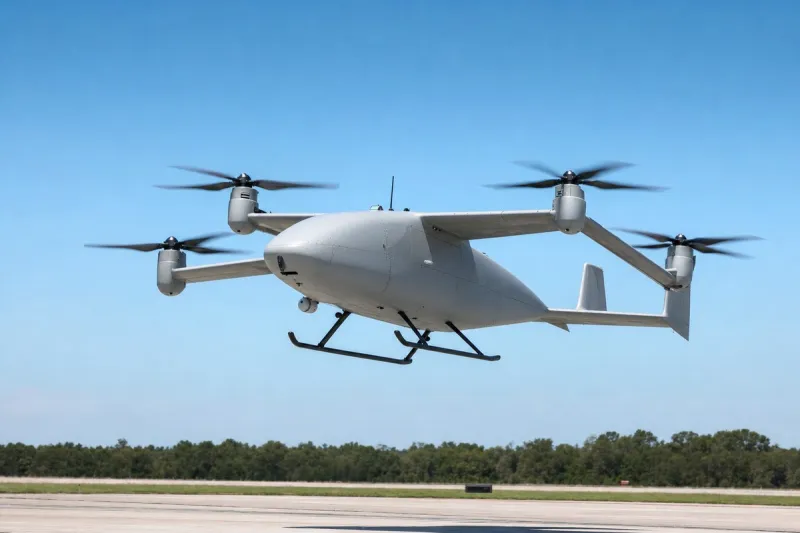
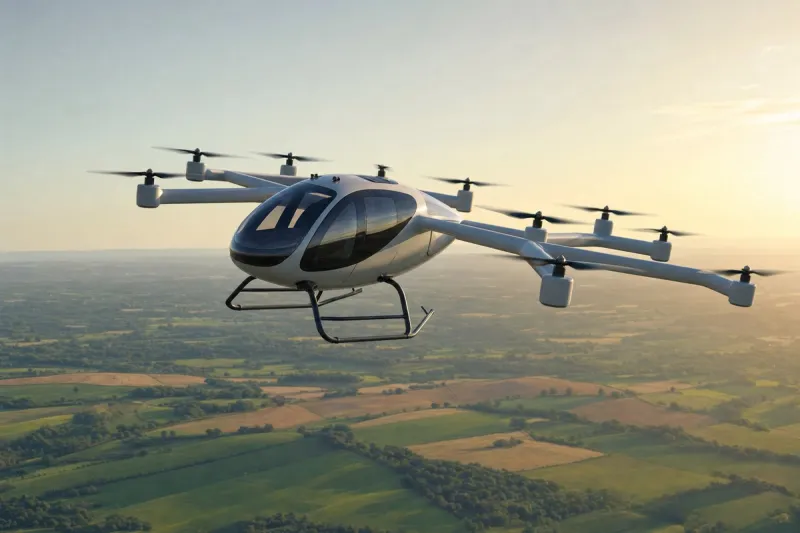
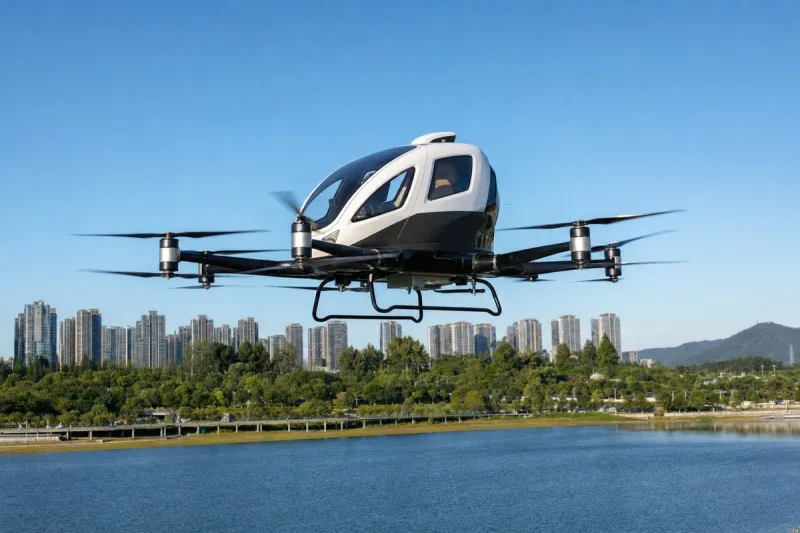
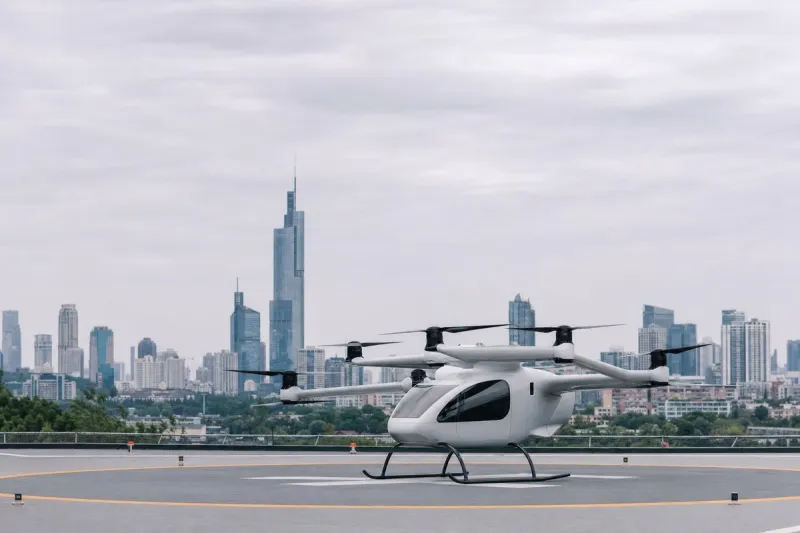
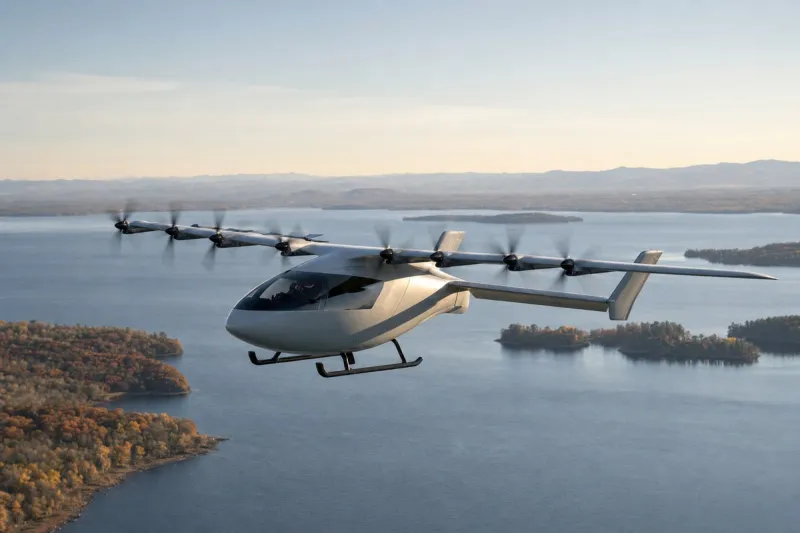
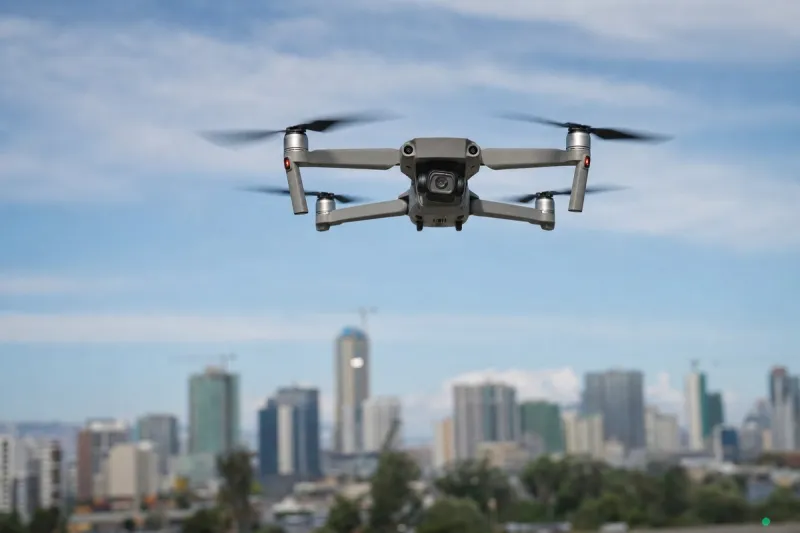
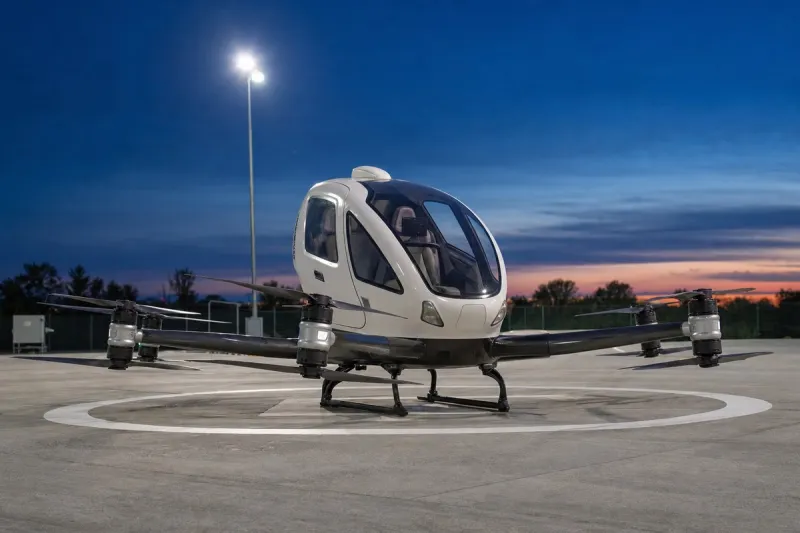
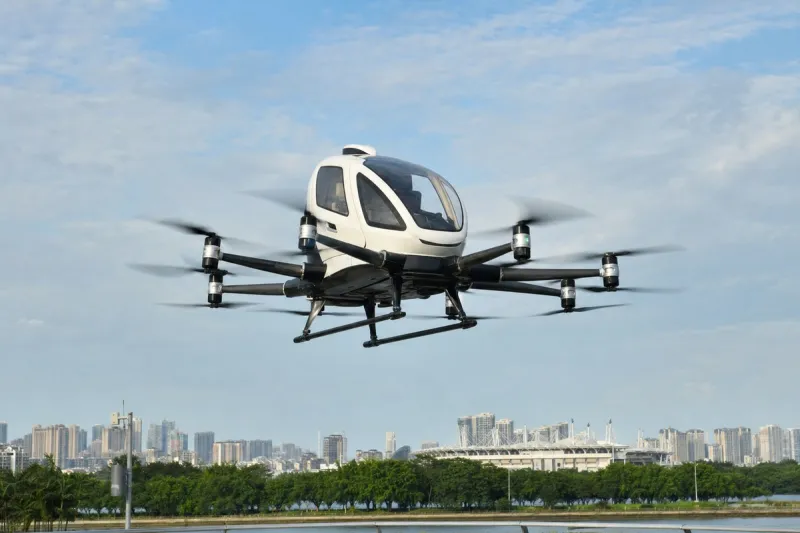
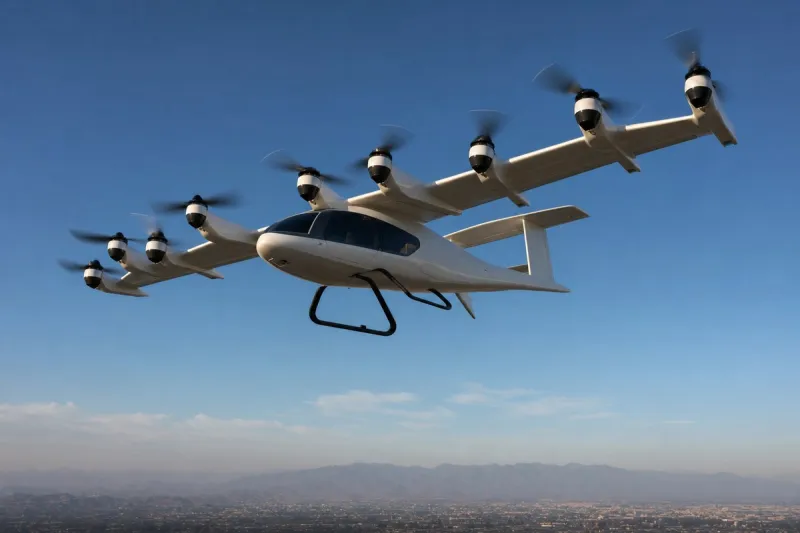
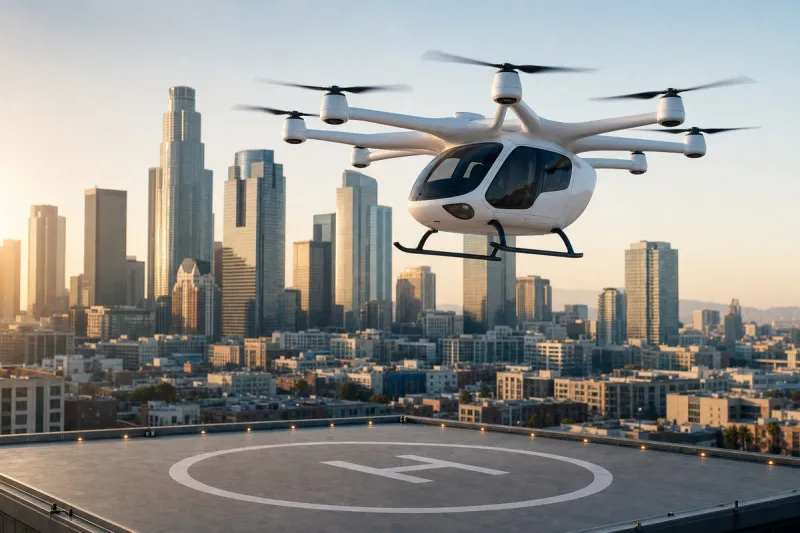
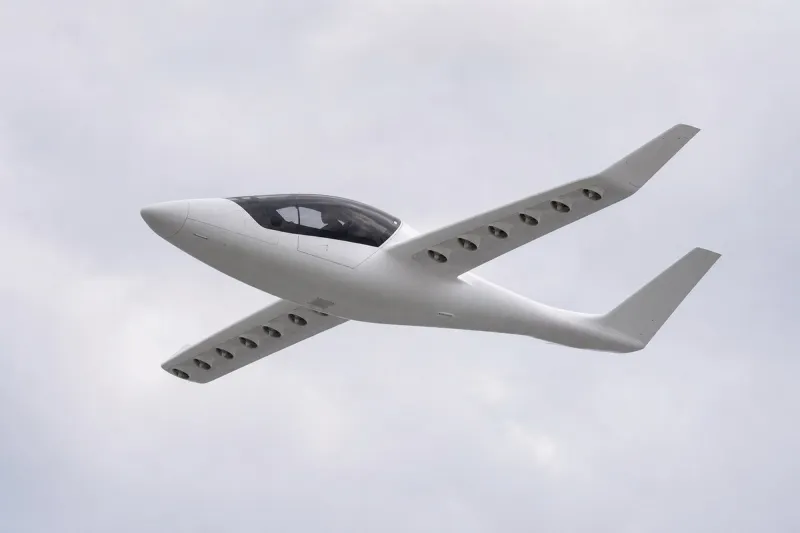
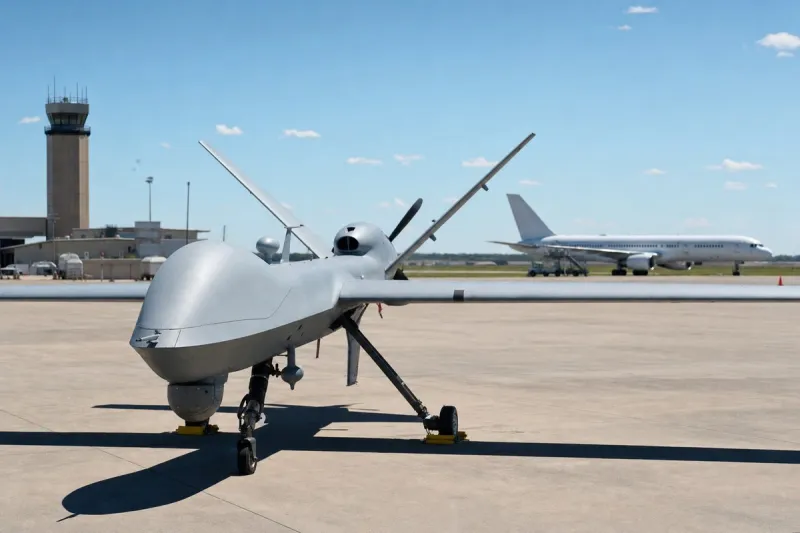
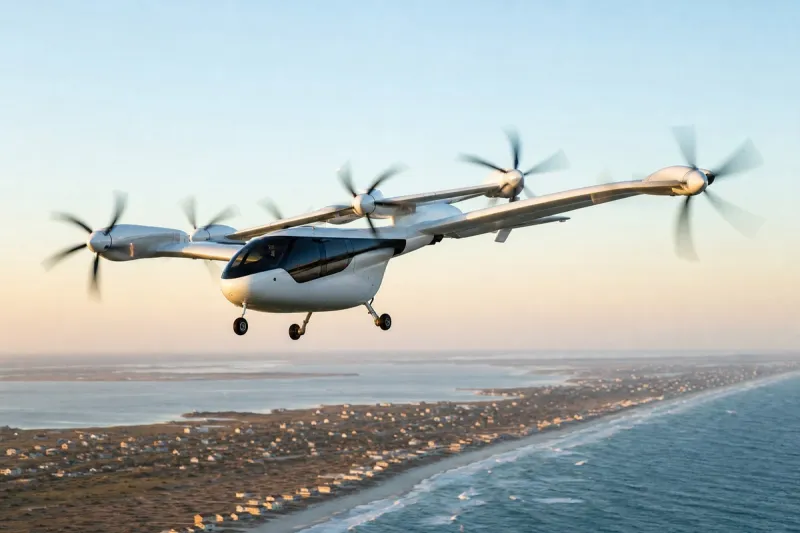
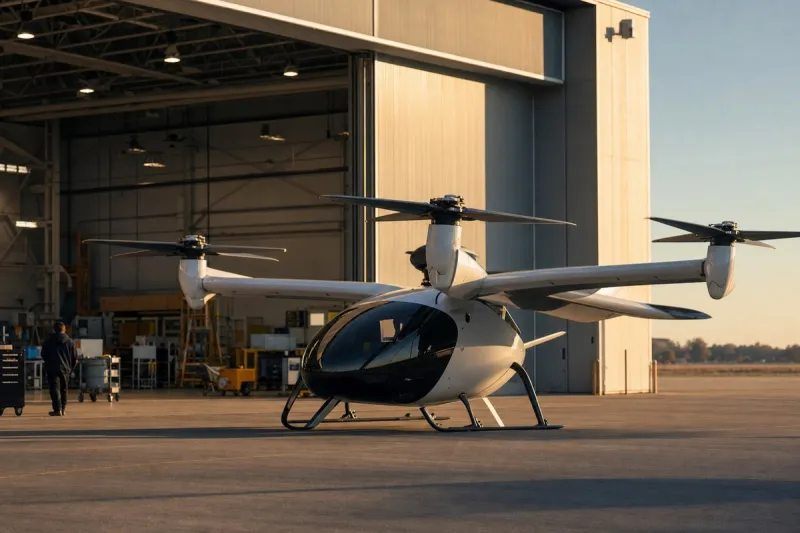
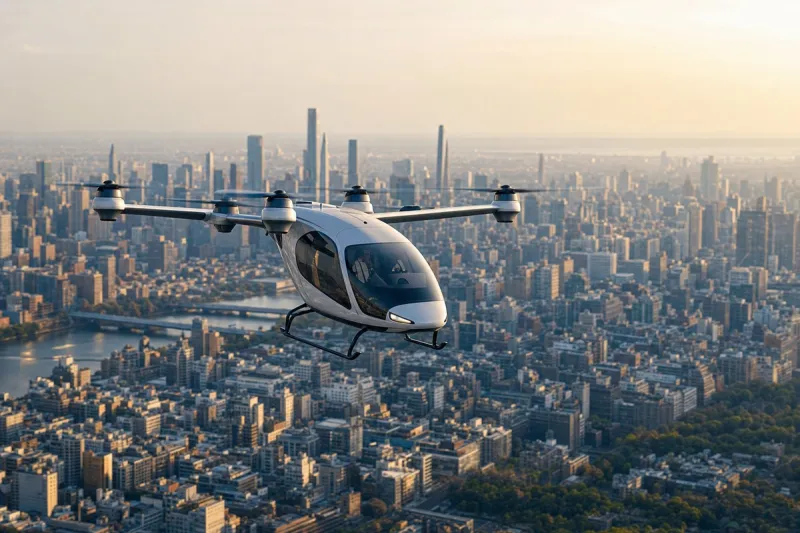
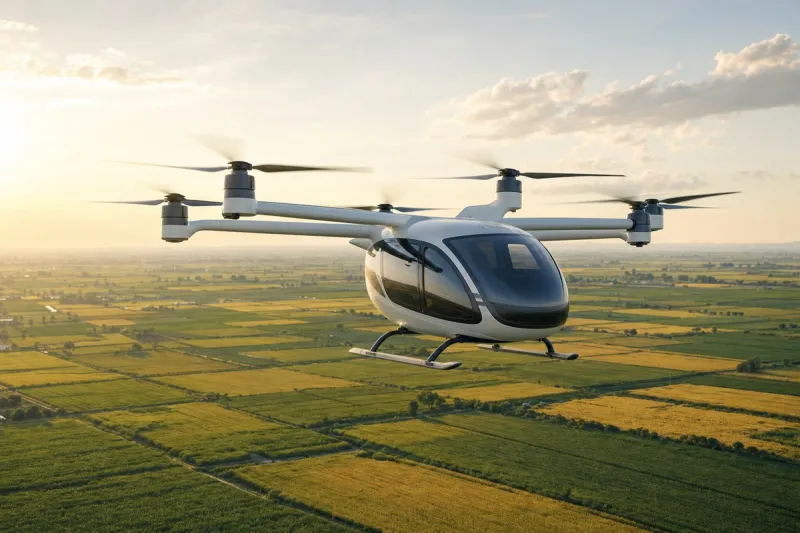
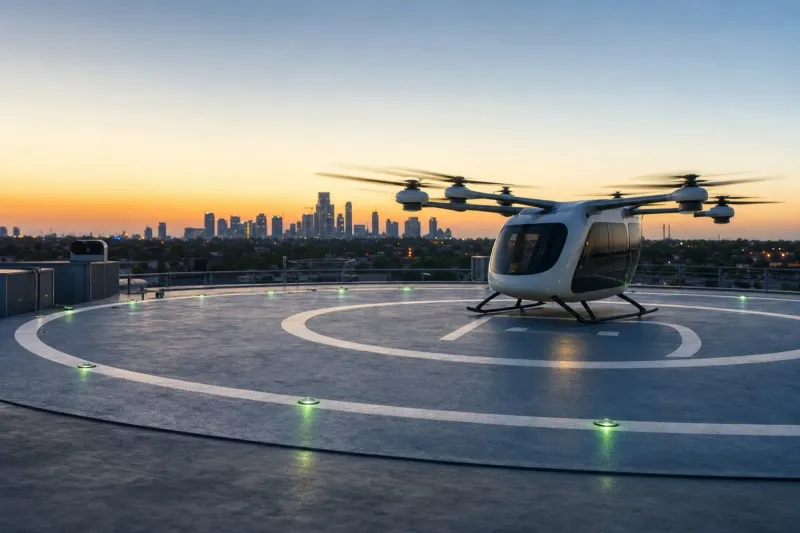
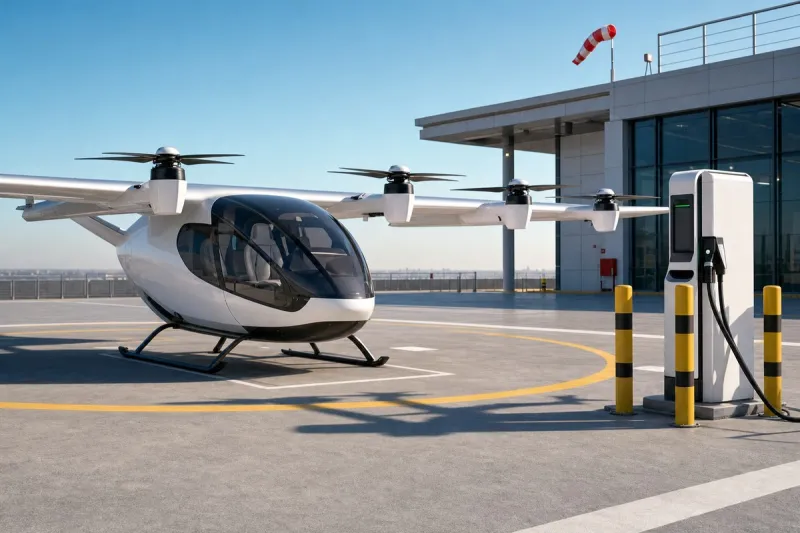
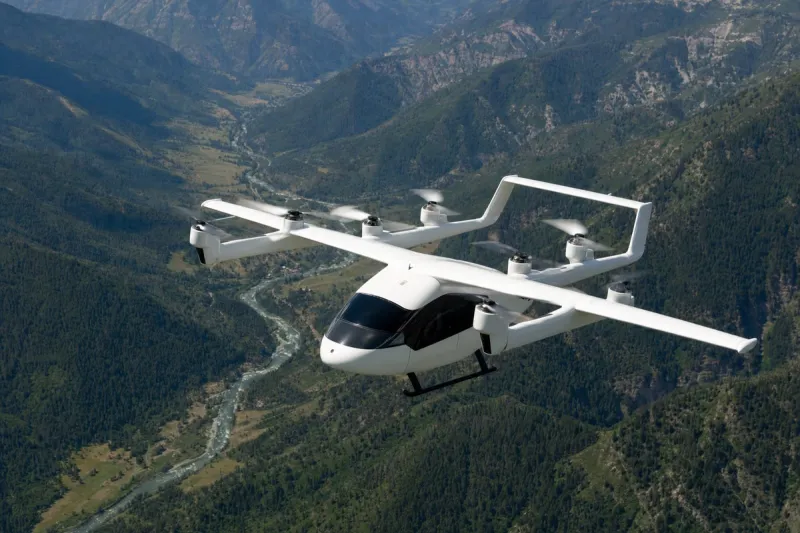
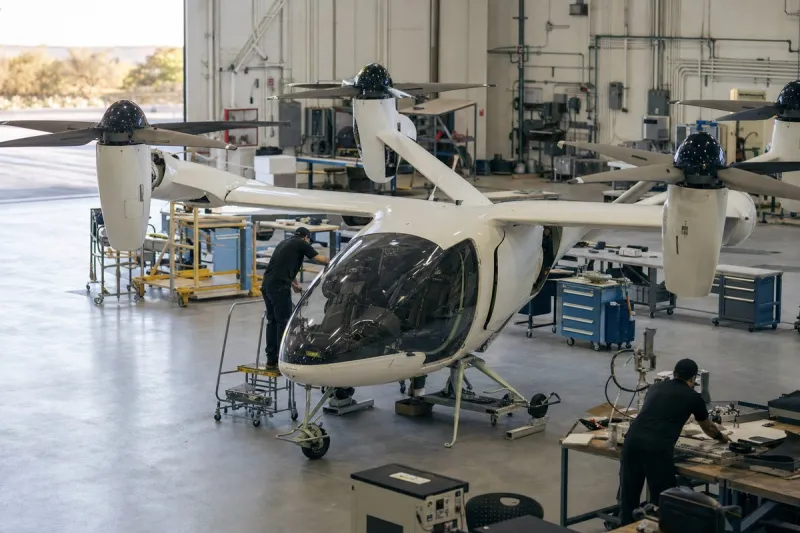
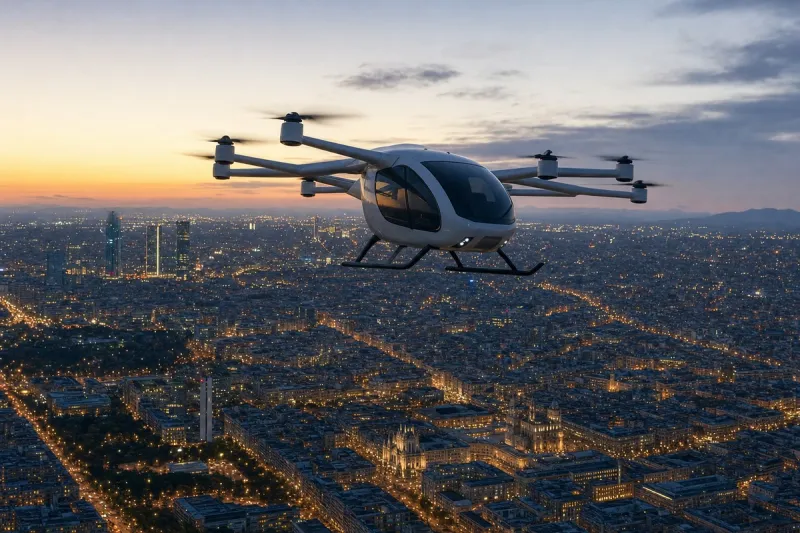
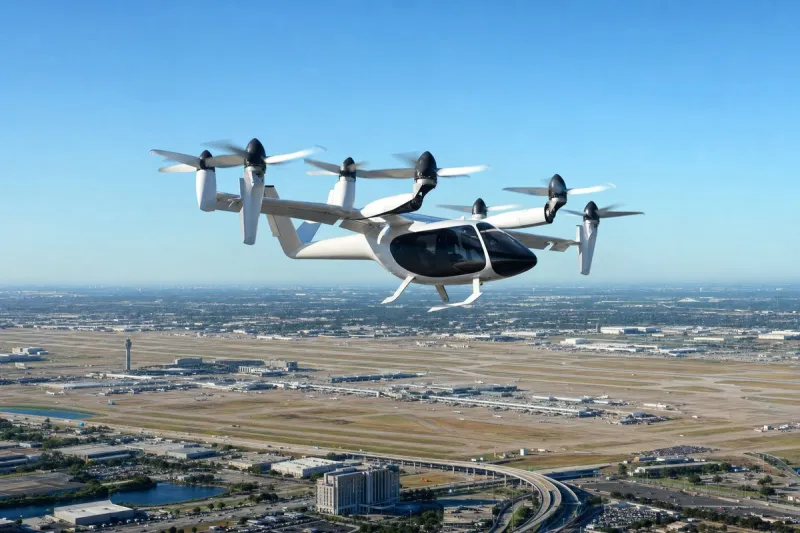
Michael Hawthorne, Leidos' FAA account manager, described an evolution away from air traffic control and toward air traffic management, where controllers would intervene mainly on deviations. The platform's architecture is also intended to accommodate advanced air mobility vehicles, including eVTOL air taxis and drones, as the FAA runs a pilot program exploring their integration into the national airspace. Lieberman noted that eVTOL operations between cities such as Baltimore and Philadelphia could affect regional airspace and disrupt existing airline traffic patterns.