UK Hydrogen in Aviation Alliance Calls for National Hydrogen Flight Programme as Global Race Accelerates
Why It MattersCoordinated government and industry action on hydrogen aviation infrastructure could determine whether the UK retains its early technology lead against faster-moving international rivals.
The Hydrogen in Aviation Alliance (HIA), a coalition including Airbus, Bristol Airport, easyJet, Intelligent Energy, GKN Aerospace, and Rolls-Royce, launched a new report in Parliament on 2 September 2026, warning that the UK risks losing its early lead in hydrogen-powered aviation without urgent coordinated action. The report credits the UK with world-leading technology demonstrations and long-term aerospace R&D investment, but warns other nations are accelerating hydrogen deployment. HIA is calling on the Government to establish a National Hydrogen Flight Programme uniting industry, regulators, cross-government departments and regional stakeholders, with member organisations pledging £188 million in collective investment over the next one to two years.
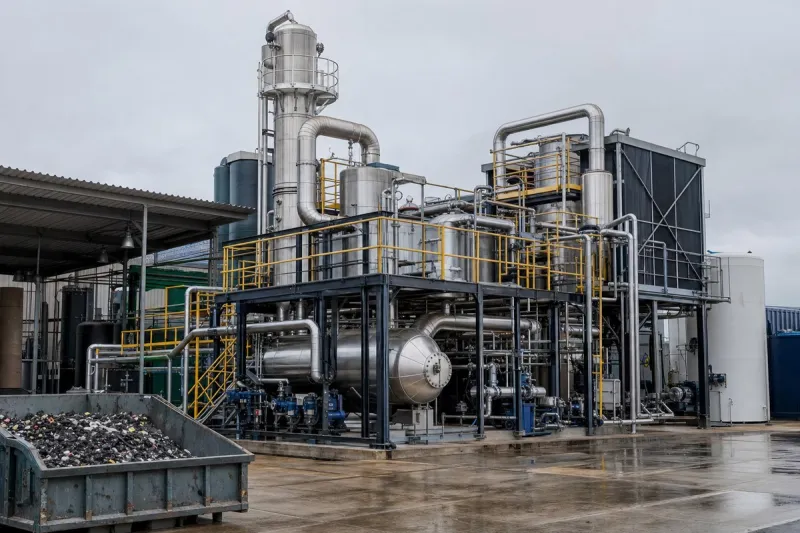
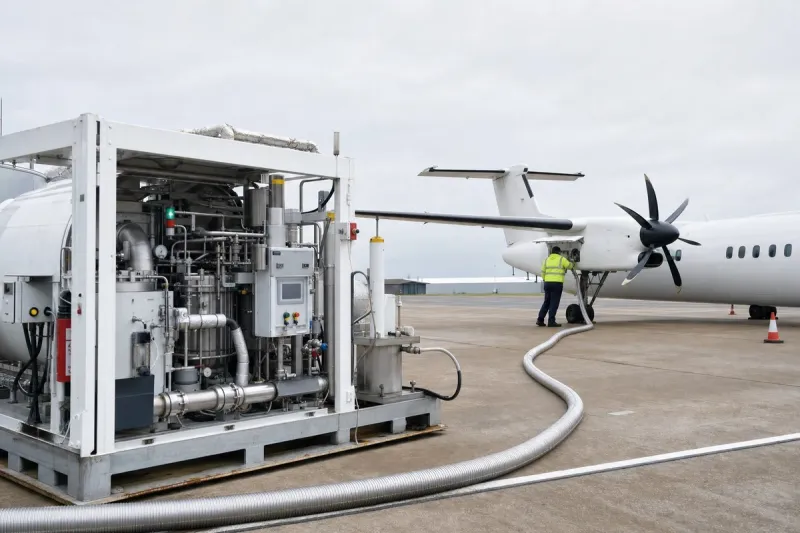
The report identifies gaps in liquid hydrogen supply for R&D and testing, airport infrastructure, and the pathway from research to commercial technology. It recommends targeted early support for hydrogen pioneer airports and initial routes, a strengthened role for the Aerospace Technology Institute beyond TRL6, and a national aviation hydrogen supply plan. It also cites recent milestones including Rolls-Royce and easyJet's hydrogen propulsion tests, Airbus's planned joint venture with MTU Aero Engines on a hydrogen fuel cell engine, and Government-funded regional flights powered by liquid hydrogen departing from Bristol Airport.
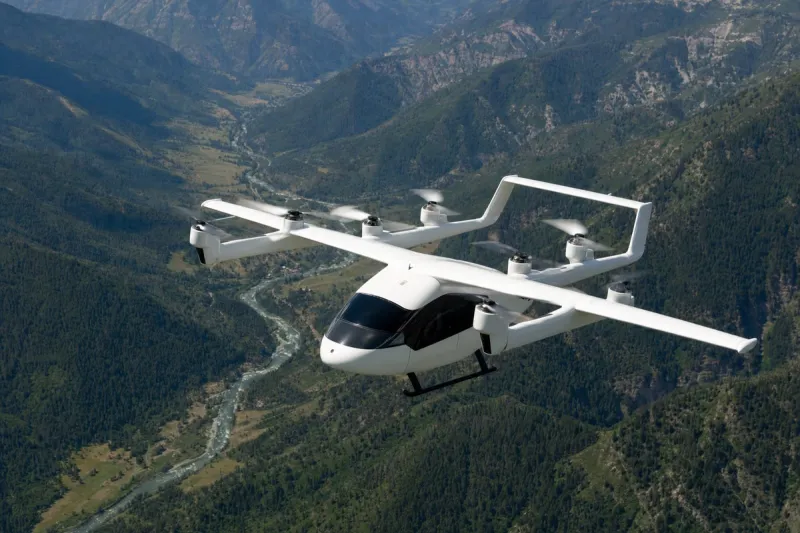
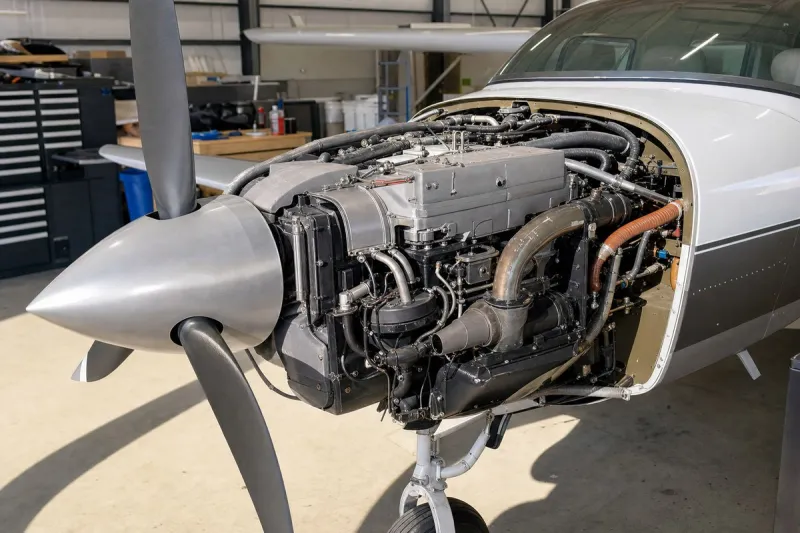
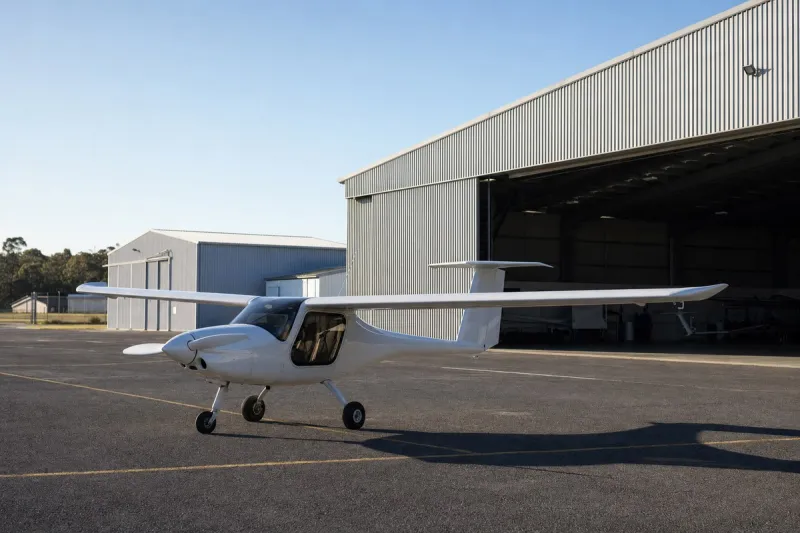
The report notes hydrogen gas turbine aircraft would be zero-carbon in flight, while hydrogen-electric fuel cell aircraft could also eliminate NOx and soot emissions, with Cambridge's Aviation Impact Accelerator projecting a 30-70% emissions reduction by 2060 under one entry-into-service scenario. On long-haul routes, hydrogen-powered aircraft could use roughly 10% less energy per passenger kilometre. Technology development continues across ZeroAvia's 200 kW modular fuel cell system, Intelligent Energy's 300 kW fuel cell project backed by £17 million, Bristol-based Zero Emissions Aerospace's hydrogen-electric retrofit for the Cessna Caravan, and the Department of Transport-funded Project CHOSAN targeting zero-emission flights from a commercial airport. HIA Chair Andy Reynolds said: "Other nations are moving quickly to capture the economic, climate and strategic benefits of a transition towards hydrogen-powered aviation. If the UK is to do the same, we must harness our advantages in aerospace research and testing capability."