Swiss start-up Metafuels opens world's first methanol-to-jet fuel demo plant as SAF scale-up lags
Why It MattersThe launch highlights a wider SAF scale-up gap, with global output projected at just 2.4 million tonnes in 2026 against the roughly 500 million tonnes needed annually by 2050.
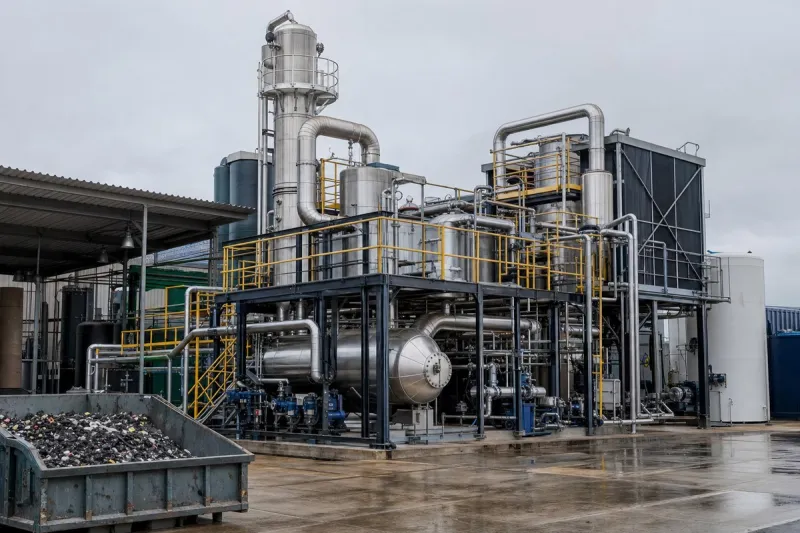
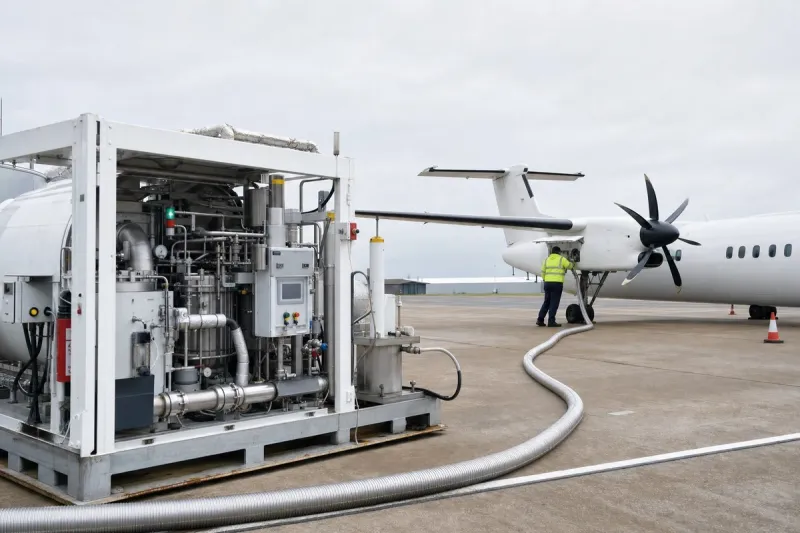
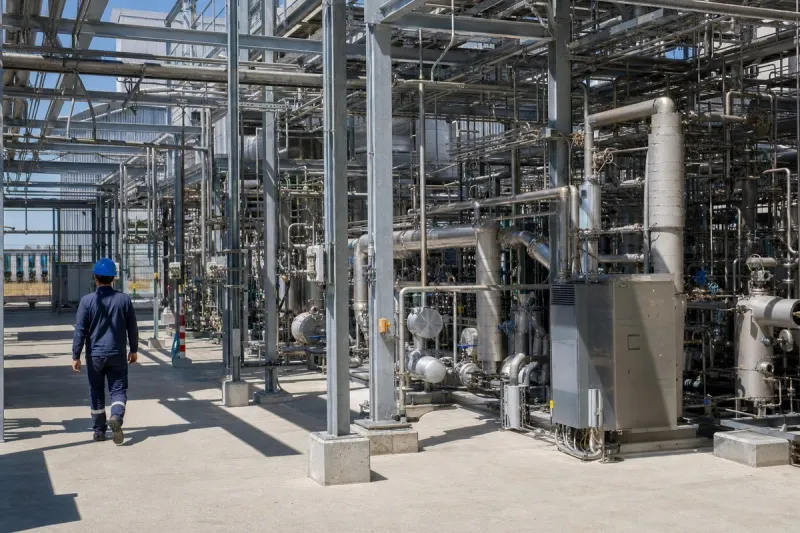
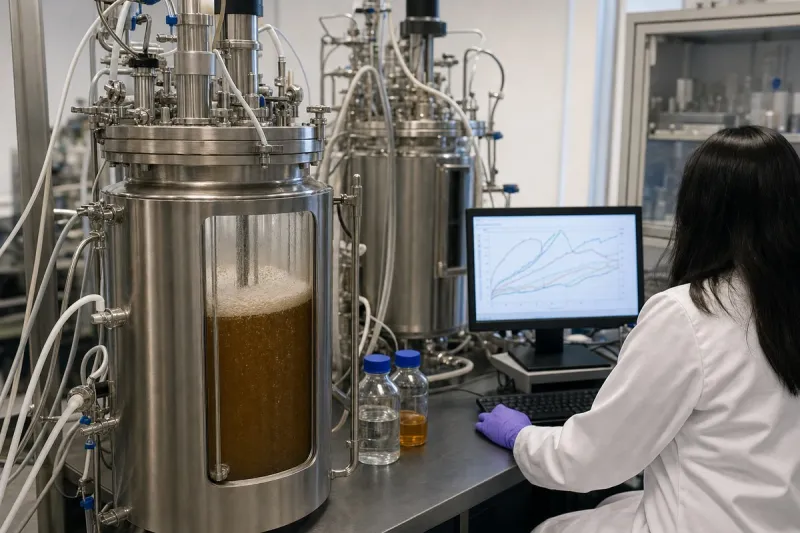
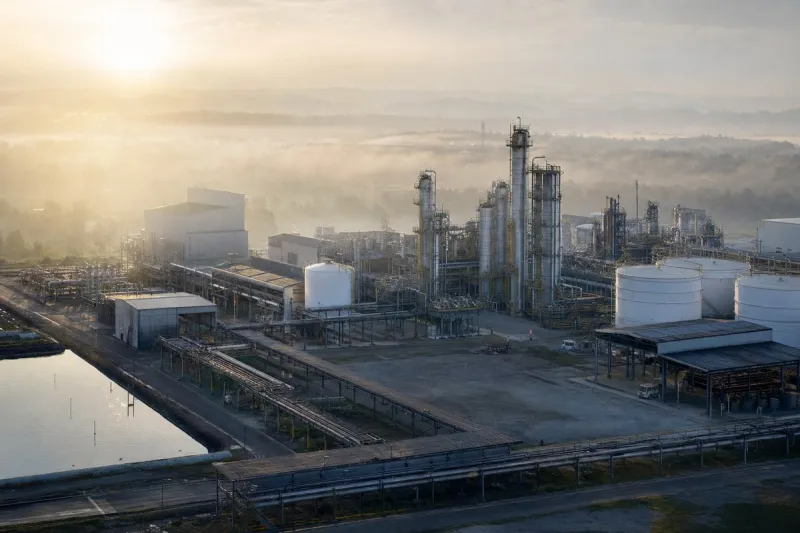
In late August, the Paul Scherrer Institute (PSI) and Swiss start-up Metafuels inaugurated what they describe as the world's first methanol-to-jet fuel demonstration plant at the PSI campus in Villigen, canton Aargau. The facility currently produces 50 litres of synthetic jet fuel per day, a fraction of the roughly 4,000 litres consumed on a single London–Zurich flight, and Metafuels says it is intended as a proof-of-concept to attract funding for larger facilities.
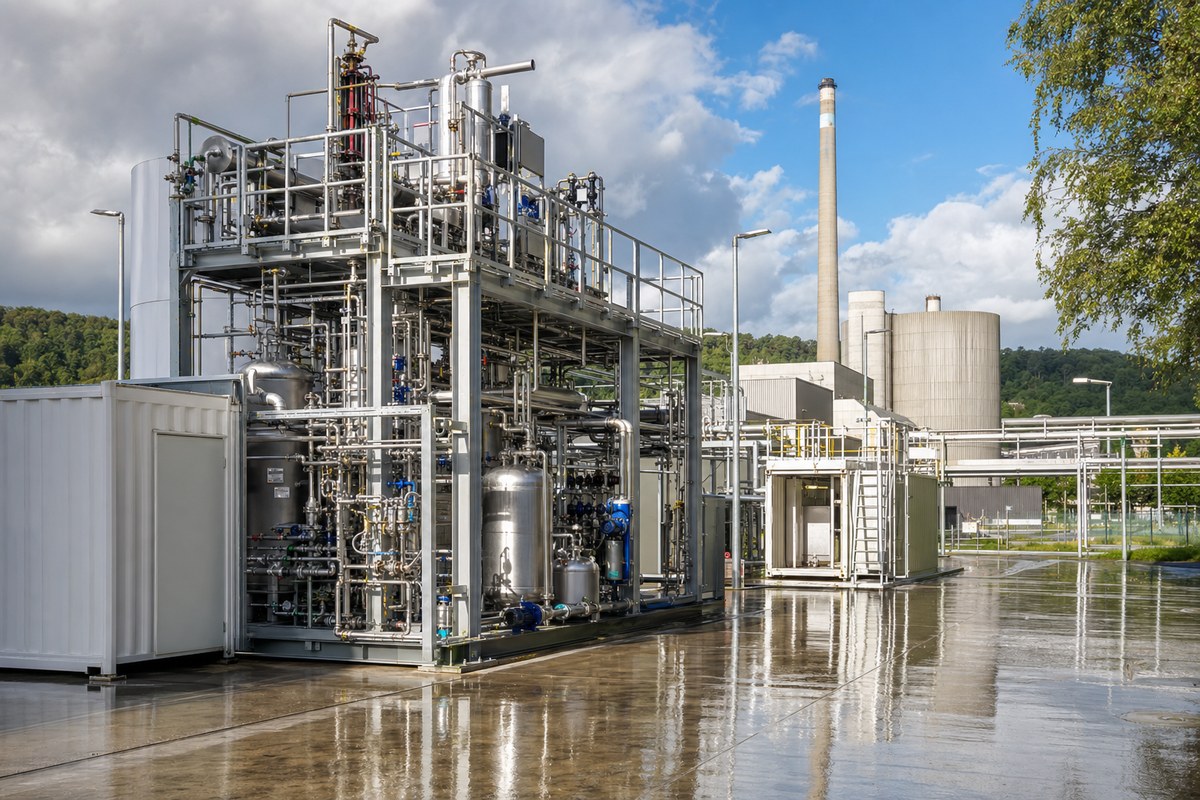
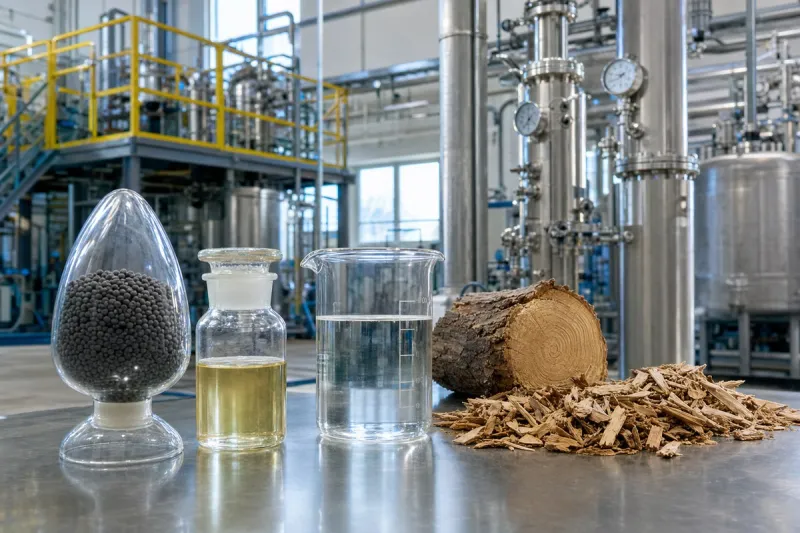
The pilot plant converts renewable methanol, made from green hydrogen produced via water electrolysis and captured carbon dioxide from biogenic sources or direct air capture, into synthetic kerosene chemically identical to conventional jet fuel. The fuel has been certified for aviation use and can cut lifecycle emissions by up to 90% compared with fossil kerosene while requiring no modifications to existing aircraft. Metafuels CEO Saurabh Kapoor said at the inauguration that "sustainable aviation fuel is the single most important lever we have to decarbonise aviation."
Metafuels is planning its first industrial-scale plant at the port of Rotterdam in the Netherlands, targeting production of 10 tonnes per day by 2028 and 1,000 tonnes per day by the mid-2030s.
The broader SAF sector faces steep challenges: SAF currently represents less than 1% of global aviation fuel use and costs two to six times more than conventional fossil kerosene, depending on the production pathway. Global SAF output is projected to reach only 2.4 million tonnes in 2026, far below the roughly 500 million tonnes annually estimated to be needed for net-zero aviation by 2050. IATA has said SAF could contribute up to 65% of the emissions reductions required for aviation to reach net-zero CO₂ by 2050, and Director General Willie Walsh said in June that production volumes are "disappointing," blaming weak government policies and insufficient investment from major oil companies.
Research by Alessandro Martulli, an environmental economics researcher at Hasselt University, found that of SAF production capacity announced as expected to be operational by end of 2026, only 24% had been completed, while 26% had been paused or cancelled. More than 80% of SAF currently comes from waste oils and fats. Camille Mutrelle, a clean aviation expert at Brussels-based NGO Transport & Environment, said methanol-to-jet fuels stand out because they can be produced at larger scale using renewable hydrogen and captured CO₂, rather than waste oils or agricultural crops with limited availability, describing it as "not a silver bullet" but one of the most promising e-fuel technologies for long-term aviation decarbonisation. A 2025 report by consultancy EY estimated that between $1 trillion and $1.5 trillion in investment will be required to scale SAF production sufficiently.