Chinese Researchers Develop Cobalt-Manganese Catalyst for Sustainable Jet Fuel With Projected Gross Profit Margin Above 50%
Why It MattersA cost-competitive catalytic route to sustainable aviation fuel could ease feedstock and margin constraints that have slowed SAF scale-up toward aviation's 2050 net-zero target.
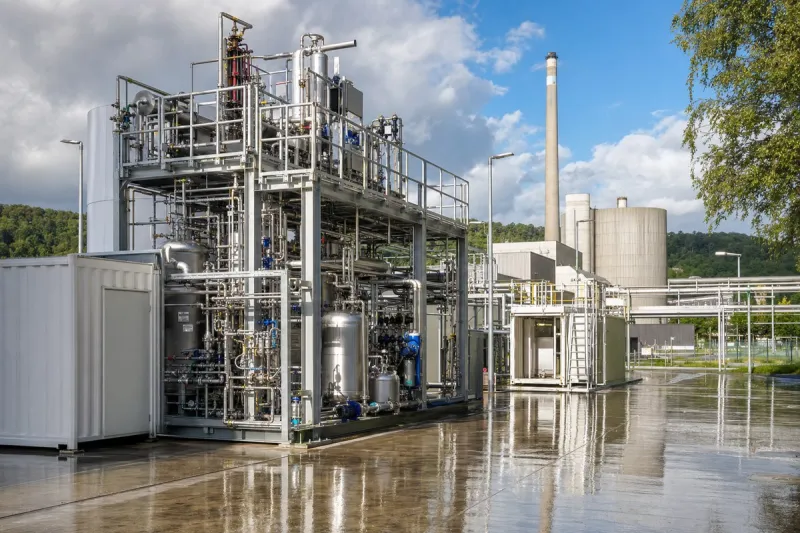
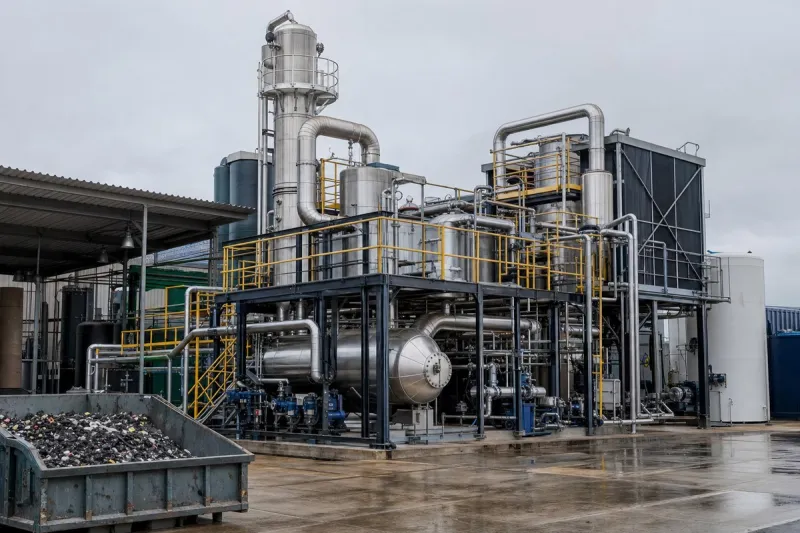
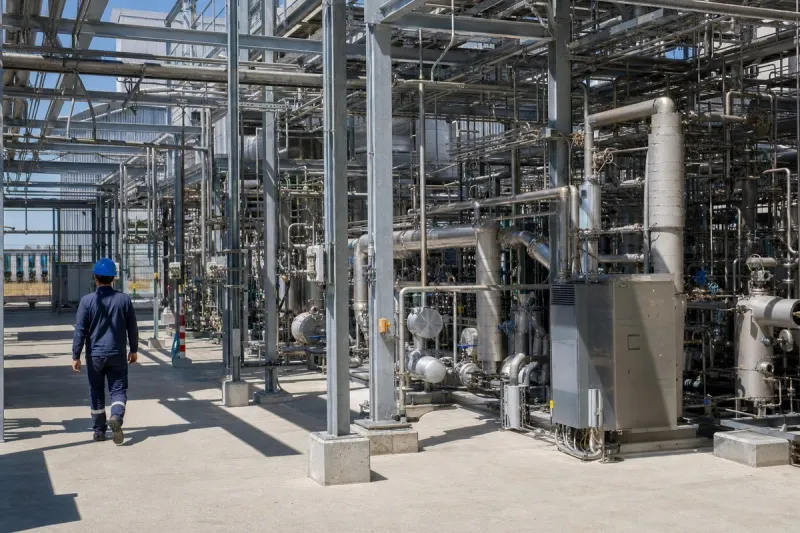
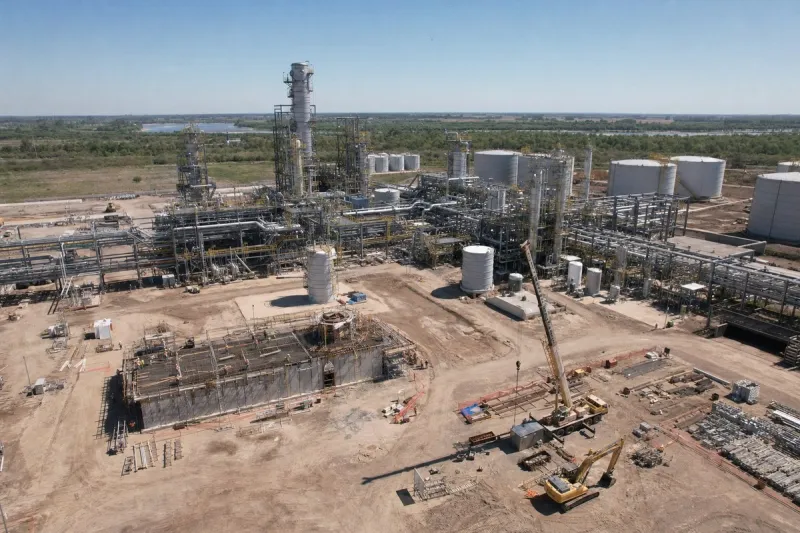
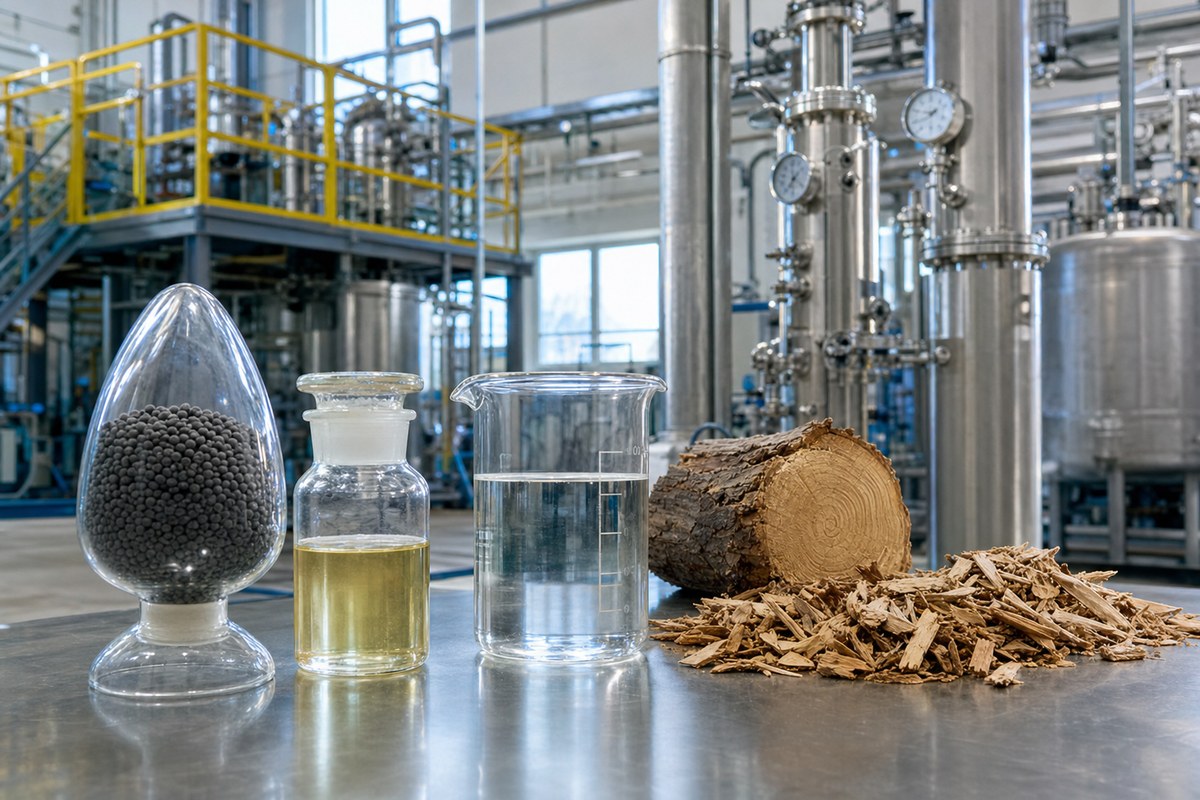
Chinese researchers have developed a cobalt-manganese catalyst that converts synthesis gas derived from woody biomass into sustainable jet fuel, which they say could boost production and help the aviation industry meet net-zero carbon targets. The team verified the catalyst's performance in a thousand-tonne pilot test, finding that combining woody biomass-derived syngas with the catalyst enabled highly efficient jet fuel synthesis, and a techno-economic analysis modelling a planned 100,000-tonnes-per-year jet fuel plant projected a gross profit margin exceeding 50 per cent.
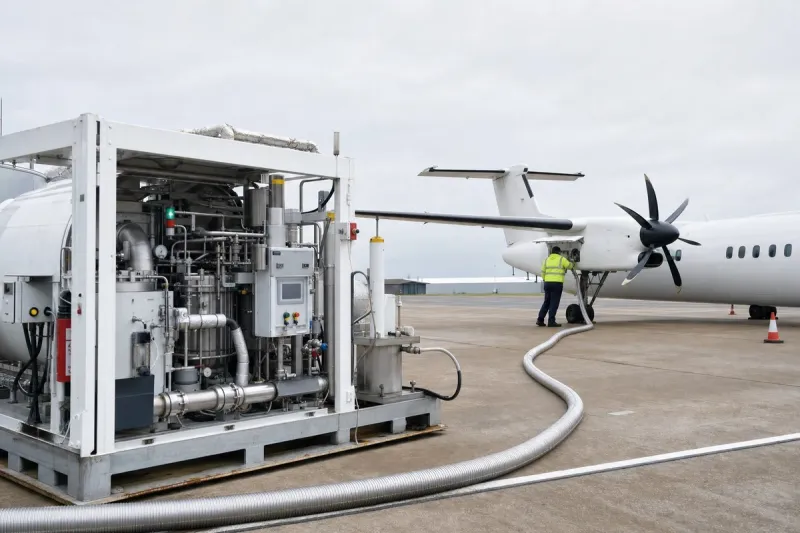
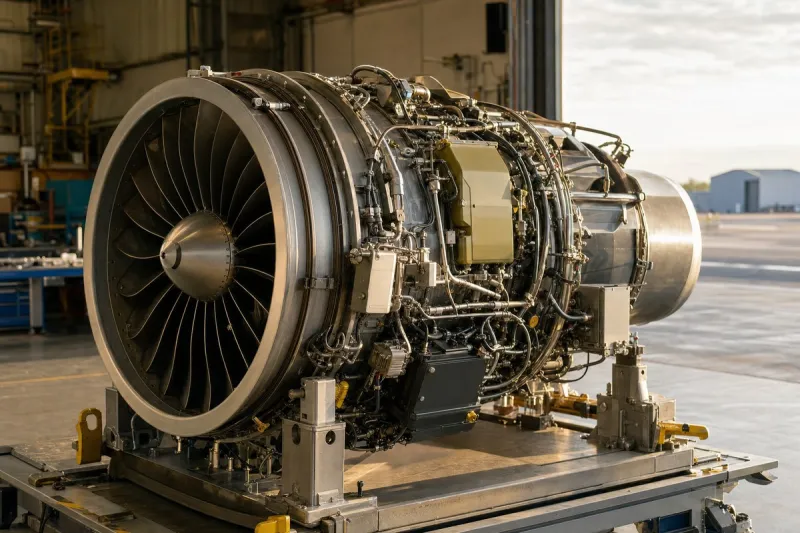
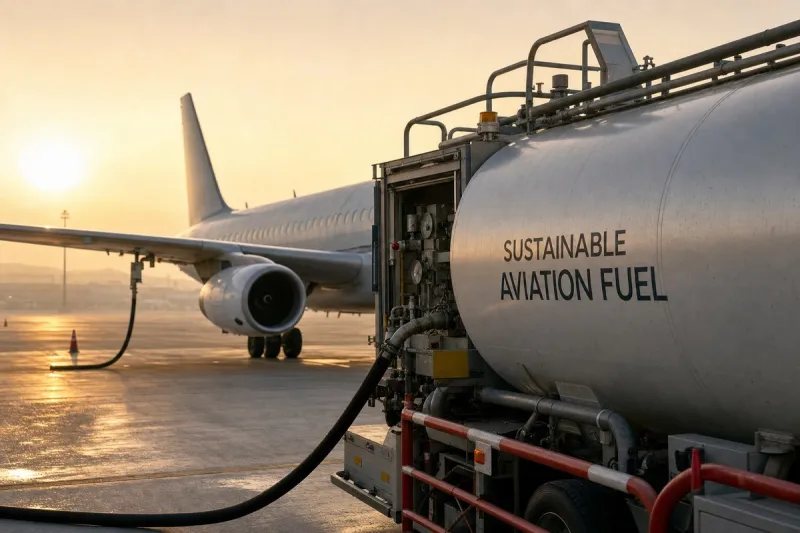
The researchers noted that sustainable aviation fuel can reduce life-cycle carbon emissions by approximately 80 per cent compared with conventional jet fuel, as the International Civil Aviation Organization has set a goal of net-zero carbon emissions by 2050. "The excellent pilot test results and the positive techno-economic and life-cycle assessments underscore its strong potential for industrial deployment," the team wrote in a paper published in the peer-reviewed journal Nature Communications in September.