Leonardo AW609 TiltRotor: Specifications and Mission Capabilities
Why It MattersThe AW609's blend of fixed-wing speed and helicopter VTOL capability expands tiltrotor options for VIP, offshore energy, EMS and search-and-rescue operators.
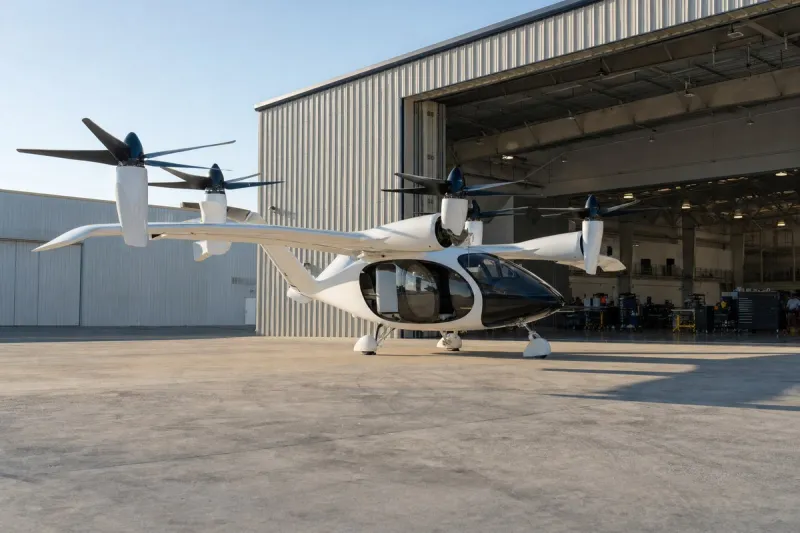
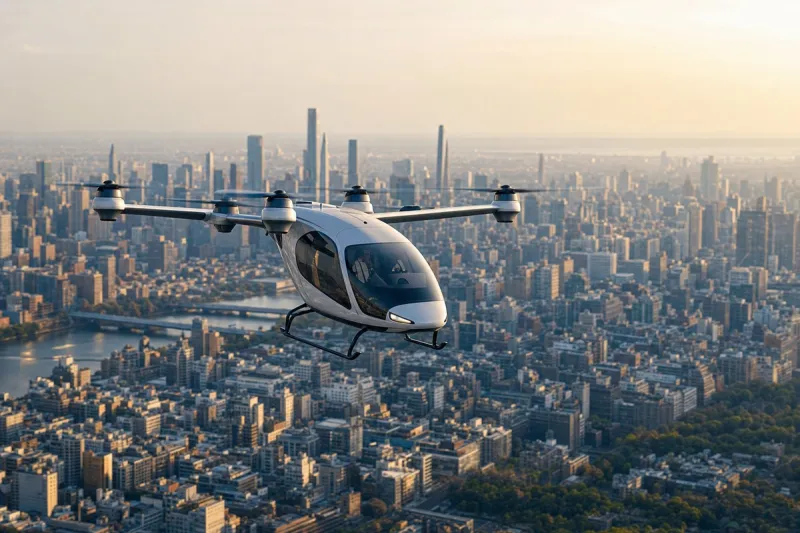
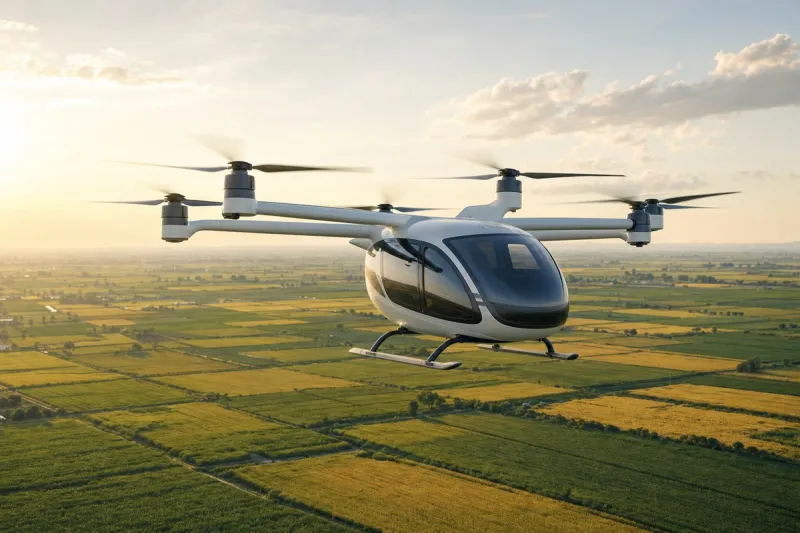
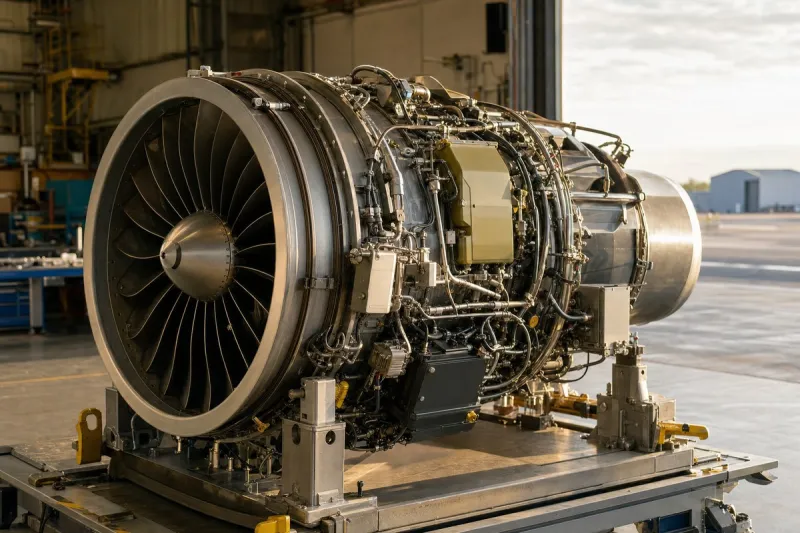
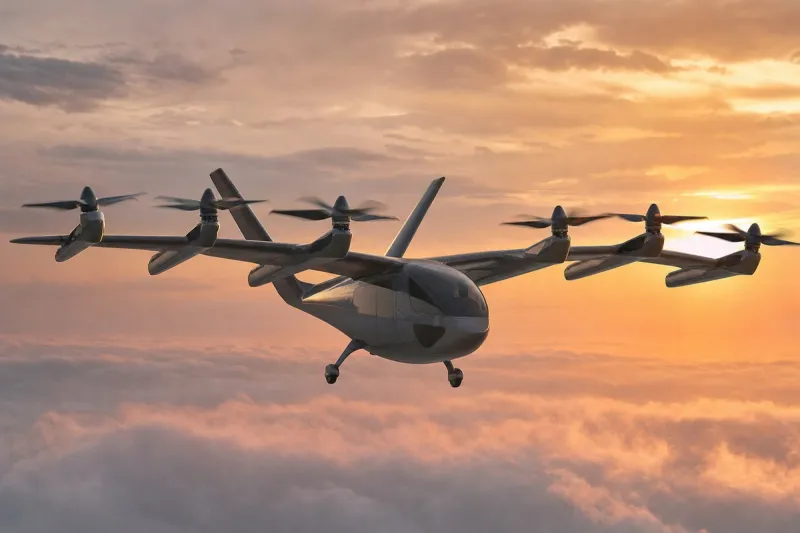
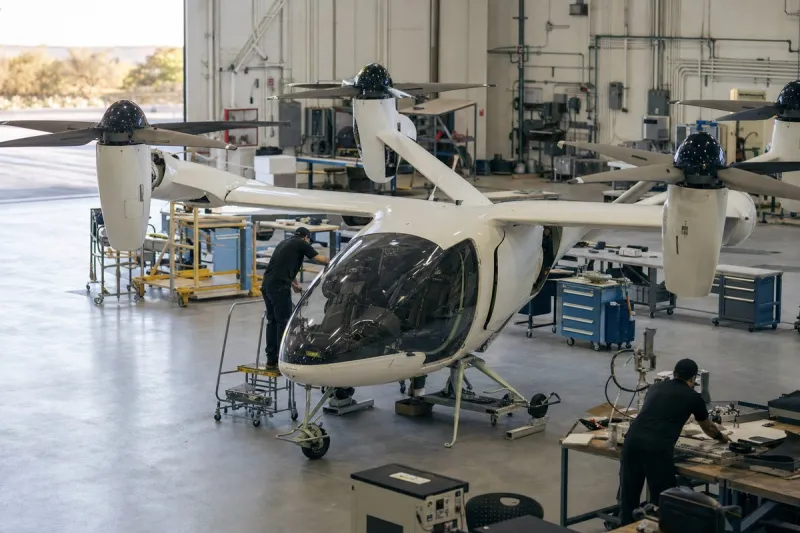
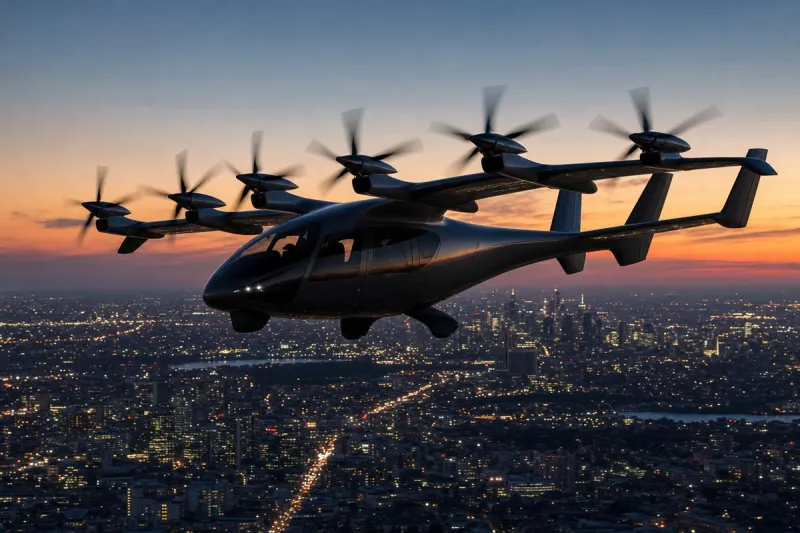
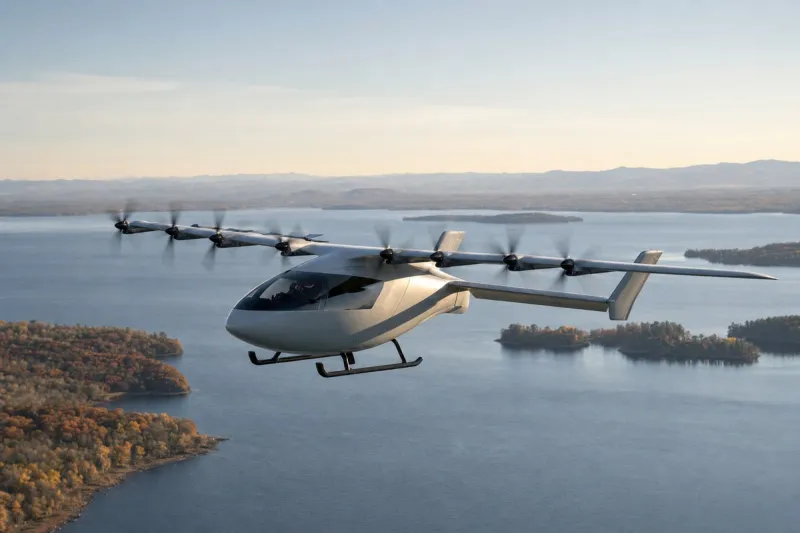
The Leonardo AW609 is a tiltrotor aircraft built to combine the speed and range of a fixed-wing airplane with a helicopter's vertical take-off and landing capability. Powered by twin Pratt & Whitney Canada PT6C-67A engines, it has a maximum gross weight of about 8 tonnes (18,000 lb), a maximum cruise speed of 500 km/h (270 KTAS), and a maximum range of up to 1,852 km (1,000 nm) with auxiliary fuel. The pressurised composite cabin holds a crew of two and up to nine passengers, with a useful load exceeding 2,721 kg (6,000 lb).
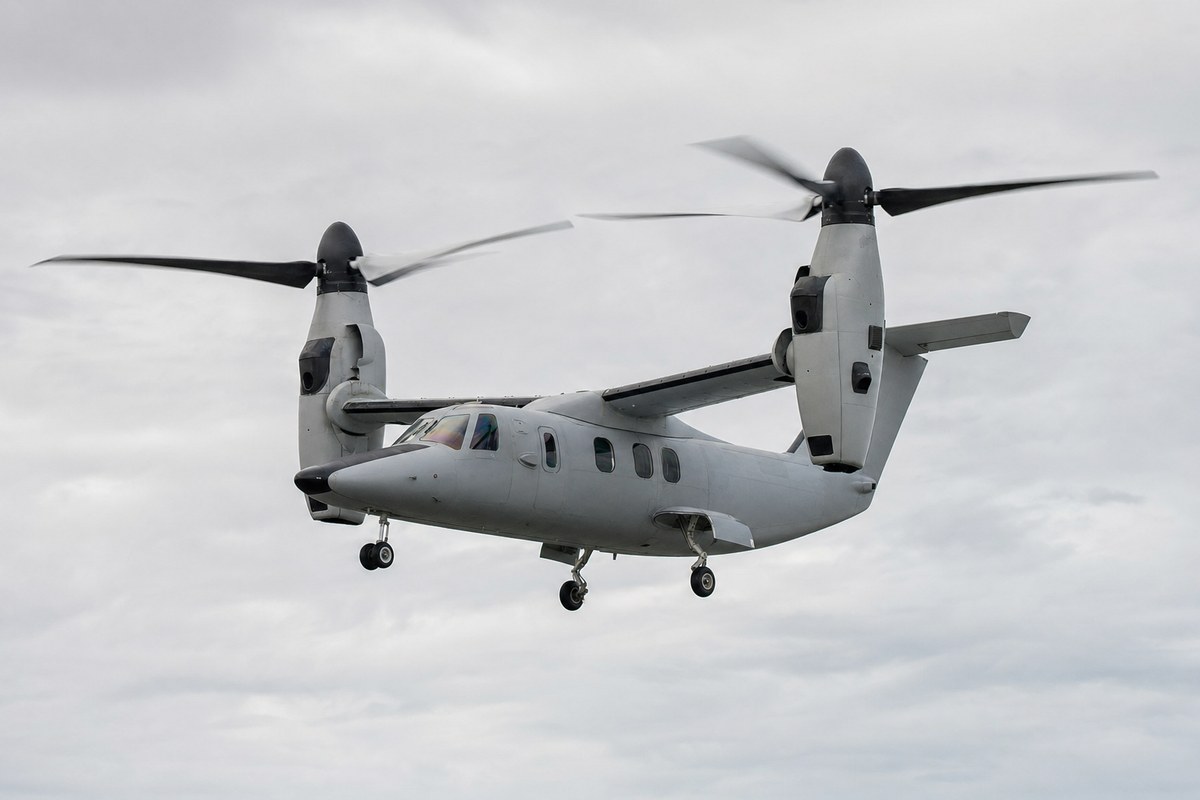
The aircraft measures 14.1 m (46 ft) long with rotors turning, 5.1 m (16 ft 9 in) high in VTOL mode, with an 18.3 m (60 ft) rotor span. It cruises at 25,000 ft and is designed for flight into known icing conditions, meeting FAA requirements under Federal Aviation Regulations Part 25 and Part 29. Onboard systems include Collins Aerospace Pro Line Fusion avionics with three touchscreen displays, a triple-redundant fly-by-wire flight control system, triple-redundant hydraulic and electrical systems, and 30-minute run-dry transmissions.
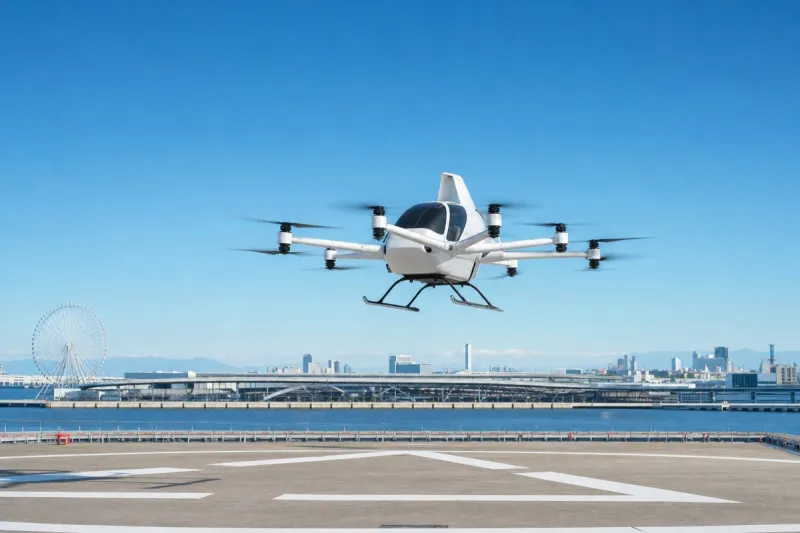
Leonardo markets the AW609 for VIP and executive transport, search and rescue, emergency medical services, offshore energy operations, and parapublic and security roles. For EMS missions the cabin can be reconfigured for two stretchers and up to five medical personnel, while for offshore energy work it can carry up to nine passengers on long-distance, deep-water routes at roughly twice the speed of conventional helicopters. A wide cabin door and low entry sill aid loading of rescue baskets and stretchers.