Hawaii AAM and Drone Survey: Inter-Island Electric Flight Remains a Plan as Drone Operations Lead Real-World Activity
Why It MattersThe findings suggest Hawaii's electric aviation ambitions still trail its drone sector, where public-service and inspection use cases are already operational rather than planned.
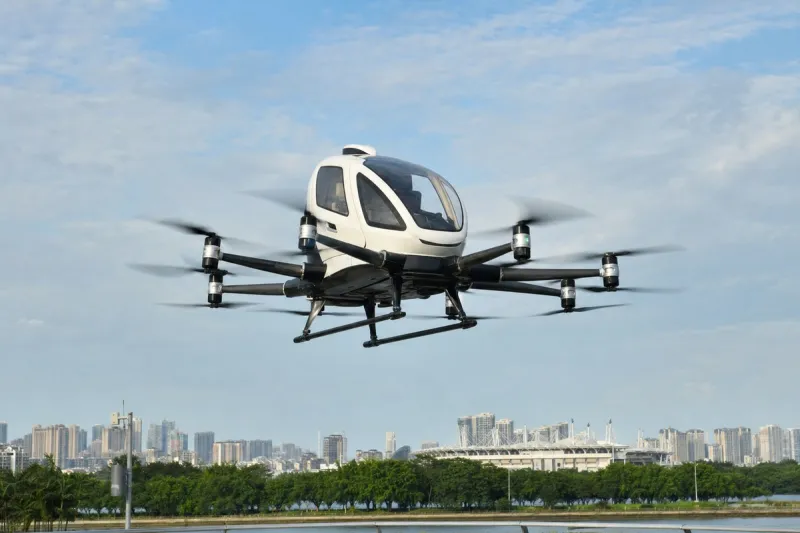
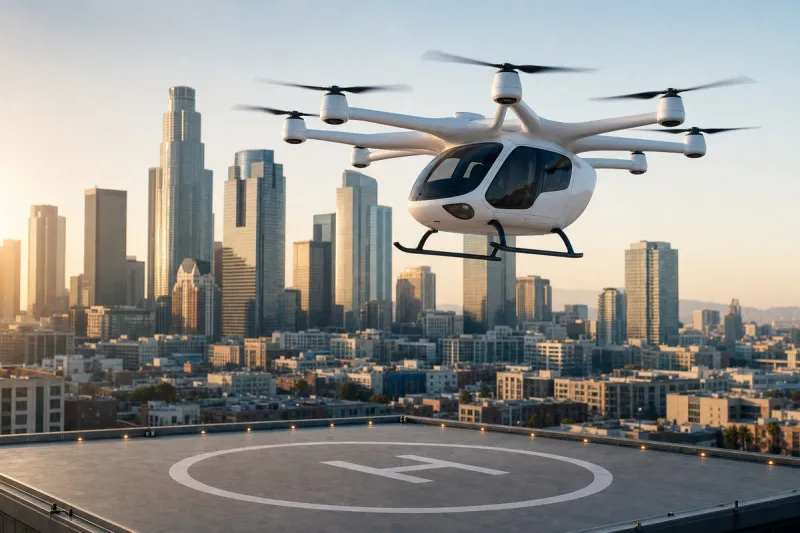
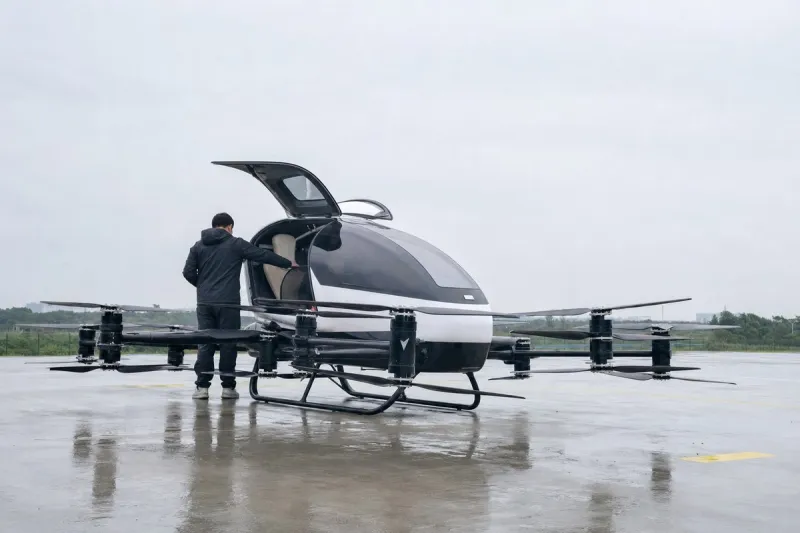
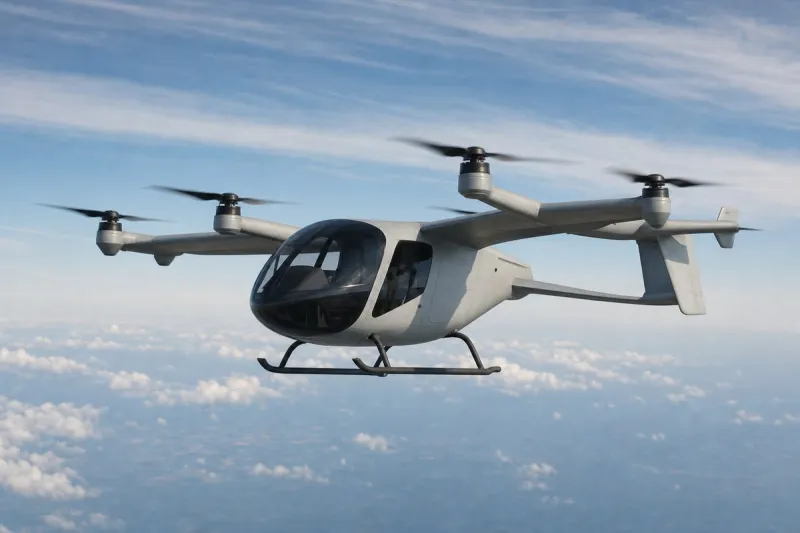
A survey of fifteen companies, programs and facilities across Hawaii's advanced air mobility and drone ecosystem found that electric aircraft flying between the islands remains entirely at the planning and demonstration stage, while all current UAV activity is limited to public-service and inspection work.
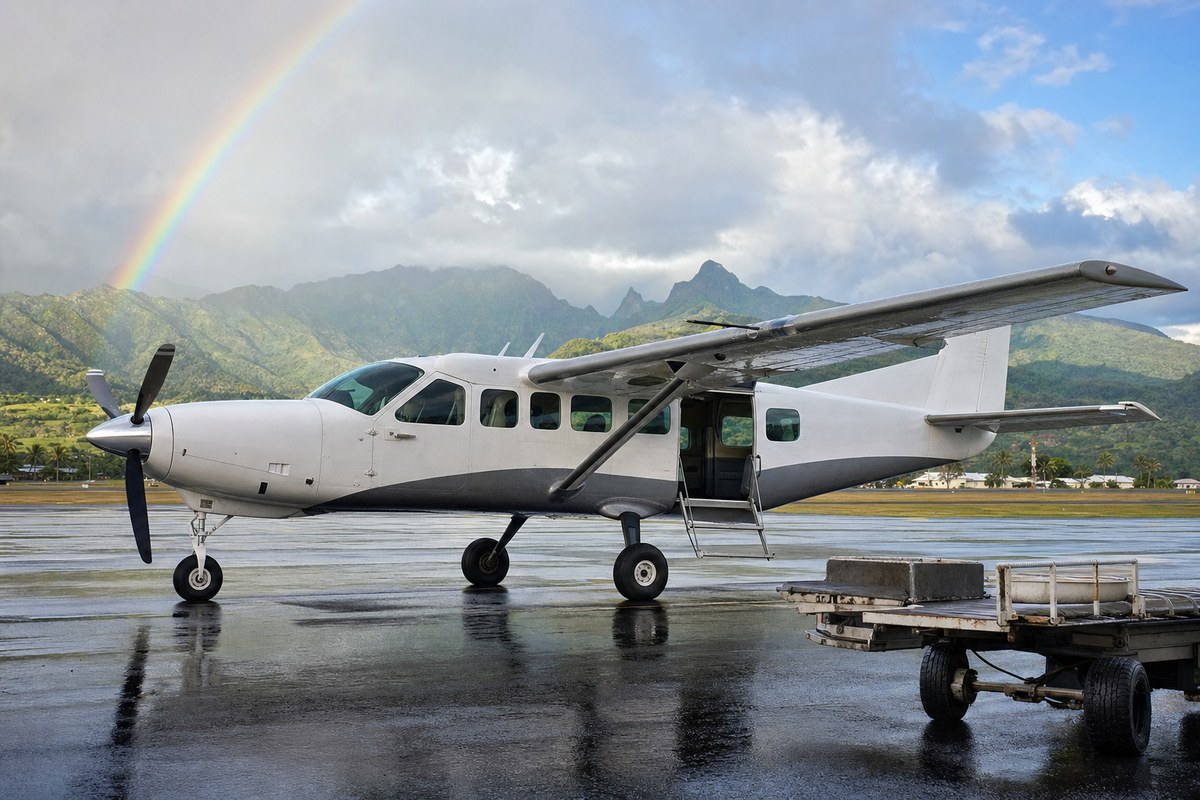
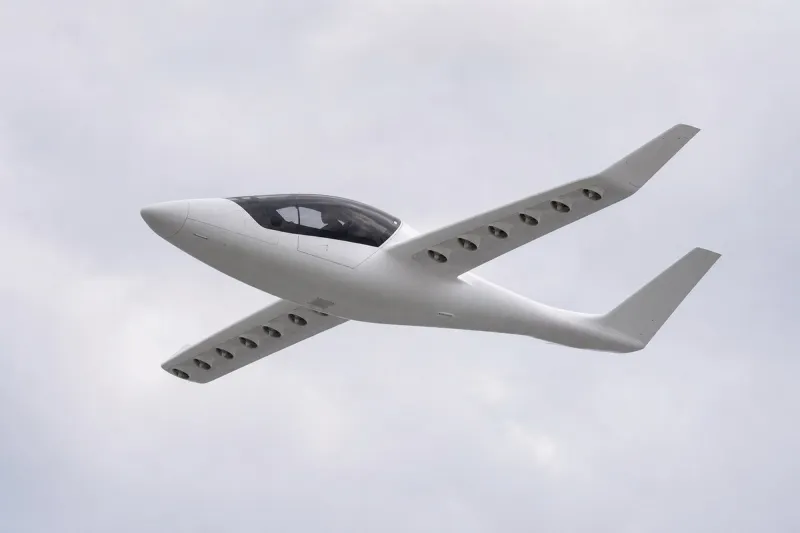
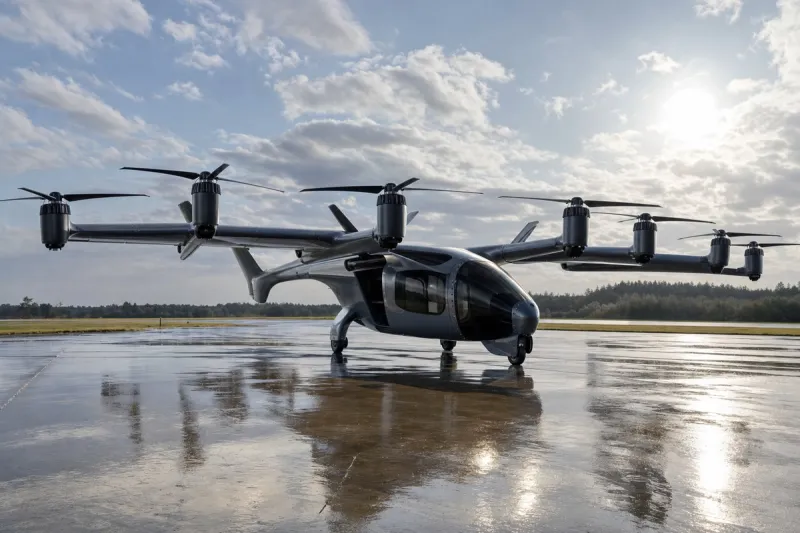
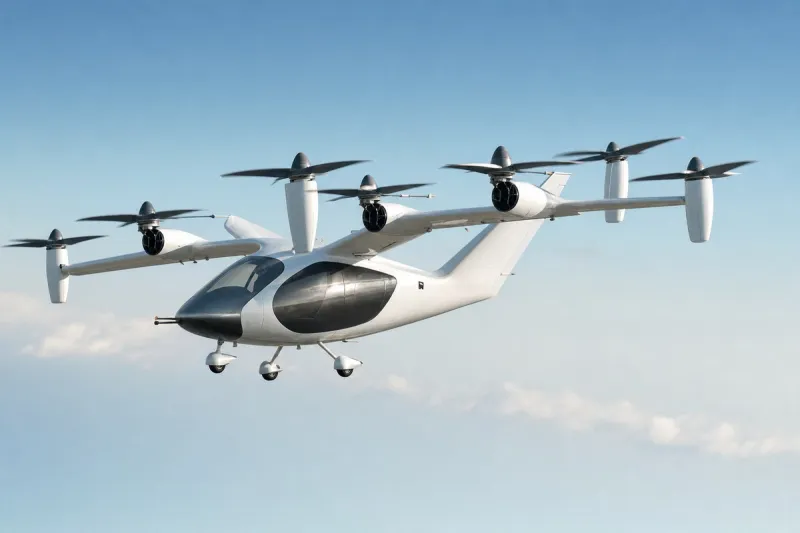
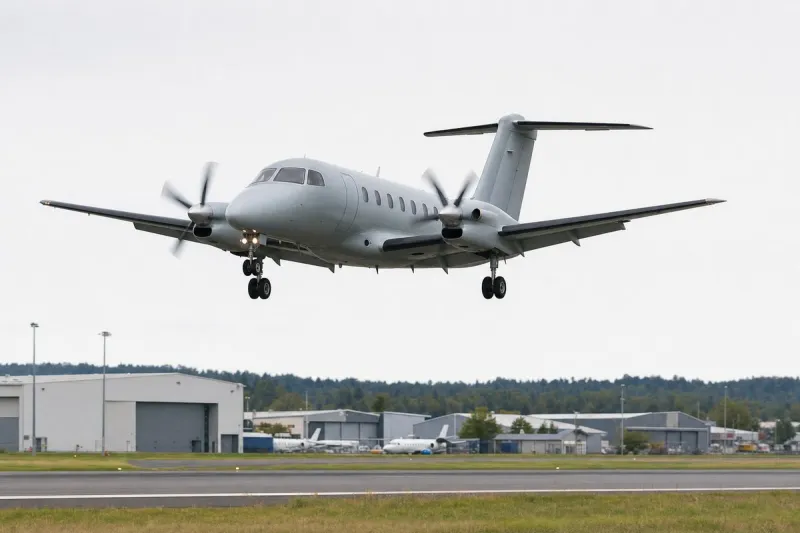
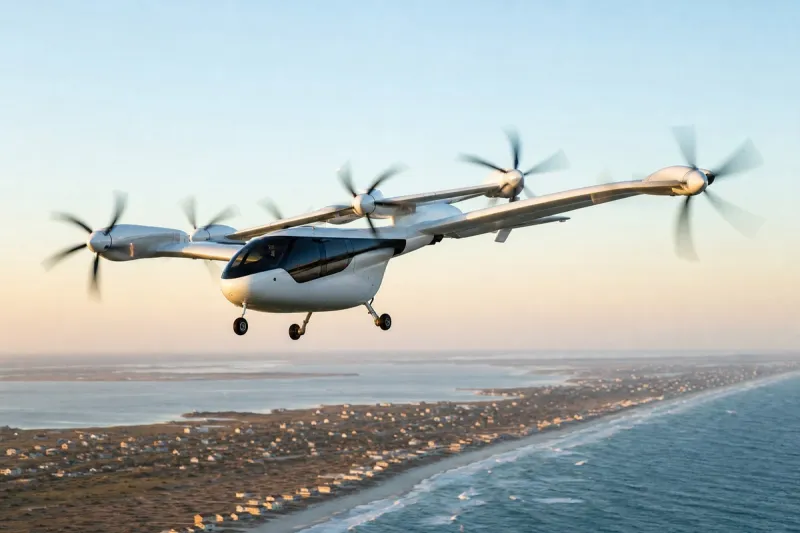
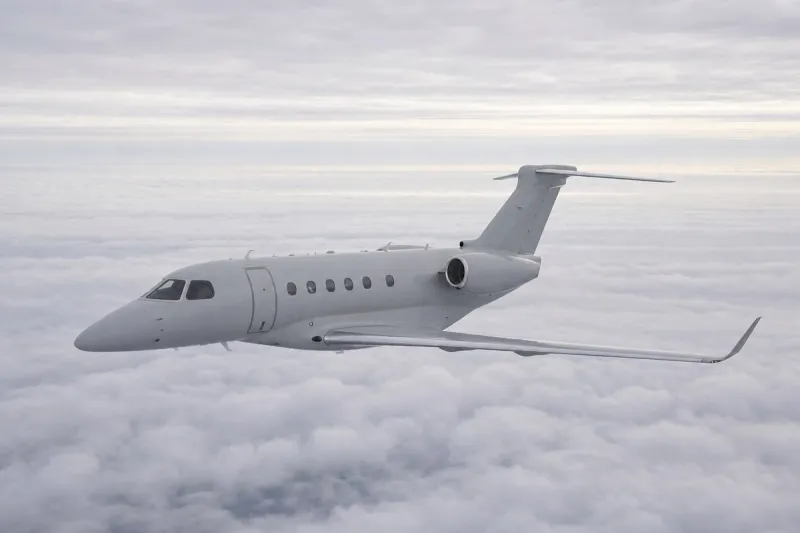
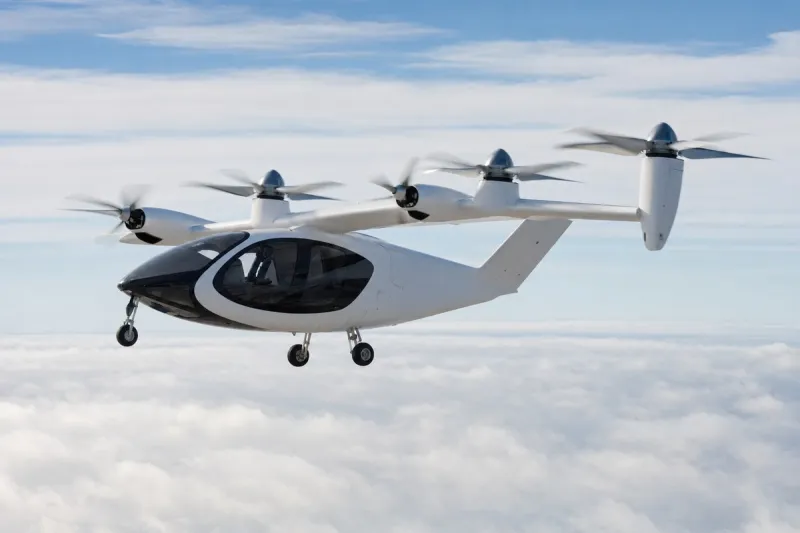
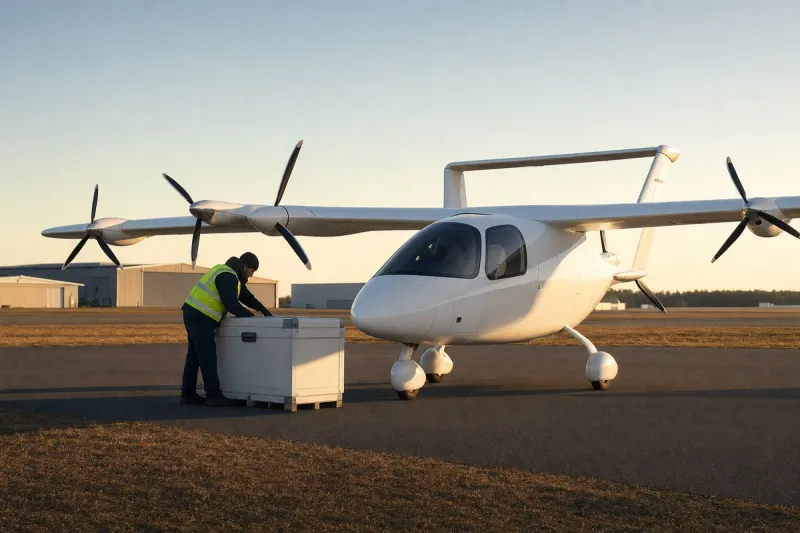
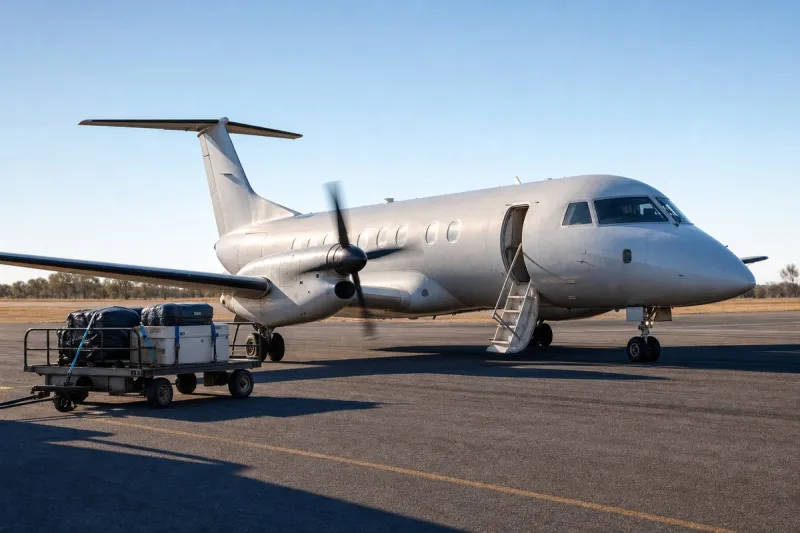
Surf Air Mobility, whose Mokulele Airlines operates Cessna Caravan aircraft across nine island airports, placed a firm order on 12 March 2026 for 25 BETA Technologies ALIA CTOL aircraft. The company plans to begin with cargo operations, adding passengers only after BETA's passenger variant receives FAA certification. BETA Technologies launched a demonstration campaign from Honolulu in late June 2026, announcing on 26 June a market-survey flight programme of approximately six to eight weeks. Hawaii's state transportation department joined Surf Air and BETA in a bid for the federal eVTOL Integration Pilot Program, but the bid was not among the eight selected nationwide.
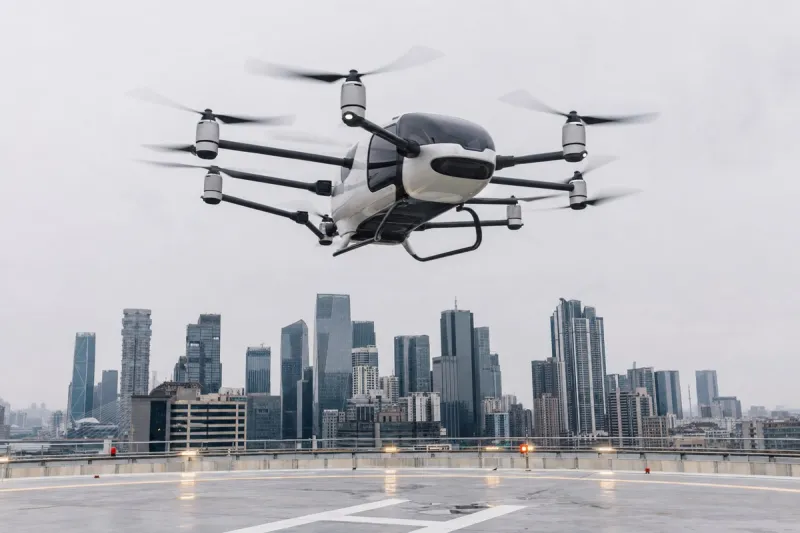
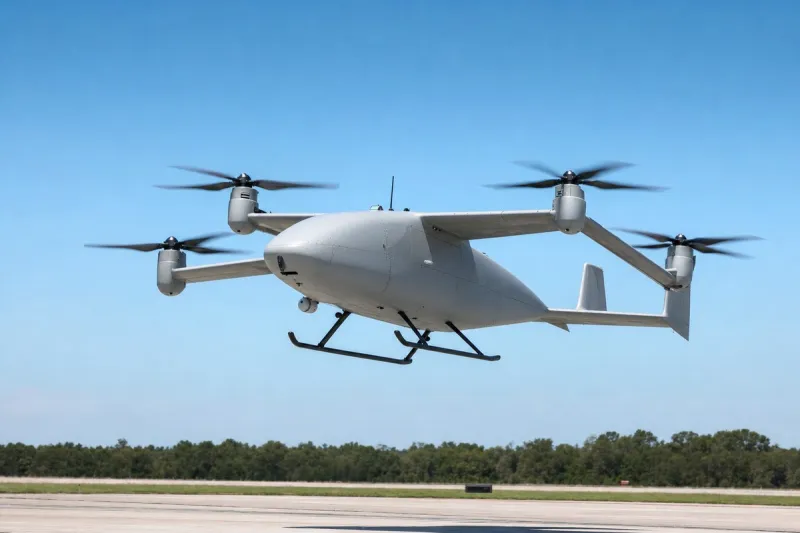
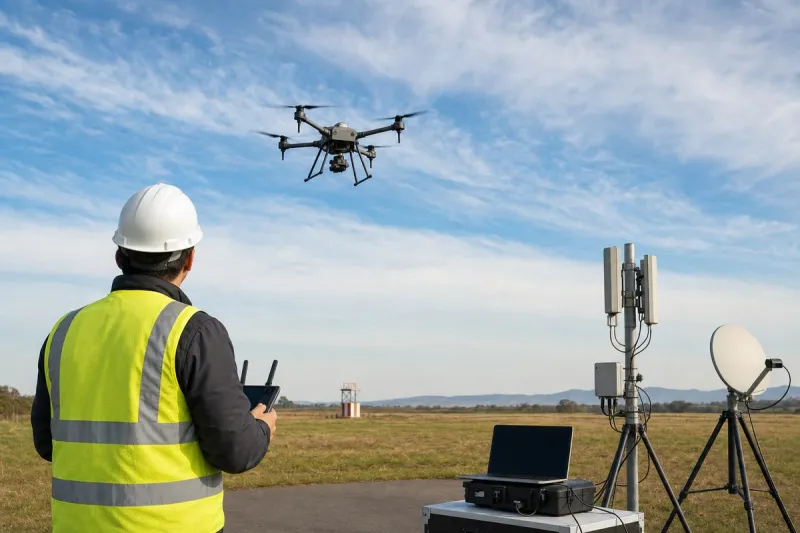
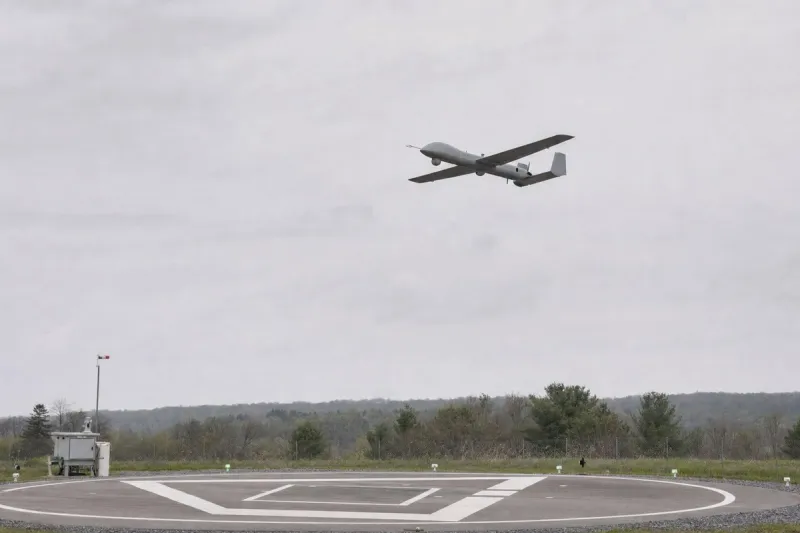
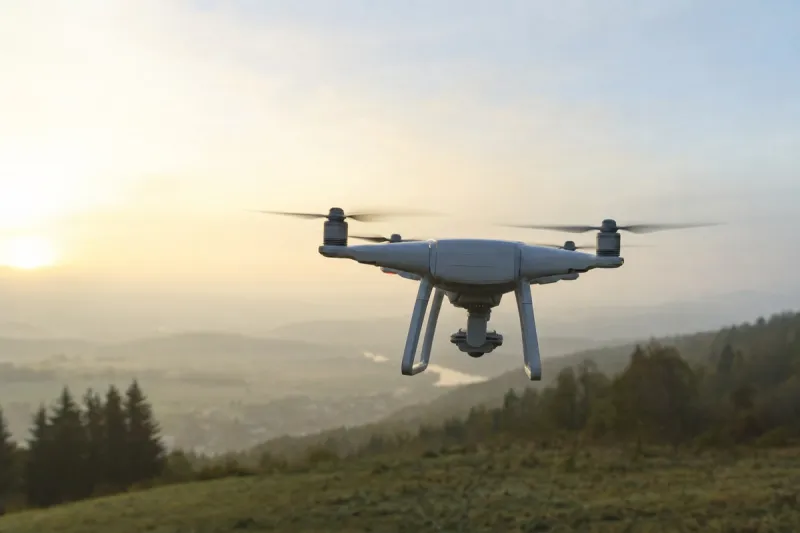
On the drone side, Hawaiian Electric conducts wildfire inspection flights on three islands, while the Honolulu Police Department and the state Department of Law Enforcement each run drone-as-first-responder programmes in Honolulu. A conservation coalition has been releasing mosquitoes by drone over forests on Maui and Kauai since April 2025. No Hawaii operator currently holds an FAA drone delivery certificate.
Hawaii does not have its own FAA-designated test site and is instead a partner in the Alaska-led Pan-Pacific UAS test range; the state office established in 2015 to administer Hawaii's participation has no current record of flights. Hawaii is the thirty-sixth US state covered in the series, with each of the fifteen entries carrying its own verification date to reflect when its status was last confirmed.