UAE Expands Autonomous Vehicles, eVTOL Vertiports and EV Infrastructure Across Emirates
Why It MattersThe parallel build-out of autonomous fleets, certified vertiport infrastructure and EV charging networks shows advanced air mobility and self-driving transport advancing together only once regulators issue dedicated certifications and licensing categories.
What happened
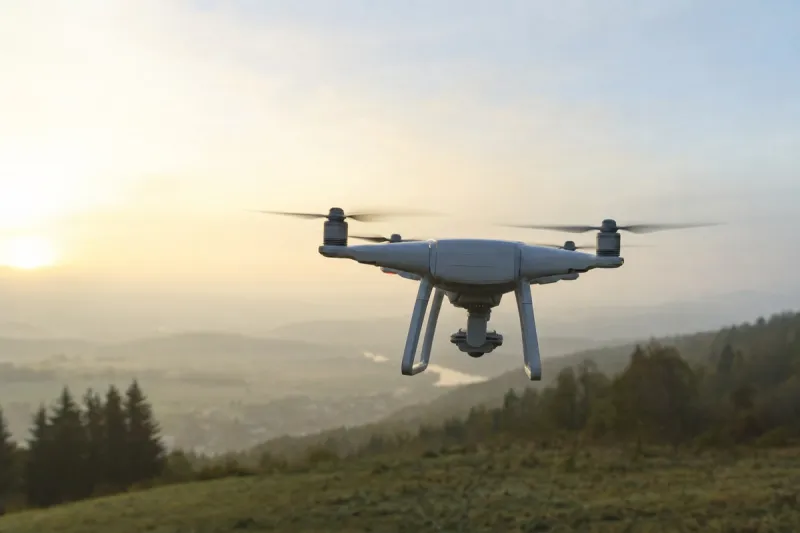
Dubai's robotaxi service has completed more than 4 million kilometres and 7,613 passenger trips since launch through August 2026, with a fleet of 144 vehicles including 48 in active operation, completing approximately 50 trips per day and recording 97 percent customer satisfaction. The Baidu Apollo Go Autonomous Vehicles Operations and Control Centre has opened in Dubai, spanning 2,000 square metres and housing fleet management, maintenance, charging, software updates, safety testing, simulation and training facilities.
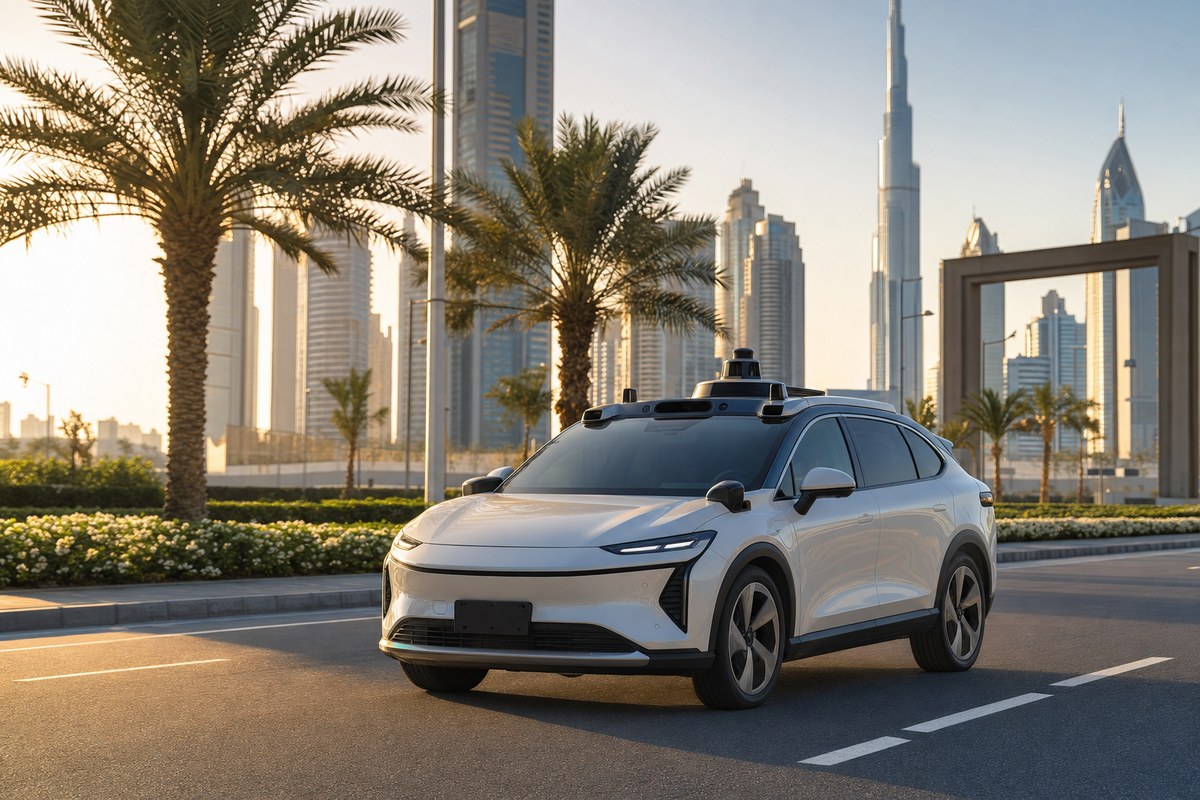
In Abu Dhabi, autonomous mobility trials of the TXAI self-driving taxi service began on Yas Island in 2021, and a pilot programme for autonomous delivery vehicles launched in 2025 alongside the announcement of the Abu Dhabi Autonomous Vehicle (AV) Test Hub, which will use simulation, digital-twin technology, sensing networks and real-time data analysis. In July 2026, Abu Dhabi Mobility introduced dedicated licence plates for trial and commercial autonomous vehicles for the first time, under the categories "Test" and "Auto Drive".
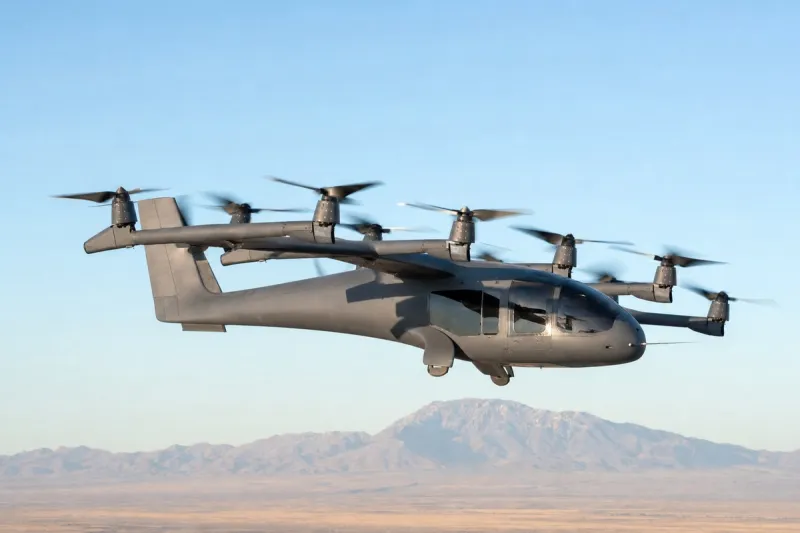
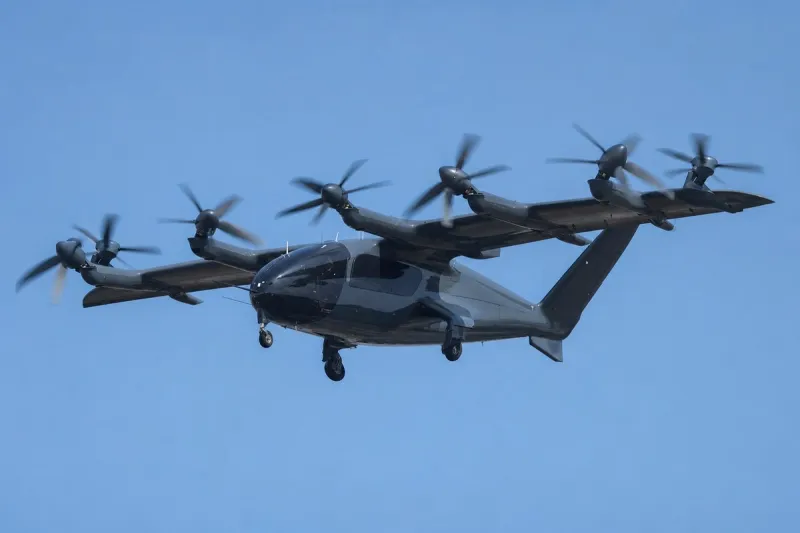
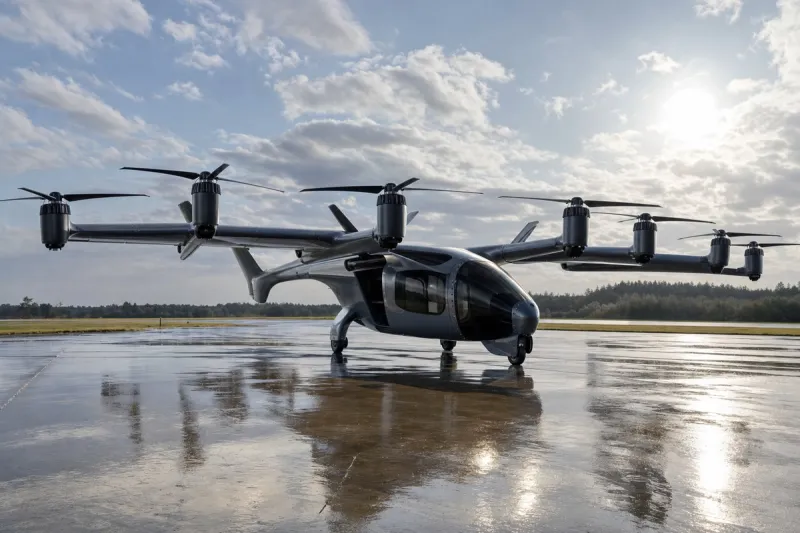
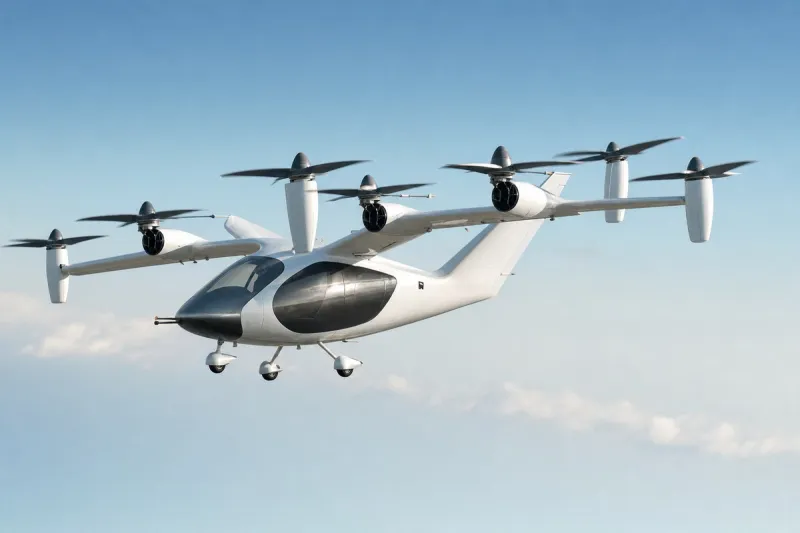
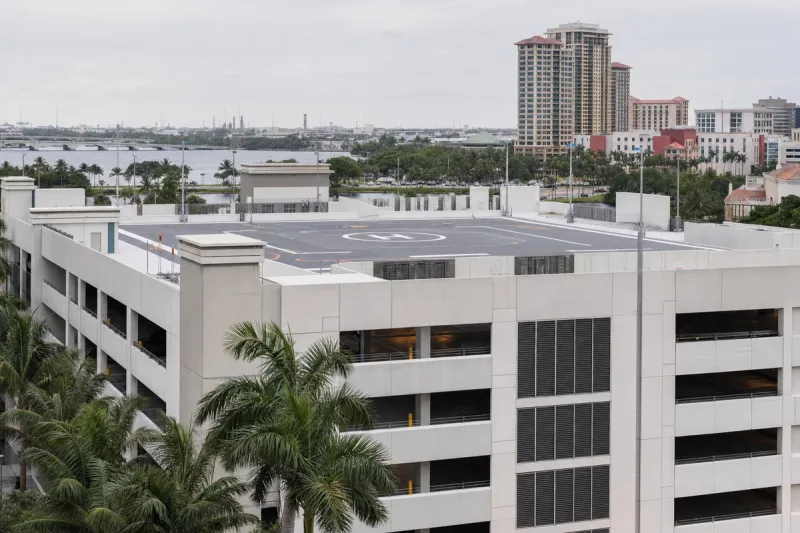
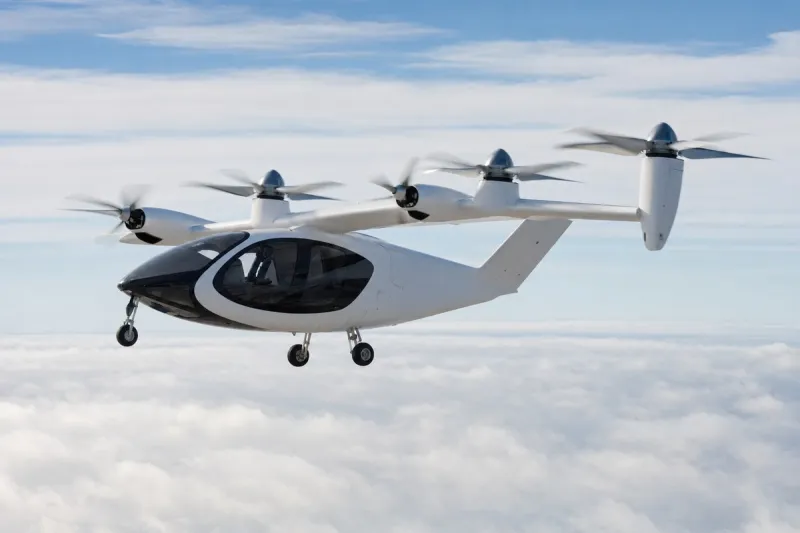
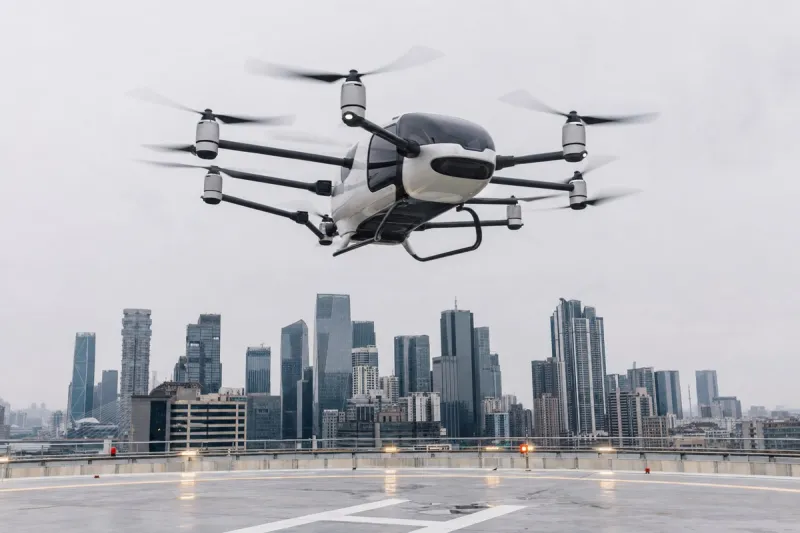
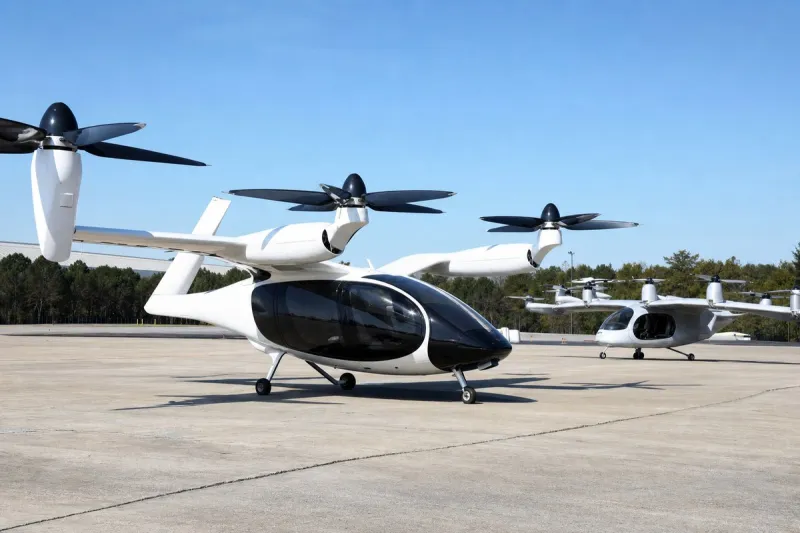
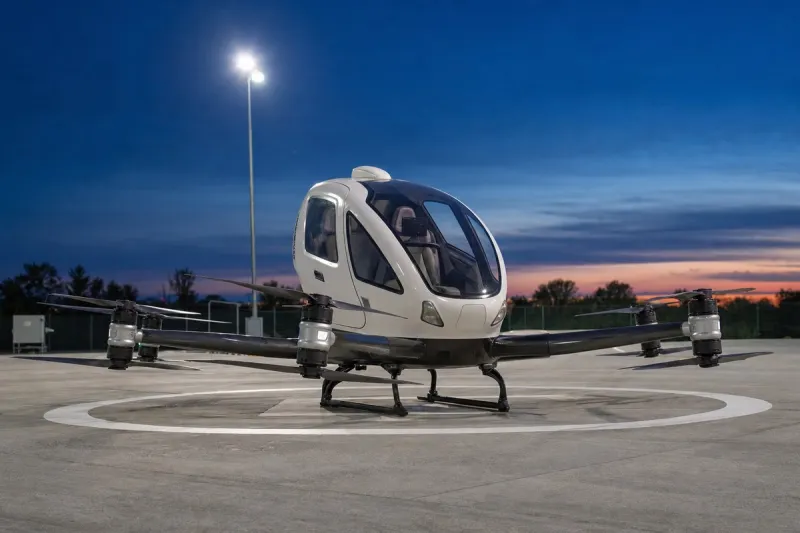
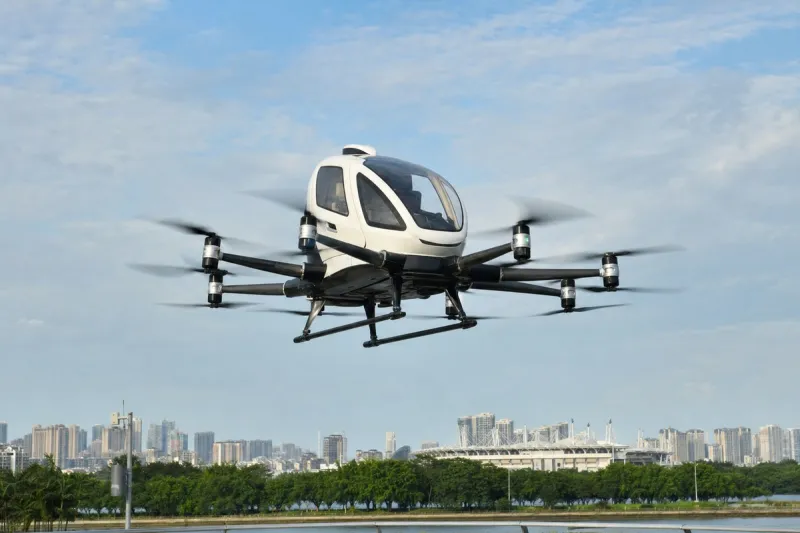
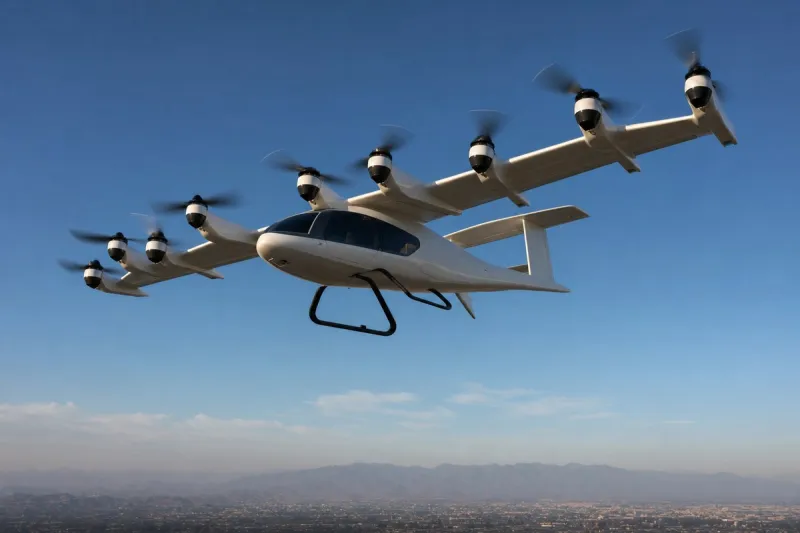
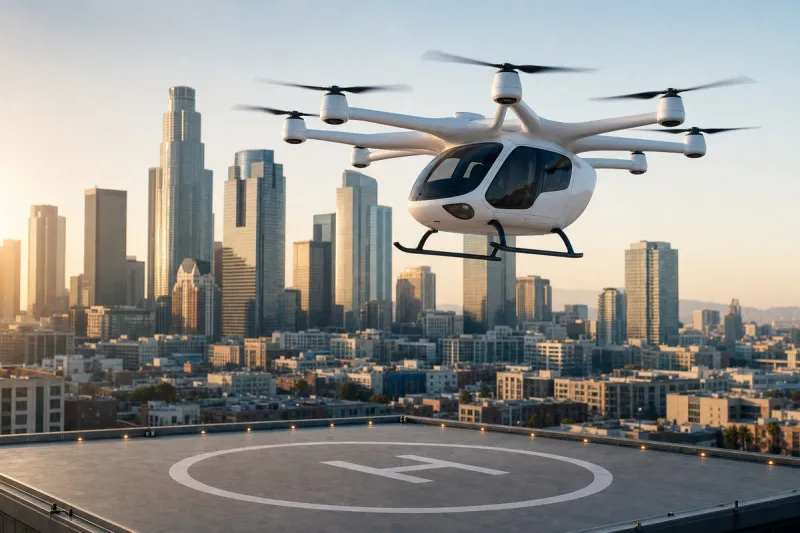
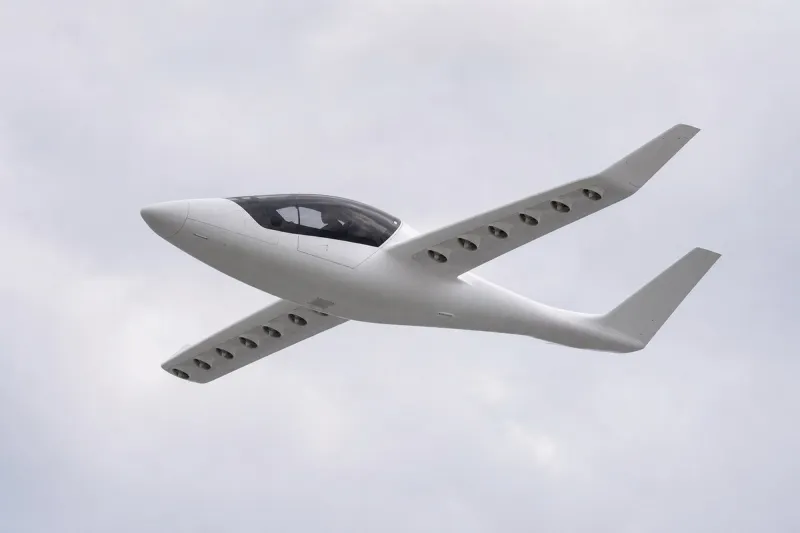
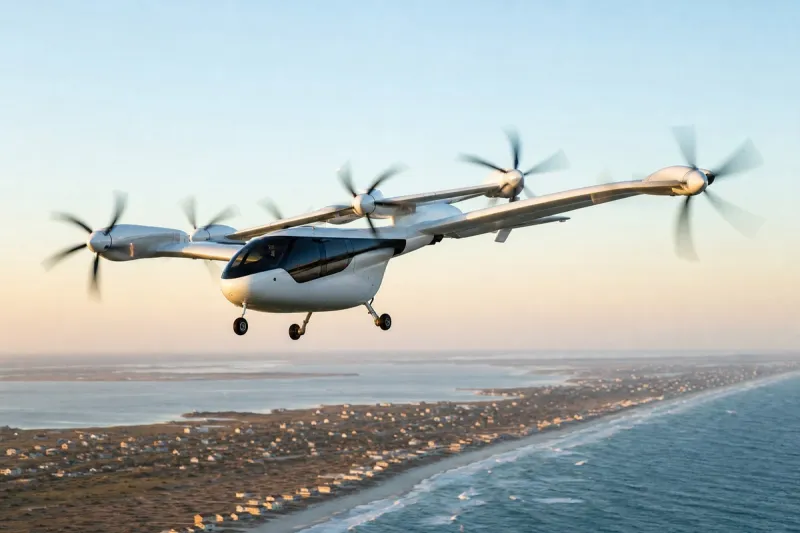
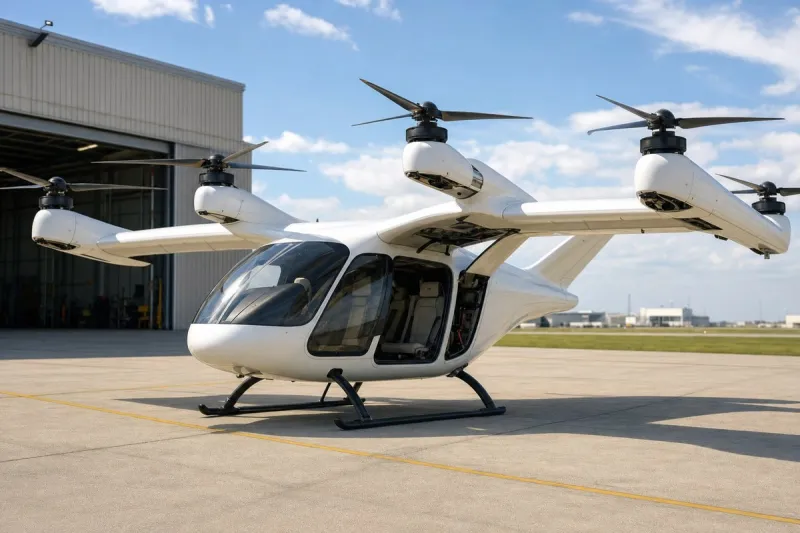
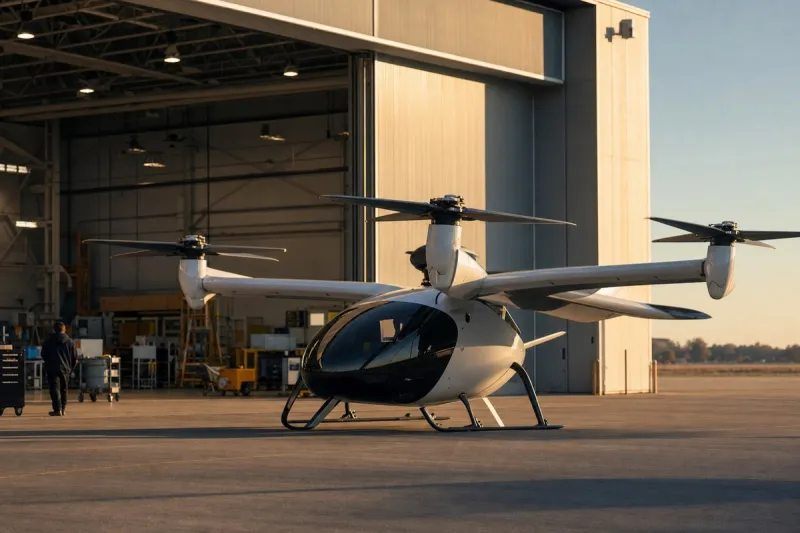
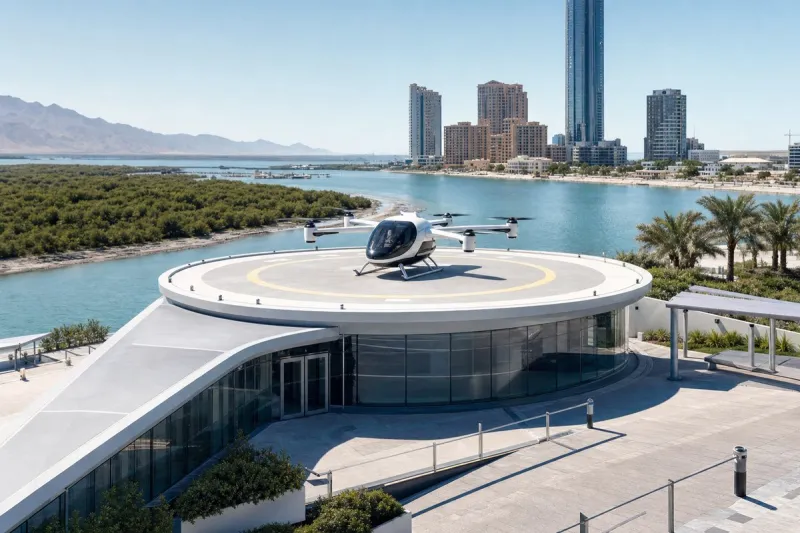
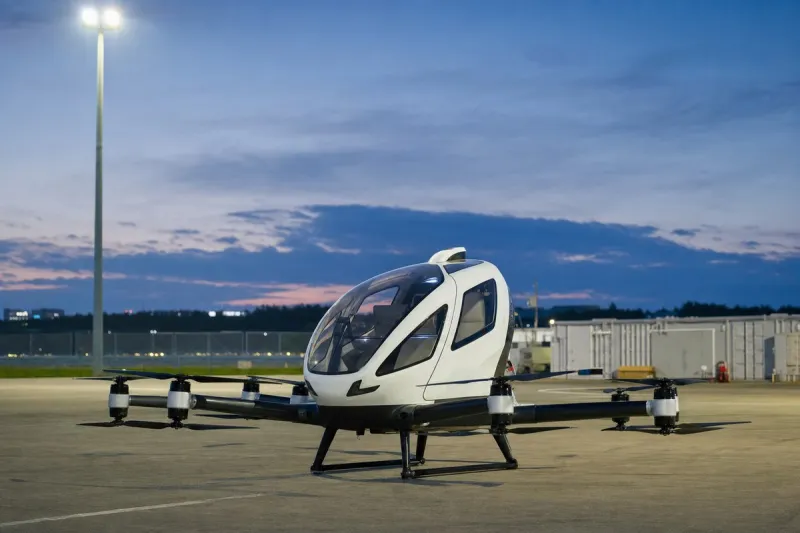
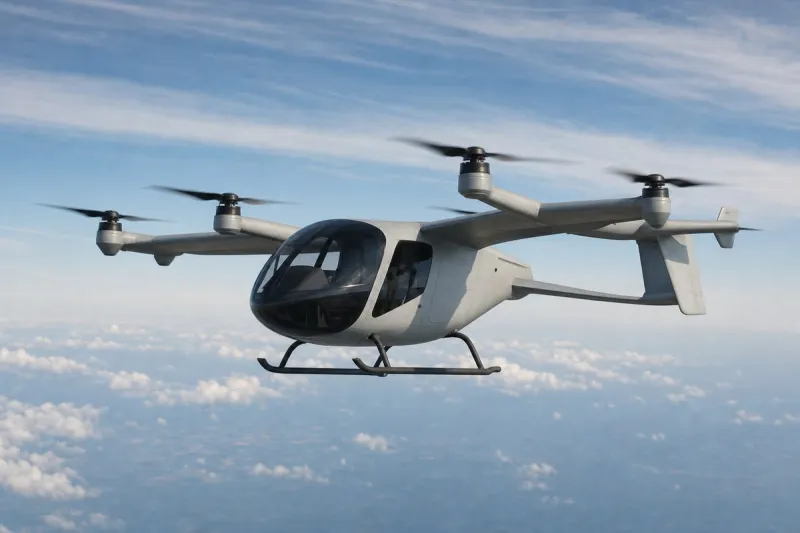
The General Civil Aviation Authority (GCAA) and Skyports Infrastructure announced that VDX, described as the world's first purpose-built commercial vertiport, has received regulatory certification for eVTOL aircraft operations in Dubai. The four-storey facility spans approximately 3,100 square metres, includes two take-off and landing areas, rapid charging infrastructure and passenger facilities, and is designed for capacity of up to 170,000 passengers annually; three additional vertiports are under development as part of the network Skyports is building. In Ras Al Khaimah, RAKTA, the RAK Department of Civil Aviation and Chinese company Aridge, an advanced air mobility company affiliated with XPeng, signed a cooperation agreement to develop, test and implement advanced air mobility solutions, following a first test flight of a flying vehicle in Ras Al Khaimah in 2025 conducted under previous cooperation with XPeng Aeroht.
On electric vehicles, the UAE ranked first among GCC markets and 22nd globally in Arthur D. Little's Global Electric Mobility Readiness Index (GEMRIX) 2026, scoring 53. EVs accounted for approximately 9 percent of new vehicle sales in the UAE in 2025, with battery electric vehicles representing around 6 to 8 percent and plug-in hybrid electric vehicles around 2.5 percent. The country's charging infrastructure has expanded to approximately 2,800 charging points, including around 1,250 direct-current charging points and 350 high-power charging units.
Industry impact & what to watch
Taken together, the robotaxi mileage figures, the Abu Dhabi licence-plate categories and the VDX certification show a jurisdiction moving several adjacent mobility technologies from pilot to regulated operation on parallel tracks rather than sequencing them. Advanced air mobility in particular depends on exactly this kind of infrastructure milestone: a vertiport certified for eVTOL operations, with defined passenger capacity and charging infrastructure, is what allows aircraft certification and route launches to follow, since without a certified landing and charging site an eVTOL programme has nowhere to operate commercially.
The same logic applies to autonomous vehicles: dedicated licence plate categories such as Abu Dhabi's "Test" and "Auto Drive" distinguish trial fleets from commercial ones, which is the regulatory step that lets an operator like the Dubai robotaxi service scale from a bounded pilot toward wider fleet deployment. The EV charging build-out to around 2,800 points, with 1,250 direct-current and 350 high-power units, similarly signals that infrastructure density is being treated as a precondition for adoption rather than a byproduct of it.
What remains to be seen is how quickly the three additional Skyports vertiports move from development to certification, whether Ras Al Khaimah's agreement with Aridge produces a second flight test following the 2025 XPeng Aeroht trial, and whether Abu Dhabi's AV Test Hub yields commercial licensing decisions similar to Dubai's robotaxi expansion.