Why eVTOL Wind Tunnel Testing Is More Complex Than Conventional Aircraft Testing
Why It MatterseVTOL certification will depend on specialised wind tunnel and acoustic test facilities capable of modelling full-flight-envelope rotor-wing interactions, not standard fixed-wing methods.
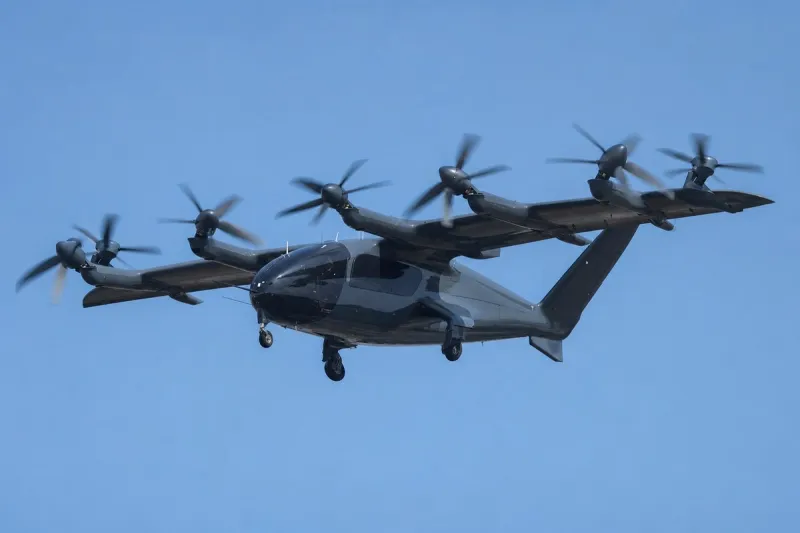
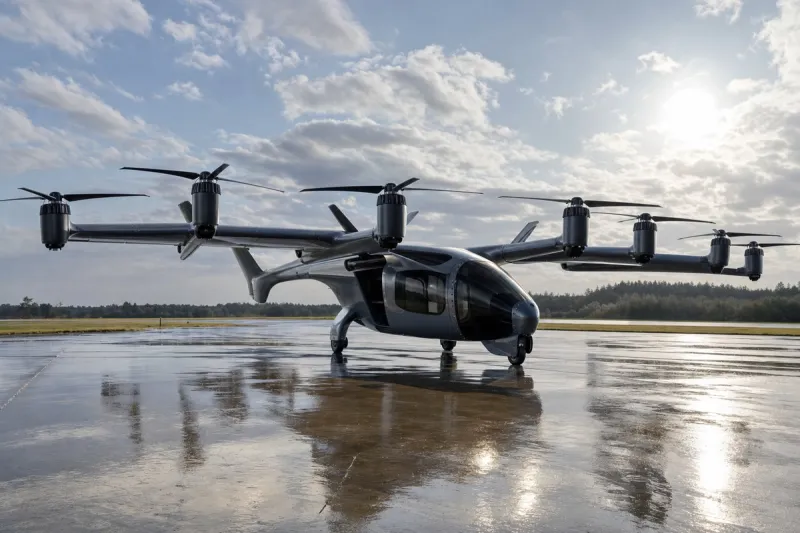
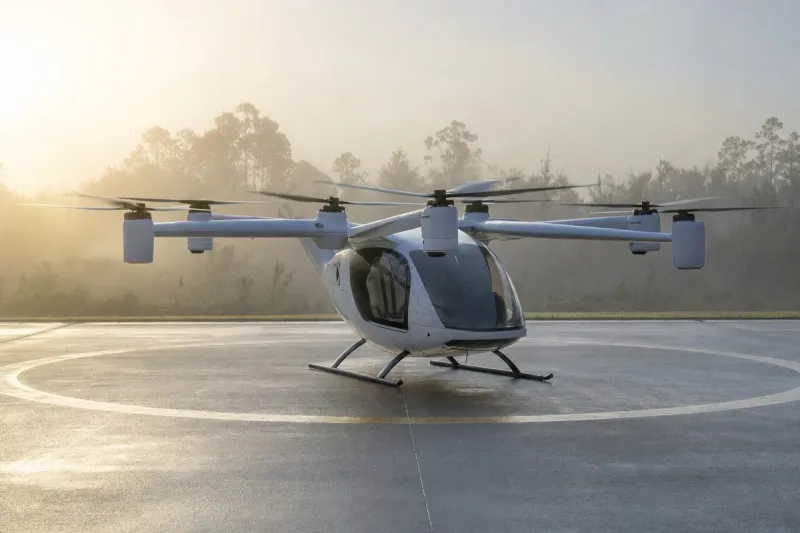
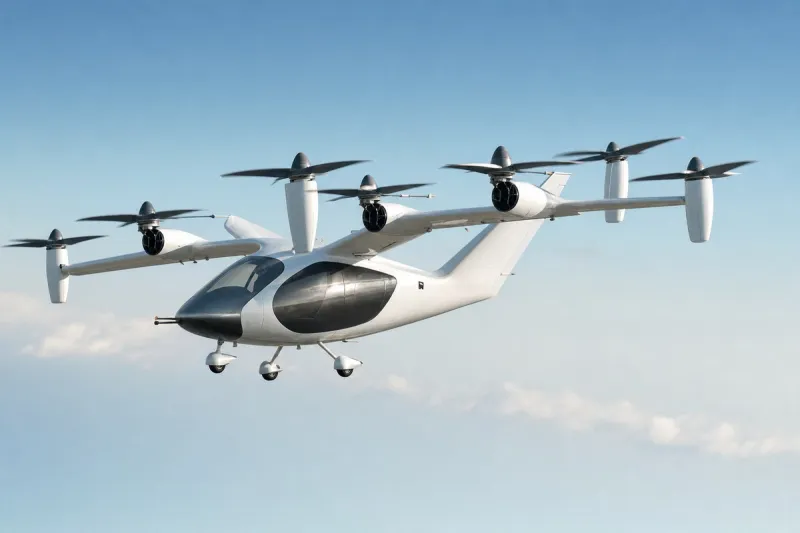
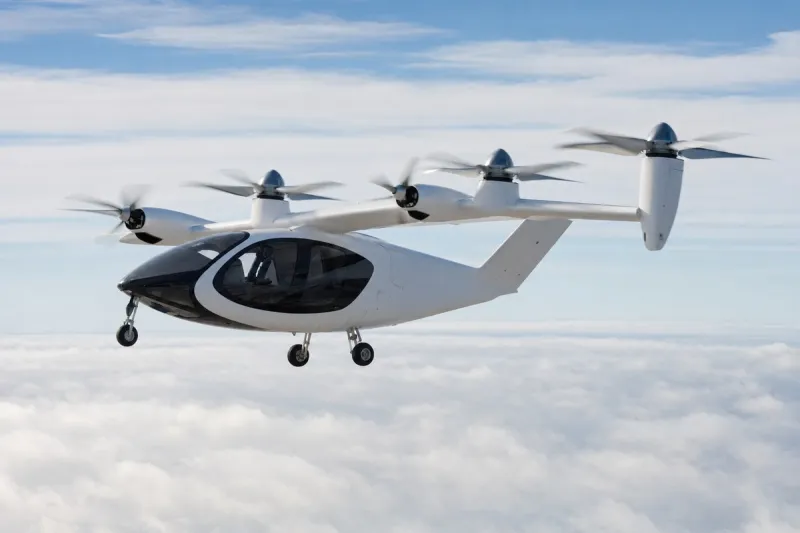
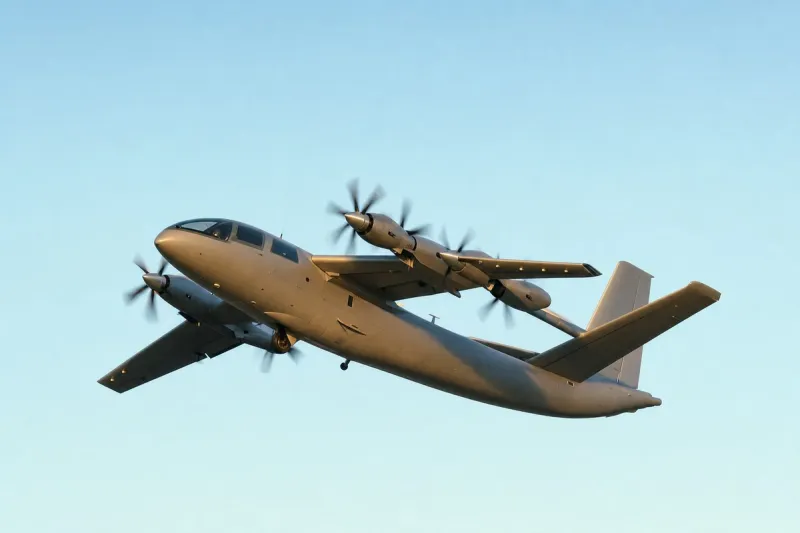
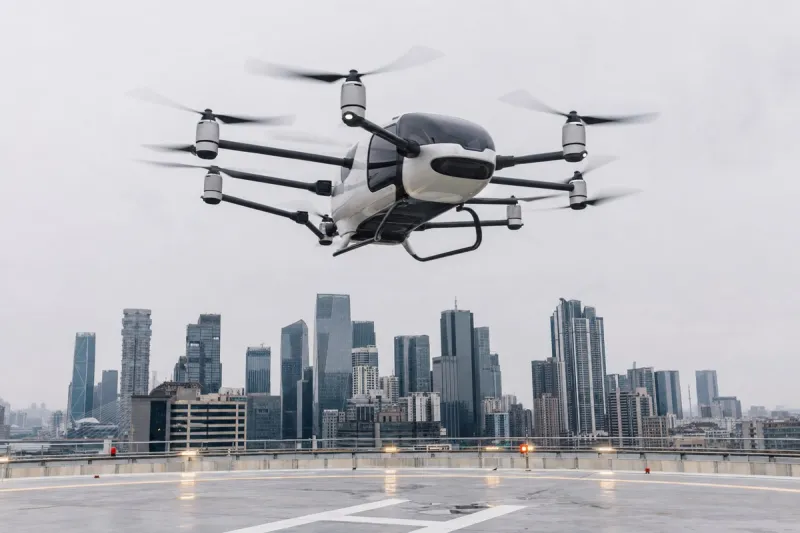
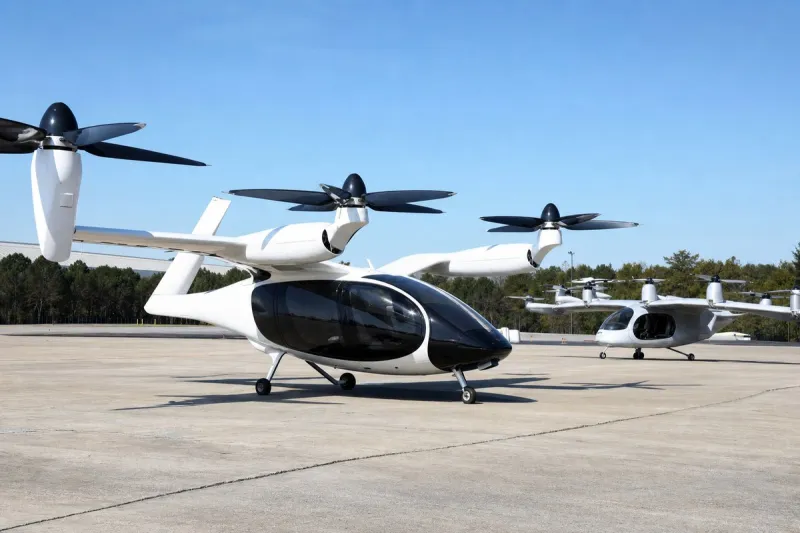
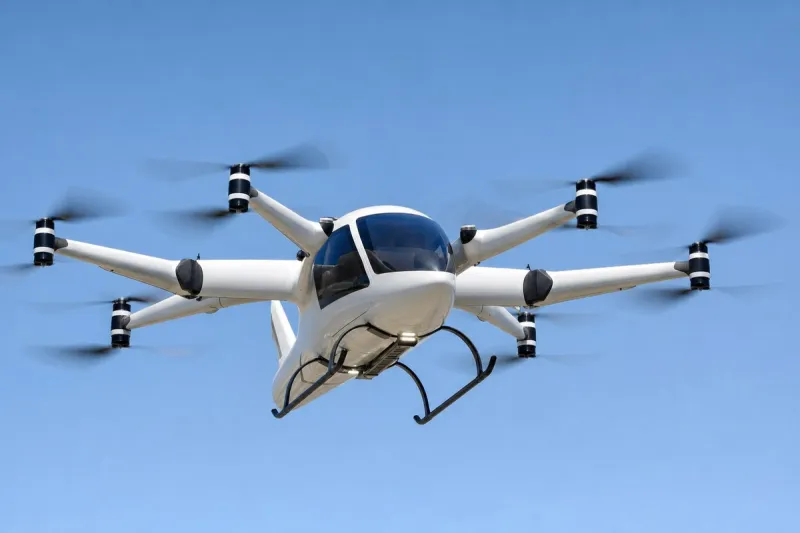
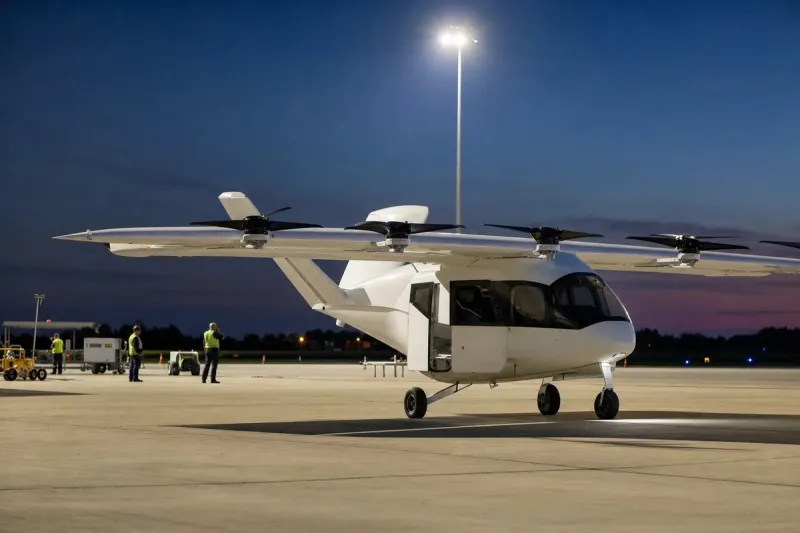
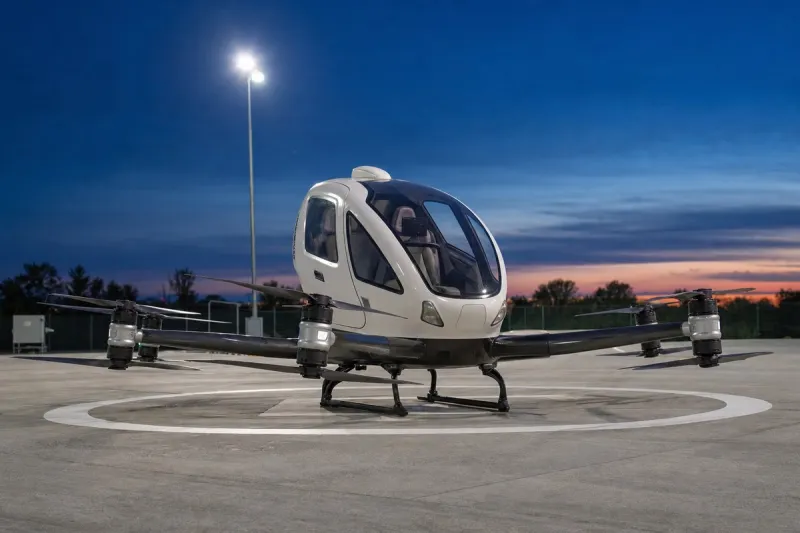
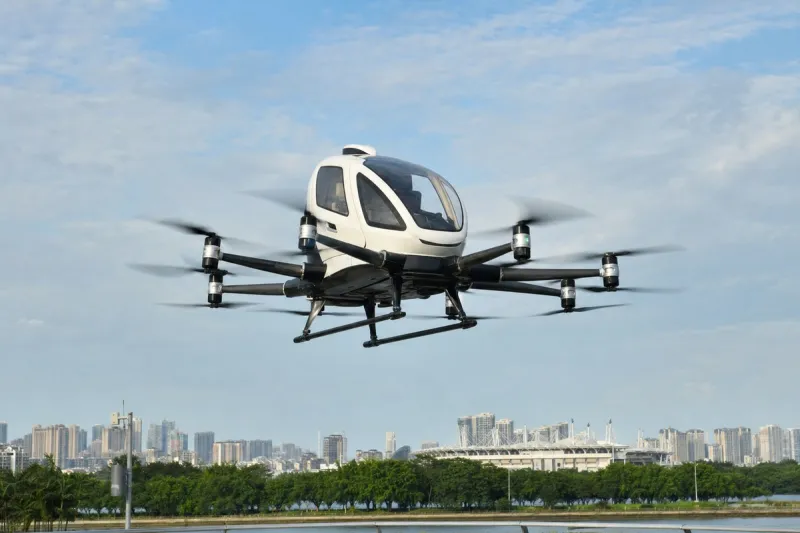
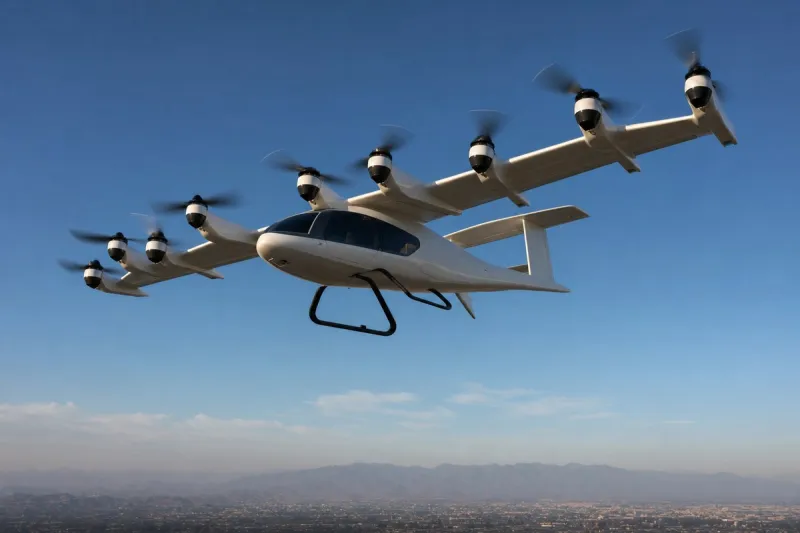
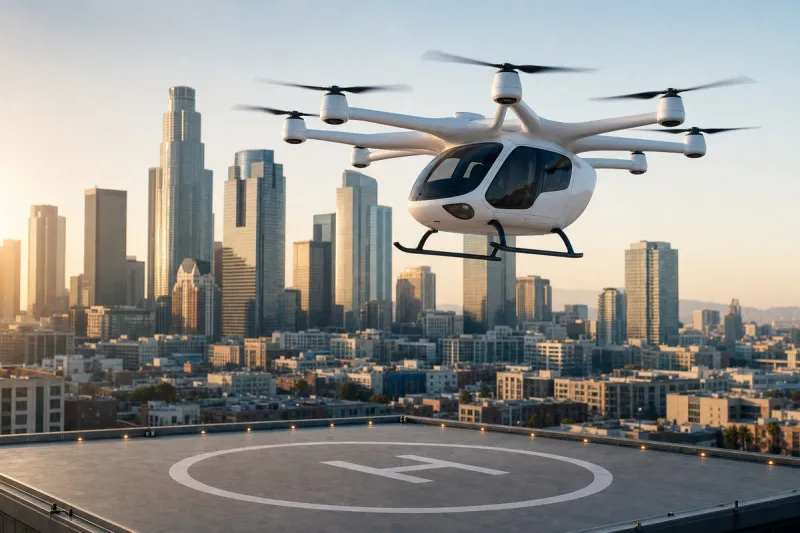
Wind tunnel testing has long been used to evaluate aircraft before flight, but electric vertical take-off and landing (eVTOL) designs pose challenges beyond conventional testing. A central difficulty is propeller-wing interaction: rotors on many eVTOL designs sit close to, above, below or in front of wings and control surfaces, so rotating airflow alters how air reaches the wing while the wing affects flow back into the rotors, influencing lift, drag, control forces and structural loads.
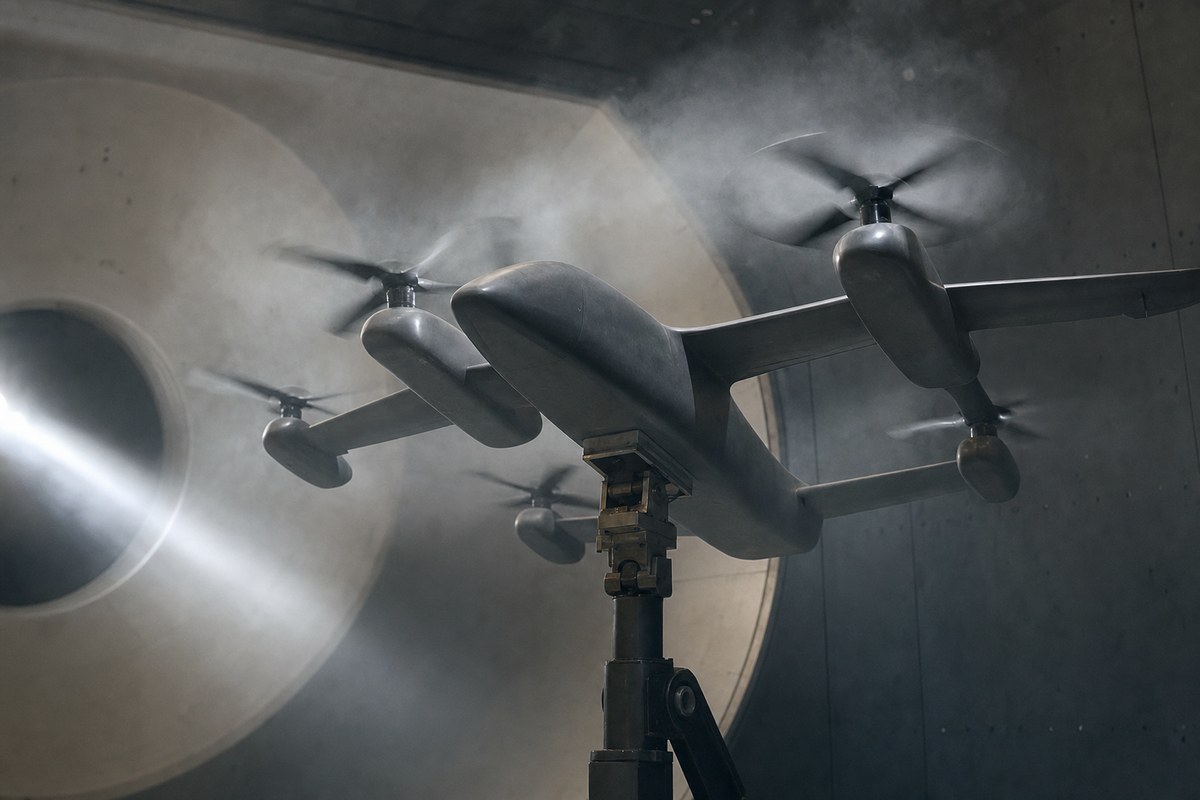
EVTOL aircraft must also be tested across hover, transition and cruise phases simultaneously, since the roles of rotors, control surfaces and wings shift continuously as the aircraft moves between them. NASA demonstrated this by testing a 7-ft wing model fitted with multiple propellers in its 14-by-22-ft Subsonic Wind Tunnel, using more than 700 sensors to measure pressure and loads across all three flight phases. Multiple rotors produce wakes that interact with each other and with the fuselage, wings and tail, creating highly three-dimensional, constantly changing flows that demand simultaneous data collection from several areas of the aircraft.
Noise measurement adds further complexity because eVTOLs are meant to operate near populated areas. Testing by NASA and Joby Aviation recorded approximately 45 dB during overhead flight at 500 metres, compared with below 65 dB at 100 metres during take-off and landing, with rotor tip speed, blade design, wake interactions and rotor number and position all affecting the acoustic signature. Facility needs vary accordingly, from standard wind tunnels with scaled models to open-jet tunnels, anechoic facilities and powered models capable of reproducing rotor thrust and control movements, since engineers stress an eVTOL must be evaluated as a complete integrated system across all flight phases.