Global Aircraft Pressurisation Systems Market to Reach USD 12.98 Billion by 2032, Growing at 6.32% CAGR
Why It MattersThe shift from bleed-air to electric pressurisation architectures signals a broader move toward more-electric aircraft systems across commercial, defence and business aviation fleets.
The global aircraft pressurisation systems market is projected to grow from an estimated USD 6,115.4 million in 2020 to USD 8,450.5 million in 2025 and reach USD 12,977.42 million by 2032, representing a compound annual growth rate of 6.32 percent. The expansion spans commercial aviation, defence platforms, and business aviation, driven by fleet modernisation, a shift from bleed-air to electric pressurisation architectures, tightening regulatory requirements, and growing operator focus on cabin air quality and lifecycle economics.
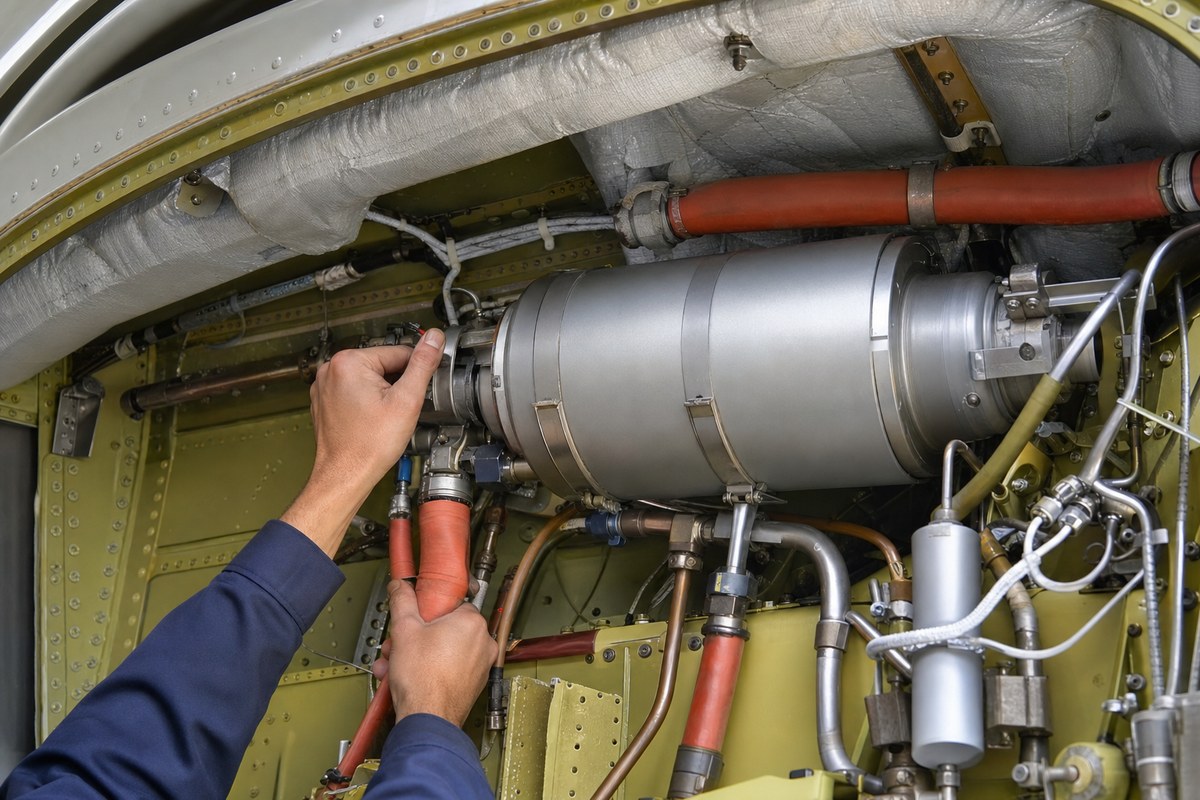
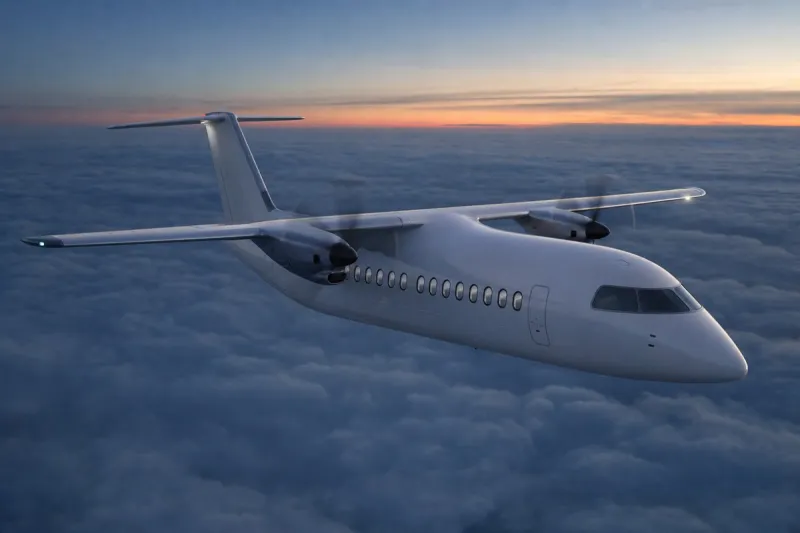
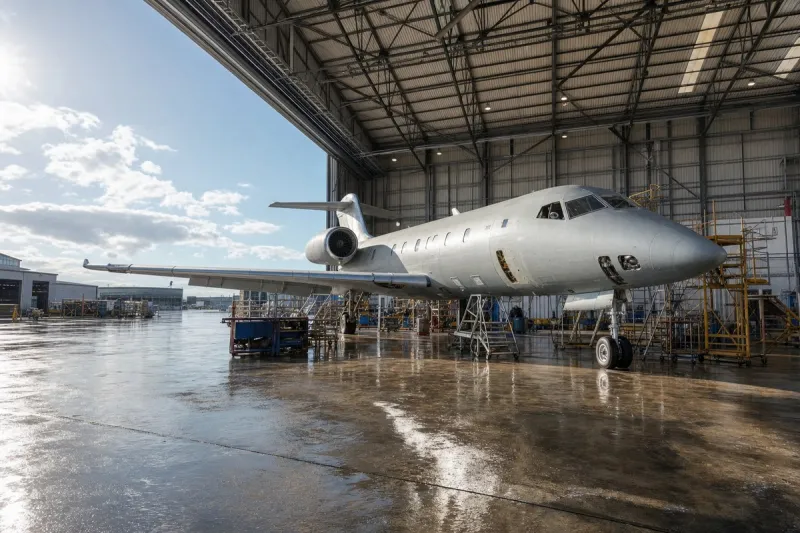
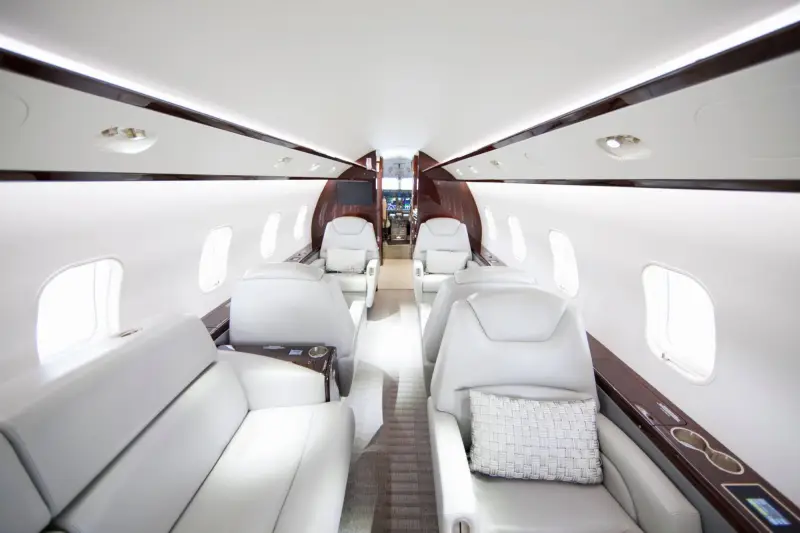
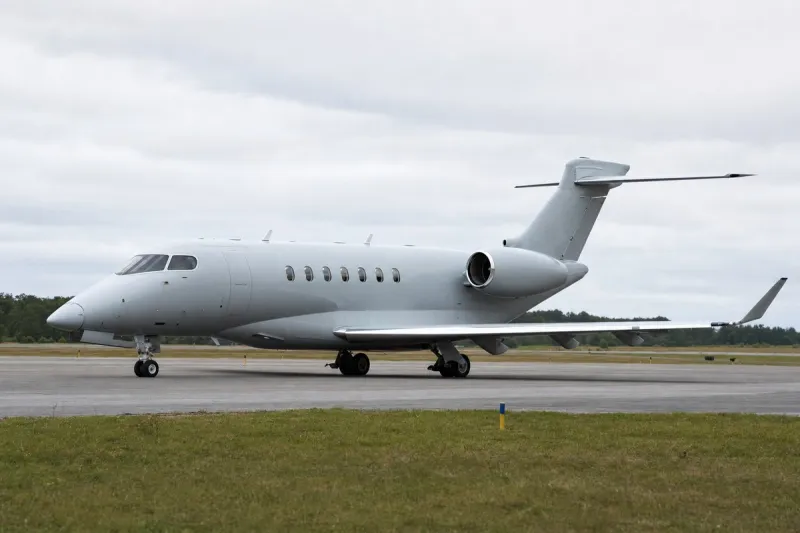
The market is moving away from traditional engine bleed-air systems toward more-electric and fully electric pressurisation solutions, with brushless DC technology and digitally controlled architectures gaining adoption for their potential to reduce weight, improve reliability, and enable condition-based maintenance. Narrow-body aircraft, regional jets, and business jets each place distinct demands on system suppliers, with narrow-body platforms generating the largest volume through both new production and retrofit activity.
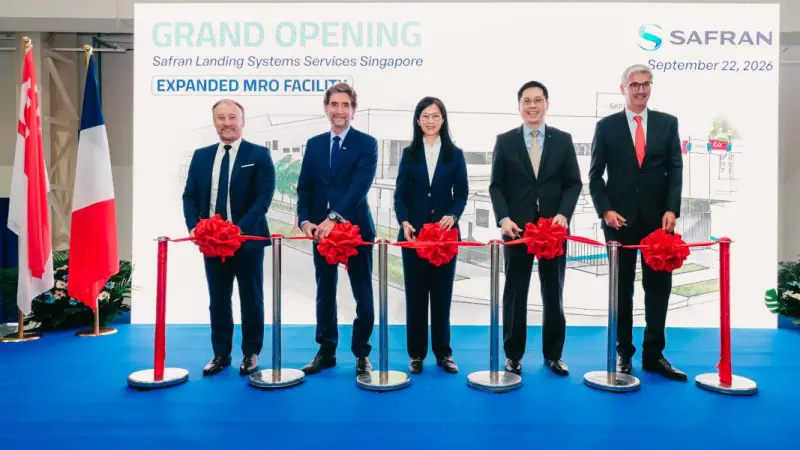
Among established players, Honeywell Aerospace has developed a fourth-generation digital cabin pressure control system using brushless DC technology for cargo, large air transport, regional, business jet, military, and general aviation platforms. Collins Aerospace, part of RTX, offers integrated air management systems combining outflow valves, cabin pressure controllers, and safety valves in electric and pneumatic configurations across commercial, military, fixed-wing, and helicopter platforms, while Safran Group focuses on automated systems.
Regulatory frameworks require pressurised cabins to maintain defined cabin pressure altitude limits during normal operations and to protect occupants under failure conditions, including mandatory pressure relief mechanisms, with increasing scrutiny around cabin air quality and fume-event prevention influencing system architecture. Supply chain fragility for valves, controllers, sensors, and actuators has prompted greater emphasis on multi-sourcing strategies and long-term supplier partnerships, with operators evaluating systems on acquisition cost, weight, fuel efficiency implications, maintenance burden, and spare-parts availability rather than purchase price alone.