ReFuelEU Aviation Surpasses 2% SAF Minimum in First Mandatory Reporting Year, EASA Data Shows
Why It MattersCompliance data show mandate thresholds can be cleared even while supply stays concentrated at a few hub airports and dependent on non-EU feedstock, leaving production capacity as the binding constraint.
What happened
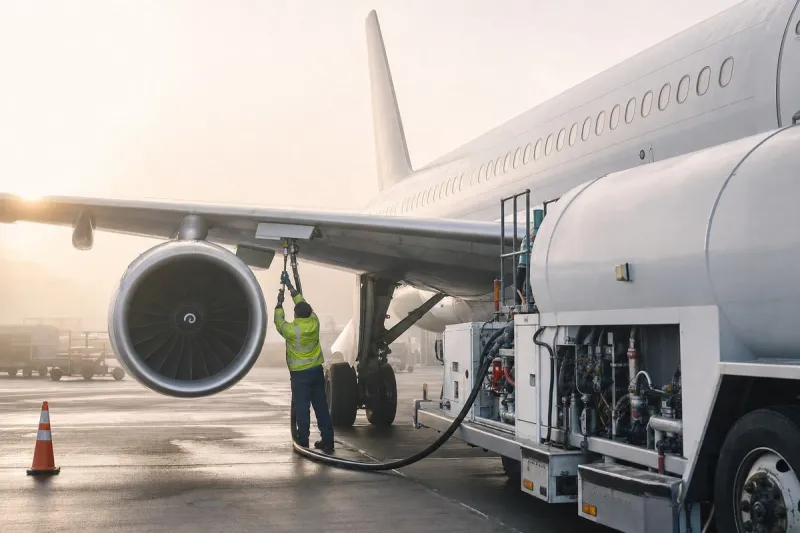
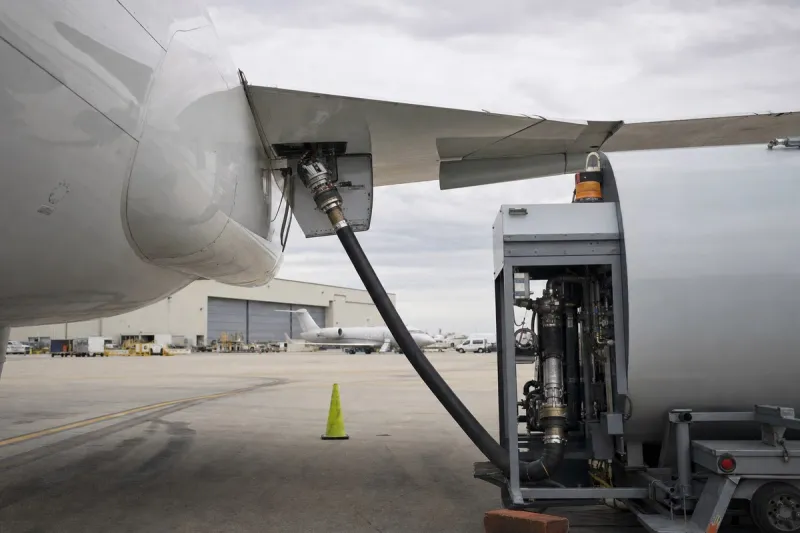
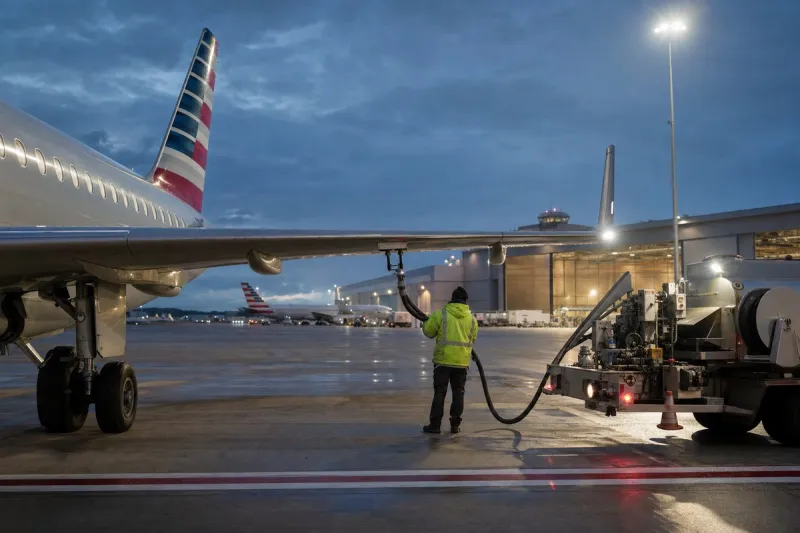
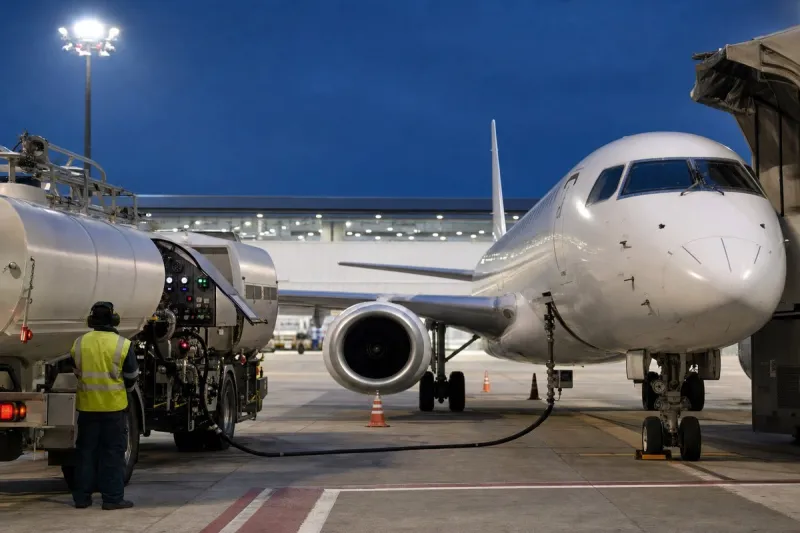
The European Union exceeded the required minimum blended sustainable aviation fuel threshold in the first mandatory reporting year under the ReFuelEU Aviation regulation, with SAF accounting for 2.79% of more than 39 million tonnes of fuel delivered to EU airports in 2025, according to EASA data — an almost sixfold increase from 2024. The regulation took effect in 2025, requiring qualifying operators to use a minimum of 2% blended SAF, following an initial 12-month voluntary reporting period that ran from January 1, 2024.
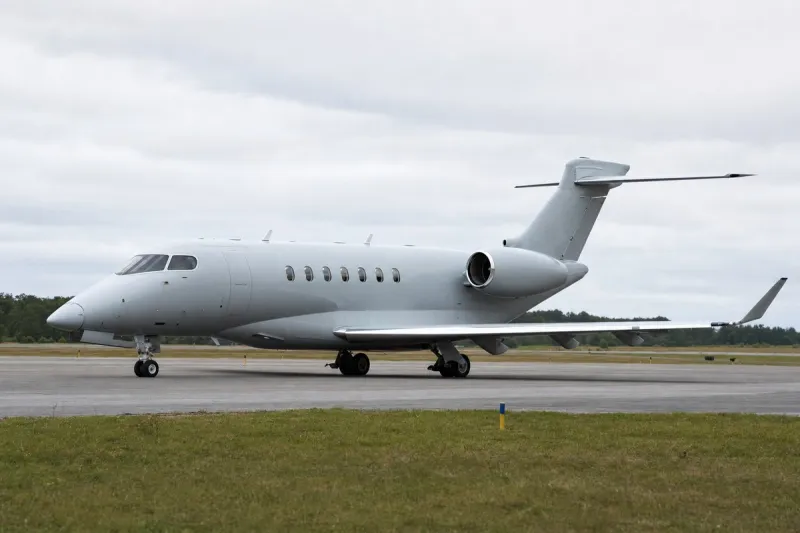
Fuel supplier reporting compliance reached nearly 90%, while 93% of aircraft operators met their reporting obligations, up from 74% during the initial voluntary period. EASA noted that noncompliance was mostly linked to small business jet operators, non-scheduled operators, and third-country operators that did not respond to requests from competent authorities. The agency also cautioned that more must be done to increase SAF production.
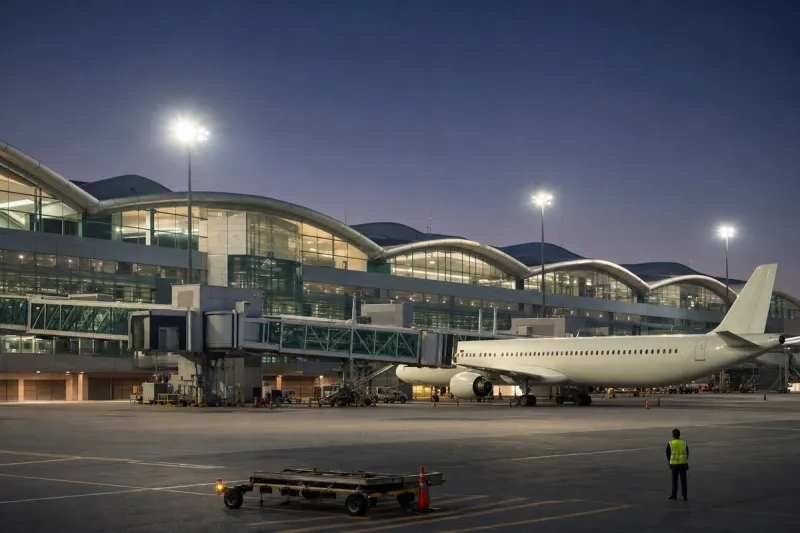
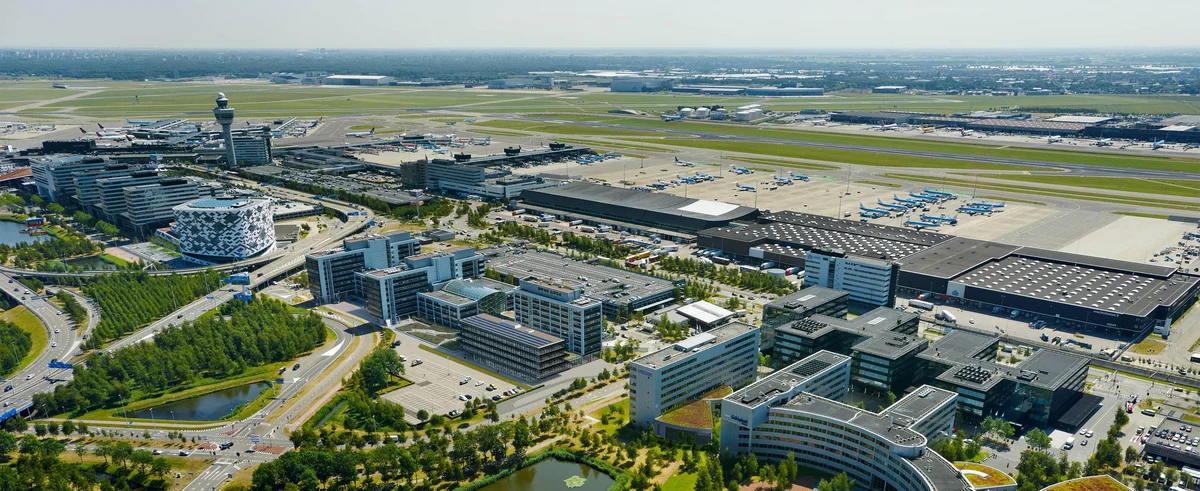
SAF was supplied at 121 EU airports across all 27 member states in 2025, meaning 79% of EU airports received SAF during the year. Amsterdam Airport Schiphol accounted for 29% of tracked supply, followed by Frankfurt at 8% and Paris Charles de Gaulle at 7%. At the member-state level, the Netherlands received the largest share of SAF (29%), followed by Spain (14%), Germany (11%), and Italy and France at 10% each.
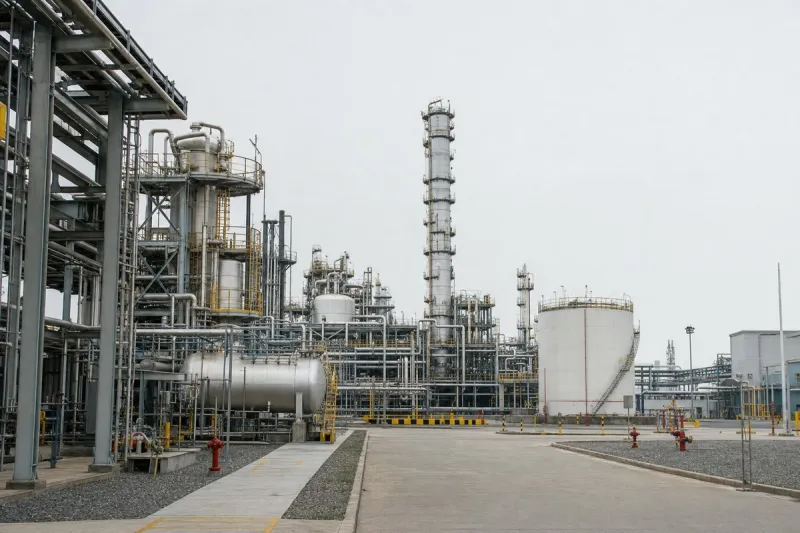
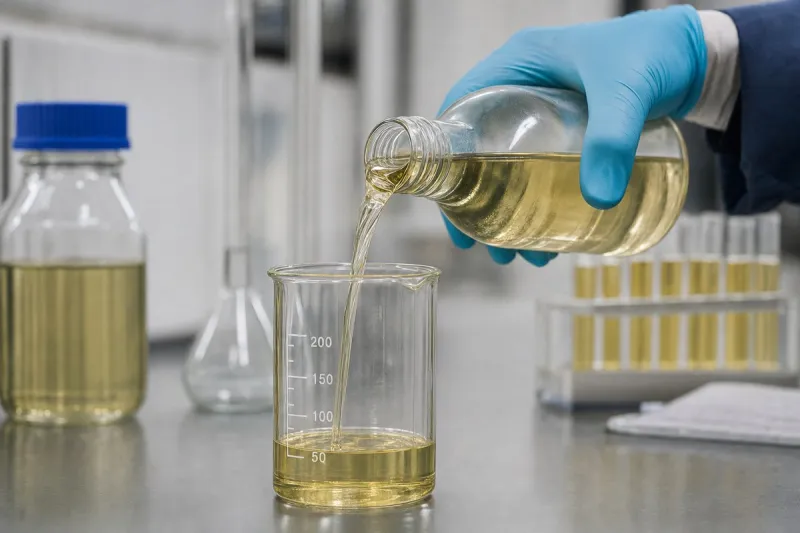
The Netherlands also leads in SAF production, with 33% of all European SAF produced at Neste's Rotterdam facility. EASA noted that at least eight EU member states had at least one SAF-capable production facility as of the end of 2025, but no large-scale synthetic aviation fuel facility has yet reached a final investment decision. Nearly all of Europe's first-generation SAF used in 2025 was produced via the HEFA pathway, relying on feedstocks such as biomass and used cooking oil. Eighty-five percent of all SAF supplied at EU airports used feedstock originating from outside the EU, with China accounting for 61% of that supply, followed by Malaysia and Indonesia.
Industry impact & what to watch
Clearing a mandate threshold in its first year does not mean the underlying supply chain is settled. The concentration of SAF at a handful of hubs — Schiphol, Frankfurt and Charles de Gaulle together account for 44% of tracked supply — shows that blending obligations can be met on paper while distribution across the wider network of 27 member states stays uneven; a fifth of EU airports received no SAF at all in 2025.
The production picture is the more structural constraint. With nearly all current volume running through the HEFA pathway and 85% of feedstock sourced outside the EU, mostly from China, Malaysia and Indonesia, the region's compliance so far rests on imported waste-oil and biomass feedstocks rather than domestic synthetic fuel capacity. EASA's own note that no large-scale synthetic aviation fuel facility has reached a final investment decision points to where the mandate's future thresholds — which step up in later years — will be tested.
Compliance gaps also cluster in a specific segment: small business jet operators, non-scheduled operators and third-country carriers were the main source of reporting shortfalls, even as overall operator compliance rose to 93% from 74%. Whether enforcement against that segment tightens, and whether any SAF plant reaches a final investment decision, will determine if the sixfold volume increase seen in 2025 can be sustained as the blending requirement rises.