Finnair and Neste Report 1.6% SAF Usage in 2025, Outline Value-Chain Strategy to Scale Supply
Why It MattersSAF economics still hinge on feedstock concentration and cost pass-through, so scaling beyond HEFA into advanced biofuels and eSAF will depend on firm offtake agreements airlines are not yet ready to sign.
What happened
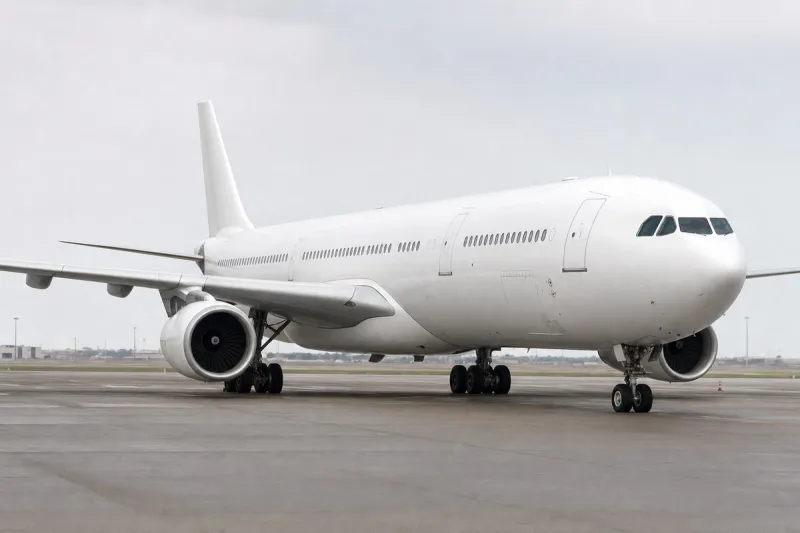
Finnair achieved a sustainable aviation fuel (SAF) blend rate of 1.6% across its one million tonnes of jet fuel in 2025, twice the global airline average of 0.8%, as part of a five-year partnership with fuel producer Neste. The figures were presented at the Sustainability LIVE: The London Summit in early September by Riku Aho, VP Sustainability at Finnair, and Mario Mifsud, VP Sales and Trading Renewable Fuels EMEA & APAC at Neste. According to the International Air Transport Association (IATA), SAF and improved operational efficiency together are expected to deliver 65% of aviation's net-zero emissions reductions by 2050.
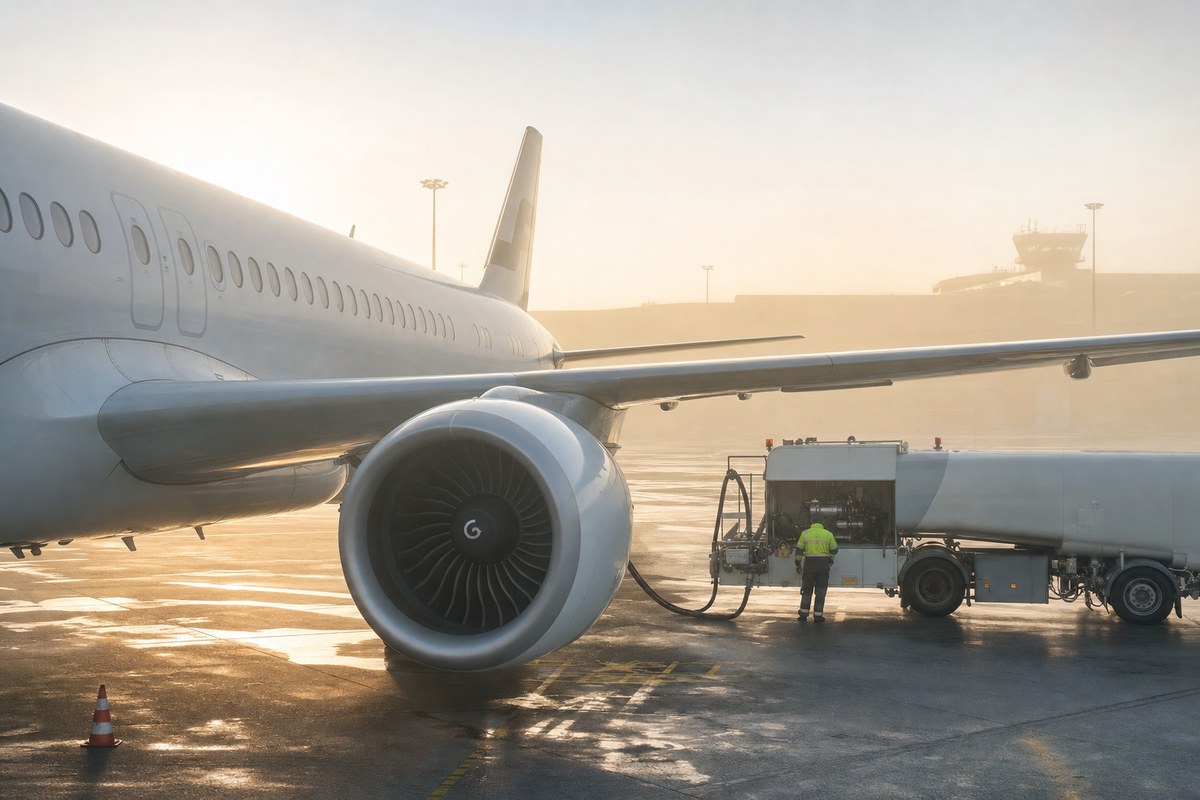
Finnair and Neste developed a five-step framework to help corporate clients account for SAF-related Scope 3 emission reductions: establishing an air-travel or freight emissions baseline, defining the purchase scope, procuring SAF certificates through structured B2B voluntary programs, retiring certificates on official registries to prevent double counting, and reporting verified reductions in corporate disclosures. More than 150 companies participate in the Finnair for Business SAF service, and 160,000 retail passengers have voluntarily opted in to support SAF since 2024. Aho identified cost as the primary barrier for both customers and airlines, noting that Europe's ReFuelEU legislation sets a 2% SAF mandate on fuel suppliers and that Finnair expects mandatory SAF costs to be passed through to consumers, with additional voluntary SAF purchases needed to meet the airline's own climate targets.
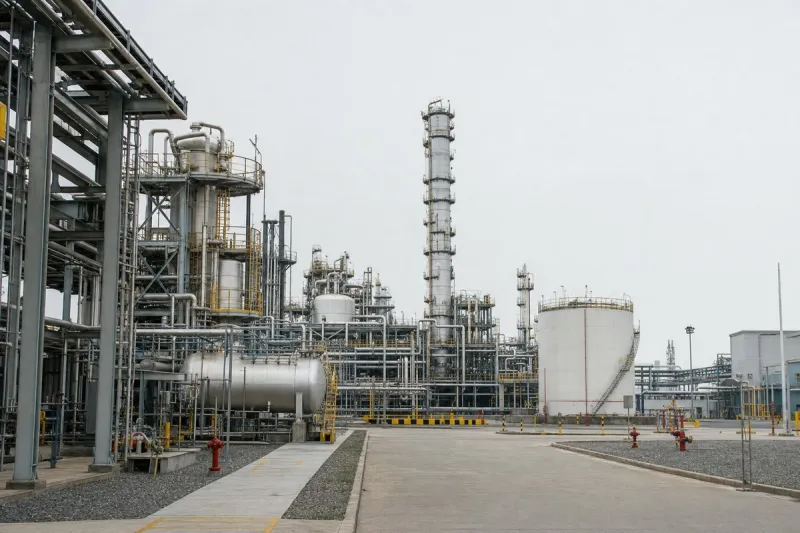
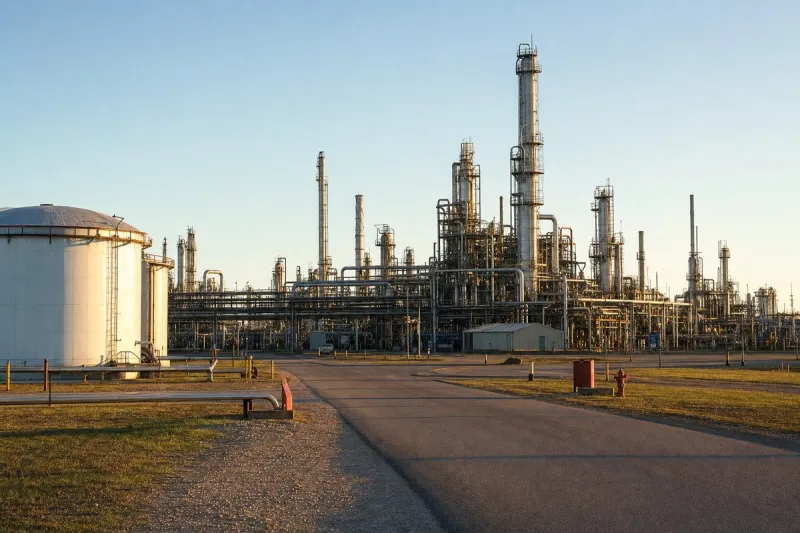
On the supply side, Neste sources HEFA feedstocks from a network of 600 suppliers across 65 countries and is completing a €2.5 billion expansion of its Rotterdam refinery that will add 1.2 million tonnes of renewable fuel capacity, including 700,000 tonnes of SAF. Mifsud noted that 40% of Europe's aviation fuel transits the Strait of Hormuz. Aho said Finland is well positioned for synthetic fuel production, citing 20 million tonnes of biogenic carbon dioxide available from the paper-pulp industry, abundant renewable electricity, and a strong grid. Key partners in Finland's eSAF development consortium include ABB, which provides industrial automation and energy management systems for synthetic fuel demonstration facilities; Finavia, the Finnish airport operator supporting logistics and airfield distribution testing; and PwC Finland, which collaborated with Finnair and Neste on an industry white paper examining corporate integration into the SAF value chain.
Feedstock limits and the shift beyond HEFA
Both executives warned that global HEFA feedstock availability is expected to reach its limit after 2030, after which demand is forecast to shift toward advanced biofuels and synthetic, or electro-SAF, pathways. Aho said firm take-or-pay offtake agreements will be necessary to secure financing for advanced biofuel and eSAF projects beyond 2030, but acknowledged Finnair is not yet in a position to make such commitments.
Industry impact & what to watch
This case shows how far ahead of mandate an individual carrier can position itself while the broader fleet still lags: Finnair's 1.6% blend rate against a 0.8% global average demonstrates that voluntary corporate and retail programs can outpace regulatory floors like the 2% ReFuelEU supplier mandate, but only where a long-term producer partnership already exists.
The segment's underlying constraint is feedstock geography and volume, not willingness to buy. Neste's 600-supplier, 65-country HEFA network and its €2.5 billion Rotterdam expansion illustrate how today's SAF supply still depends on a finite feedstock pool that both companies expect to tighten after 2030, at which point advanced biofuels and eSAF must take over — pathways that require capital-intensive plants financed only through firm take-or-pay commitments neither party has yet signed. Mifsud's point about 40% of Europe's aviation fuel transiting the Strait of Hormuz frames renewable feedstock diversity as a supply-security argument as much as an emissions one.
What happens next depends on whether Finnair, Neste or another consortium member is willing to convert Finland's cited advantages — 20 million tonnes of biogenic carbon dioxide from the paper-pulp industry, renewable electricity and grid capacity — into a binding offtake agreement that unlocks financing for eSAF production at scale.