Hong Kong Faces Pressure to Translate SAF Vision into Reality as EcoCeres Plans Dongguan Plant
Why It MattersThe push highlights how regional SAF capacity build-out and government mandates are shaping competitive positioning among Asian aviation hubs and biofuel producers.
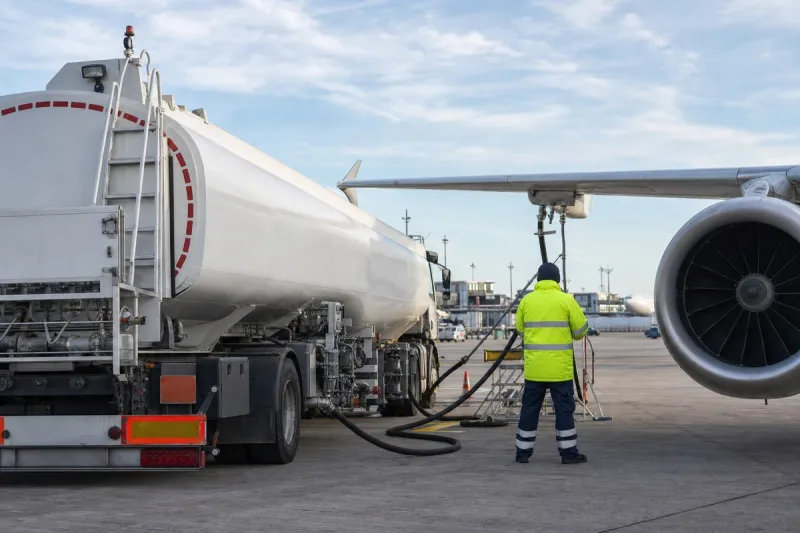
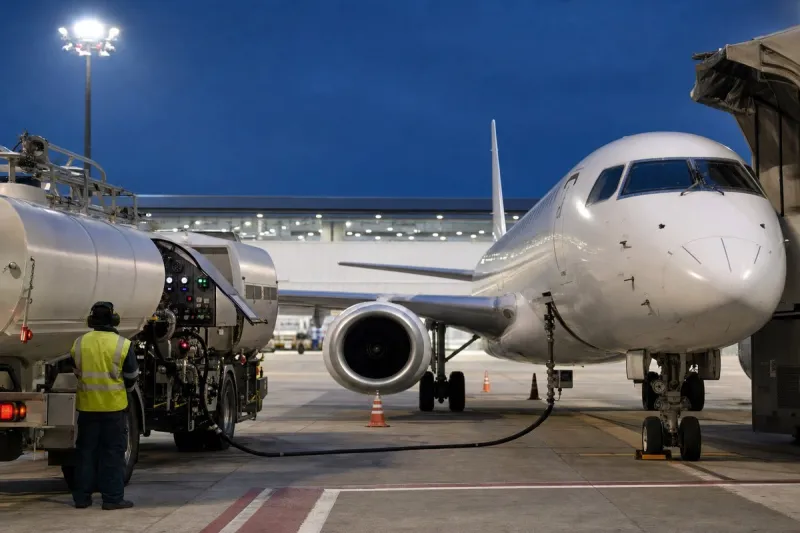
Hong Kong is under pressure to move sustainable aviation fuel (SAF) from a vision into operational reality, according to James Tam Chor-kiu, co-chairman of Hong Kong-based biofuel producer EcoCeres, speaking ahead of the inaugural Sustainable Aviation Futures China Congress that opened in Hong Kong on September 20. Tam cited both climate urgency and geopolitical risk as drivers of SAF adoption, pointing to IATA projections that global passenger demand will more than double by 2050 to 21.9 trillion revenue passenger kilometres, generating at least 1.8 billion metric tonnes of carbon emissions without a shift away from conventional jet fuel. He also noted supply-security risks, citing an International Energy Agency warning that Europe once had roughly six weeks of jet fuel remaining when flows through the Strait of Hormuz were disrupted.
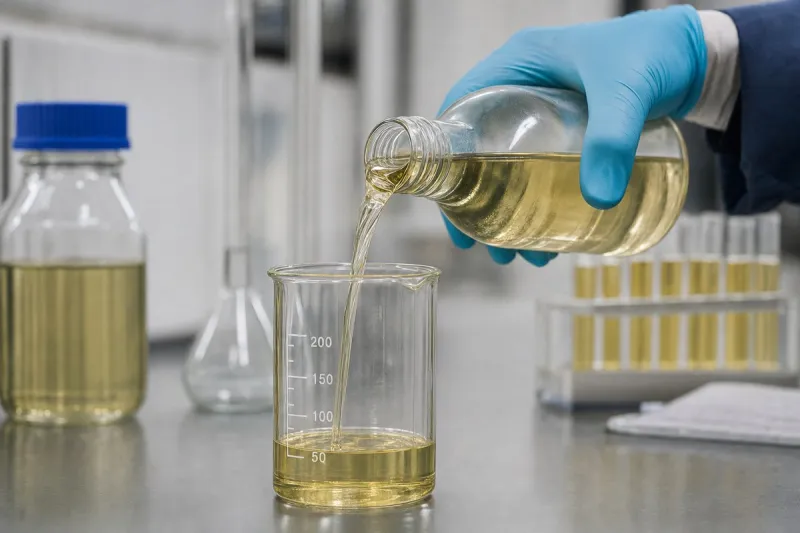
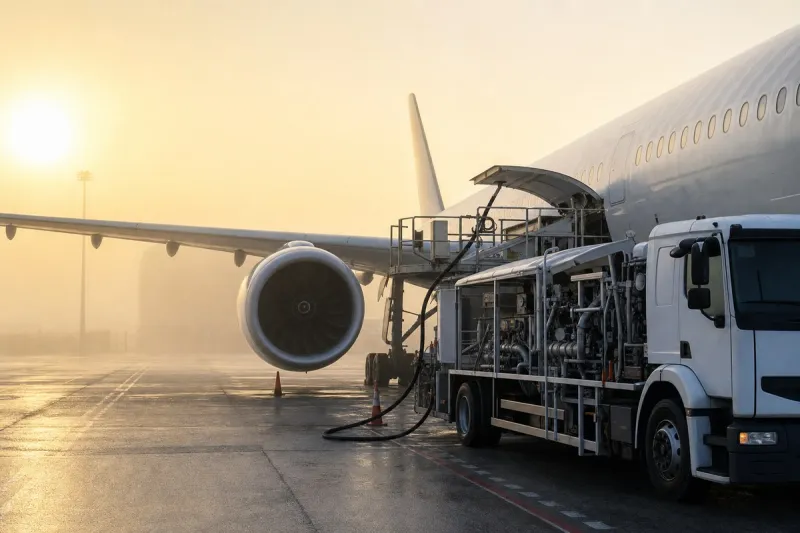
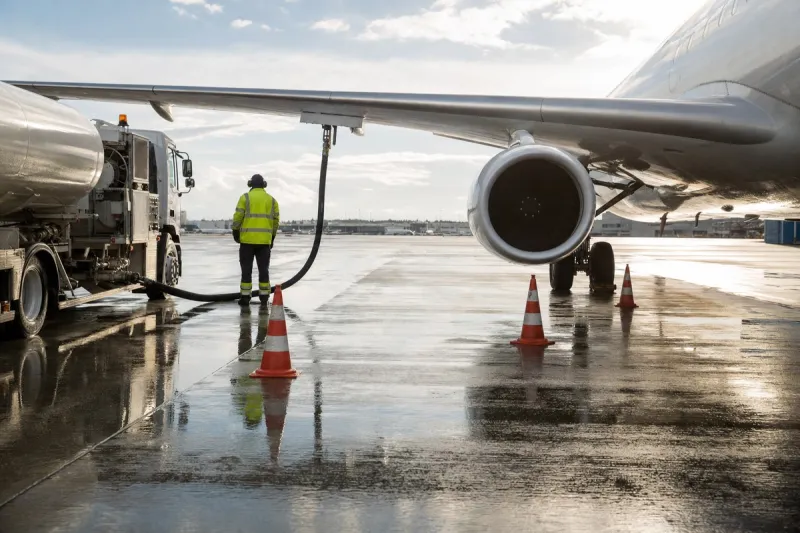
SAF can reduce lifecycle carbon emissions by more than 80 percent compared with conventional jet fuel and can be used as a drop-in fuel without modifications to aircraft or airport infrastructure. Hong Kong's government has set a target of 1 to 3 percent SAF consumption for flights departing Hong Kong International Airport by 2030, and will study a mandatory consumption mechanism by 2028.
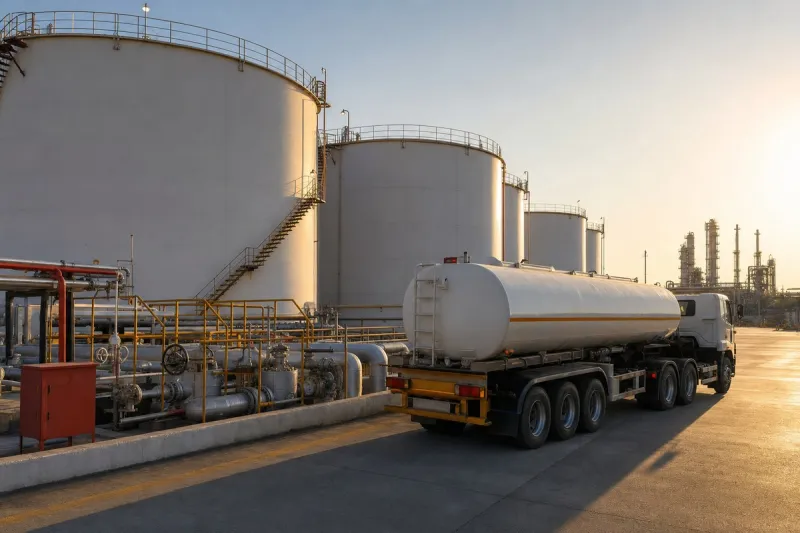
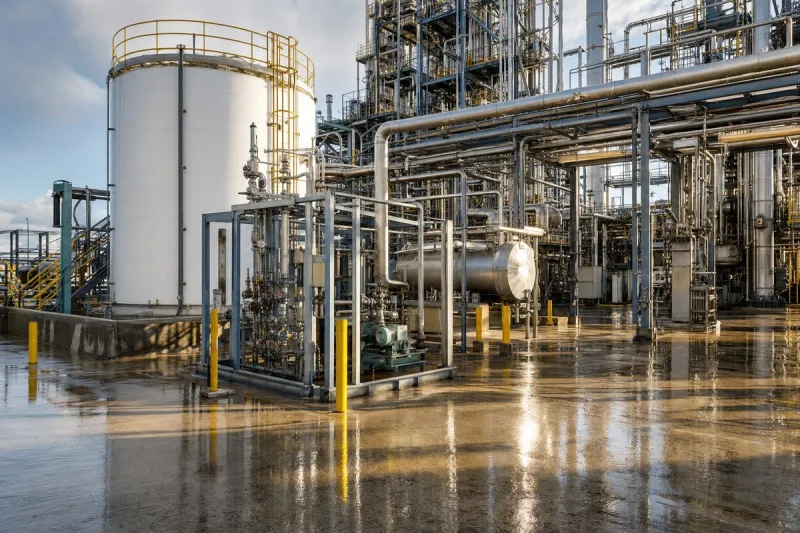
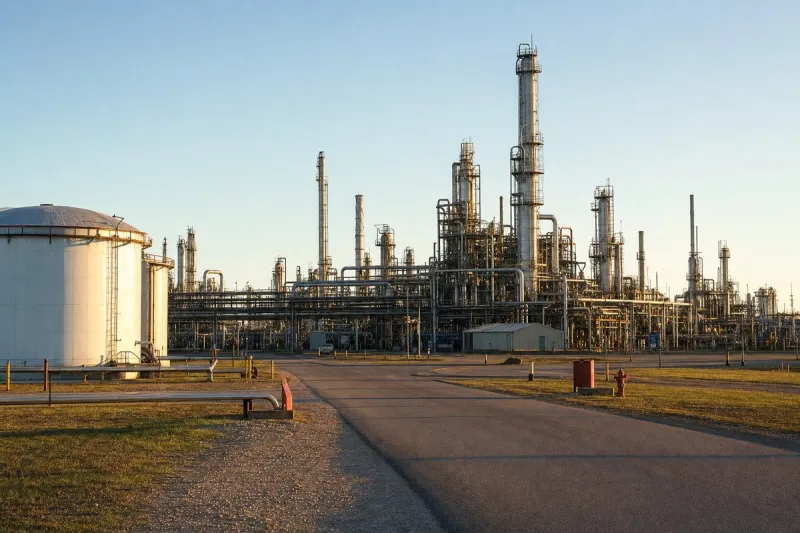
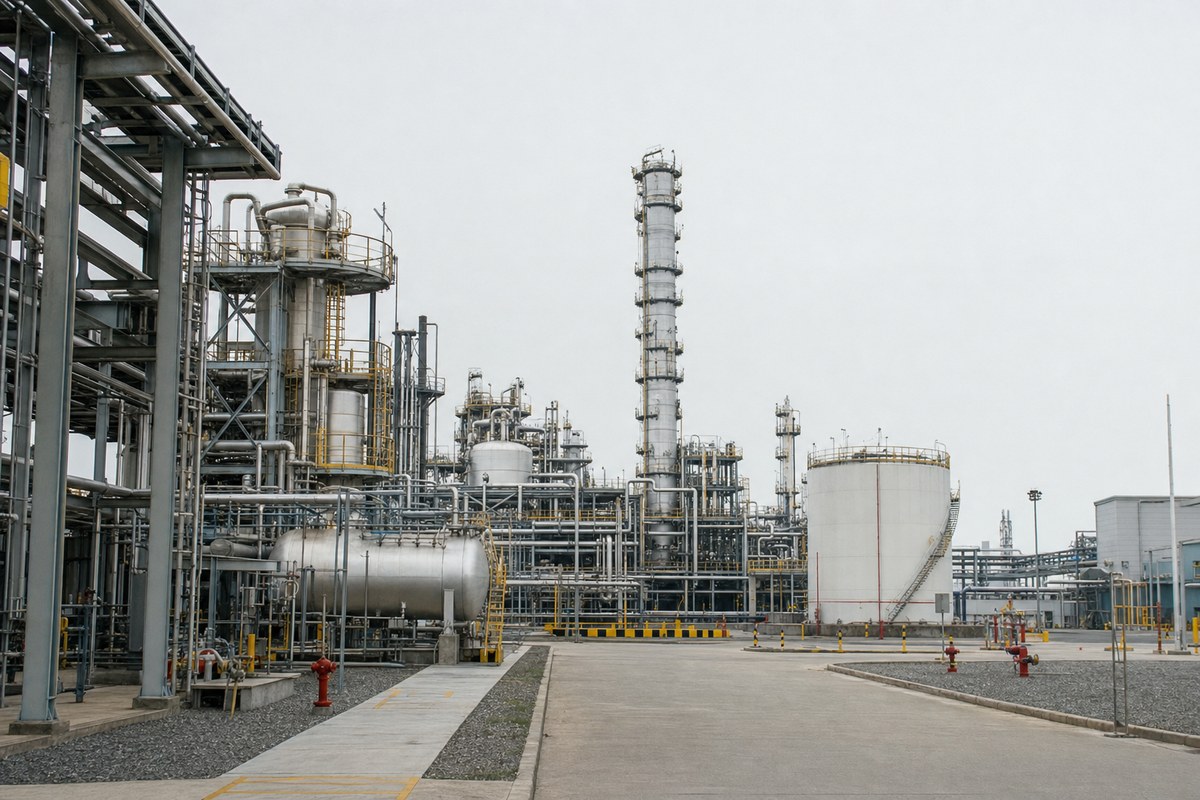
EcoCeres, incubated by Towngas in 2008 and now the world's second-largest SAF producer, operates plants in Zhangjiagang and Johor with combined renewable fuels capacity of about 770,000 tonnes per year, and its SAF supplies cut 1.2 million tonnes of greenhouse gas emissions last year. A third plant is planned for Dongguan following a memorandum of understanding between the Hong Kong and Dongguan governments, expected to produce approximately 450,000 tonnes of SAF and hydrogenated vegetable oil annually.
The Hong Kong Sustainable Aviation Fuel Coalition, launched by the Business Environment Council, brings together airlines, banks, fuel suppliers and other industry players. Cathay Pacific, a co-initiator, has set an internal target of raising SAF to 10 percent of its total fuel consumption by 2030 as part of a carbon neutrality goal by 2050; its voluntary corporate SAF programme drove about 17,400 tonnes of SAF use in 2025 across 17 global partners, up nearly 180 percent year on year, cutting approximately 54,600 tonnes of carbon dioxide equivalent. Global SAF production is expected to reach only 2.4 million tonnes in 2026, about 0.8 percent of jet fuel demand, with SAF currently costing two to five times more than conventional jet fuel and an estimated US$4.7 trillion in investment needed by 2050. Tam said scaling the SAF network will require a broader feedstock portfolio beyond waste oils and fats, including agricultural residues, forestry residues, municipal solid waste, alcohol-to-jet routes and e-SAF, alongside policy durability and robust sustainability certification.
In a regional comparison, Singapore announced a dedicated SAF levy beginning October this year, applying to tickets sold from October for flights departing from January, with charges ranging from approximately US$0.79 to US$32.80 per ticket depending on destination and travel class, while a cargo levy has been deferred by one year. Singapore's expanded Neste plant in Tuas South, now the world's largest SAF production facility, can produce up to one million tonnes of SAF annually, and an agreement with Neste supplies 1,000 tonnes of SAF to Singapore Airlines and its budget arm Scoot at Changi.