New Section 301 Forced-Labour Tariffs Exempt Civil Aircraft but Create Drawback Opportunities for Aerospace Importers
Why It MattersAerospace supply chains increasingly separate into exempt airframe-and-engine categories and dutiable ancillary inputs, making tariff classification and drawback recovery a routine cost-management function rather than an occasional exercise.
What happened
The US Trade Representative imposed a new round of Section 301 tariffs effective 24 July 2026, following findings that dozens of governments fail to enforce prohibitions on goods made using forced labour. The measures add a duty of 10% on imports from economies that maintain a forced-labour import ban and 12.5% on those that do not, covering approximately 60 economies including the European Union. The action replaced the expiring Section 122 tariffs and applies on top of ordinary import duties.
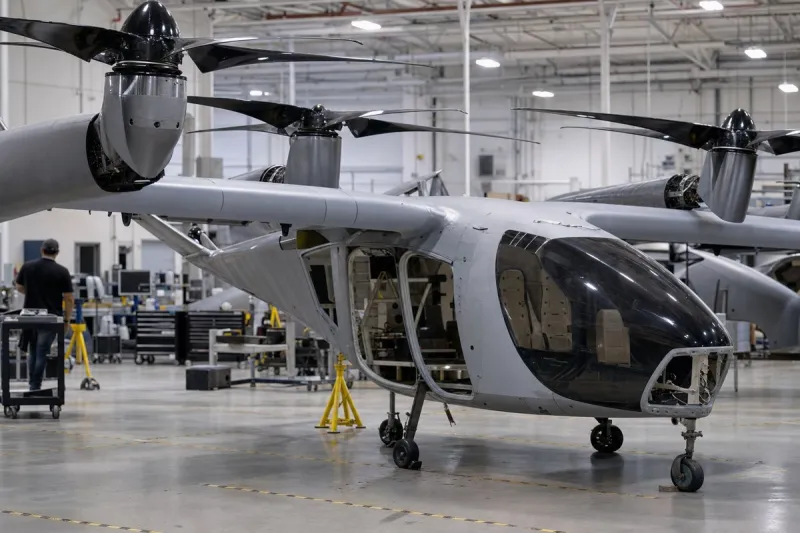
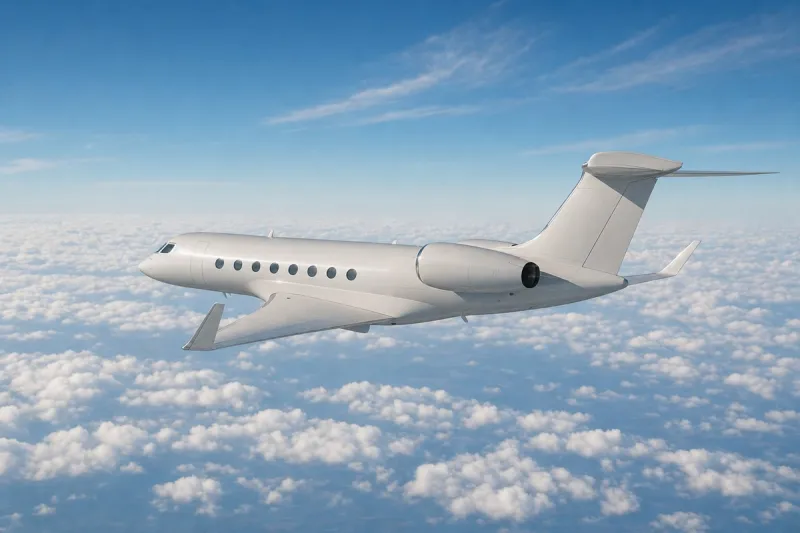
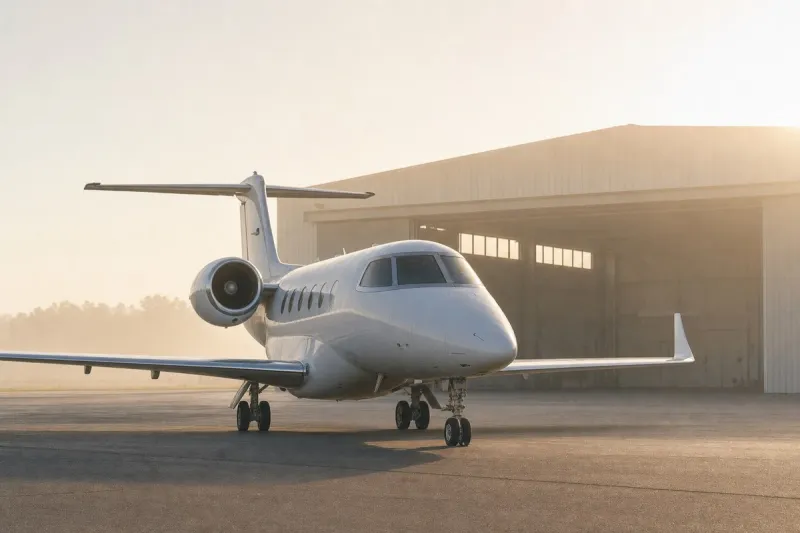
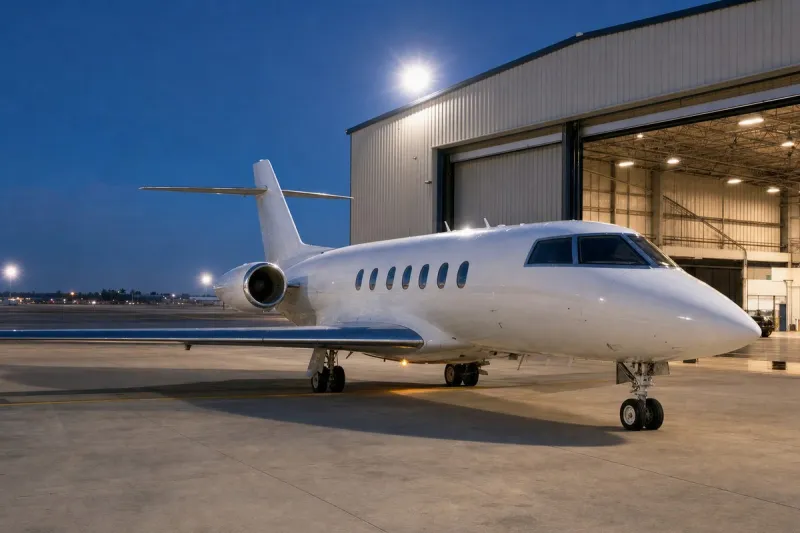
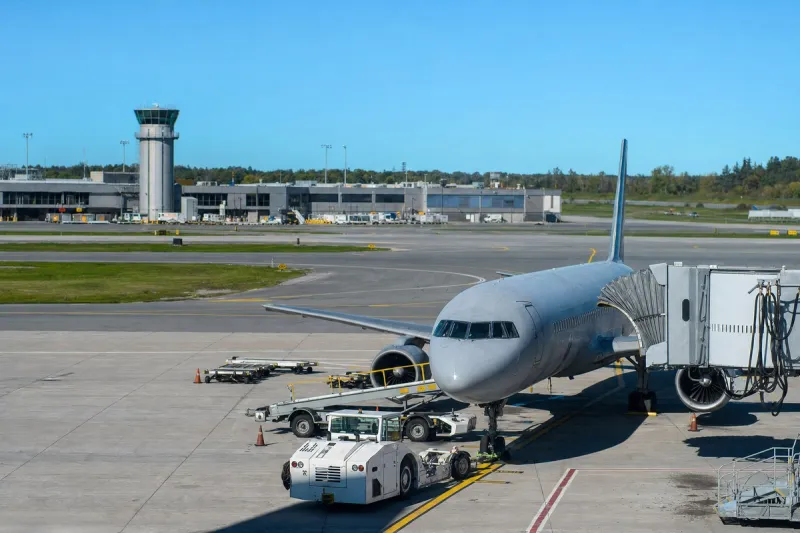
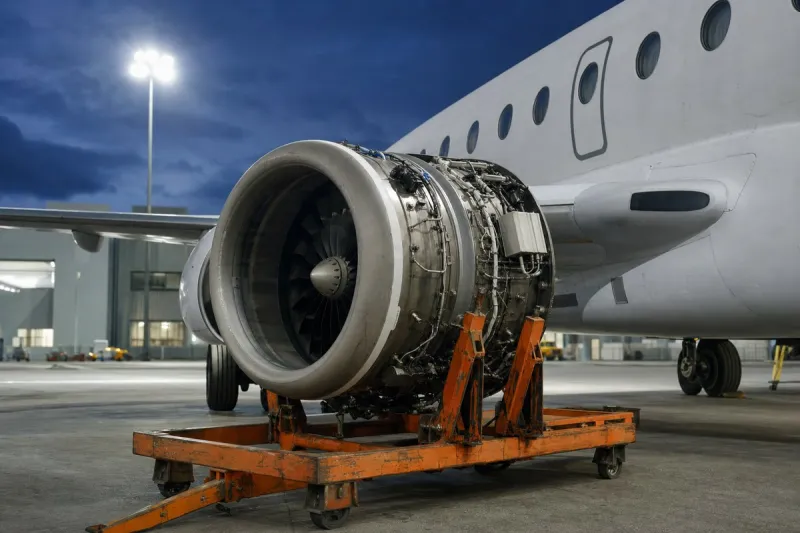
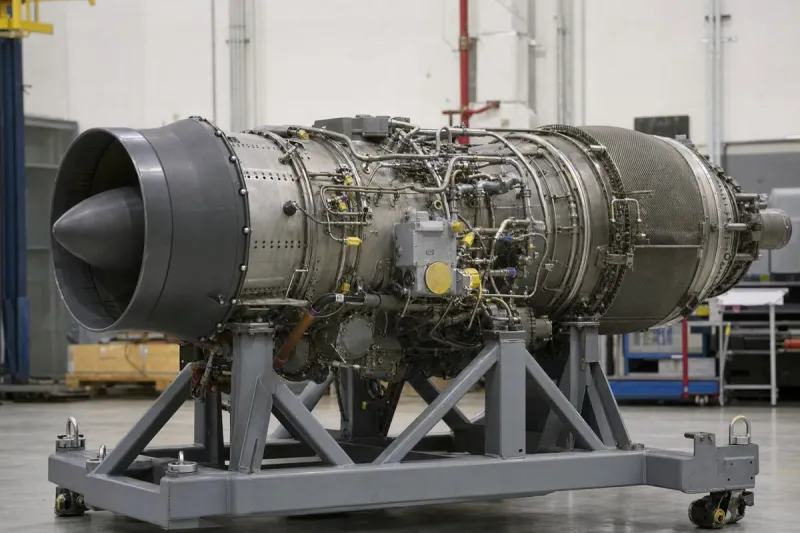
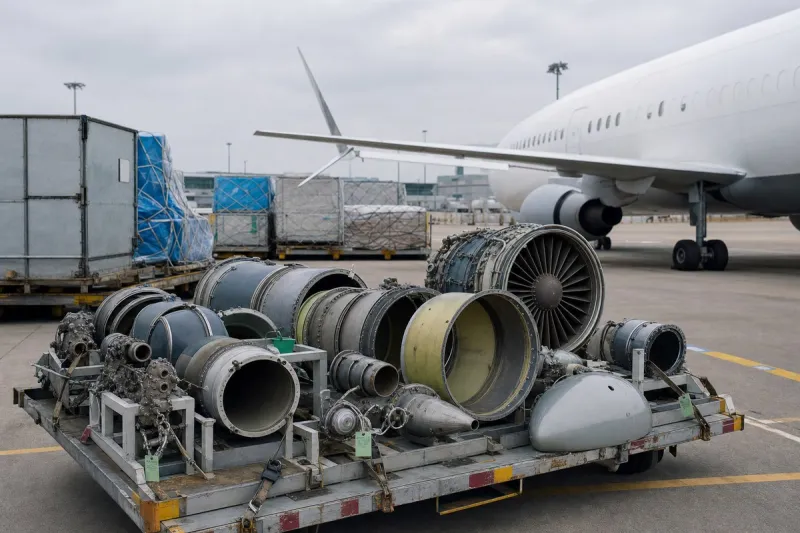
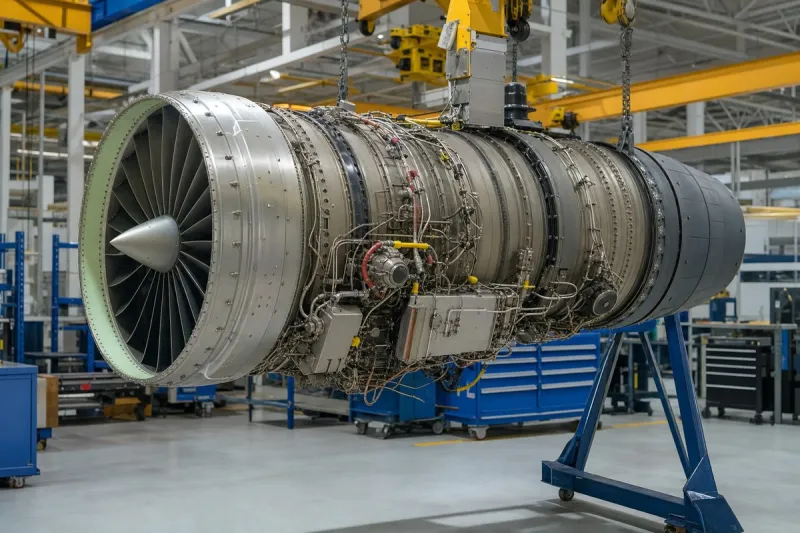
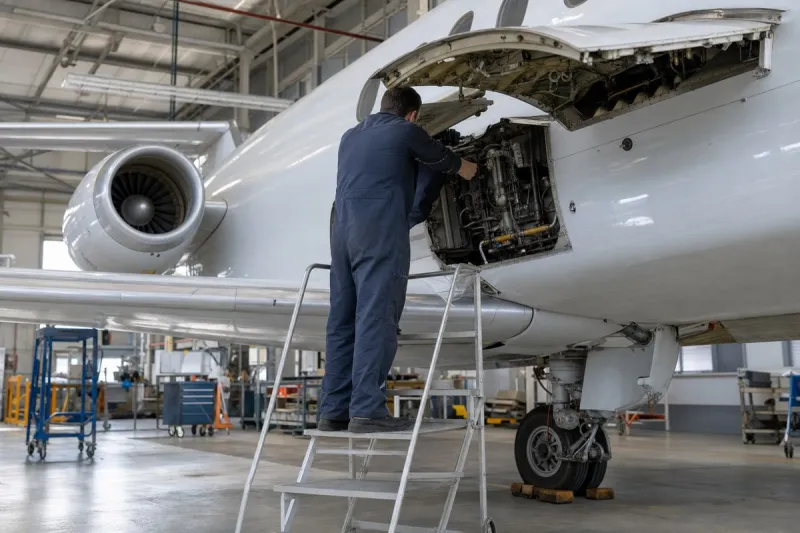
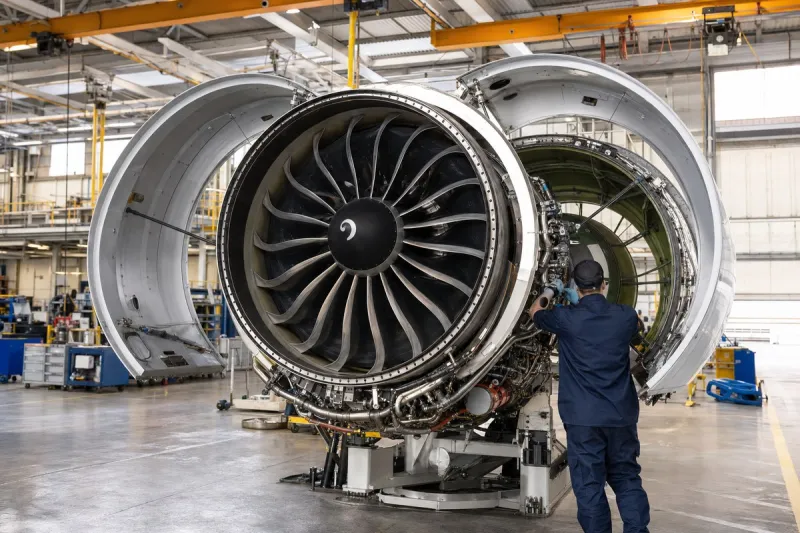
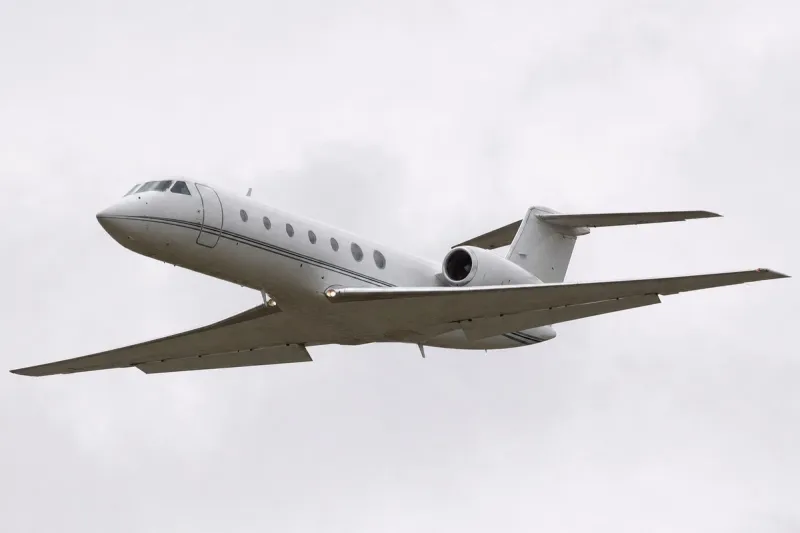
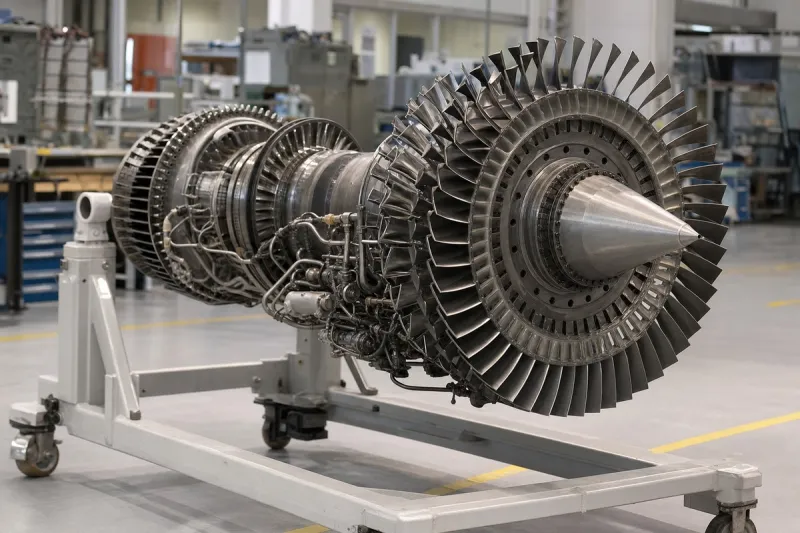
Civil aircraft, engines, parts, components, subassemblies and ground flight simulators are exempt from the new duty regardless of which affected economy the goods originate from, meaning the core civil aerospace bill of materials is largely shielded. The exemption does not extend to raw materials, chemicals, coatings, adhesives, interior textiles, general hardware, electronics not classified under aircraft-parts headings, tooling, ground-support equipment, MRO consumables or packaging, all of which may fall outside the carve-out. Goods within the defence and space sectors may similarly be excluded, and whether a specific product qualifies is determined at the eight-digit level of the tariff schedule.
The forced-labour action is one of three active Section 301 tariff regimes affecting aerospace supply chains. The China technology-transfer lists, in force since 2018, impose tariffs of 25% on Lists 1 to 3 and 7.5% on List 4A, covering machined parts, electronics and materials. A Brazil action, effective from 22 July 2026, adds 25% to most Brazilian goods, relevant to companies sourcing from a country home to a major aircraft manufacturer.
All three Section 301 actions are eligible for duty drawback under 19 USC 1313, which allows claimants to recover up to 99% of duties, taxes and fees paid on imported merchandise that is subsequently exported or used to manufacture an exported product. Claims may be filed within five years of the date goods were imported. The IEEPA fentanyl tariff is excluded from drawback, and Section 232 steel and aluminium duties are recoverable only through the narrower manufacturing route. Goods launched into orbit qualify as exports for drawback purposes, a position US Customs and Border Protection has maintained for decades under the 1967 Outer Space Treaty and confirmed in ruling HQ H282698 as extending to commercial launches by private companies, with the determining test being whether goods enter permanent orbit and are thereby permanently removed from the United States.
Industry impact & what to watch
This case illustrates how forced-labour and national-security tariff regimes are increasingly layered on top of one another, each with its own exemptions and its own drawback treatment, rather than functioning as a single uniform duty. Civil aircraft manufacturers and airlines see their core inputs shielded, but suppliers of ancillary materials, coatings, tooling and MRO consumables sit exposed to duties that airframe OEMs do not face, creating a split cost structure within a single supply chain.
Duty drawback under 19 USC 1313 functions as the segment's main relief valve for the dutiable share of that chain: up to 99% of duties paid can be recovered on goods later exported or built into an exported product, and the five-year filing window means duties paid on multiple years of past entries remain claimable. The space sector's orbital-export ruling extends that logic further, treating permanent orbital placement as removal from the United States for drawback purposes.
What will matter next is how precisely importers classify goods at the eight-digit tariff level, since that classification decides both exemption eligibility and drawback eligibility simultaneously. Companies that get classification wrong risk either overpaying on exempt aircraft parts or leaving recoverable duty unclaimed on dutiable inputs that ultimately leave the country.