Mountain High Equipment & Supply Receives FAA NORSEE Approval for EDS-305X Series O2D2 Oxygen Systems
Why It MattersBy allowing qualifying installations to be completed as minor alterations, the NORSEE pathway can shorten the paperwork and cost typically tied to adding safety equipment on certificated general aviation aircraft.
What happened
Mountain High Equipment & Supply, an aviation oxygen equipment manufacturer, has obtained FAA NORSEE (Non-Required Safety Enhancing Equipment) approval for select configurations of its EDS-305X Series O2D2 Oxygen Systems.
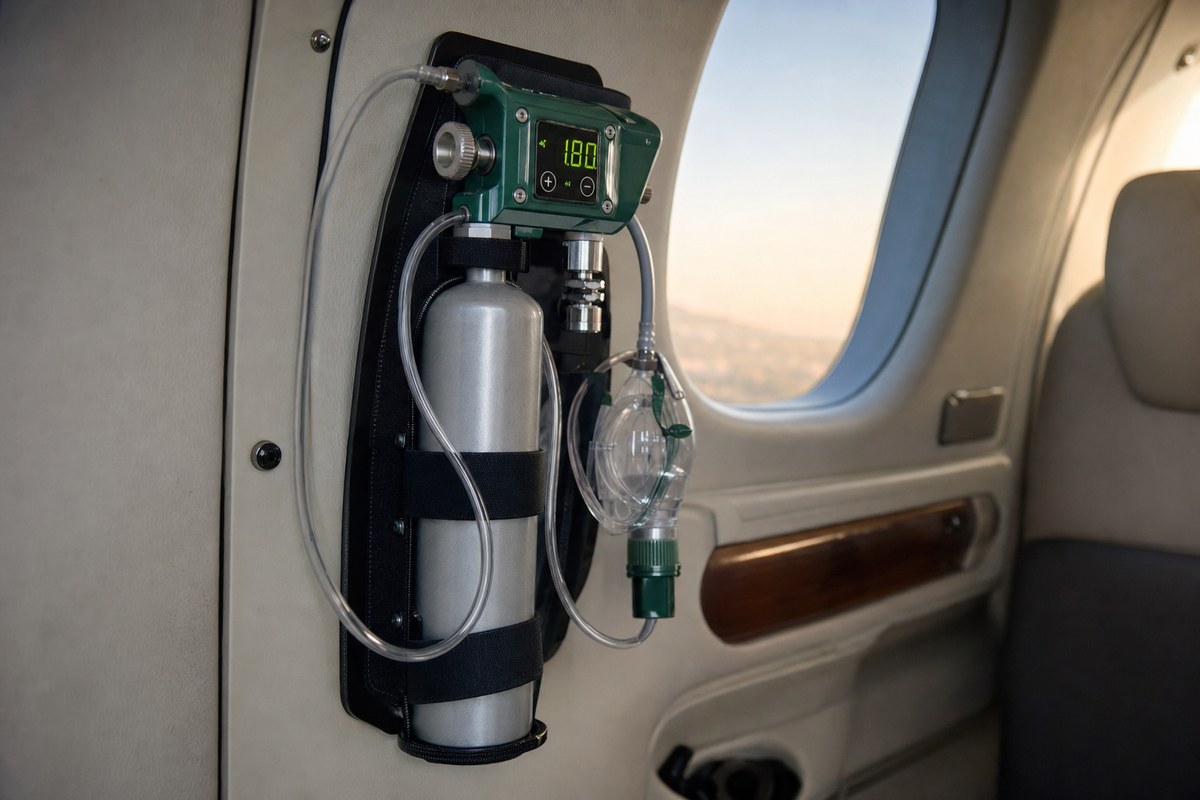
The EDS-305X Series adapts Mountain High's electronic oxygen-delivery technology into a mounted configuration for eligible certificated aircraft, broadening installation options for aircraft owners and pilots. Under the authorization, qualifying installations on aircraft certificated under 14 CFR Part 23 or predecessor regulations may be completed as minor alterations when the conditions specified in the FAA authorization are met. Installations that constitute major alterations require FAA-approved data obtained through an appropriate approval path.
The FAA NORSEE framework is designed to encourage voluntary safety enhancements in general aviation. Approvals under the policy require that the safety benefits of the equipment outweigh the potential risks introduced by its installation and operation, with considerations covering system operation, failure conditions, human factors, functionality, limitations, and interaction with the aircraft and pilot.
Industry impact & what to watch
This approval fits into the broader NORSEE mechanism the FAA maintains to let voluntary safety equipment reach the general aviation fleet without a full type-certificate-level approval process for every installation. That framework exists precisely because supplemental safety gear, like oxygen-delivery systems, can otherwise face installation costs disproportionate to the risk it addresses.
How this plays out for individual aircraft depends on whether an installation is classified as a minor or major alteration, a distinction the FAA authorization itself sets out. A minor-alteration path keeps paperwork and approval time down, while a major alteration still requires separately approved data, so the practical benefit varies by aircraft and installer.
What happens next will show up in how widely shops and owners adopt the EDS-305X Series configurations under the minor-alteration route, and whether Mountain High or the FAA extends the NORSEE approval to additional aircraft categories or configurations beyond those currently qualifying.