eVTOL Personal Aircraft Models Positioned as First/Last-Mile Links to Private Jet Charter
Why It MattersPersonal eVTOL aircraft entering low-volume production could reshape ground-to-jet transfers, positioning short-hop electric air mobility as a complementary feeder layer for charter operators.
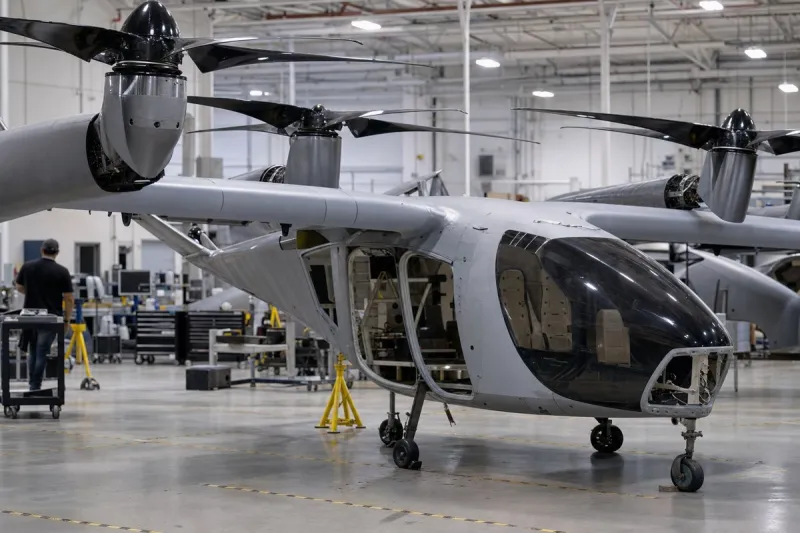
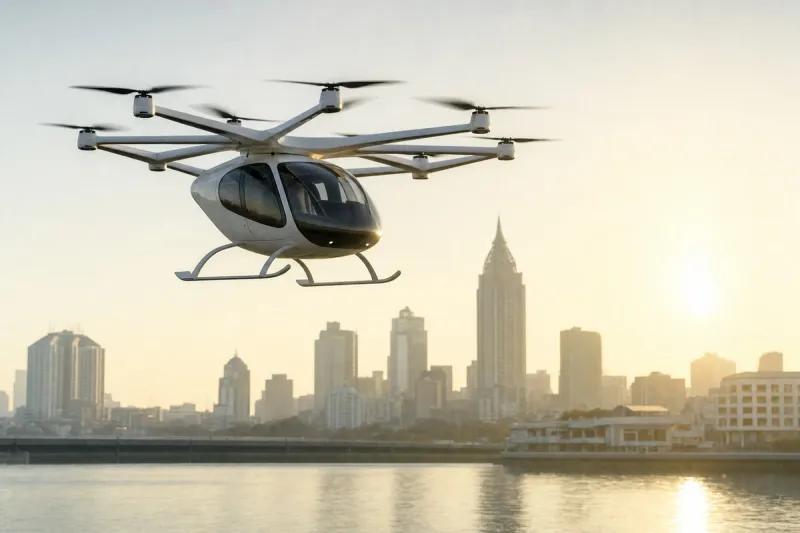
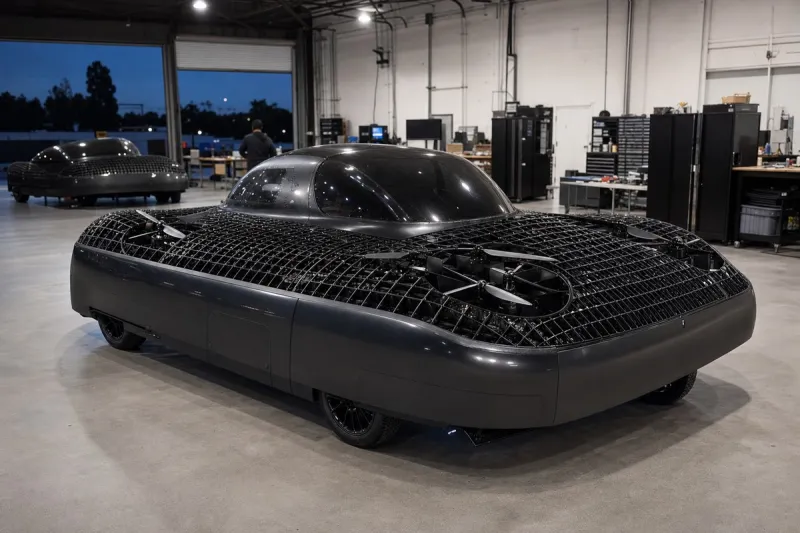
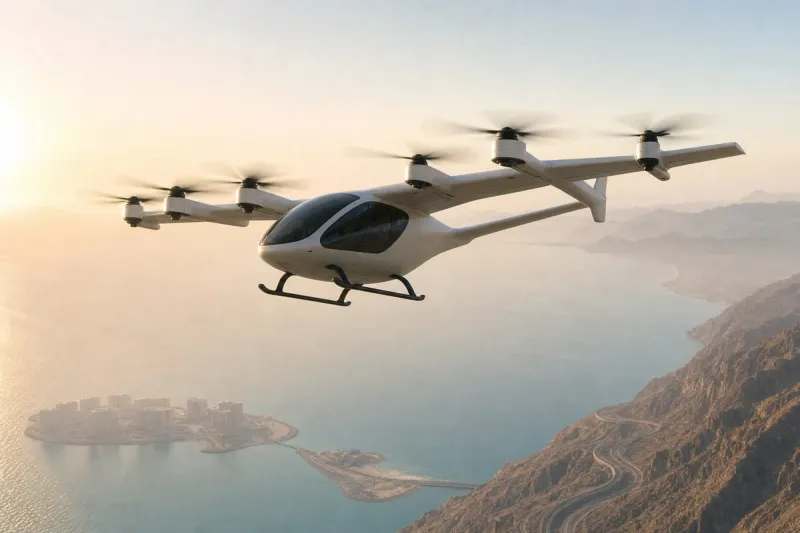
Electric vertical takeoff and landing personal aircraft are moving from prototypes toward early deliveries between 2024 and 2030, and private jet charter platform Jettly expects these short-hop vehicles to serve as first- and last-mile connectors for its customers.
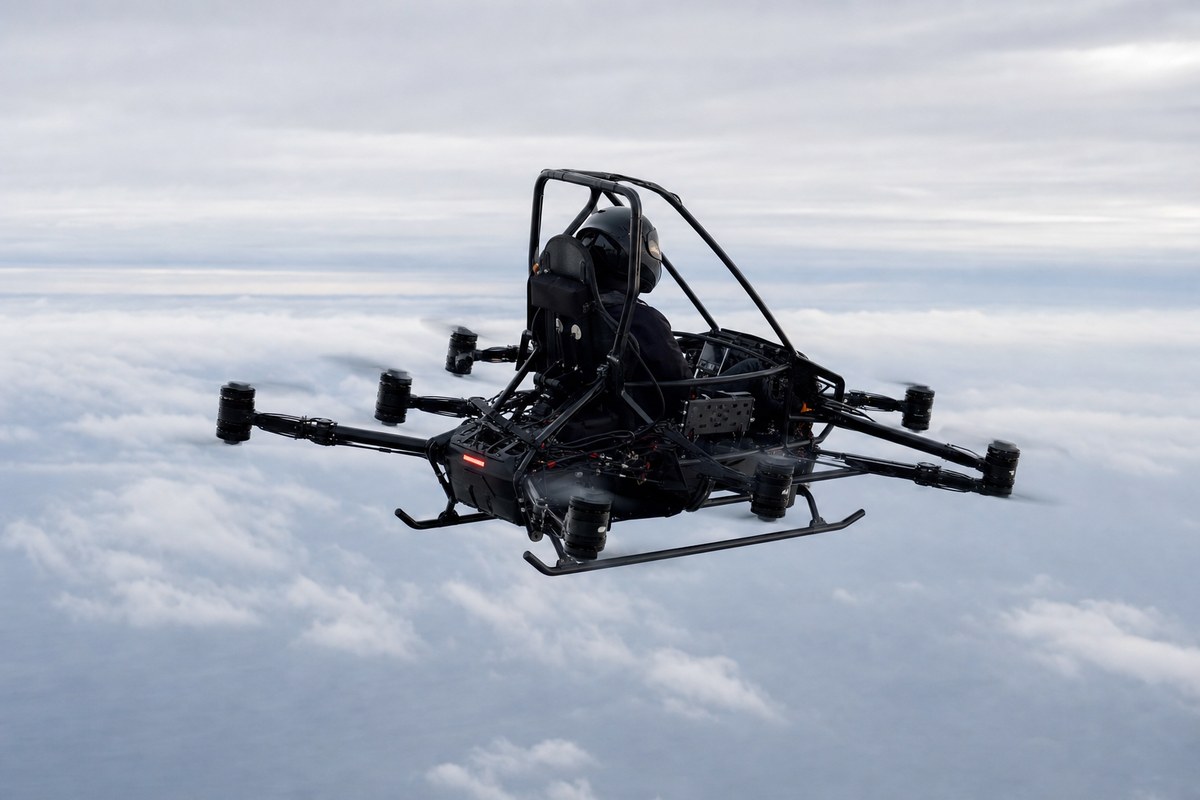
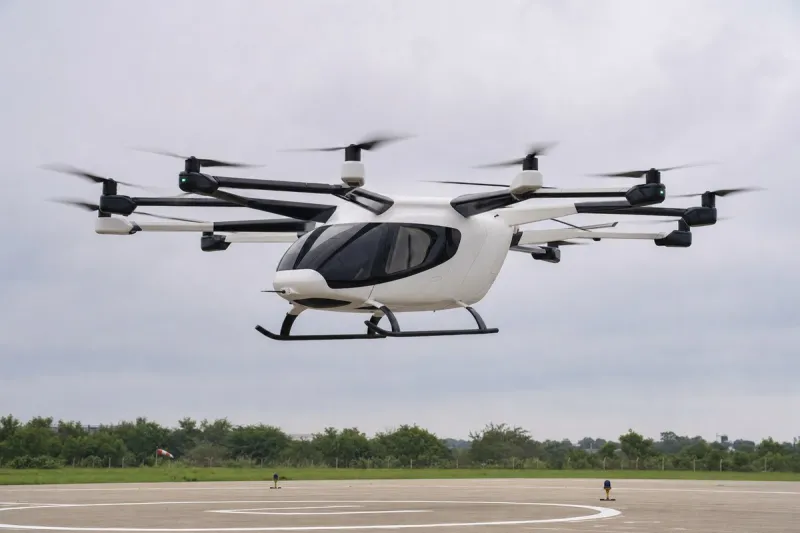
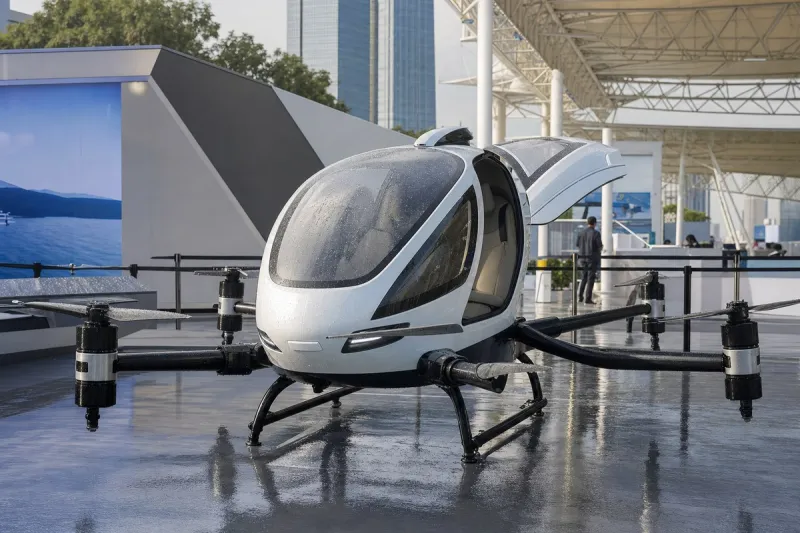
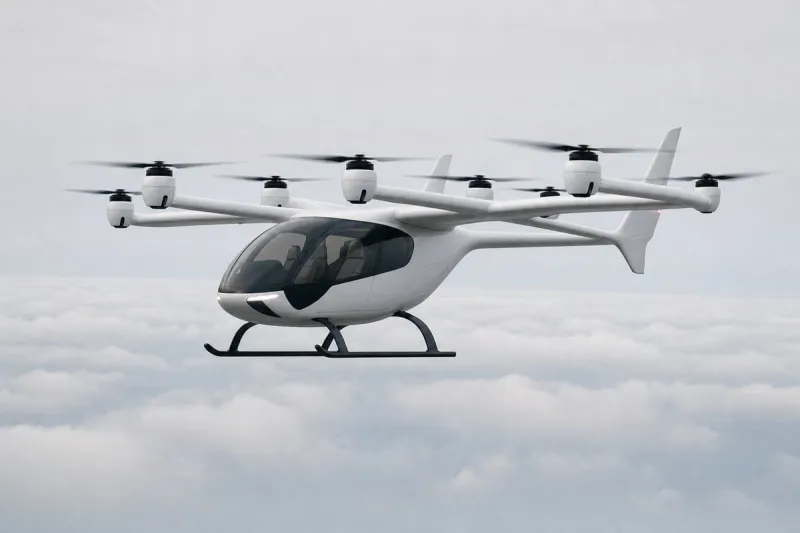
Several models are already available or on pre-order. The Jetson ONE, a single-seat, open-frame electric aircraft powered by eight motors, weighs approximately 55 kg (121 lb) as an airframe and about 115 kg (253 lb) with batteries, placing it near the FAA Part 103 ultralight limit of 254 lb empty weight. It has a service ceiling of 1,500 feet AGL, up to 10,000 feet MSL, with orders currently accepted for delivery by 2027 to 2028. The two-seat AIR ONE, a fixed-wing platform with foldable arms, is pursuing Light Sport Aircraft status.
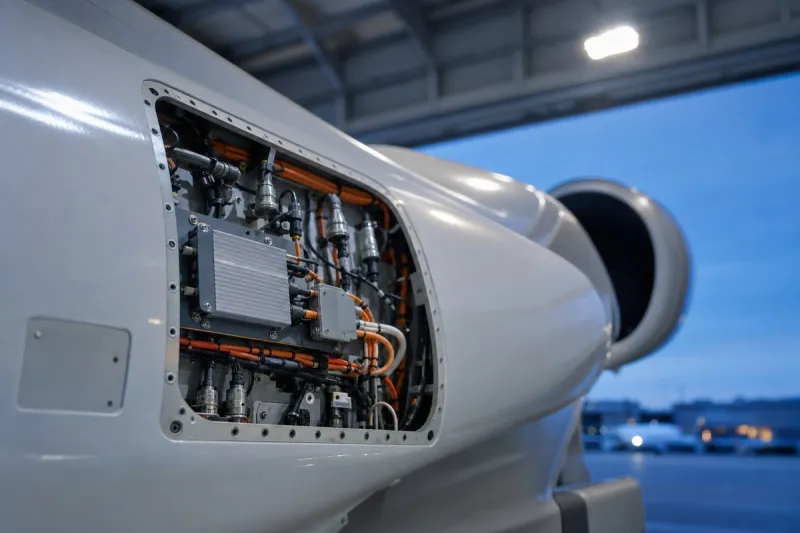
These aircraft distribute thrust across six to eighteen motors rather than relying on a single main rotor and tail rotor, and use software-stabilized fly-by-wire systems in place of mechanical transmissions and hydraulic controls, adjusting motor speeds dozens of times per second. Some designs add wings to generate lift in forward flight and reduce power use after transitioning from hover to cruise, with airframes built from aluminium, carbon fiber, and composite materials to stay within weight limits.
Under FAA Part 103, powered ultralight vehicles must have an empty weight below 254 lb and a maximum level-flight speed of 55 knots (about 63 mph). Most current personal eVTOL designs target low-altitude, short-range mobility rather than high-altitude cruise, with development progressing from early 2010s prototypes to low-volume production and pre-orders in the 2024–2028 window.