Boeing 787-9 Maintenance Costs Diverge by Engine Type as Rolls-Royce Trent 1000 Durability Problems Contrast With GE GEnx-1B
Why It MattersDurability gaps in a duopoly engine choice can shift a fleet's maintenance cost base and order flow to one supplier, leaving the weaker engine's maker to absorb retrofit liabilities through contract guarantees.
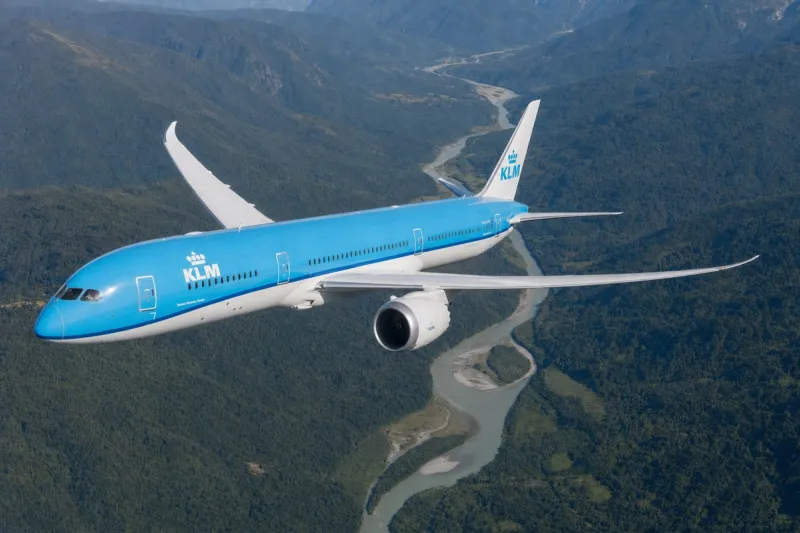
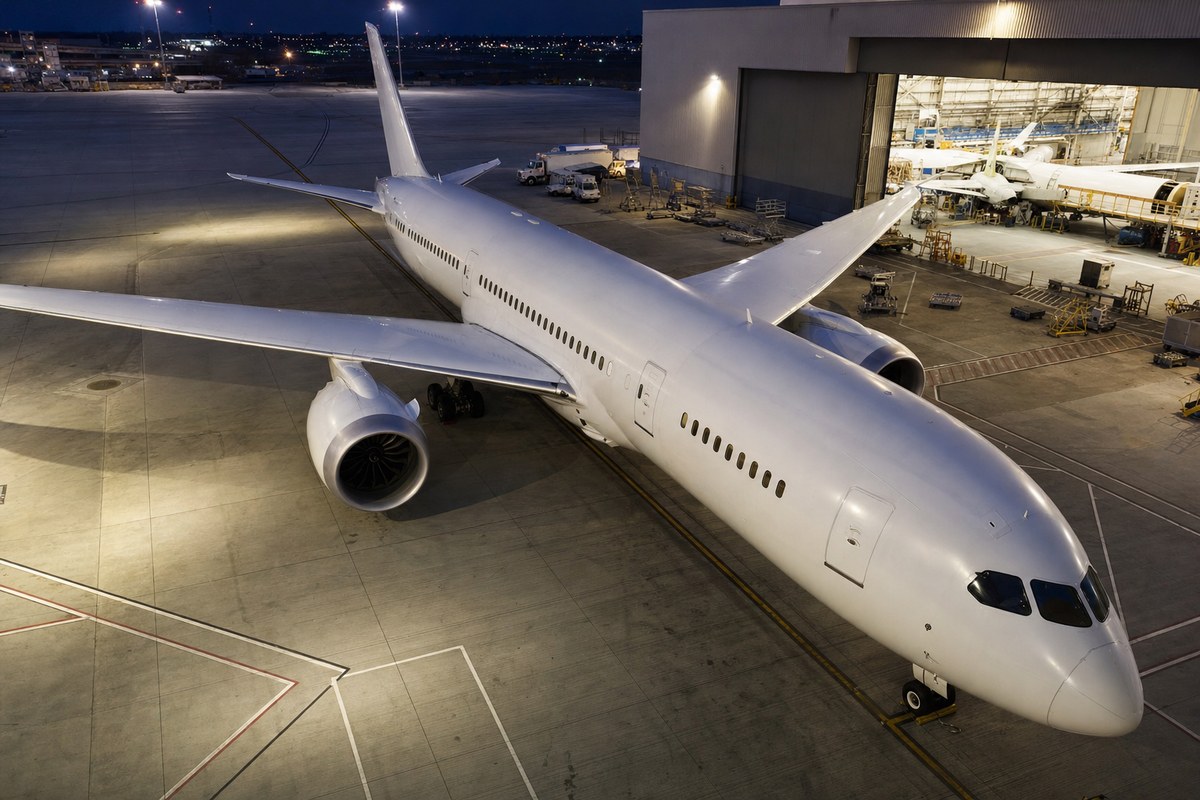
Boeing offered two engines for the 787 family, the General Electric GEnx-1B and the Rolls-Royce Trent 1000, to spread supply chain risk and give airlines purchasing leverage. The GEnx-1B is a twin-spool design with a carbon fiber composite fan and Twin Annular Pre-Swirl (TAPS) combustors. The Trent 1000 is a three-shaft design with hollow titanium fan blades, built exclusively for the Dreamliner. Tooling, spare parts and overhaul procedures are unique to each engine type.
Early Trent 1000 engines suffered fatigue and corrosion in intermediate-pressure turbine blades, and the upgraded Trent 1000 TEN standard was later found to have high-pressure turbine blades wearing faster than projected. Operators including Air New Zealand and British Airways grounded aircraft for inspections and unscheduled overhauls, and some carriers leased older, less fuel-efficient aircraft to maintain schedules. Rolls-Royce's costs for retrofits, customer compensation and modifications exceeded $3 billion, with analysts estimating up to 500 engine… A single unscheduled shop visit can exceed $5 million in direct and indirect costs.
Roughly 35% of active Dreamliners use Trent 1000 engines and 65% use GEnx, and recent sales show 677 GEnx-powered aircraft ordered versus 71 with the Trent 1000. Rolls-Royce engineering chief Simon Burr acknowledged the company lost market share because earlier engine versions were not durable enough. The GEnx-1B frequently exceeds 20,000 operating hours before its first major shop visit, with time-on-wing about three times longer than early Trent 1000 engines.
Rolls-Royce's response is the Trent 1000 XE standard, designed to triple time-on-wing of the TEN variants with advanced thermal barrier coatings and redesigned turbine geometry. CEO Tufan Erginbilgic said targeted operators could see up to six years between major shop visits. After initial certification milestones in June 2025, rollout of upgrades across in-service fleets is planned through late 2027. Rolls-Royce committed to upgrading existing Trent 1000 engines at no additional charge, and many operators are covered by TotalCare power-by-the-hour contracts.