NTSB Safety Alert: 42 Accidents Linked to Sticking Exhaust Valves in Piston Engines, 2015–2025
Why It MattersValve-sticking losses trace to deposit buildup that routine maintenance discipline can interrupt, which puts shops and training fleets under pressure to treat oil-change intervals and cooling baffles as safety controls.
What happened
The National Transportation Safety Board (NTSB) has issued a safety alert warning pilots, aircraft owners and mechanics about sticking exhaust valves in reciprocating piston engines. Between 2015 and 2025, the NTSB investigated 42 accidents involving stuck valves that caused engine power loss, resulting in five fatalities and 12 serious injuries.
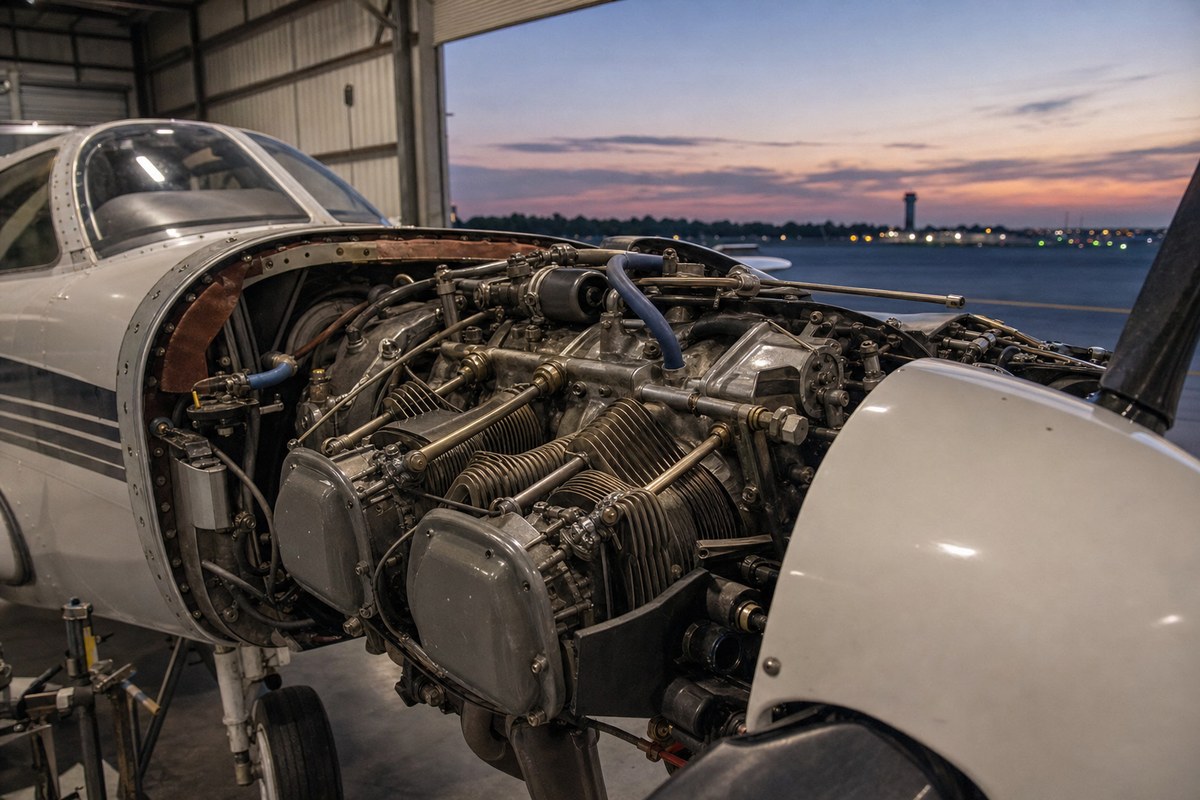
According to the NTSB, a sticking or stuck valve disrupts the combustion cycle, causing severe vibration, partial loss of engine power and potentially bent pushrods. The condition stems from deposit accumulation on valve stems and guides, caused by localized overheating inside engine cowlings, infrequent flying, sudden engine cooling, incorrect fuel-air mixtures, high ambient temperatures and high-lead fuel. The alert says piston-powered helicopters and flight school trainers are particularly vulnerable because of higher operating temperatures, rich mixture settings and frequent traffic patterns.
For aircraft owners, the NTSB recommends scheduling oil and air filter changes at the intervals set by original equipment manufacturers; monitoring for warning signs such as cold engine roughness, low exhaust gas temperatures and abnormal cylinder head temperatures in individual cylinders; and applying proper leaning techniques as outlined in the pilot operating handbook or engine operator manual.
For mechanics, the guidance is to educate owners about the safety implications of timely oil changes; analyze engine-monitoring device data to troubleshoot rough-running engines; inspect cooling air baffles and baffle seals to prevent cylinder hotspots; and adhere strictly to engine manufacturer service bulletins and instructions to measure, diagnose and clear valve guide deposits.
The three cited accidents
The alert cites three representative accidents. On June 29, 2019, a Zenair CH750 STOL sustained substantial damage in a forced landing near Paducah, Kentucky, after its No. 3 exhaust valve stuck open during descent; the pilot was seriously injured.
On May 25, 2022, two occupants died when a Cessna 172F crashed during an attempted takeoff at Show Low Regional Airport (KSOW) in Show Low, Arizona, following an initial aborted attempt. Investigators found the No. 4 exhaust valve stuck from heavy deposits.
On May 8, 2024, a Piper PA-32 experienced a partial power loss on departure and made a forced landing.
Industry impact & what to watch
The causes the NTSB lists are largely within the control of the people who maintain and fly these engines: oil-change timing, baffle condition, mixture management and how long an engine sits between flights. That makes valve sticking a maintenance-discipline problem in the piston segment, not a failure of one engine design, and the alert is addressed to owners and mechanics together because neither can close the gap alone.
Fleets that fly often and run rich, such as flight school trainers and piston helicopters, sit at the exposed end of that spectrum. For training operations and the shops that serve them, the alert turns routine items like cooling baffle inspection and engine-monitor data review into documented safety controls, and it gives an insurer or a safety officer a reference point for what a prudent inspection program looks like.
The figures cover accidents the NTSB investigated over ten years, so they describe the severe tail of the problem. Rough running and power-loss events that ended without an investigated accident sit outside that count. The next test of the alert is whether engine manufacturers' service bulletins on valve guide deposits and shop practice on baffle inspection tighten in response.