'Coffin Corner' Squeezes High-Altitude Speed Margins: Stall and Overspeed Limits Converge, With U-2 and Air France Flight 447 as Examples
Why It MattersThe squeeze on high-altitude speed margins puts the weight on crew training for automation-to-manual transitions and on pitot-sensor reliability across long-range and large-cabin cruise operations.
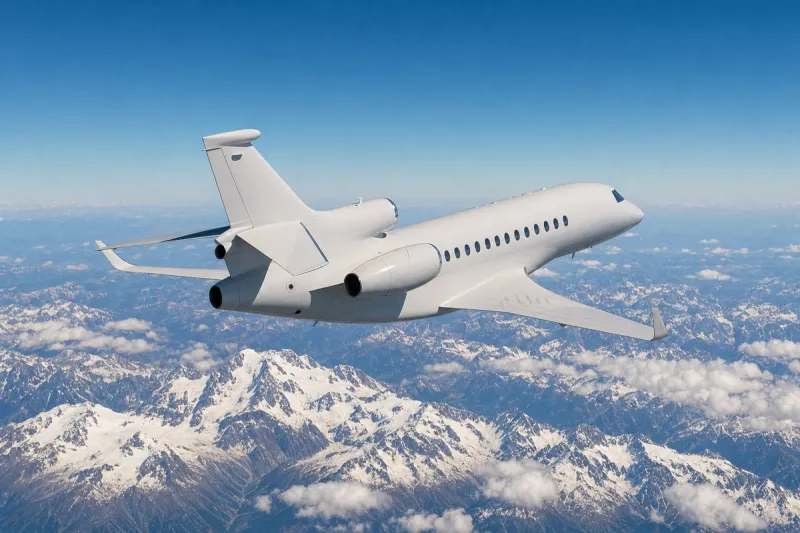
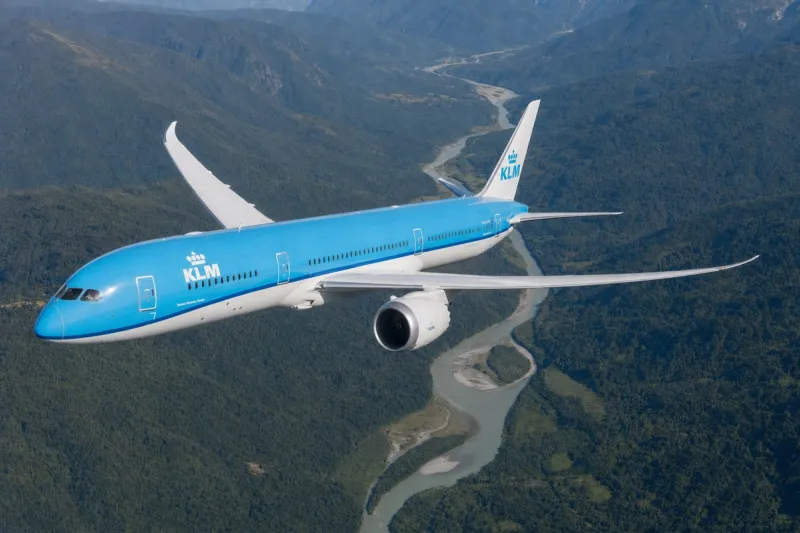
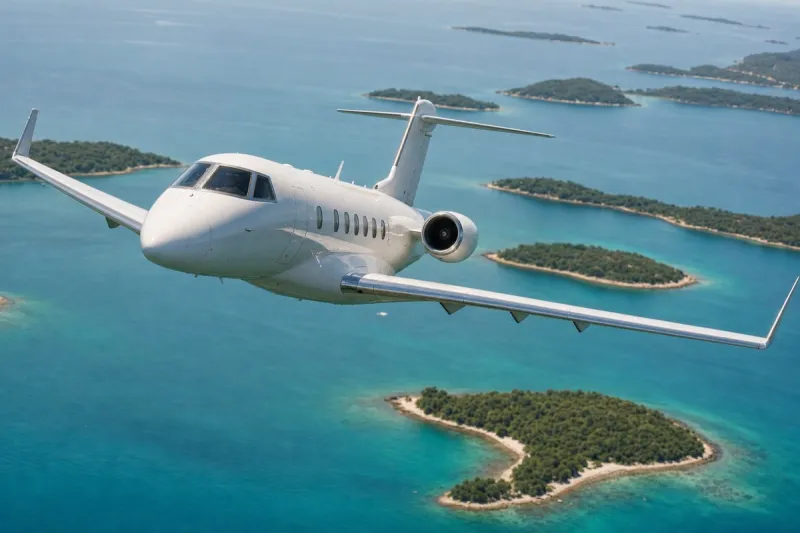
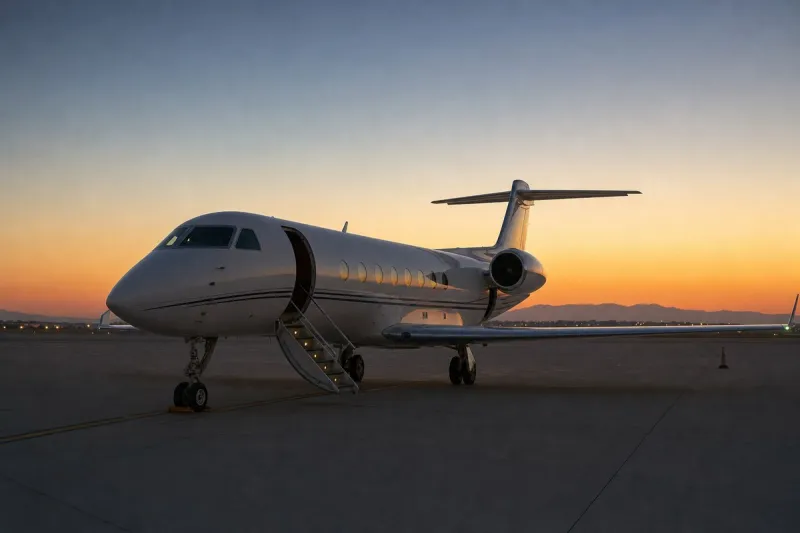
The 'coffin corner,' officially known as the 'q-corner,' is a flight condition in which an aircraft's low-speed stall threshold and its maximum speed converge at extreme altitude. As a jet climbs into thinner air, the speed needed to generate lift rises, which raises the stall speed. At the same time, falling ambient temperatures lower the local speed of sound. The two limits close in on each other, leaving a very small safe speed window.
Flying too slowly can trigger an aerodynamic stall, while flying too fast can cause Mach buffet, wing damage, or a nose-down pitch known as 'Mach tuck' caused by shockwaves over the wing. Clear-air turbulence, temperature spikes or steep banking raise the wing load factor and shrink the margin further. Mach buffet can feel similar to a low-speed stall in the cockpit, making the two hard to tell apart. Pilots must use precise throttle control and subtle pitch inputs, and the recovery option is generally to cut power and descend gently into denser air to widen the speed envelope.
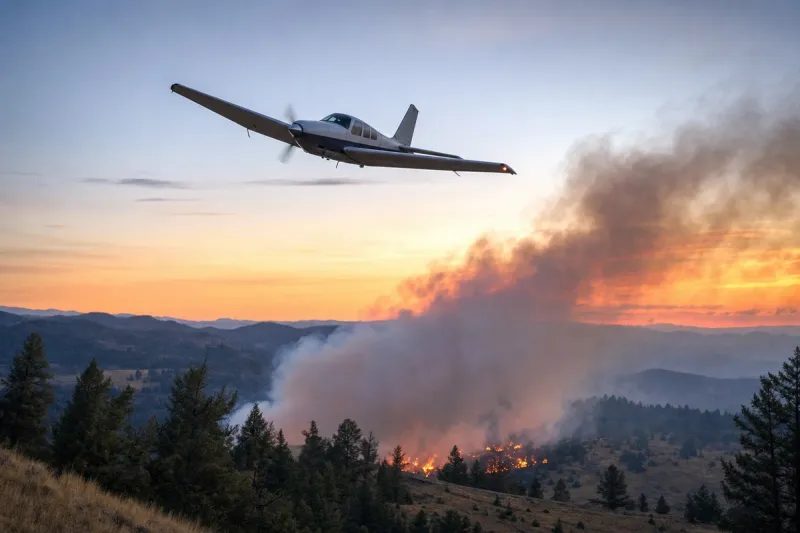
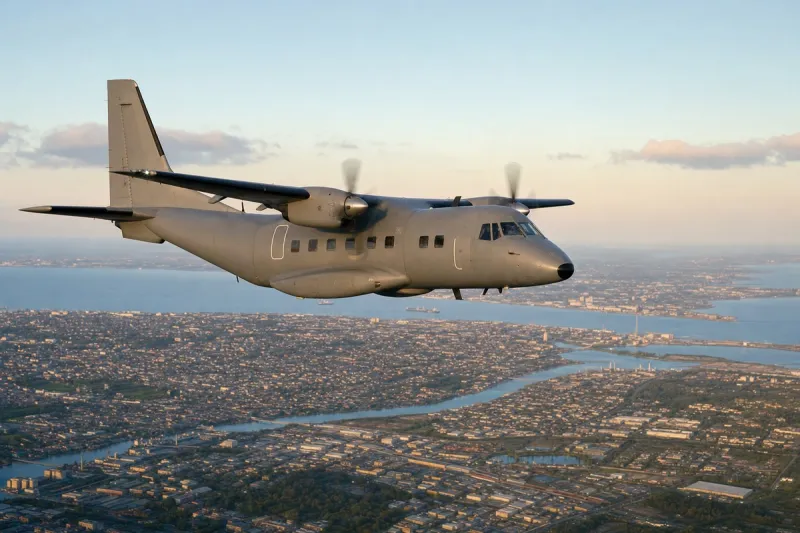
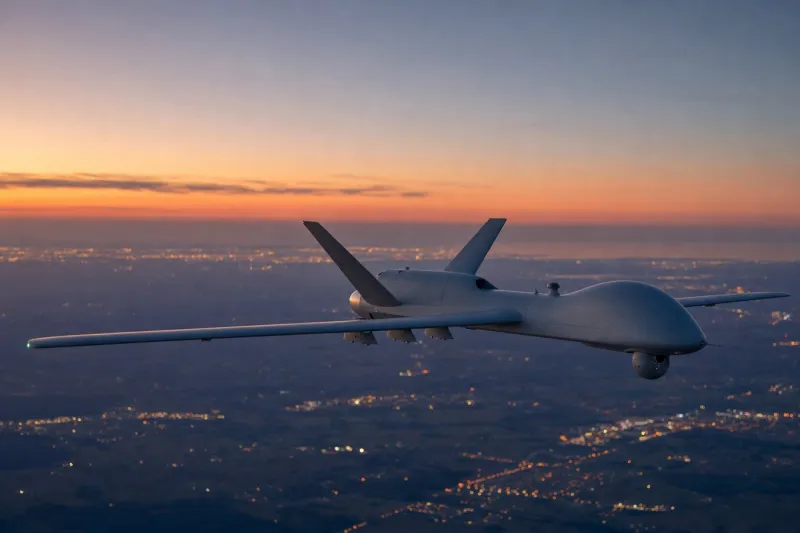
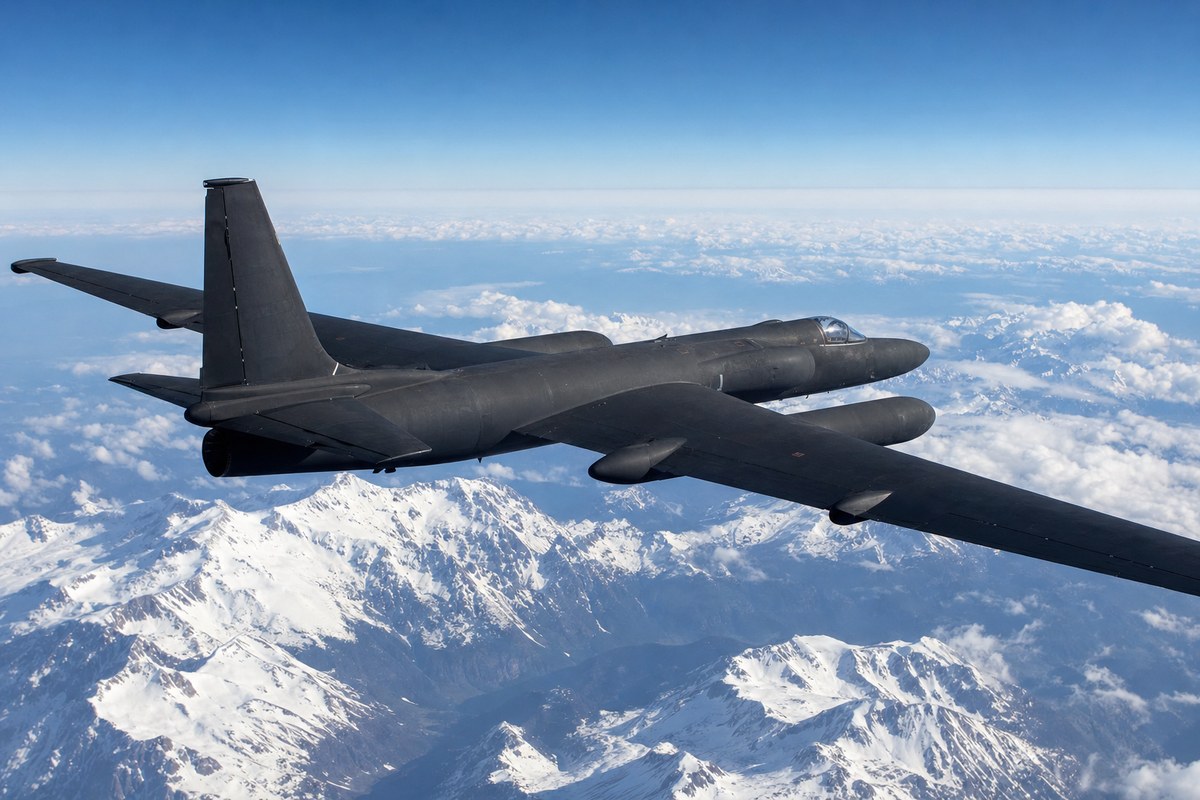
The Lockheed U-2 routinely cruises at 70,000 feet (21,336 meters), where the gap between stall and overspeed is only about five to seven knots. Its pilots wear full-pressure spacesuits, rely solely on cockpit displays because of the lack of external visual references, and face fatigue on missions longer than nine hours.
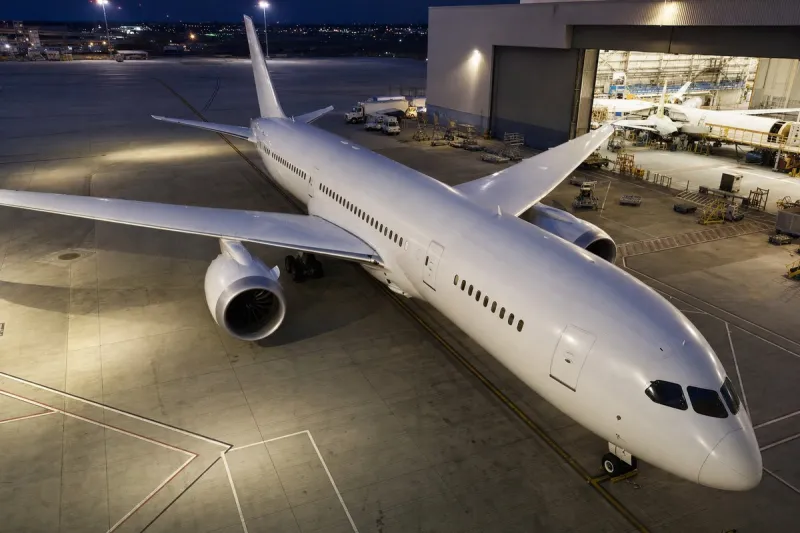
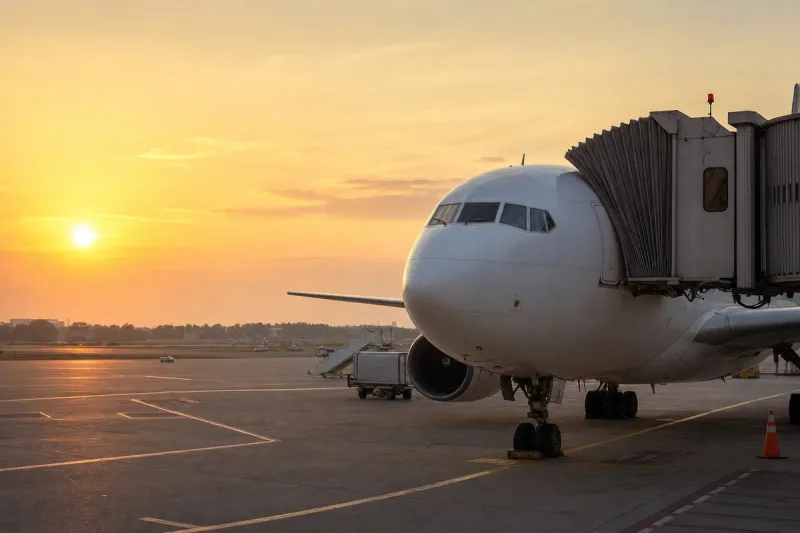
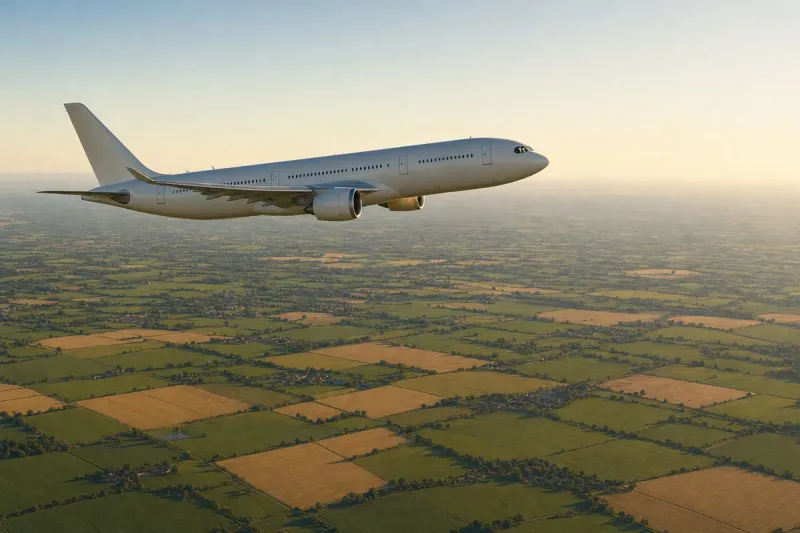
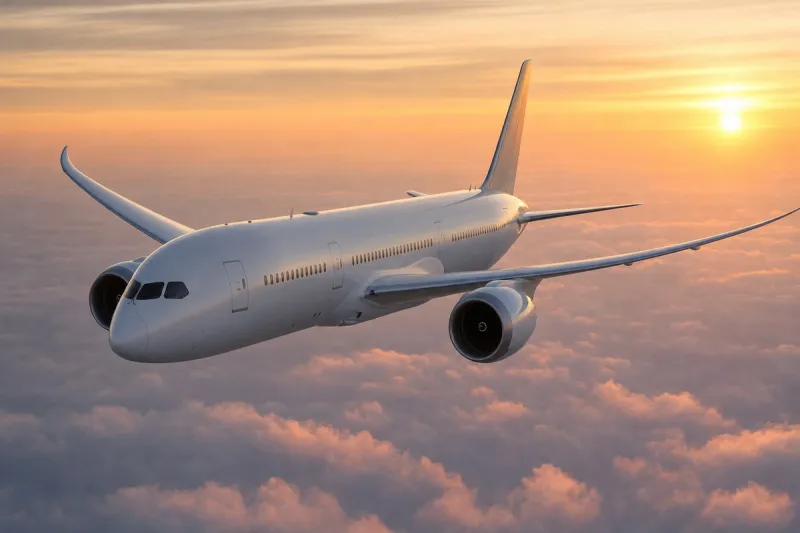
In commercial aviation, the hazard is more often tied to sudden shifts from automation to manual flying and to false inner-ear sensations. In the Air France Flight 447 accident, an Airbus A330 cruising at 35,000 feet (10,668 meters) lost airspeed indications when ice crystals blocked its pitot sensors and the autopilot disconnected. The aircraft climbed to 38,000 feet (11,582.4 meters) after the pilot unintentionally pulled back on the controls, raising its stall speed. The crew did not recognize the high-altitude stall and kept pulling back on the side-stick rather than lowering the nose.