Meteorologist Explains How Aircraft Icing Forms and Why It Endangers Flights
Why It MattersIcing awareness depends on forecasts and pilot reports rather than aircraft equipment alone, which keeps weather products such as SIGMETs and PIREPs central to flight planning across all operators.
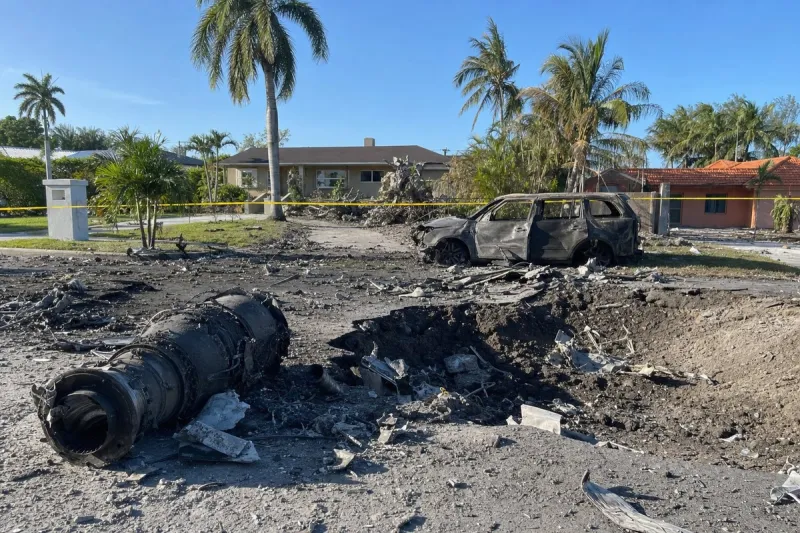
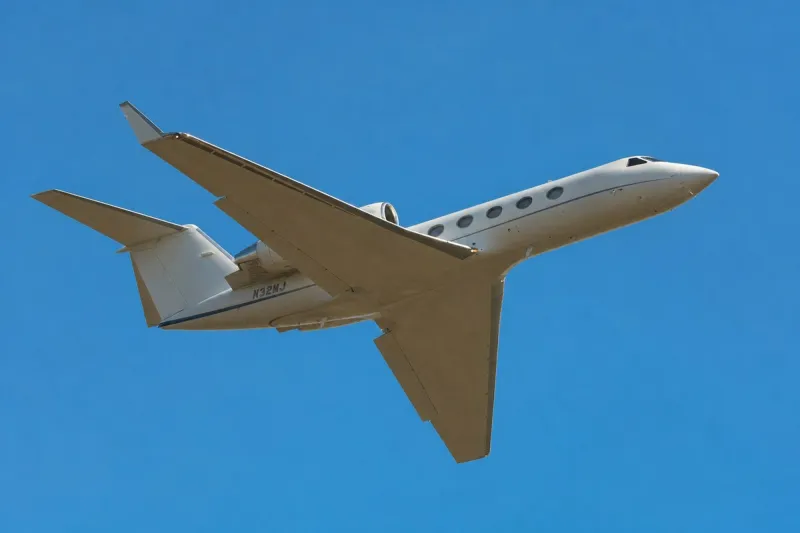
Chief Meteorologist Stefanie Lauber used a weekly Science Snippet from Corpus Christi, Texas, to explain aircraft icing, citing a recent jet crash in Florida that has put the term in the headlines.
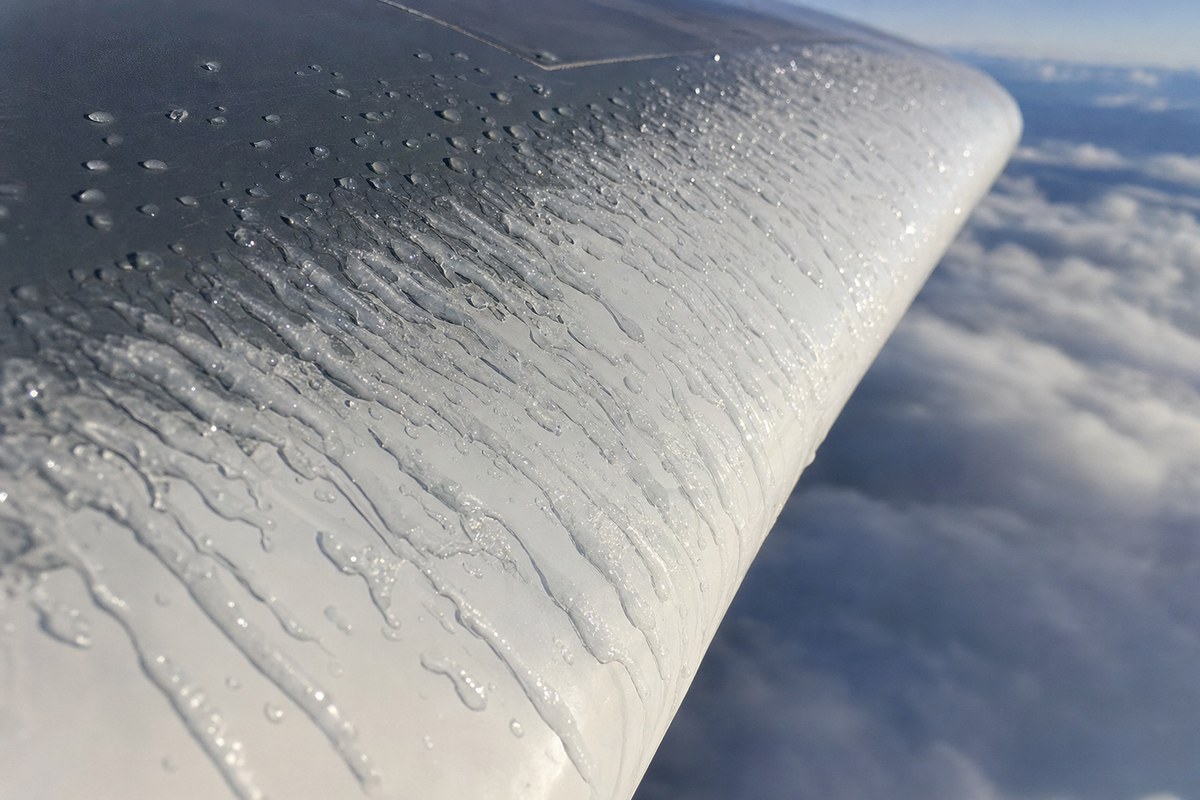
At flight altitudes the air is usually well below 32 degrees Fahrenheit (0 degrees Celsius), but liquid water does not always freeze at that temperature. Water colder than freezing that remains liquid is called "supercooled," and it needs something to attach to in order to freeze. At flight level that can be a cold aircraft, on which the droplets freeze instantly on contact. Powerful thunderstorm updrafts can carry large amounts of supercooled water into sub-freezing air, rapidly building ice on an aircraft, which is one reason pilots avoid flying close to thunderstorms. Depending on droplet size and air temperature, ice accumulates in three ways: rime icing, where tiny droplets freeze instantly and form a rough, visibly white buildup; clear icing, where larger droplets spread over the wing before freezing into a smooth, often invisible sheet; and mixed icing, a combination of the two.
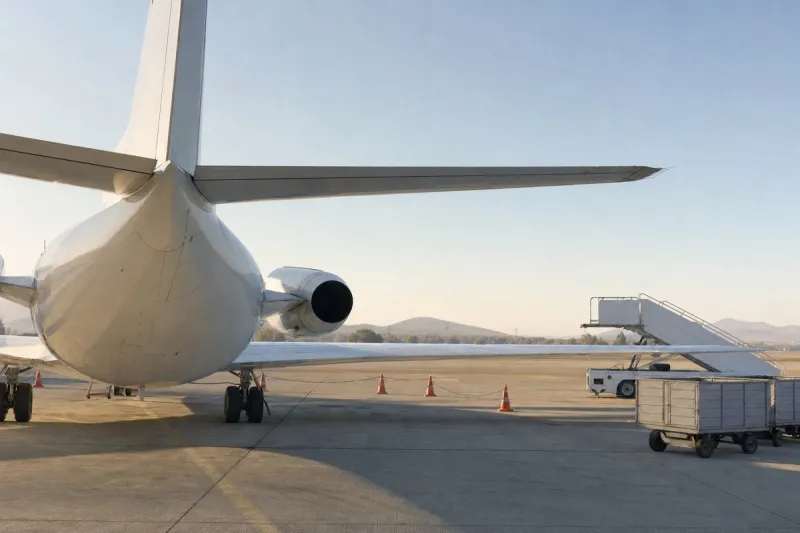
Ice buildup can change a wing's curved airfoil shape, reducing or eliminating the lift that keeps the aircraft flying. Icing can occur more quickly on smaller airfoils, such as parts of the tail, or on rotorcraft such as helicopters. Many aircraft carry de-icing equipment that heats the airfoils to melt the ice.
The best protection is to avoid icing conditions. Aviation weather forecasters map freezing levels and Significant Meteorological Information (SIGMETs), while pilots send real-time reports of hazardous conditions along their routes, called PIREPs. Forecasters also look for turbulence and dangerous crosswinds, issue coded Terminal Aerodrome Forecasts (TAFs), and publish current conditions in Meteorological Aerodrome Reports (METARs). The Aviation Weather Center publishes a guide to aircraft icing.