U.S. Has 6% Fewer Air Traffic Controllers Than a Decade Ago as Flights Rise 10%; $148,080 Median Pay Hasn't Closed the Gap
Why It MattersController scarcity is a structural capacity constraint across several major aviation markets, and it limits how far flight growth, business aviation included, can expand within the air traffic system.
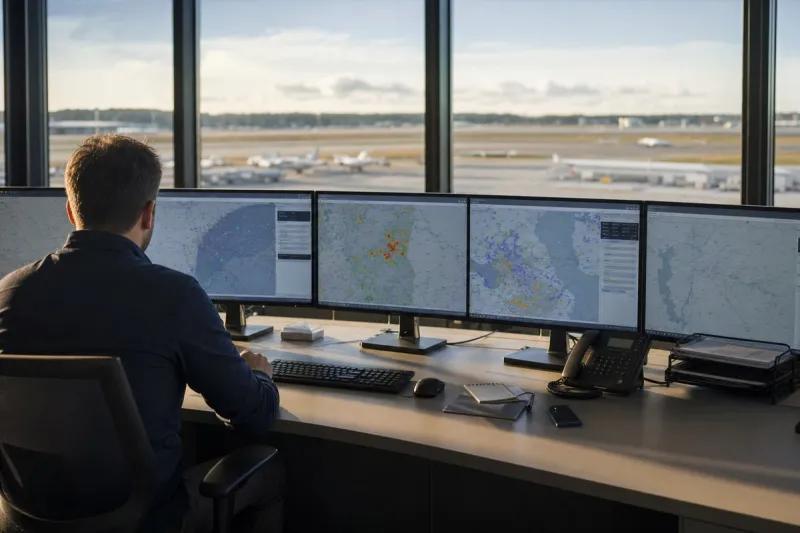
The United States has about 6% fewer air traffic controllers than it did a decade ago, even as the number of flights relying on the air traffic control system has grown 10%, according to a January analysis from the U.S. Government Accountability Office (GAO). The shortage is not confined to the U.S.; aviation training company CAE projects that 71,000 new air traffic controllers will be needed worldwide by 2034, or roughly 7,000 a year.
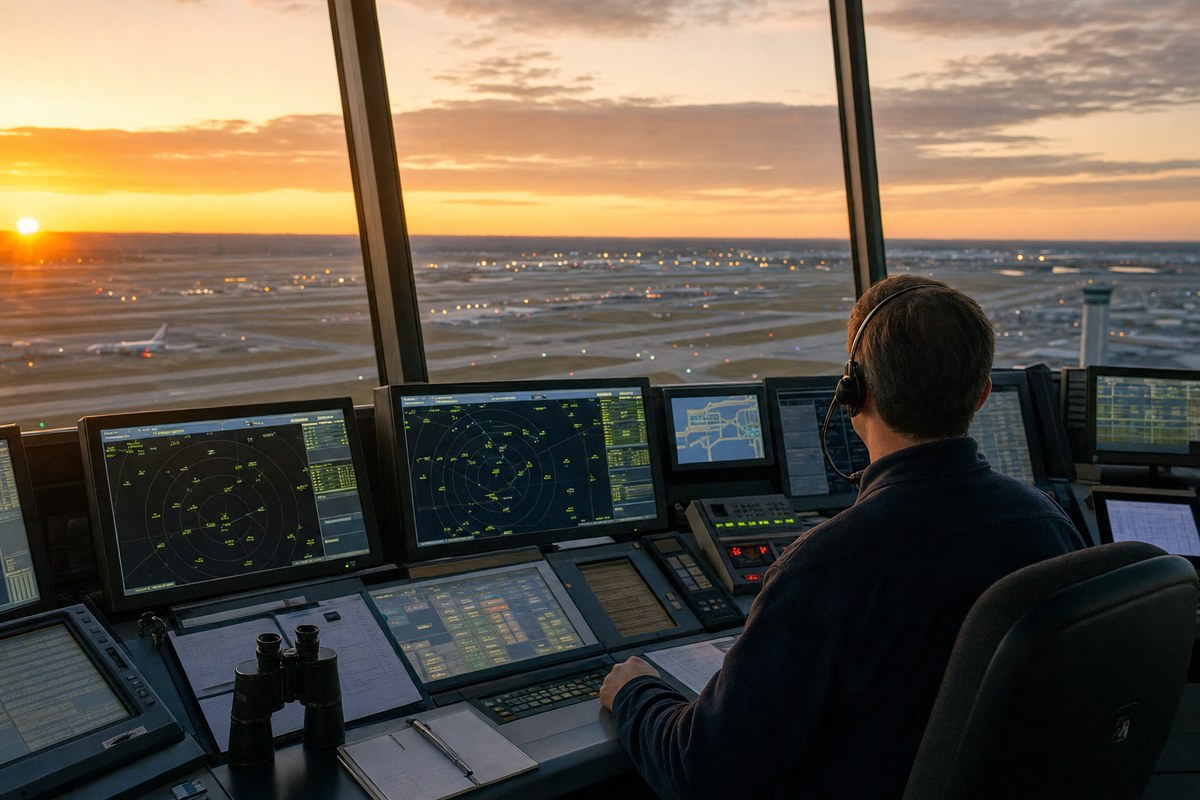
The GAO traces much of the decline to disruptions in training. Government shutdowns in 2013 and in 2018-2019 froze hiring and training, and the COVID-19 pandemic halted training for four months before holding it at reduced capacity for nearly two years. High attrition from 2019 through 2024 made it harder to catch up. By November 2025, after that year's shutdown, the FAA said nearly half of major air traffic control facilities were short-staffed as controllers worked without pay.
Pay is not the main barrier. The Bureau of Labor Statistics put the median U.S. controller's pay at $148,080 a year ($71.19 an hour) as of May 2025, with the top 10% earning more than $215,610. The FAA requires a bachelor's degree, one year of progressively responsible work experience, or a combination of the two, and new hires then train on the job for more than a year. Tiffany Bisbey of George Washington University calls the job "one of the highest stress occupations out there."
The hiring pipeline is narrow. Applicants must be U.S. citizens under 31 and pass pre-employment tests, a medical exam and a security investigation. The FAA says less than 10% of applicants meet these requirements and are accepted into the training program, and the GAO found about 2% of applicants qualify for and complete the full training process. Most candidates must then graduate from a 4-to-6-month course at the FAA Academy in Oklahoma City, followed by on-the-job training; becoming certified can take up to 6 years, according to the GAO.
The FAA hired 2,235 controller trainees in fiscal 2026, the most in its history, and its 2026-2028 workforce plan puts the certified workforce at about 11,000 as of April, against a target of 12,563. In May, the FAA lowered its staffing goal by about 2,000 controllers, citing forecast demand and changes to scheduling and training; the National Air Traffic Controllers Association said it was not involved in drafting the plan. When the FAA pitched the job to Gen Z video gamers this spring, it advertised pay of at least $155,000 after three years.
Other countries are also short of controllers and are recruiting abroad. Airservices Australia posted a call in September for experienced international controllers, offering a work visa with eligibility for permanent residency; that month, unplanned absences left eight of Sydney Airport's 49 controllers unavailable and delayed roughly a third of inbound flights one morning. Qatar has been recruiting Airservices Australia controllers, NAV CANADA used an outside firm to recruit eight foreign controllers, and South Africa lost 28 controllers in eight months.