Neste Says EU SAF Capacity Could Reach 3.2 Million Tonnes by 2030, Above the 2.8 Million Tonnes the 6% Mandate Requires
Why It MattersProjected supply above 2030 mandate demand would ease near-term SAF availability concerns for EU operators, while the 2035 target of 20% still depends on a new wave of capital investment.
Neste says sustainable aviation fuel (SAF) can reduce Europe's reliance on fossil jet fuel and support energy security and industrial competitiveness. Of the 39.3 million tonnes of aviation fuel supplied at EU airports in 2025, 97.2% was fossil fuel, while globally fossil fuels represent 99.2% of aviation fuel use. Aviation accounts for 2.5% of global CO₂ emissions, and Europe is 95% dependent on imports for its jet fuel supply, according to Eurostat figures cited by Neste.
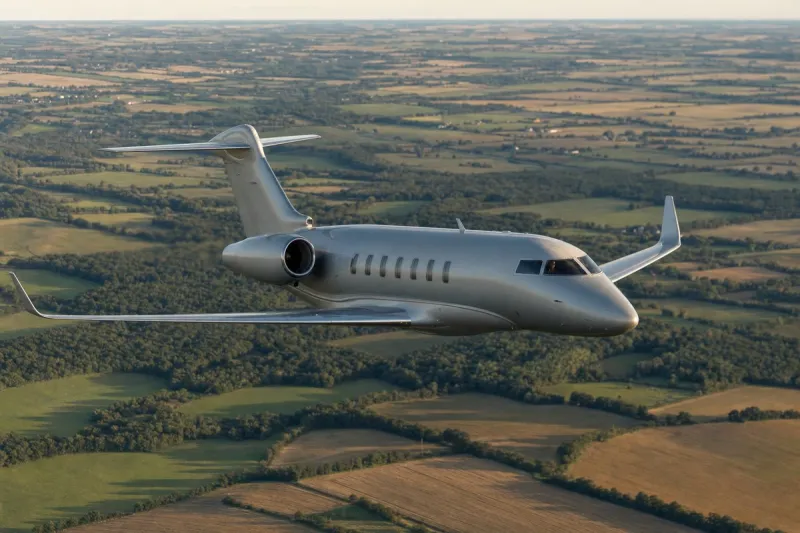
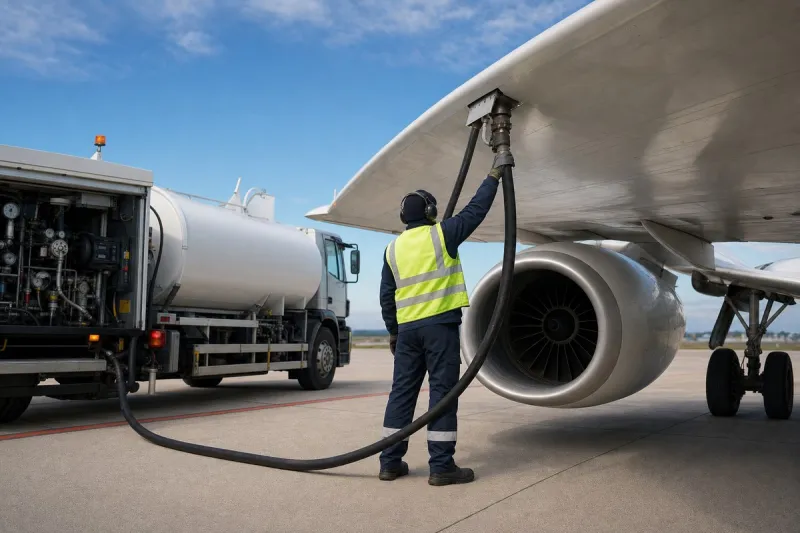
Neste describes SAF as a drop-in fuel that, once blended with conventional jet fuel in line with applicable standards, can be used in existing aircraft engines and fuel infrastructure without technical modification. SAF is certified for commercial use and can currently be blended up to 50%. Unblended, Neste MY Sustainable Aviation Fuel meets the ReFuelEU Aviation criteria, including at least 65% life-cycle greenhouse gas savings versus fossil fuel.
Under the ReFuelEU Aviation Regulation, aviation fuel supplied at covered EU airports must contain at least 2% SAF from 2025, rising to 6% by 2030, 20% in 2035 and 70% by 2050. According to the European Union Aviation Safety Agency (EASA), EU annual SAF production capacity already exceeds 1 million tonnes. Including facilities under construction, realistic capacity could reach 3.2 million tonnes by 2030, against about 2.8 million tonnes required under the 6% mandate. Meeting the 20% target for 2035 will require a new wave of capital investment.
SAF is currently more expensive than conventional jet fuel, mainly because of higher raw-material costs, although the gap fluctuates. Neste estimates the effect on ticket prices at less than €1 to €3 on a typical short-haul European flight today, and about €5 to €15 on standard intra-European journeys as mandates rise toward 20% in 2035.
Neste calls for ReFuelEU mandates to increase more progressively each year at the same overall ambition, and for the EU Emissions Trading System (ETS) to better support SAF. According to the International Air Transport Association (IATA), the 20 million allowances currently reserved for SAF in the ETS are estimated to cover less than 5% of airlines' ETS payments between 2024 and 2030. Neste proposes raising SAF allowances to at least 200 million.