U.S. Treasury Sanctions India-Based Ship Registry Fraud Network and Türkiye Ground Handler Serving Iranian Airlines
Why It MattersGround handlers and service providers at foreign airports now face direct U.S. sanctions exposure when they support designated Iranian carriers, narrowing the third-country services those airlines can still rely on.
The U.S. Treasury has announced a new round of Iran-related sanctions under Operation Economic Outcast, targeting an India-based network accused of supplying false ship flags and certifications to vessels carrying Iranian petroleum, and a Türkiye-based ground handling company serving sanctioned Iranian airlines. Secretary of the Treasury Scott Bessent said the action is part of Operation Economic Outcast, launched on August 24, 2026, to cut off the Iranian regime's remaining economic lifelines and increase sanctions exposure for firms and individuals still doing business with Iran.

In the maritime action, Treasury says Sharma and Shahid have operated from Chandigarh, India, for years and built a network of fake registries and websites claiming to act for multiple countries. These operations offered flagging, seafarer certification and vessel classification services without authorization from the governments they purported to represent, enabling sanctioned ships transporting Iranian oil to keep operating. The network is linked to websites claiming to provide registry services for Aruba, Guyana, Mali, Mozambique, Malawi, Sint Maarten and Timor-Leste.
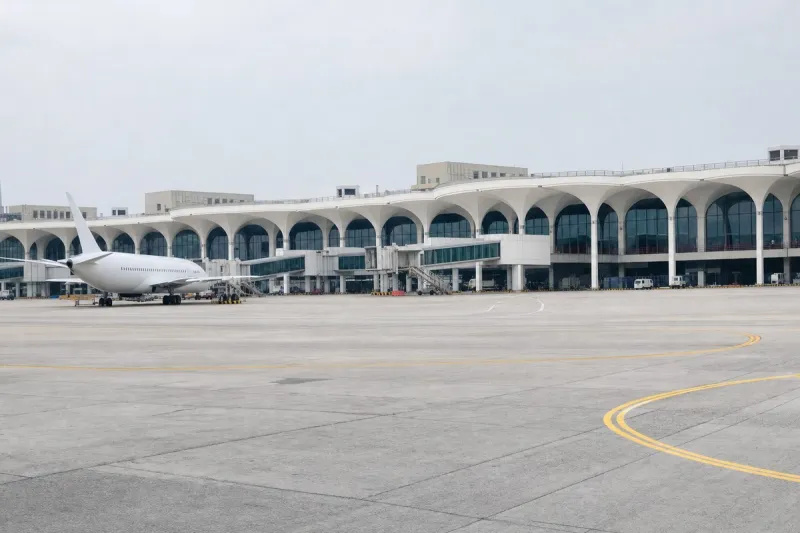
In a separate action, Treasury says Fugo Ground Services Inc in Türkiye provides ground handling and related services to several U.S.-sanctioned Iranian carriers, including Iran Air Tour, Saha Airlines, Sepehran Airlines, Varesh Airlines, Taban Airlines and Ata Airlines Company. Some of those services began within weeks of the airlines' September 8, 2026 designations.
All property and interests in property of the designated persons that are in the United States or controlled by U.S. persons are blocked and must be reported to OFAC. Entities owned 50% or more by blocked persons are also blocked, and U.S. persons are generally prohibited from transactions involving their property unless exempt or authorized. Civil or criminal penalties can apply to violations by U.S. and foreign persons, and foreign financial institutions may face restrictions on correspondent or payable-through accounts in the United States.