Vietnam's Ministry of Construction Proposes Investing in Equipment to Detect and Suppress Illegal UAVs Near Airports
Why It MattersRepeated airspace intrusions at Vietnam's busiest airports are pushing regulators toward permanent counter-drone infrastructure and standardized closure rules, a template other fast-growing aviation markets may follow.
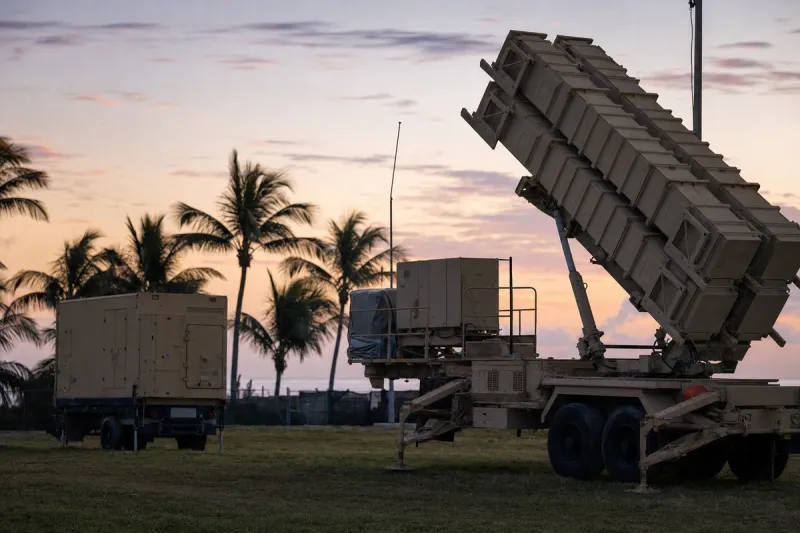
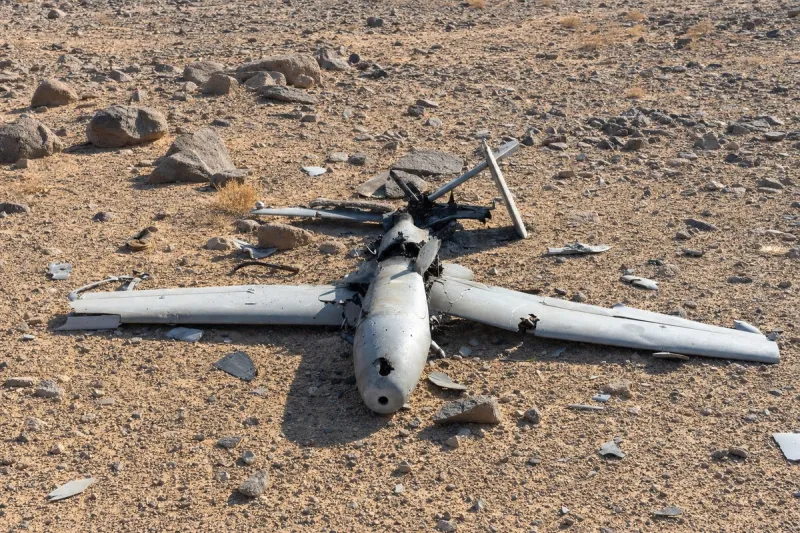
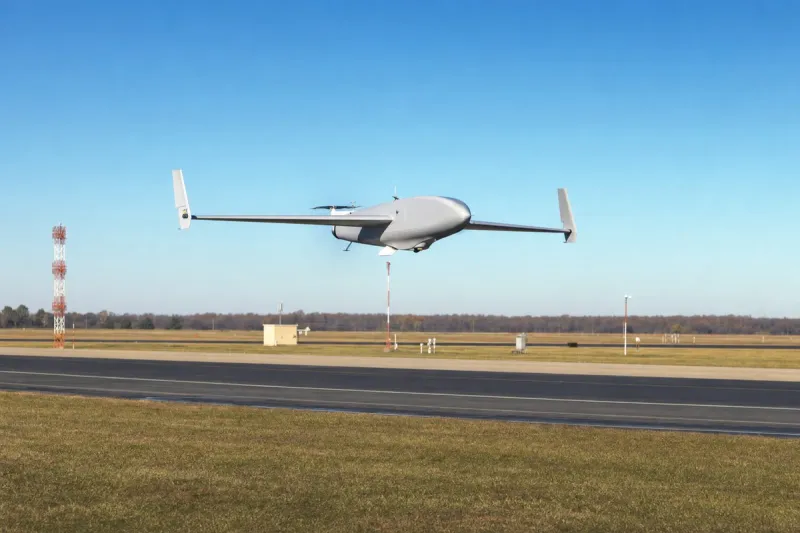
Vietnam's Ministry of Construction has sent a document to the Ministry of Public Security summarizing the implementation of laws on aviation security. It proposes strengthening detection and suppression equipment and improving the coordinated handling of violations involving unmanned aerial vehicles (UAVs) in airport areas.
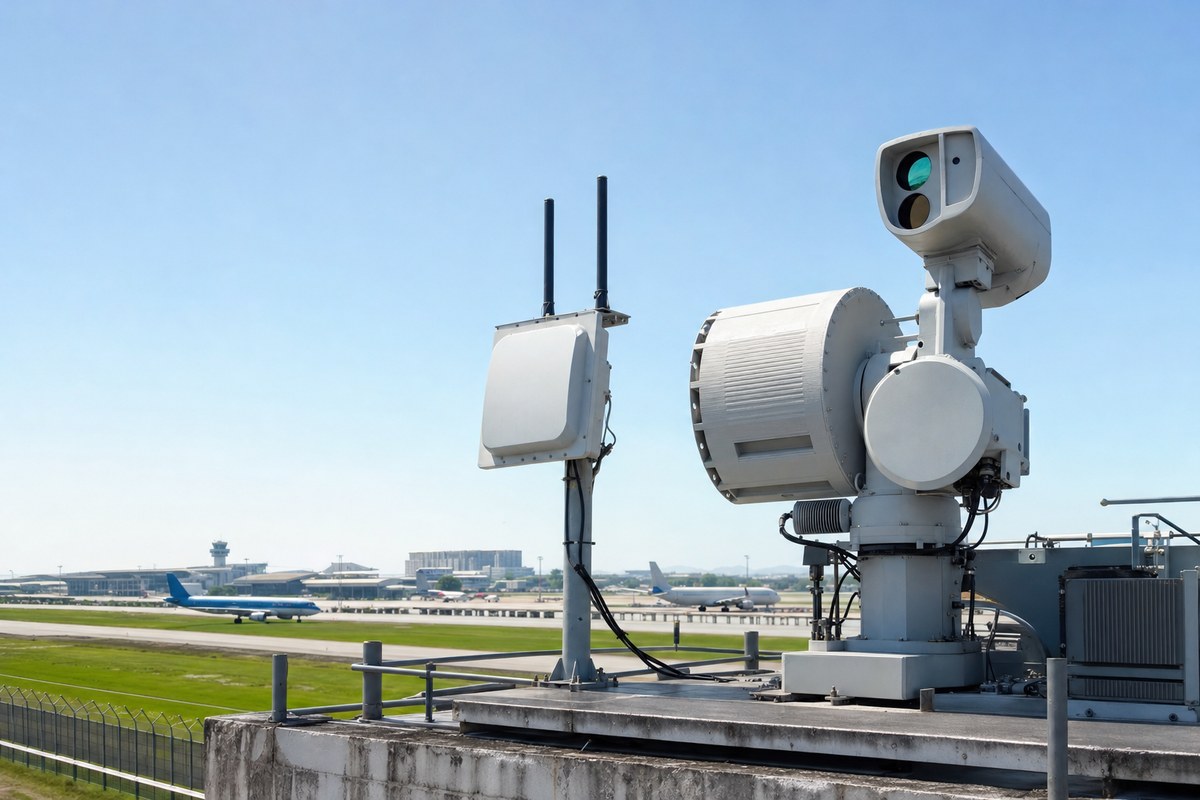
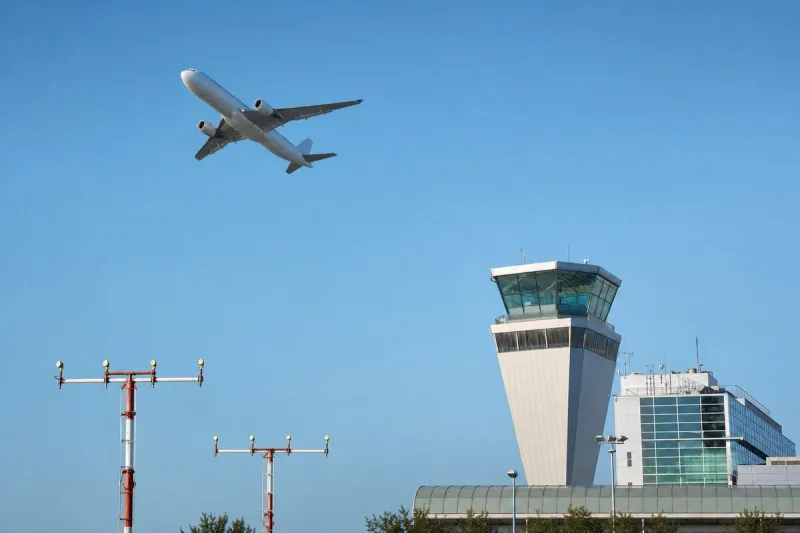
The ministry said UAV activity around airports has become increasingly complex. Illegally controlled UAVs, and disregard for no-fly zones and restricted airspace, can bring these vehicles into aircraft operating areas, threatening safety during takeoff and landing and disrupting operations. Violations take diverse forms: besides drones, the flying of kites, including kites with lights attached, makes detection, location identification and enforcement difficult. These activities are tied to the living habits of people near airports.
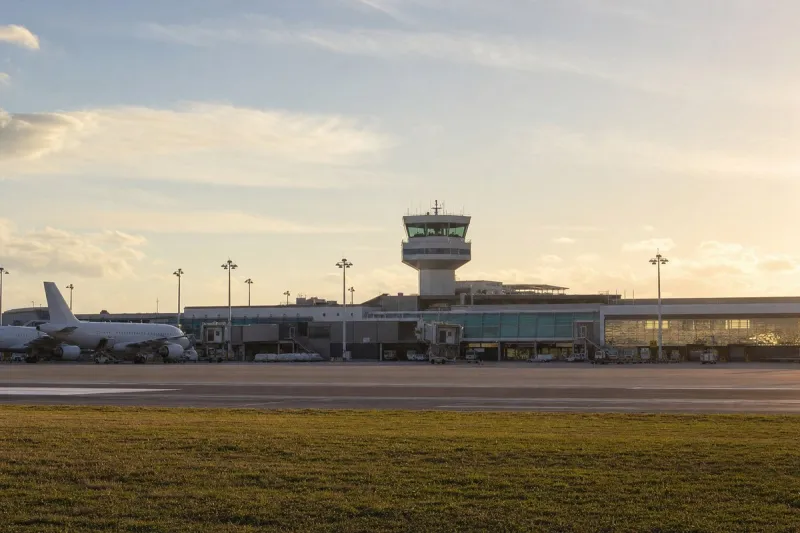
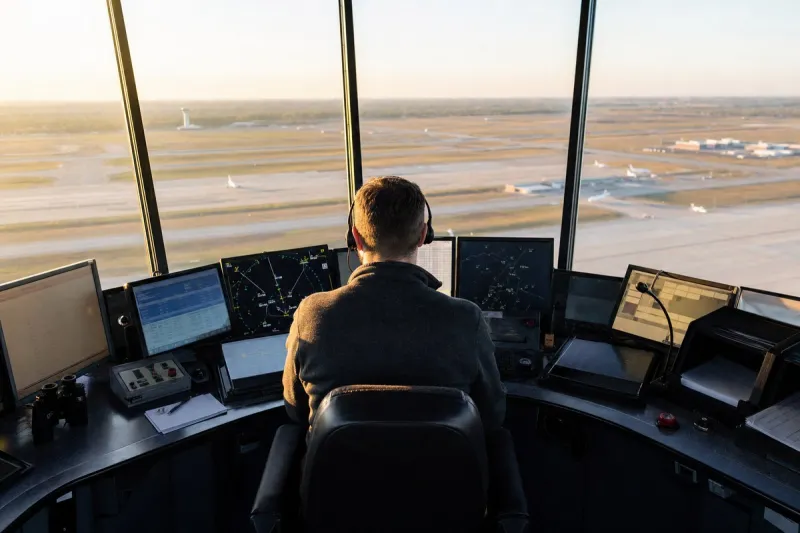
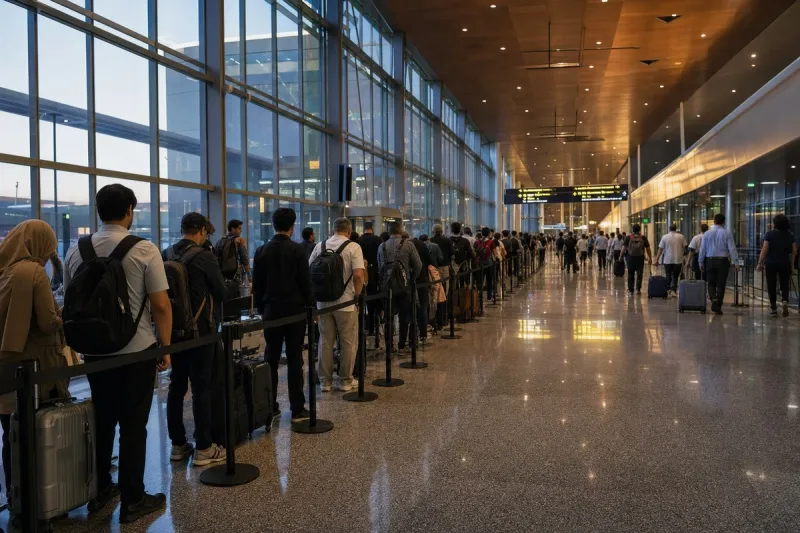
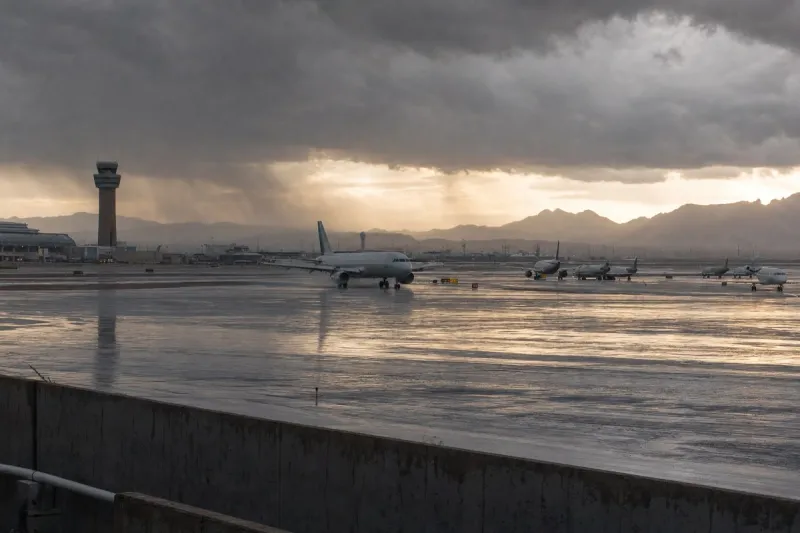
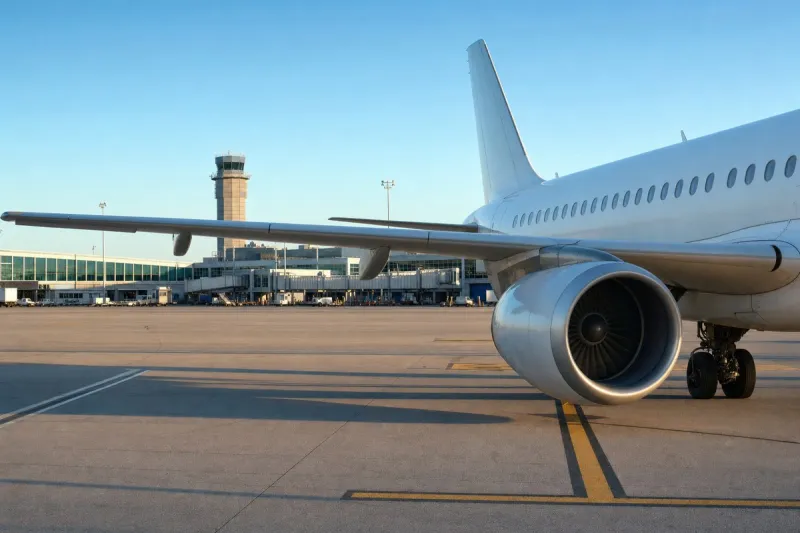
Disruptions can last up to 4 hours. At Cat Bi, Noi Bai, Da Nang and Tan Son Nhat international airports, many flights had to circle, divert to alternate airports, or temporarily suspend departures and wait on the ground. The Civil Aviation Authority of Vietnam issued Decision No. 824 on April 24, 2026, which unifies the contact point for receiving information, the coordination mechanism and the processing procedures. It also defines the conditions for temporarily suspending operations, closing airports and resuming normal operations.
Authorities have run public awareness campaigns, reviewed UAV equipment management and deployed equipment to detect illegal UAVs remotely, while police and military forces track down operators. The ministry assessed the results as positive, noting that no illegal UAV use in airport areas has recently been reported. It also pointed to shortcomings: coordination involves many forces and prolongs processing times in some cases, kite and sky lantern flying continues, and detection equipment does not fully meet actual needs. Its proposals include amending the coordination process, developing airport-specific procedures, stepping up awareness campaigns in schools and residential areas around airports, and investing in equipment to detect and suppress UAVs intruding into no-fly zones.