Germany Reaffirms Blanket Warning Against All Travel to Syria Amid Damascus Attacks and Regional Tensions
Why It MattersBlanket government warnings on Syria and its neighbours keep the corridor effectively closed to business aviation operators, who must plan around airspace restrictions and sparse consular backup.
Germany's Foreign Office has reaffirmed its formal travel warning for the whole of Syria, advising against all trips to the country for any purpose. The update, dated 29 October 2026, confirms the warning remains in force and notes that conditions on the ground and in the wider region remain highly unpredictable.
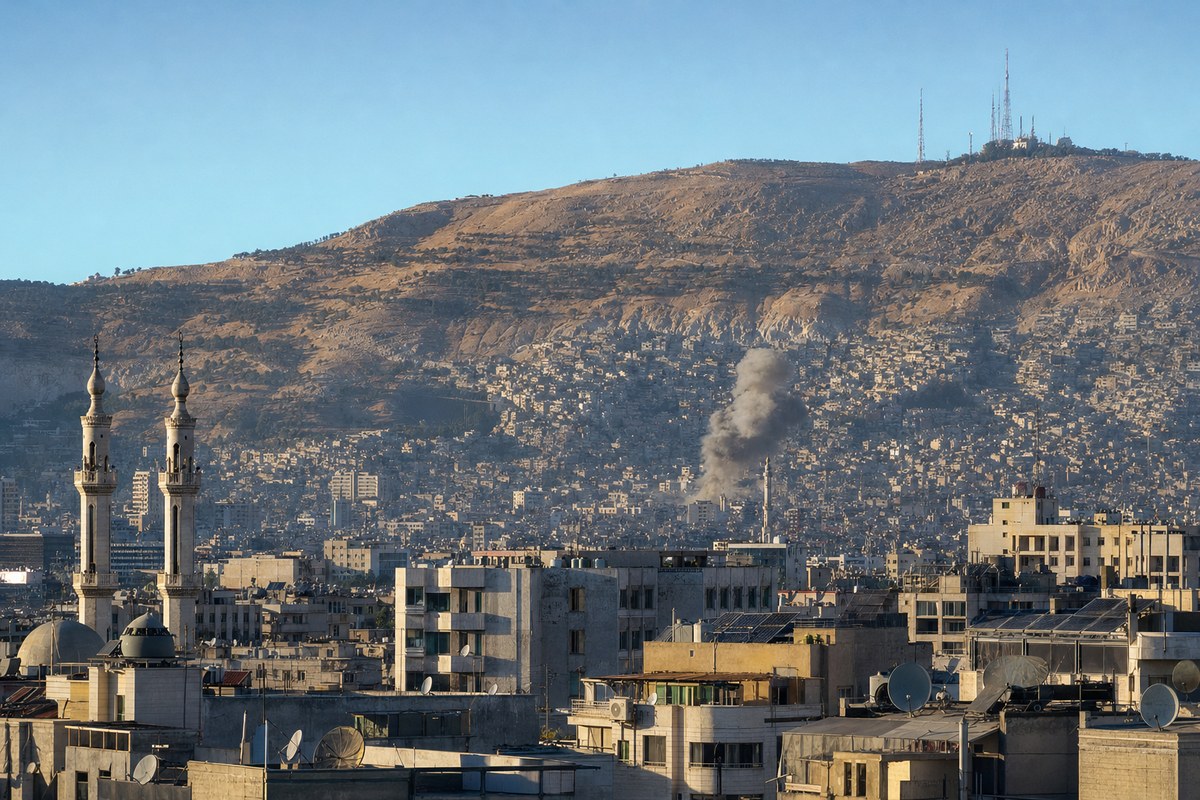
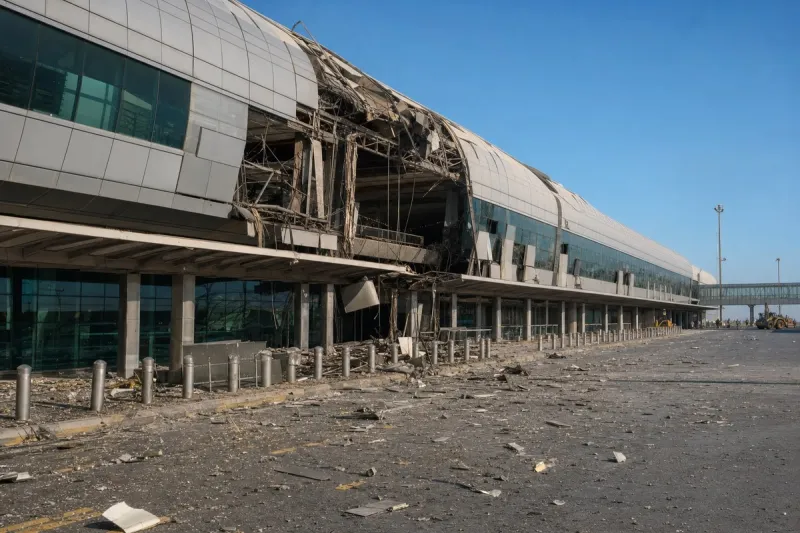
The advisory cites several explosive devices that detonated in central Damascus during the summer of 2026, including near an internationally used hotel and at a café, causing multiple deaths and injuries. It describes the security situation across much of Syria as unstable, with repeated attacks on buses and other vehicles in the central region and ongoing risks from improvised explosive devices in northern and eastern provinces. It states that personal safety cannot be guaranteed anywhere.
Germany's position matches that of other Western governments. The United States maintains a Level 4 "Do not travel" advisory, the UK's Foreign, Commonwealth and Development Office advises against all travel, and Australia's Smartraveller service likewise advises against any travel. EU sanctions have eased in some areas since political changes in Damascus in 2024, but member states' travel warnings, including Germany's, remain in place.
Consular support inside Syria is severely limited. The German embassy in Damascus is closed to regular public visits, and most emergencies involving German citizens are handled by the embassy in Beirut. German guidance indicates Syrian authorities are likely to treat dual nationals solely as Syrian citizens, which can restrict foreign missions' ability to assist them. The United States suspended embassy operations in Damascus in 2012 and relies on the Czech Republic as a protecting power, while the UK says it cannot provide consular assistance from within Syria.
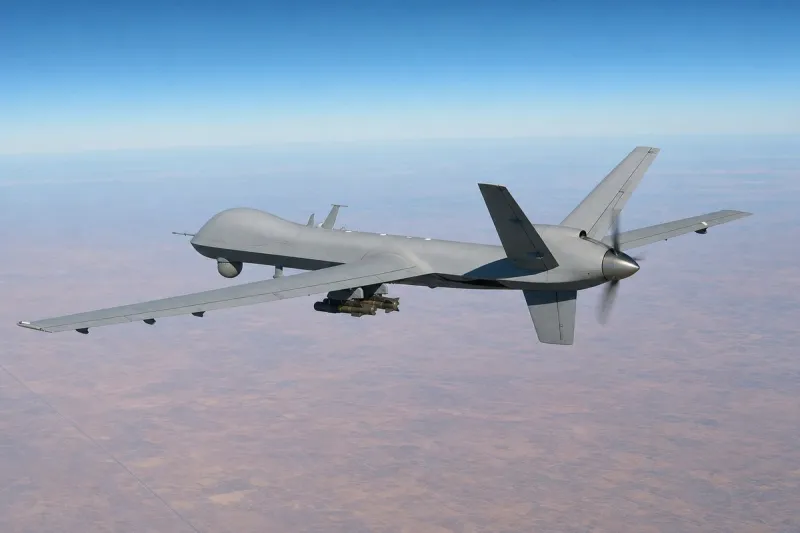
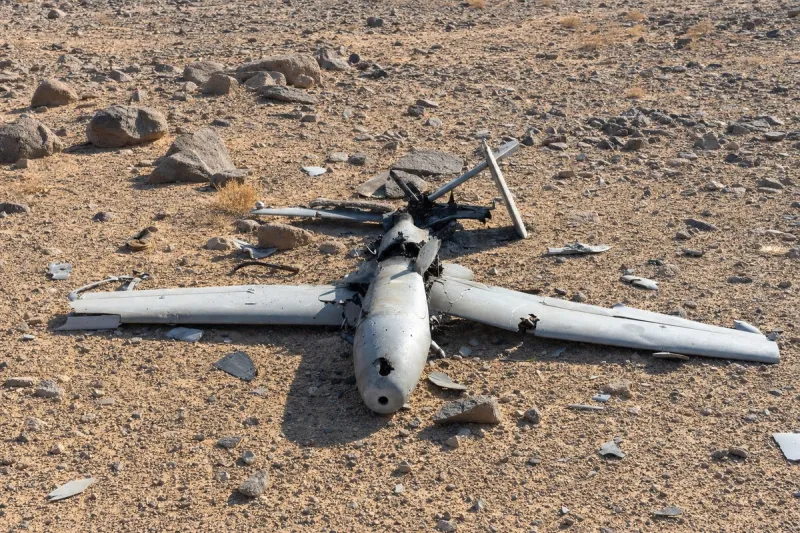
The advisories also point to regional spillover risks. Military activity in neighbouring states, including cross-border strikes and drone or missile attacks, can affect Syrian airspace and surrounding flight corridors with little or no notice, raising the possibility of flight cancellations, diversions or extended airspace closures. Some land borders can close without warning, and checkpoints carry risks of arbitrary detention, forced payments or violence.